


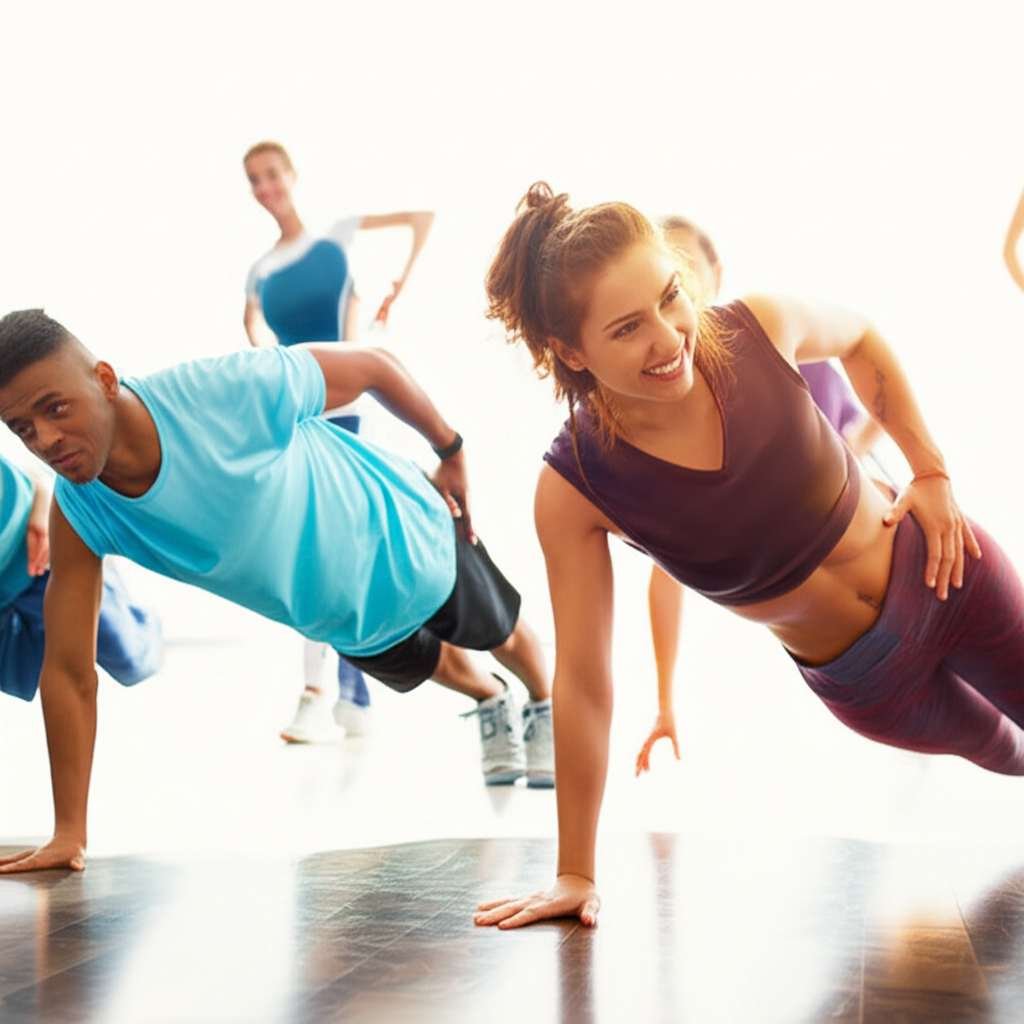
Quick Summary: 20 simple exercises for men to lose belly fat effectively include a mix of cardio, strength training, and bodyweight movements. Focus on consistency and proper form for best results, making fat loss achievable and sustainable.
Feeling a bit stuck on your weight loss journey, especially when it comes to shedding that stubborn belly fat? You’re not alone! Many men find it confusing and frustrating to figure out the best ways to get results. It often feels like there’s a secret code to crack, but the truth is, it’s much simpler than you think.
The good news is that you don’t need a fancy gym or complicated routines to start seeing progress. We’re going to break down 20 straightforward exercises that are perfect for beginners. These moves are designed to be effective, easy to learn, and can be done with minimal or no equipment.
Get ready to build a solid foundation for fat loss. We’ll go through each exercise step-by-step, explaining why it works and how to do it right. Let’s make this journey manageable and motivating!
Why Fat Loss Can Feel Tricky for Men
It’s common for guys to notice fat accumulating around their midsection. This is often due to hormones like testosterone and cortisol, as well as lifestyle factors. Men tend to store fat viscerally, which is the type that surrounds your organs and can be harder to lose.
This type of fat isn’t just about appearance; it can also impact your health. But don’t worry, this is where consistent exercise comes in! By combining different types of movements, you can create a powerful strategy to tackle that extra weight.
Understanding the Basics: Cardio vs. Strength Training
To effectively lose fat, it’s super helpful to understand two main types of exercise: cardiovascular (cardio) and strength training. Both play a crucial role, and doing a mix of both will give you the best results.
Cardio exercises get your heart rate up and burn calories while you’re doing them. Think of activities like running, swimming, or even brisk walking. They’re great for overall calorie expenditure and improving heart health. The U.S. Department of Health and Human Services recommends at least 150 minutes of moderate-intensity aerobic activity per week for significant health benefits.
Strength training, on the other hand, involves using resistance to build muscle. Muscle tissue burns more calories at rest than fat tissue does, so building more muscle can boost your metabolism. This means you’ll burn more calories even when you’re not exercising. It also helps shape your body and improve your posture.
20 Simple Exercises for Men: Essential Fat Loss
Here are 20 exercises, broken down into categories, that are perfect for beginners looking to lose fat. We’ll focus on exercises that are effective and easy to get started with.
Cardiovascular Exercises (Get Your Heart Pumping!)
These exercises are fantastic for burning calories and improving your endurance. Aim to incorporate at least a few of these into your weekly routine.
-
Jumping Jacks
A classic for a reason! Jumping jacks are a full-body cardio move that gets your heart rate up quickly. Stand with your feet together and arms at your sides. Jump your feet out wider than shoulder-width while bringing your arms overhead. Jump back to the starting position. Repeat for a set amount of time or repetitions.
-
High Knees
This exercise mimics running in place but with a greater emphasis on lifting your knees. Stand tall and bring one knee up towards your chest, then switch to the other leg, as if you’re running fast. Keep your core engaged to help you stay balanced and upright.
-
Butt Kicks
Similar to high knees, but you’re aiming to kick your glutes with your heels. Stand tall and jog in place, bringing your heels up towards your hamstrings. This helps to warm up your leg muscles and get your blood flowing.
-
Burpees (Modified)
Burpees are a powerhouse exercise, but they can be modified for beginners. Start by standing, then drop into a squat, place your hands on the floor, step your feet back into a plank, step them back to the squat, and then stand up. For an even easier version, skip the push-up and the jump at the end.
-
Mountain Climbers
This exercise is like a running plank. Get into a plank position with your hands directly under your shoulders. Bring one knee towards your chest, then quickly switch legs, as if you’re climbing a mountain. Keep your core tight and hips stable.
-
Jump Squats
Combine a squat with an explosive jump. Start in a squat position, then powerfully jump up, extending your legs and arms. Land softly back into a squat position to absorb the impact. This is a great way to add intensity to your lower body workout.
-
Brisk Walking/Jogging
Don’t underestimate the power of good old-fashioned walking or jogging. Find a comfortable pace that elevates your heart rate and allows you to hold a conversation, but with some effort. Aim for at least 30 minutes most days of the week.
-
Cycling (Stationary or Outdoor)
Cycling is a low-impact cardio option that’s excellent for burning calories and strengthening your legs. You can use a stationary bike at home or the gym, or enjoy a ride outdoors.
Bodyweight Strength Exercises (Build Muscle Anywhere!)
These exercises use your own body weight for resistance, making them accessible and effective for building strength and boosting metabolism.
-
Push-Ups
Push-ups are a fantastic upper body exercise that works your chest, shoulders, and triceps. Start in a plank position. Lower your chest towards the floor by bending your elbows, keeping your body in a straight line. Push back up to the starting position. If standard push-ups are too hard, start on your knees.
-
Squats
Squats are a fundamental lower body exercise that targets your quads, hamstrings, and glutes. Stand with your feet shoulder-width apart. Lower your hips as if sitting into a chair, keeping your back straight and chest up. Go as low as you can comfortably and then push back up through your heels.
-
Lunges
Lunges are great for working your legs and glutes individually, which can help improve balance. Step forward with one leg and lower your hips until both knees are bent at about a 90-degree angle. Your front knee should be directly above your ankle, and your back knee should hover just off the floor. Push off your front foot to return to the starting position. Alternate legs.
-
Plank
The plank is a core-strengthening exercise that also works your shoulders and back. Get into a push-up position, then lower yourself onto your forearms, keeping your body in a straight line from head to heels. Engage your abs and hold for as long as you can maintain good form. This exercise is crucial for a strong core, which aids in fat loss and posture.
-
Glute Bridges
This exercise targets your glutes and hamstrings. Lie on your back with your knees bent and feet flat on the floor, hip-width apart. Lift your hips off the floor, squeezing your glutes at the top. Lower back down slowly. It’s a great way to activate your posterior chain.
-
Crunches
Crunches are a common exercise for targeting the abdominal muscles. Lie on your back with your knees bent and feet flat on the floor. Place your hands lightly behind your head or across your chest. Engage your abs to lift your head and shoulders off the floor. Lower back down slowly. Remember, crunches strengthen your abs, but fat loss comes from overall calorie deficit.
-
Superman
This exercise is excellent for strengthening your lower back and glutes. Lie face down on the floor with your arms and legs extended. Simultaneously lift your arms, chest, and legs off the floor, squeezing your back muscles. Hold briefly, then slowly lower back down. This helps improve posture and core stability.
Exercises with Minimal Equipment (Level Up Your Routine!)
These exercises might require a small piece of equipment, but they offer a significant boost to your fat-loss efforts.
-
Dumbbell Rows
This exercise targets your back muscles and is great for improving posture. Grab a dumbbell in one hand. Hinge at your hips, keeping your back straight, and let the dumbbell hang towards the floor. Pull the dumbbell up towards your chest, squeezing your shoulder blade. Lower it slowly. You can do this with one arm at a time or with two dumbbells simultaneously.
A good set of adjustable dumbbells can be a worthwhile investment for home workouts. You can find them at most sporting goods stores or online retailers. For beginners, starting with weights between 5-15 lbs is often appropriate.
-
Kettlebell Swings
Kettlebell swings are a dynamic exercise that works your entire body, especially your posterior chain (glutes, hamstrings, and back). Stand with your feet shoulder-width apart, holding a kettlebell with both hands. Hinge at your hips, letting the kettlebell swing back between your legs. Drive your hips forward explosively to swing the kettlebell up to chest height. Control the swing back down. This movement is more about hip drive than arm strength.
According to the American Council on Exercise (ACE), kettlebell training can significantly improve cardiovascular fitness and muscular strength.
-
Resistance Band Pull-Aparts
These are excellent for shoulder and upper back health. Hold a resistance band with both hands, arms extended in front of you at shoulder height. Keeping your arms straight, pull the band apart by squeezing your shoulder blades together. Slowly return to the start. This helps counteract the effects of sitting and improves posture.
-
Battle Ropes
If you have access to battle ropes, they are an amazing full-body cardio and strength workout. Stand in an athletic stance and create waves with the ropes, alternating arm movements or doing both simultaneously. This is a great way to increase your heart rate and build upper body endurance.
-
Medicine Ball Slams
Medicine ball slams are a powerful exercise for engaging your entire body. Stand holding a medicine ball. Raise it overhead, then explosively slam it down onto the floor in front of you, engaging your core and back. Catch the ball as it bounces and repeat. This is a great stress reliever too!
Putting It All Together: Sample Workout Structures
Knowing the exercises is one thing, but structuring them into effective workouts is key. Here are a few ways to put these 20 simple exercises into practice.
Workout A: Full Body Circuit (Beginner Focus)
This workout can be done 2-3 times per week, with at least one rest day in between. Perform each exercise for 30-45 seconds, followed by 15-20 seconds of rest. After completing all exercises, rest for 1-2 minutes and repeat the circuit 2-3 times.
| Exercise | Type | Focus |
|---|---|---|
| Jumping Jacks | Cardio | Full Body |
| Squats | Bodyweight Strength | Lower Body, Core |
| Push-Ups (on knees if needed) | Bodyweight Strength | Upper Body (Chest, Shoulders, Triceps) |
| Mountain Climbers | Cardio/Core | Core, Shoulders |
| Lunges (alternating legs) | Bodyweight Strength | Lower Body, Balance |
| Plank | Bodyweight Strength | Core, Shoulders |
| Glute Bridges | Bodyweight Strength | Glutes, Hamstrings, Lower Back |
| High Knees | Cardio | Full Body, Legs |
Workout B: Cardio & Core Focus
This workout can be done on its own or as a complement to Workout A, 2-3 times per week. Focus on performing each cardio burst for 1 minute, with 30 seconds of rest between exercises. After the cardio, move into the core section, performing each exercise for 45 seconds with 15 seconds rest.
Cardio Bursts (Repeat circuit 2-3 times)
- Butt Kicks
- Burpees (Modified)
- Jump Squats
- Brisk Walking/Jogging (if space allows, or simulate with high knees/butt kicks)
Core Finisher (Perform once through)
- Crunches
- Superman
- Plank
- Mountain Climbers
Workout C: Strength & Resistance Band Focus
This workout can be done 1-2 times per week. Perform 3 sets of 10-12 repetitions for each exercise, with 60 seconds rest between sets. Use a resistance band that offers a challenge but allows you to maintain good form.
- Dumbbell Rows (use a challenging but manageable weight)
- Resistance Band Pull-Aparts
- Squats (can hold dumbbells for added weight)
- Lunges (can hold dumbbells)
- Glute Bridges (can place a dumbbell across your hips)
- Push-Ups
Tips for Success and Sustainability
Starting is the hardest part, but staying consistent is what brings lasting results. Here are some tips to keep you motivated and on track:
- Start Slow and Progress Gradually: Don’t try to do everything at once. Begin with a few exercises and gradually add more as you get stronger and more comfortable. Increase the duration, repetitions, or sets over time.
- Focus on Form: Proper form is more important than speed or the number of reps. Watch videos, use a mirror, or even record yourself to ensure you’re doing the exercises correctly. This prevents injuries and maximizes effectiveness.
- Listen to Your Body: Rest is crucial for muscle recovery and preventing burnout. If you feel pain, stop. Don’t push through sharp or persistent discomfort.
- Stay Hydrated: Drinking enough water is essential for overall health and can aid in fat loss by helping you feel full and supporting metabolic processes.
- Nutrition Matters: Exercise is a huge part of fat loss, but it works best when paired with a balanced diet. Focus on whole foods, lean proteins, plenty of vegetables, and healthy fats. Reducing processed foods and sugary drinks can make a big difference.
- Find a Workout Buddy: Exercising with a friend can provide accountability and make workouts more enjoyable.
- Track Your Progress: Keep a log of your workouts, including the exercises you did, the duration, reps, and how you felt. Seeing your progress can be incredibly motivating.
Frequently Asked Questions (FAQs)
Q1: How often should I do these exercises for fat loss?
For effective fat loss, aim to incorporate these exercises into your routine 3-5 times per week. A good balance is to mix cardio and strength training throughout the week, ensuring you have at least one rest day.
Q2: How long will it take to see results?
Results vary from person to person based on genetics, diet, consistency, and intensity. However, many people start noticing changes in energy levels and how their clothes fit within 2-4 weeks. Visible fat loss typically becomes more apparent after 4-8 weeks of consistent effort.
Q3: Do I need any equipment for these exercises?
Many of these exercises, like squats, push-ups, and planks, require no equipment at all. For some, like dumbbell rows or kettlebell swings, minimal equipment like dumbbells or kettlebells can enhance the workout, but beginner-friendly alternatives often exist.
Q4: Can these exercises help me lose belly fat specifically?
While you can’t spot-reduce fat from just one area, these exercises, especially when combined with a healthy diet, contribute to overall body fat reduction. As you lose fat from your entire body, you will also lose it from your belly. Core exercises like planks and crunches strengthen the abdominal muscles, which can improve your appearance once fat is reduced.
Q5: What if I can’t do a full push-up?
That’s perfectly normal! Start by doing push-ups on your knees. As you get stronger, you can gradually progress to incline push-ups (hands on a stable elevated surface like a counter or chair) before attempting full push-ups on the floor.
Q6: How important is nutrition for fat loss?
Nutrition is incredibly important, arguably even more so than exercise for fat loss. To lose fat, you need to be in a calorie deficit, meaning you consume fewer calories than your body burns. Exercise helps increase the calories you burn, but your diet significantly impacts your overall calorie intake.
Q7: Should I do cardio or strength training first?
For general fat loss, the order can be flexible. If your main goal is fat burning during the workout, doing cardio first can be effective. However, if you want to maximize your strength gains and lift heavier weights, doing strength training first is often recommended, as cardio can fatigue your muscles.
Conclusion
Embarking on a fat loss journey doesn’t have to be overwhelming. By incorporating these 20 simple exercises into your routine, you’re setting yourself up for success. Remember, consistency, proper form, and a balanced approach that includes both cardio and strength training are your best allies.
Don’t forget that what you eat plays a huge role too. Pair these workouts with smart nutrition choices, and you’ll be well on your way to achieving your goals. Celebrate your progress, no matter how small, and trust the process. You’ve got this!
As an Amazon Associate, We earn from qualifying purchases. When you purchase a product through Amazon links on pulsefitguide.com, we may earn a small commission at no extra cost to you. This helps support the site and keep our content free.
