


Looking to stay motivated and push each other to achieve fitness goals? A well-structured weekly partner workout schedule can make all the difference, turning exercise into a fun and accountable experience. The key is balancing different types of workouts—strength, cardio, and flexibility—spread out through the week to optimize results and prevent burnout.
A good weekly partner workout schedule typically includes 3-4 workout sessions, alternating between high-intensity exercises, strength training, and active recovery. Partner routines should also incorporate fun challenges and variety to keep both partners engaged and motivated.
Designing a weekly partner workout plan is essential for building consistency, teamwork, and motivation. When you work out with a partner, you’re more likely to stay committed and push each other to reach new fitness heights. With a balanced schedule, you can maximize gains while enjoying the process together.

What is a good weekly partner workout schedule?
Creating a weekly workout plan with a partner can make exercising more enjoyable and consistent. It helps keep both people motivated and accountable. A well-planned schedule balances different types of workouts to improve strength, endurance, and flexibility while preventing burnout or injury.
Why a Partner Workout Schedule Works
Exercising with a partner provides added motivation because you don’t want to let each other down. Partners can push each other to do better and stay committed to workouts. Sharing progress and challenges helps build teamwork and makes fitness more fun.
Key Elements of an Effective Weekly Partner Workout Schedule
To design a good weekly plan, include a variety of workout types such as cardio, strength, flexibility, and rest days. Consistency is important, but so is flexibility to adapt to your weekly routines.
- Balanced workout types promote overall fitness.
- Rest days help muscles recover and prevent injury.
- Progression involves gradually increasing intensity or duration.
Determining Your Fitness Goals
First, decide what you want to achieve with your workouts. Goals can include losing weight, building muscle, improving stamina, or just staying active. Clarifying your goals helps tailor your weekly schedule for best results.
Sample Weekly Partner Workout Schedule
A typical week might look like this:
| Day | Workout Type | Details |
|---|---|---|
| Monday | Cardio | Jogging or cycling for 30 to 45 minutes with your partner |
| Tuesday | Strength Training | Bodyweight exercises or weights focusing on major muscle groups |
| Wednesday | Flexibility & Stretching | Yoga or stretching routines for 20 to 30 minutes |
| Thursday | HIIT | High-Intensity Interval Training for 20 minutes |
| Friday | Fun Active Day | Playing sports or outdoor activities like hiking or dancing |
| Saturday | Strength & Core | Partner exercises such as planks, push-ups, or partner sit-ups |
| Sunday | Rest or Gentle Activity | Light walking or stretching to recover |
Adjusting Your Schedule for Fitness Level
Beginners might start with shorter sessions and lower intensity, gradually increasing over time. Experienced exercisers can add more repetitions or weights. Always listen to your body and modify workouts to stay safe.
Incorporating Different Workout Types
Mixing cardio, strength, flexibility, and rest days makes your routine well-rounded. It prevents boredom and encourages full-body fitness. Here are some examples:
- Cardio options: running, cycling, swimming
- Strength exercises: squats, lunges, push-ups, dumbbell routines
- Flexibility work: yoga, Pilates, stretching
Benefits of a Consistent Weekly Schedule
Consistency leads to better results over time, including increased strength and stamina. It helps make exercise a habit, reducing the chance of skipping workouts. A regular routine also enhances mental health, reducing stress and boosting mood.
Tips for Staying Motivated as a Pair
Communicate regularly about your progress and challenges. Celebrate achievements, big or small, to stay inspired. Keep workouts fun with varied routines and occasional challenges or competitions.
Common Mistakes and How to Avoid Them
Avoid overtraining by listening to your body and resting when needed. Don’t skip warm-ups or cool-downs, as they prevent injuries. Also, ensure exercises are performed with proper form to avoid strain or injury.
Equipment and Space Considerations
You can perform many partner workouts with minimal equipment, like resistance bands or body weight. Clear a safe space at home or book outdoor areas like parks for outdoor workouts. Proper gear makes workouts safer and more comfortable.
Tracking Progress and Staying Accountable
Use apps, charts, or a workout journal to record your activities. Regular check-ins with your partner help stay on track. Celebrate milestones to keep motivation high.
Modifying Your Schedule Over Time
As your fitness improves, adjust the intensity, duration, or type of workout. Swap out exercises to target different muscle groups or add new challenges. Progressive overload keeps your routine engaging and effective.
Related Topics to Enhance Your Routine
Consider adding dietary plans to complement your workouts. Focus on nutrition that supports muscle recovery and energy. Also, incorporate mental wellness practices like mindfulness or meditation to promote overall health.
Having a clear, varied, and flexible weekly partner workout schedule can make a significant difference in reaching your fitness goals. By balancing different workout types and staying consistent, you and your partner can enjoy a healthier, more active lifestyle together.
The Best Partner Workout Routine from Women's Health
Frequently Asked Questions
How can you balance workout intensity and rest days with a partner?
Balancing workout intensity and rest days ensures both partners recover properly and avoid burnout. Schedule high-intensity sessions on alternate days or split workouts into different focus areas, such as strength and cardio. Incorporate active recovery activities like stretching or light yoga on rest days. Communicate regularly to adjust the plan based on each person’s energy levels and progress, ensuring both partners stay motivated and safe.
What types of exercises are most effective for a joint weekly routine?
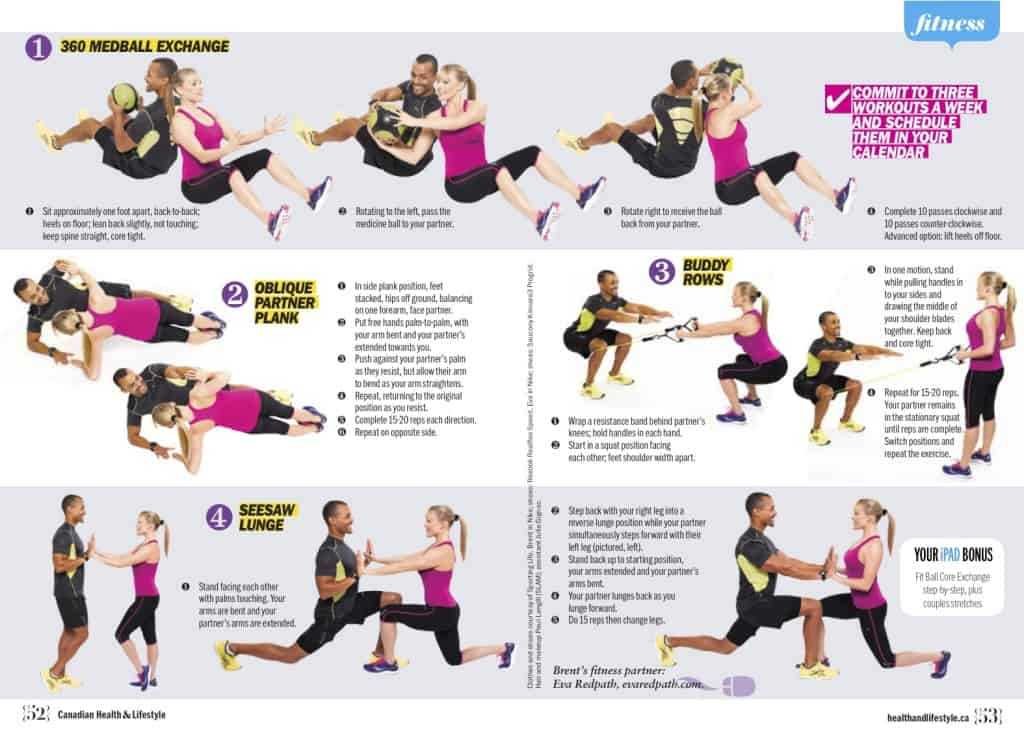
Effective partner workouts include a mix of strength training, cardiovascular exercises, and flexibility routines. Incorporate exercises like partner squats, medicine ball passes, rowing, push-up variations, and synchronized stretching. Combining different workout types keeps sessions engaging and targets various muscle groups, fostering overall fitness and teamwork between partners.
How should partners modify their schedule if one has limited time during the week?
If one partner has limited time, plan shorter sessions that focus on compound movements to maximize efficiency. Break workouts into quick 20-30 minute sessions, three to four times a week, focusing on different muscle groups or cardio. Prioritize quality over duration and consider incorporating bodyweight exercises or circuit training to maintain progress without requiring extensive time commitment.
What strategies help maintain motivation in a weekly partner fitness plan?
Set clear, achievable goals and track progress together to stay motivated. Celebrate milestones and encourage positive reinforcement. Mix up routines to keep workouts interesting and challenge each other with new exercises. Regularly communicate about preferences and progress, and schedule workouts at consistent times to create a steady routine that both partners look forward to.
How can partners prevent injuries while following a weekly workout schedule?
Warm up properly before each session and cool down afterward to prepare muscles and reduce soreness. Use correct form and start with manageable weights or intensities, gradually increasing as strength and confidence grow. Listen to each other’s feedback to avoid overexertion and ensure proper technique. Incorporate rest days for recovery and consider consulting a fitness professional to tailor routines safely.
Final Thoughts
A good weekly partner workout schedule balances intensity and rest, ensuring both partners stay motivated and avoid injury. Incorporate a mix of cardio, strength, and flexibility exercises to keep things engaging.
Alternating high-intensity sessions with recovery days promotes progress and sustains motivation. Clear goals and consistent communication help partners stay aligned and accountable.
What is a good weekly partner workout schedule? It provides variety, sets achievable targets, and allows time for recovery. A well-planned plan keeps both partners energized and committed to their fitness journey.
As an Amazon Associate, We earn from qualifying purchases. When you purchase a product through Amazon links on pulsefitguide.com, we may earn a small commission at no extra cost to you. This helps support the site and keep our content free.
