


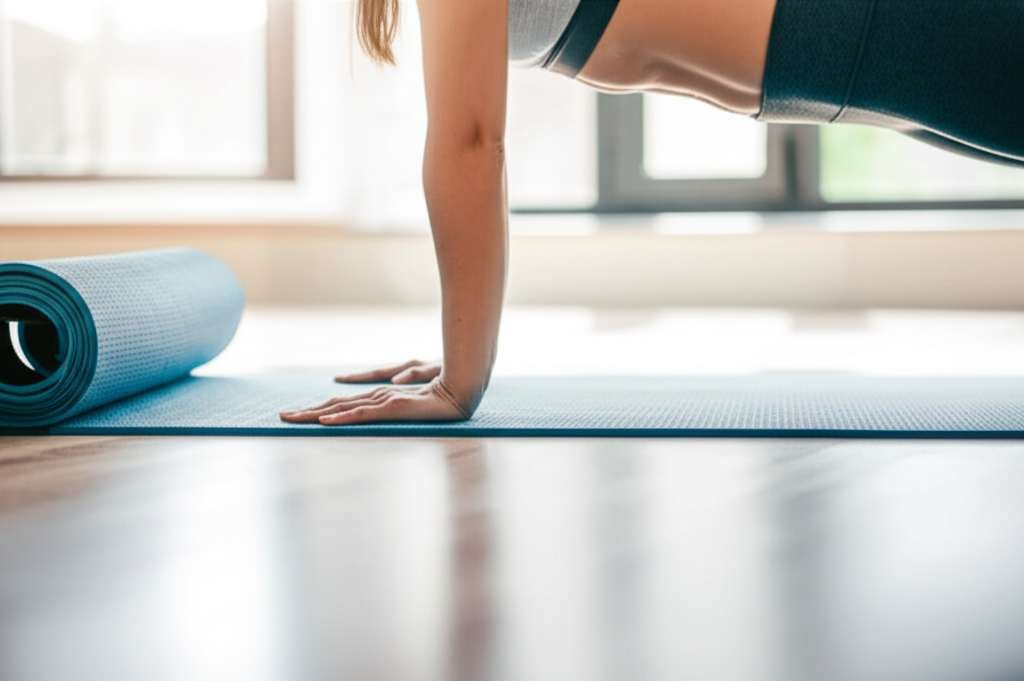
For a flatter stomach, incorporate these 7 simple morning ab exercises into your routine. This guide offers beginner-friendly, science-backed moves to sculpt your core effectively and build lasting habits for a healthier you.
Waking up and wanting to feel good in your own skin is a common goal. Many of us look in the mirror and wish for a flatter stomach, but the path to getting there can feel confusing. It’s easy to get overwhelmed by complicated workouts or strict diets.
But what if achieving a flatter stomach could be simpler? What if you could start your day with a few effective exercises that make a real difference?
This guide is here to break down exactly how to do that. We’ll focus on easy-to-follow, morning-friendly ab exercises that build strength and boost your confidence, step-by-step.
Get ready to discover a routine that fits into your busy schedule and helps you feel amazing!
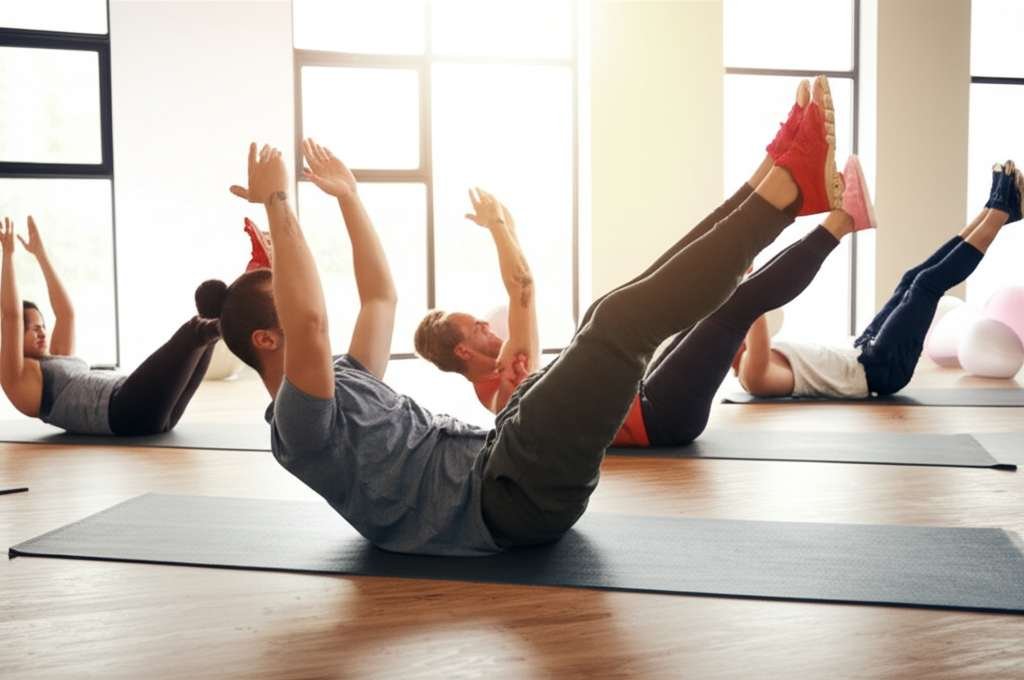
Why Morning Ab Exercises?
Starting your day with exercise, especially core-focused movements, offers a unique set of benefits. It’s not just about getting a workout in; it’s about setting a positive tone for your entire day.
Think of your morning routine as a chance to reset and energize. Doing ab exercises first thing can help wake up your body and mind. This can lead to increased alertness and better focus throughout the day. Plus, getting your workout done early means it won’t be forgotten later when life gets busy.
Many people find that a consistent morning routine, including targeted exercises, helps them feel more in control of their health and fitness journey. It’s a powerful way to invest in yourself before the demands of the day begin.
The Science Behind a Flat Stomach
Achieving a flat stomach isn’t just about doing endless crunches. It’s a combination of factors that work together. While targeted ab exercises strengthen your core muscles, overall body fat percentage plays a huge role in how visible those muscles are.
To reveal a flatter stomach, you need to reduce the layer of fat covering your abdominal muscles. This is primarily achieved through a calorie deficit – consuming fewer calories than your body burns. A balanced diet rich in whole foods, lean protein, and fiber is key. Coupled with regular physical activity, this helps your body tap into fat stores for energy.
Furthermore, strong core muscles contribute to better posture. When your core is strong, your spine is better supported, which can make your abdomen appear flatter and more toned, even before significant fat loss occurs. It’s about building a strong foundation from the inside out.
It’s important to remember that genetics also play a part in where your body stores fat. However, consistent healthy habits are the most effective way to influence your body composition and achieve your goals.
7 Essential Morning Ab Exercises for a Flat Stomach
These exercises are chosen for their effectiveness, beginner-friendliness, and suitability for a morning routine. They target different parts of your core, including your upper abs, lower abs, and obliques (side muscles). Remember to focus on proper form over speed or quantity.
1. The Plank
The plank is a fantastic exercise for building overall core strength and stability. It engages multiple muscle groups, including your abs, back, and shoulders.
How to do it:
- Start in a push-up position, but rest on your forearms instead of your hands.
- Your elbows should be directly under your shoulders, and your body should form a straight line from your head to your heels.
- Engage your abdominal muscles by pulling your belly button towards your spine.
- Keep your glutes squeezed and avoid letting your hips sag or rise too high.
- Hold this position for 20-60 seconds.
Beginner Tip: If a full plank is too challenging, drop to your knees. Ensure your body still forms a straight line from your head to your knees.
2. Bicycle Crunches
Bicycle crunches are excellent for targeting the oblique muscles, which help create a more sculpted waistline. They also work the rectus abdominis (the “six-pack” muscles).
How to do it:
- Lie on your back with your knees bent and feet flat on the floor.
- Place your hands lightly behind your head, keeping your elbows wide.
- Lift your shoulders and upper back slightly off the floor.
- Bring your right elbow towards your left knee as you extend your right leg straight out.
- Twist your torso so your upper body rotates.
- Switch sides, bringing your left elbow towards your right knee while extending your left leg.
- Continue alternating in a pedaling motion for 15-20 repetitions per side.
Beginner Tip: Focus on the twisting motion and controlled movements. Don’t rush through the reps.
3. Leg Raises
Leg raises are great for targeting the lower abdominal muscles, which can be harder to engage with traditional crunches.
How to do it:
- Lie on your back with your legs extended.
- Place your hands flat on the floor by your sides or slightly tucked under your lower back for support.
- Keeping your legs straight (or with a slight bend in the knees if needed), slowly lift them towards the ceiling until your hips are slightly raised off the floor.
- Lower your legs back down slowly, stopping just before they touch the floor.
- Repeat for 10-15 repetitions.
Beginner Tip: If lifting both legs is too difficult, try lifting one leg at a time. Focus on keeping your lower back pressed into the floor.
4. Russian Twists
Russian twists are another effective exercise for strengthening the obliques and improving rotational strength in your core.
How to do it:
- Sit on the floor with your knees bent and feet flat on the ground.
- Lean back slightly, keeping your back straight, so your torso is at about a 45-degree angle from the floor.
- Lift your feet a few inches off the floor if you can maintain good form (this is optional but makes it more challenging).
- Clasp your hands together in front of your chest.
- Twist your torso to the right, bringing your hands towards the floor next to your right hip.
- Twist back to the center, then to the left.
- Continue alternating sides for 15-20 repetitions per side.
Beginner Tip: You can keep your feet on the floor for stability. Focus on rotating your torso, not just moving your arms.
5. Bird Dog
The bird dog exercise is excellent for core stability and coordination, while also engaging your back muscles and glutes. It’s a low-impact move that’s great for building a strong foundation.
How to do it:
- Start on your hands and knees, with your hands directly under your shoulders and your knees directly under your hips.
- Keep your back straight and your core engaged.
- Simultaneously extend your right arm straight forward and your left leg straight back.
- Keep your hips level and avoid arching your back.
- Hold for a moment, then slowly return to the starting position.
- Repeat on the other side, extending your left arm and right leg.
- Perform 10-12 repetitions on each side.
Beginner Tip: Focus on slow, controlled movements. Imagine balancing a glass of water on your lower back to help maintain stability.
6. Crunches
The classic crunch is a fundamental exercise for targeting the rectus abdominis. While not the only exercise needed, it’s a valuable addition to any ab routine.
How to do it:
- Lie on your back with your knees bent and feet flat on the floor.
- Place your hands lightly behind your head, keeping your elbows wide, or cross them over your chest.
- Engage your abdominal muscles and lift your head and shoulders off the floor.
- Focus on contracting your abs, not pulling with your neck.
- Lower back down slowly and with control.
- Repeat for 15-20 repetitions.
Beginner Tip: Ensure your lower back stays pressed against the floor. Avoid jerky movements and focus on the squeeze in your abs.
7. Mountain Climbers
Mountain climbers are a dynamic exercise that gets your heart rate up while working your core. They mimic climbing and engage your abs, shoulders, and legs.
How to do it:
- Start in a high plank position, with your hands directly under your shoulders and your body in a straight line from head to heels.
- Engage your core.
- Bring your right knee towards your chest, keeping your hips low.
- Quickly switch legs, bringing your left knee towards your chest as you extend your right leg back.
- Continue alternating legs in a running motion, as if climbing a mountain.
- Perform for 30-60 seconds.
Beginner Tip: Start slowly to get the form right. Focus on keeping your hips stable and not bouncing too much.
Structuring Your Morning Ab Workout
Consistency is key when it comes to fitness. Here’s how you can structure these exercises into an effective morning routine.
Sample Workout Routine
This is a suggested routine that you can adjust based on your fitness level and available time. Aim to perform this routine 3-5 times per week.
| Exercise | Sets | Reps/Duration | Rest |
|---|---|---|---|
| Plank | 3 | Hold for 30-60 seconds | 30 seconds |
| Bicycle Crunches | 3 | 15-20 per side | 30 seconds |
| Leg Raises | 3 | 10-15 repetitions | 30 seconds |
| Russian Twists | 3 | 15-20 per side | 30 seconds |
| Bird Dog | 3 | 10-12 per side | 30 seconds |
| Crunches | 3 | 15-20 repetitions | 30 seconds |
| Mountain Climbers | 3 | 30-60 seconds | 30 seconds |
Progression and Modifications
As you get stronger, you can increase the duration of holds, the number of repetitions, or the number of sets. You can also decrease rest times.
Increase Difficulty: For exercises like planks and mountain climbers, you can increase the duration. For crunches and leg raises, increase the reps. For Russian twists, you can hold a light weight (like a water bottle or book).
Reduce Difficulty: If an exercise is too hard, use the beginner tips provided. You can also reduce the number of sets or reps. The goal is to perform the exercises correctly and build confidence.
The Importance of Nutrition and Lifestyle
While these morning ab exercises are fantastic for strengthening your core, they are most effective when combined with a healthy diet and overall healthy lifestyle. Remember, visible abs are often a result of lower body fat percentage.
Dietary Tips for a Flatter Stomach
Focus on Whole Foods: Eat plenty of fruits, vegetables, lean proteins, and whole grains. These provide essential nutrients and fiber, helping you feel full and satisfied.
Stay Hydrated: Drinking enough water is crucial for metabolism and can help reduce bloating. Aim for at least 8 glasses a day.
Limit Processed Foods and Sugary Drinks: These often contain empty calories and can contribute to weight gain and inflammation.
Mindful Eating: Pay attention to your hunger and fullness cues. Eat slowly and savor your meals.
Portion Control: Be aware of how much you are eating. Even healthy foods can lead to weight gain if consumed in excess.
For more information on building healthy eating habits, the U.S. Department of Agriculture’s ChooseMyPlate.gov offers excellent guidance on portion sizes and balanced meals.
Other Lifestyle Factors
Sleep: Aim for 7-9 hours of quality sleep per night. Lack of sleep can disrupt hormones that regulate appetite and metabolism.
Stress Management: Chronic stress can lead to increased cortisol levels, which can promote fat storage, especially around the abdomen. Find healthy ways to manage stress, such as meditation, yoga, or spending time in nature.
Cardiovascular Exercise: Incorporate cardio exercises like brisk walking, jogging, swimming, or cycling into your week. Cardio is highly effective for burning calories and reducing overall body fat. According to the American Heart Association, adults should aim for at least 150 minutes of moderate-intensity aerobic activity per week.
Frequently Asked Questions (FAQ)
Q1: How quickly can I expect to see results from these morning ab exercises?
Results vary greatly depending on individual factors like genetics, diet, consistency, and starting fitness level. You might start feeling stronger in your core within a couple of weeks. Visible changes to your stomach appearance, however, will depend more on reducing body fat through diet and overall activity, which can take several weeks to months of consistent effort.
Q2: What if I have back pain? Can I still do these exercises?
It’s always best to consult with a doctor or physical therapist before starting any new exercise program, especially if you have existing pain. Some exercises, like planks and bird-dog, can be beneficial for back pain when done correctly. However, exercises like leg raises might need modification or to be avoided if they aggravate your pain. Listen to your body and prioritize proper form.
Q3: Can I do these exercises every day?
While it’s good to be consistent, your abdominal muscles, like all muscles, need time to recover and repair. Doing these exercises 3-5 times per week, with rest days in between, is generally recommended for optimal results and to prevent overtraining. You can do other forms of light activity or stretching on your rest days.
Q4: Do I need any equipment for these exercises?
No, these 7 morning ab exercises are designed to be done using just your body weight. You don’t need any special equipment. A comfortable mat can be helpful for cushioning your back and joints, but it’s not essential.
Q5: I’m a complete beginner. Where should I start?
Start with the beginner tips provided for each exercise. Focus on mastering the form for each movement before trying to increase reps, sets, or duration. It’s better to do fewer perfect reps than many sloppy ones. Gradually build up your endurance and strength over time. Don’t be afraid to modify exercises as needed.
Q6: What’s the best time of day to do these exercises?
The best time is whenever you can be consistent! Morning is often recommended because it sets a positive tone for the day and ensures the workout gets done. However, if your schedule is different, an evening or afternoon workout is perfectly fine. The most important factor is finding a time that works for you long-term.
Conclusion
Transforming your midsection and working towards a flatter stomach is a journey that combines smart exercise, mindful eating, and healthy lifestyle habits. The 7 morning ab exercises we’ve explored are your allies in building a strong, toned core, right from the start of your day.
Remember, consistency is your superpower. By integrating these simple yet effective movements into your morning routine, you’re not just working your abs; you’re investing in your overall health, confidence, and well-being.
Don’t get discouraged if progress feels slow. Every rep, every healthy meal choice, and every good night’s sleep moves you closer to your goals. Celebrate the small victories, listen to your body, and keep showing up for yourself. You’ve got this!
As an Amazon Associate, We earn from qualifying purchases. When you purchase a product through Amazon links on pulsefitguide.com, we may earn a small commission at no extra cost to you. This helps support the site and keep our content free.
