


Quick Summary:
Kickstart your day with 7 essential morning home workouts for women! These simple, effective routines require no equipment, boost energy, and support weight loss. Get ready to feel stronger and more confident every morning.
Starting your day with movement can feel like a huge hurdle, especially when you’re just beginning your fitness journey. Many women find it tough to fit exercise into busy schedules, or they feel overwhelmed by complicated workout plans.
But what if you could get a fantastic workout right in your own home, before the day even truly begins? It’s not as hard as it sounds!
This guide is here to make it simple. We’ll walk through 7 essential morning home workouts designed just for women, focusing on exercises that are easy to do, incredibly effective, and perfect for building a consistent, healthy habit.
Let’s explore how you can energize your mornings and take a confident step towards your wellness goals, all without leaving your living room.

Why Morning Workouts Are a Game-Changer for Women
Waking up and getting your workout done early has some amazing benefits. It sets a positive tone for your entire day, helping you feel more focused and productive. Plus, your metabolism might get a nice little boost right from the start!
For women, consistency is key when it comes to health and weight management. Morning workouts can help build that consistency because they happen before unexpected tasks or fatigue can derail your plans. Think of it as prioritizing yourself before anything else demands your attention.
Getting your exercise in the morning can also help improve your sleep quality later on. When you expend energy during the day, your body is better prepared to rest at night. This creates a healthy cycle that supports overall well-being and can be a significant aid in weight loss efforts.
7 Essential Morning Home Workouts for Women
These workouts are designed to be accessible for beginners, requiring no special equipment. You can do them in a small space, and they target different parts of your body to give you a well-rounded start to your day.
1. The Energizing Full-Body Circuit
This circuit combines a few key movements to get your heart rate up and engage multiple muscle groups. It’s a fantastic way to wake up your entire body and boost your metabolism for the day ahead.
How to do it:
- Jumping Jacks: Start with 30 seconds. Stand with your feet together and arms at your sides. Jump your feet apart while raising your arms overhead. Jump back to the starting position.
- Squats: Do 10-12 repetitions. Stand with your feet shoulder-width apart. Lower your hips as if sitting in a chair, keeping your chest up and back straight. Push back up to the starting position.
- Push-ups (on knees or toes): Aim for 8-10 repetitions. Place your hands slightly wider than shoulder-width apart. Lower your chest towards the floor, keeping your body in a straight line. Push back up. If regular push-ups are too difficult, do them on your knees.
- Lunges: Perform 10-12 repetitions per leg. Step forward with one leg and lower your hips until both knees are bent at a 90-degree angle. Your front knee should be directly above your ankle, and your back knee should hover just off the floor. Push off your front foot to return to the start. Alternate legs.
- Plank: Hold for 30-60 seconds. Get into a push-up position, but rest on your forearms instead of your hands. Keep your body in a straight line from head to heels, engaging your core.
Repeat the entire circuit 2-3 times, with 30-60 seconds of rest between each round. This circuit is great for building strength and endurance. For more on the benefits of strength training, check out resources from the National Institute on Aging.
2. The Core Crusher: 5-Minute Plank Challenge
A strong core is essential for good posture, reducing back pain, and improving overall stability. This short but intense plank challenge will wake up your abdominal muscles and leave you feeling strong.
How to do it:
- Standard Plank: Hold for 60 seconds. Position yourself on your forearms and toes, keeping your body in a straight line. Engage your core and glutes.
- Side Plank (Right): Hold for 30 seconds. Lie on your right side, propped up on your right forearm. Stack your feet and lift your hips, forming a straight line from head to heels.
- Side Plank (Left): Hold for 30 seconds. Repeat on your left side.
- Forearm Plank with Hip Dips: Perform 10-12 dips. In a forearm plank position, gently lower your right hip towards the floor, then return to center. Alternate sides, dipping your left hip.
- Reverse Plank: Hold for 30 seconds. Sit on the floor with your legs extended. Place your hands behind you, fingers pointing towards your feet. Lift your hips and chest, creating a straight line from your shoulders to your ankles.
Take short breaks of about 15 seconds between each exercise if needed. This challenge is a quick way to build core strength and endurance. Remember to listen to your body and modify as needed. If you’re new to planks, starting with shorter holds and gradually increasing the time is perfectly fine. Resources on core strength from Mayo Clinic can provide further insights.
3. The Heart-Pumping Cardio Blast
Getting your heart rate up in the morning is a fantastic way to boost your energy levels and burn calories. This cardio blast is designed to be short, sweet, and effective, leaving you feeling invigorated.
High-Intensity Interval Training (HIIT) Style:
Perform each exercise for 45 seconds, followed by 15 seconds of rest. Complete 2-3 rounds.
- High Knees: Run in place, bringing your knees up towards your chest as high as possible. Pump your arms for momentum.
- Butt Kicks: Run in place, kicking your heels up towards your glutes.
- Mountain Climbers: Start in a plank position. Bring one knee towards your chest, then quickly switch legs, as if you’re running in place.
- Burpees (modified if needed): From a standing position, drop into a squat, place your hands on the floor, jump your feet back into a plank, jump your feet forward to a squat, and then jump up. To modify, step your feet back and forward instead of jumping, and skip the final jump.
This HIIT workout is a powerful way to improve cardiovascular health and burn calories efficiently. For a deeper dive into the science behind HIIT, you can explore articles from the National Center for Biotechnology Information (NCBI).
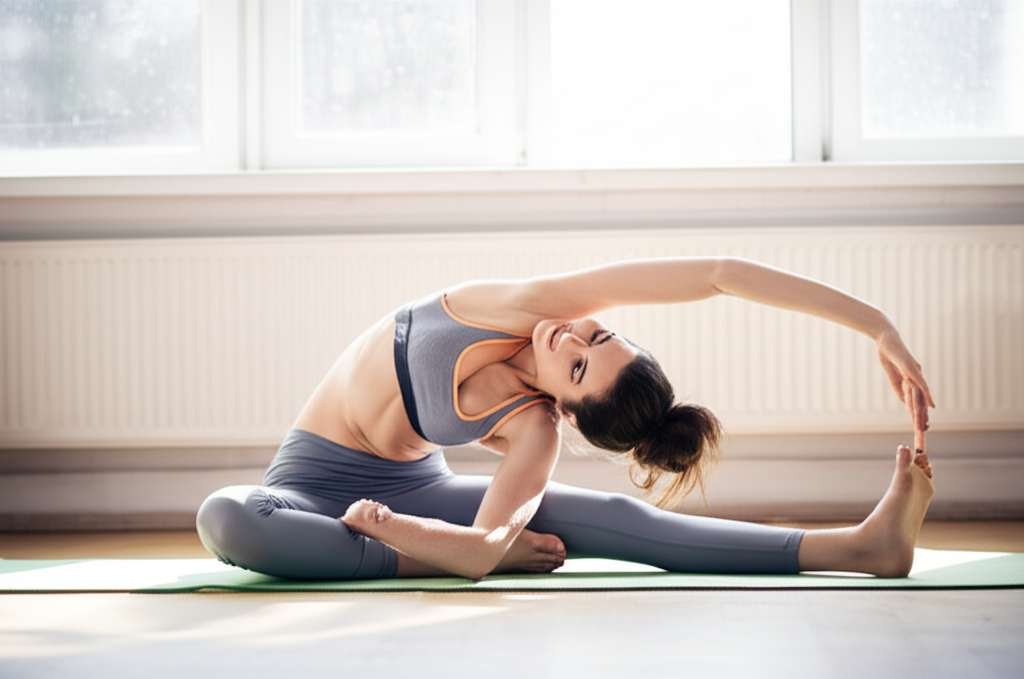
4. The Flexibility & Flow: Morning Yoga Stretch
After a night’s sleep, your muscles can feel stiff. A gentle yoga stretch routine can improve your flexibility, reduce tension, and calm your mind, preparing you for a peaceful day.
Sequence:
- Cat-Cow Pose: Start on your hands and knees. Inhale, drop your belly, arch your back, and look up (Cow pose). Exhale, round your spine, tuck your chin to your chest, and draw your navel in (Cat pose). Repeat 5-8 times.
- Downward-Facing Dog: From hands and knees, tuck your toes, lift your hips up and back, forming an inverted V-shape. Keep your head between your arms and press your heels towards the floor. Hold for 5 breaths.
- Child’s Pose: From hands and knees, bring your big toes to touch and widen your knees. Sink your hips back towards your heels and rest your forehead on the floor. Extend your arms forward or rest them alongside your body. Hold for 5-8 breaths.
- Cobra Pose (gentle): Lie on your stomach with your hands under your shoulders. Gently press into your hands to lift your chest off the floor, keeping your hips on the ground. Feel a gentle stretch in your abdomen. Hold for 3 breaths, then lower. Repeat 2-3 times.
- Seated Forward Bend: Sit with your legs extended. Inhale to lengthen your spine. Exhale and hinge at your hips, reaching your hands towards your feet. Don’t worry if you can’t touch your toes; focus on a gentle stretch in your hamstrings. Hold for 5 breaths.
This yoga sequence is perfect for improving mobility and promoting relaxation. It’s a wonderful way to connect with your body and start the day with mindfulness. For more on the benefits of yoga, explore resources from National Center for Complementary and Integrative Health (NCCIH).
5. The Strength Builder: Bodyweight Strength Moves
Building lean muscle mass is crucial for boosting your metabolism and shaping your body. These bodyweight exercises are effective for strengthening your muscles without needing any weights.
Workout Structure:
Perform 2-3 sets of 10-15 repetitions for each exercise. Rest for 45-60 seconds between sets.
- Glute Bridges: Lie on your back with your knees bent and feet flat on the floor, hip-width apart. Squeeze your glutes and lift your hips off the floor until your body forms a straight line from your shoulders to your knees. Hold briefly at the top, then lower slowly.
- Wall Sit: Stand with your back against a wall. Slide down until your knees are bent at a 90-degree angle, as if sitting in a chair. Keep your back flat against the wall. Hold for 30-60 seconds.
- Triceps Dips (using a sturdy chair or step): Sit on the edge of a sturdy chair or step, hands gripping the edge next to your hips, fingers pointing forward. Slide your hips off the chair. Lower your body by bending your elbows, keeping your back close to the chair. Push back up to the starting position.
- Calf Raises: Stand with your feet hip-width apart. Slowly rise onto the balls of your feet, lifting your heels as high as possible. Hold for a second, then slowly lower your heels back down.
- Bird-Dog: Start on your hands and knees. Extend your right arm straight forward and your left leg straight back simultaneously, keeping your core engaged and your back flat. Hold for a moment, then return to the starting position. Repeat on the opposite side. That’s one repetition.
These exercises target major muscle groups and are excellent for building a foundation of strength. Consistency with these moves will help improve your body composition over time.
6. The Quick Energy Boost: 10-Minute Cardio & Core Combo
Sometimes you need a quick burst of energy to get going. This 10-minute routine combines cardio to wake you up with core work to build stability.
Circuit: Perform each exercise for 1 minute, then rest for 30 seconds before moving to the next. Repeat the circuit twice.
- Jumping Jacks
- High Knees
- Plank
- Butt Kicks
- Crunches: Lie on your back with your knees bent and feet flat on the floor. Place your hands behind your head or across your chest. Engage your abdominal muscles and lift your shoulders off the floor. Lower slowly.
This rapid routine is perfect for days when you’re short on time but still want to feel the benefits of a good workout. It’s a great way to get your blood flowing and your mind engaged.
7. The Gentle Wake-Up: Dynamic Stretching Routine
Before jumping into more intense exercises, it’s beneficial to prepare your body with dynamic stretches. These are active movements that warm up your muscles and joints, improving range of motion and reducing injury risk.
Routine: Perform 10-12 repetitions of each movement.
- Arm Circles: Stand with your feet shoulder-width apart. Make small circles with your arms, gradually increasing the size. Do 10 forward circles and 10 backward circles.
- Leg Swings (forward and backward): Stand tall and hold onto a wall or sturdy furniture for balance. Swing one leg forward and backward in a controlled motion. Do 10-12 swings per leg.
- Leg Swings (side to side): Facing the wall or furniture for support, swing one leg across your body and then out to the side. Do 10-12 swings per leg.
- Torso Twists: Stand with your feet shoulder-width apart, knees slightly bent. Gently twist your torso from side to side, letting your arms swing loosely. Keep your hips relatively stable.
- Hip Circles: Stand with your feet hip-width apart. Place your hands on your hips and make large circles with your hips, as if hula-hooping. Do 10 circles in each direction.
Incorporating dynamic stretching can significantly enhance your workout performance and prevent common workout-related injuries. It’s a foundational step for any fitness routine. For more information on the importance of warm-ups, consult resources from the American Medical Society for Sports Medicine.
Getting Started: Tips for Success
Starting a new workout routine can be exciting, but it’s also important to set yourself up for success. Here are some tips to make your morning workouts a consistent and enjoyable part of your life.
Consistency Over Intensity
When you’re a beginner, focusing on showing up is more important than pushing yourself to the absolute limit. Aim to complete your chosen workout most days of the week, even if it’s just for a shorter duration than planned. Building the habit is the first major win.
Listen to Your Body
Your body will give you signals. If something feels like sharp pain, stop. Soreness is normal, especially when you’re starting, but listen to your body’s feedback. Rest days are just as crucial as workout days for recovery and muscle growth.
Hydration is Key
Drink a glass of water before your workout. This helps rehydrate your body after sleep and can boost your energy levels. Staying hydrated throughout the day is also vital for overall health and weight management.
Prepare the Night Before
Lay out your workout clothes, set your alarm, and have your water bottle ready. Removing any potential obstacles the night before makes it much easier to roll out of bed and get moving in the morning.
Find What You Enjoy
The best workout is the one you’ll actually do! Don’t be afraid to mix and match these workouts or try variations to find what you enjoy most. If you dread a particular exercise, find an alternative that works similar muscles.
Sample Weekly Morning Workout Schedule
Here’s a sample schedule to help you get started. Remember, this is just a template, and you can adjust it based on your energy levels and preferences.
| Day | Focus | Workout Example | Duration |
|---|---|---|---|
| Monday | Full Body Strength | Energizing Full-Body Circuit (2 rounds) | 15-20 minutes |
| Tuesday | Cardio & Core | 10-Minute Cardio & Core Combo (2 rounds) | 10 minutes |
| Wednesday | Flexibility & Active Recovery | Morning Yoga Stretch | 10-15 minutes |
| Thursday | Lower Body & Core Focus | Bodyweight Strength Moves (Glute Bridges, Wall Sit, Calf Raises) | 15-20 minutes |
| Friday | Cardio Blast | Heart-Pumping Cardio Blast (2 rounds) | 15-20 minutes |
| Saturday | Core Strength | Core Crusher: 5-Minute Plank Challenge | 5-7 minutes |
| Sunday | Rest or Light Activity | Gentle Dynamic Stretching, walk | 10-15 minutes |
This schedule provides a good mix of strength, cardio, and flexibility while ensuring you have rest days. Adjust the intensity and duration as you get fitter.
Common Beginner Questions About Morning Workouts
Q1: How much time do I really need for a morning workout?
You don’t need hours! Even 10-20 minutes of focused movement can make a significant difference in your energy and metabolism. The key is consistency, not duration.
Q2: What if I’m not a morning person?
It takes time to adjust your body clock. Start with shorter workouts and set your alarm just 15-20 minutes earlier. Gradually increase the time as you feel more comfortable. Having your workout clothes ready can be a big motivator.
Q3: I feel tired when I wake up. Will working out make me more tired?
Initially, it might feel that way, but consistent morning exercise often leads to increased energy levels throughout the day and better sleep at night. The key is to start gently and allow your body to adapt. Hydration also plays a big role in combating morning fatigue.
Q4: Do I need special workout clothes or shoes for home workouts?
Not necessarily, especially for the beginner workouts listed here. Comfortable clothing that allows you to move freely is sufficient. For exercises like jumping jacks or high knees, supportive shoes can help prevent impact on your feet and joints, but for many moves, bare feet or socks are fine.
Q5: How do I know if I’m doing the exercises correctly?
Focus on form over speed or the number of repetitions. Watch videos of the exercises if you’re unsure. Many reputable fitness channels on platforms like YouTube offer excellent demonstrations. It’s also helpful to do the moves in front of a mirror initially to check your posture and alignment.
Q6: What should I eat before and after a morning workout?
For shorter, less intense workouts, you might not need to eat beforehand. If you feel hungry or are doing a longer session, a small, easily digestible snack like half a banana or a few crackers about 30-60 minutes before can help. After your workout, aim for a balanced meal or snack that includes protein and carbohydrates to aid recovery.
Q7: How long will it take to see results?
Results vary from person to person based on genetics, diet, and consistency. You’ll likely feel more energetic and mentally clearer within the first week or two. Visible changes in strength and body composition usually start to appear within 4-8 weeks of consistent effort.
Conclusion
Embracing morning home workouts is a powerful step towards a healthier, more energetic you. These 7 essential routines are designed to be accessible, effective, and sustainable, even for beginners.
By incorporating these simple yet impactful exercises into your morning, you’re not just working out; you’re building a habit of self-care that pays dividends throughout your entire day. Remember to listen to your body, stay consistent, and celebrate your progress, no matter how small it may seem.
You’ve got this! With a little dedication and the right approach, you can transform your mornings and unlock a more confident, vibrant you. Start today and feel the difference!
As an Amazon Associate, We earn from qualifying purchases. When you purchase a product through Amazon links on pulsefitguide.com, we may earn a small commission at no extra cost to you. This helps support the site and keep our content free.
