


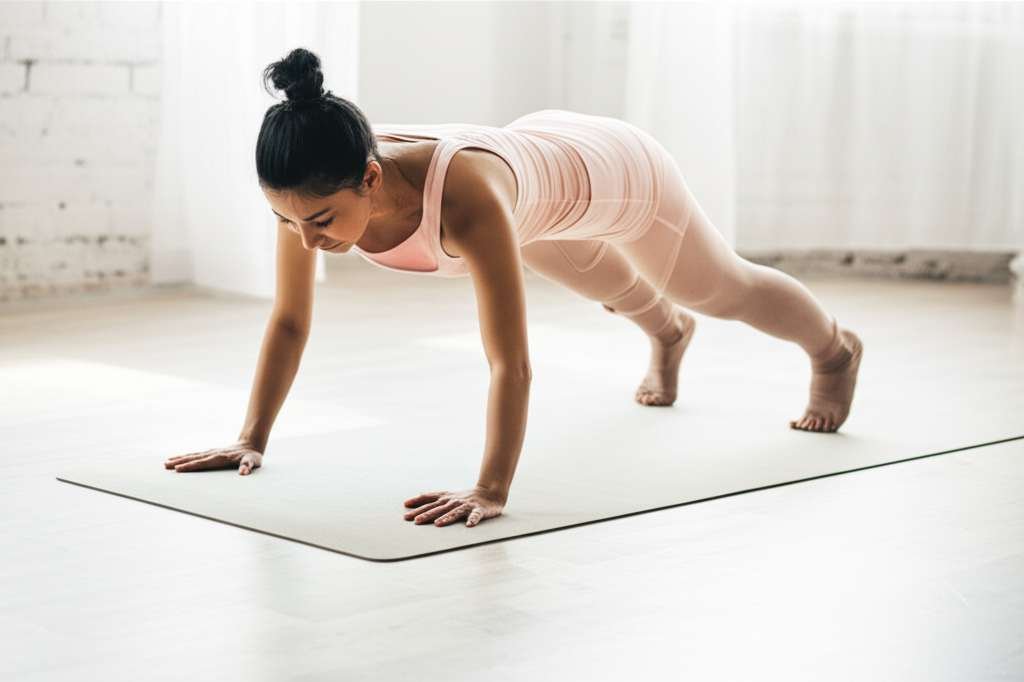
Discover 5 simple morning yoga poses to energize your day, boost your mood, and build a gentle strength, perfect for beginners. Start your day with effortless power and feel amazing from the inside out!
Feeling sluggish in the morning? You’re not alone. Many of us struggle to shake off sleepiness and get our day started with energy. It can feel like a constant battle against the snooze button.
But what if there was a simple, accessible way to wake up your body and mind gently? A way to feel more focused, flexible, and ready to tackle whatever comes your way?
Yoga offers just that. And the best part? You don’t need to be a seasoned yogi to feel its benefits. We’ll walk you through five easy poses that are perfect for beginners, designed to give you a dose of “effortless beginner power” every morning.
Why Morning Yoga is Your New Best Friend
Starting your day with a few yoga poses can make a huge difference. It’s like giving your body a gentle alarm clock, signaling it’s time to wake up and get moving. This isn’t about intense workouts; it’s about creating a positive ritual.
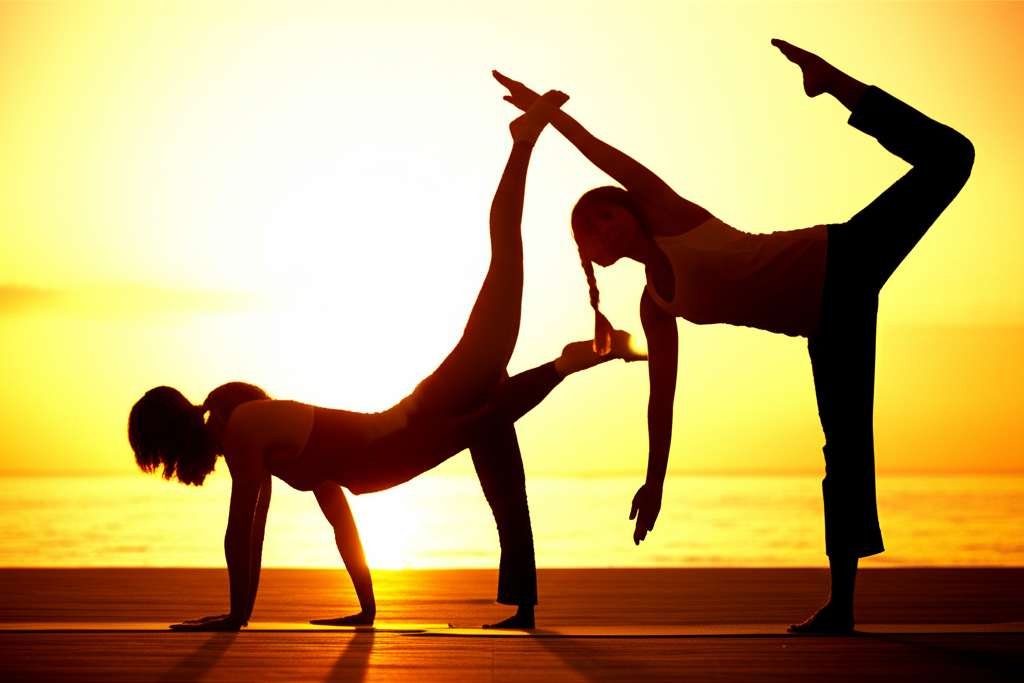
Regular morning yoga can help improve your mood, increase flexibility, and even boost your metabolism slightly. It sets a calm and positive tone for the rest of your day. Think of it as a personal reset button before the world starts demanding your attention.
This practice can help reduce stress and anxiety, making you feel more centered and in control. You’ll discover a newfound sense of energy and clarity, all before you even have your first cup of coffee!
Your 5 Effortless Morning Yoga Exercises
These five poses are chosen for their simplicity and effectiveness for beginners. They require minimal space and can be done right after waking up, even before you get out of bed for some!
1. Cat-Cow Pose (Marjaryasana-Bitilasana)
This is a fantastic pose for warming up your spine and connecting with your breath. It’s like a gentle massage for your back and a great way to increase flexibility.
How to do it:
- Start on your hands and knees in a tabletop position. Make sure your wrists are directly under your shoulders and your knees are under your hips.
- As you inhale, drop your belly towards the mat, arch your back, and lift your head and tailbone towards the ceiling (Cow Pose).
- As you exhale, round your spine towards the ceiling, tuck your chin towards your chest, and draw your navel in towards your spine (Cat Pose).
- Continue flowing between these two poses for 5-10 breaths, synchronizing your movement with your breath.
Benefits: Gently massages the spine, stretches the torso, and encourages a connection between breath and movement. It’s also great for improving posture.
2. Downward-Facing Dog (Adho Mukha Svanasana)
This is a foundational yoga pose that offers a full-body stretch. It’s energizing and can help relieve tension in the shoulders and neck.
How to do it:
- From your tabletop position, tuck your toes under and lift your hips up and back, forming an inverted “V” shape with your body.
- Press firmly through your hands, spreading your fingers wide. Your head should hang loosely between your arms.
- You can keep a slight bend in your knees if your hamstrings feel tight, and gradually work towards straightening them.
- Let your heels relax towards the mat. Hold for 5-8 breaths, feeling the stretch along your spine and the back of your legs.
Benefits: Stretches the entire body, strengthens arms and legs, calms the mind, and can help relieve mild back pain. It’s also known to boost energy levels.
3. Child’s Pose (Balasana)
This is a resting pose that is incredibly calming and restorative. It’s perfect for a moment of quiet reflection or to simply catch your breath between more active poses.
How to do it:
- From tabletop, bring your big toes to touch and widen your knees slightly apart.
- Sit your hips back towards your heels.
- Fold your torso forward, resting your forehead on the mat. Your arms can be stretched out in front of you, or you can rest them alongside your body with palms facing up.
- Breathe deeply and relax into the pose for at least 5 breaths, or as long as you need.
Benefits: Gently stretches the hips, thighs, and ankles while releasing tension in the back and neck. It promotes relaxation and mindfulness.
4. Mountain Pose with Arm Raises (Tadasana with Urdhva Hastasana)
Mountain Pose is the foundation for many standing poses. Adding arm raises makes it a gentle way to open up your chest and shoulders, and to feel grounded and tall.
How to do it:
- Stand with your feet hip-width apart or together, whichever feels more stable. Distribute your weight evenly through your feet.
- Let your arms hang loosely by your sides, palms facing forward. Engage your leg muscles gently and lengthen your spine.
- As you inhale, sweep your arms out to the sides and then up overhead, palms facing each other or your hands clasped. Reach towards the sky.
- As you exhale, gently lower your arms back down to your sides. Repeat this arm raise 5-8 times.
Benefits: Improves posture, builds awareness of your body, and gently stretches the sides of your torso and shoulders. It helps to create a sense of grounding and presence. For more on posture, explore resources from the National Health Service (NHS) on correcting common posture mistakes.
5. Seated Forward Fold (Paschimottanasana) – Modified
This pose is excellent for stretching the hamstrings and the entire back side of your body. For beginners, it’s important to modify it to avoid strain.
How to do it:
- Sit on the floor with your legs extended straight out in front of you.
- You can sit on the edge of a folded blanket or cushion to tilt your pelvis forward, which helps lengthen your spine.
- Inhale and lengthen your spine, reaching your chest forward.
- Exhale and gently hinge forward from your hips, reaching your hands towards your feet. Don’t worry about touching your toes! You can rest your hands on your shins, ankles, or even the floor beside your legs.
- Keep a soft bend in your knees if your hamstrings feel tight. Focus on lengthening your spine rather than rounding your back.
- Hold for 5-8 breaths, feeling a gentle stretch in your hamstrings and back.
Benefits: Stretches the hamstrings, calves, and spine. It can help calm the mind and relieve stress. This modified version makes it accessible for most beginners.
Making it a Habit: Tips for Success
Consistency is key when building any new habit, and morning yoga is no exception. Here are some tips to help you make these exercises a regular part of your routine:
- Start Small: Even 5-10 minutes of yoga is beneficial. Don’t feel pressured to do a long session.
- Prepare the Night Before: Lay out your yoga mat and comfortable clothes so you can just roll out of bed and start.
- Find Your “Why”: Remind yourself why you’re doing this. Is it for more energy, less stress, or better flexibility?
- Be Patient and Kind to Yourself: Some days will feel easier than others. That’s perfectly okay! Celebrate small victories.
- Listen to Your Body: Never push into pain. Modify poses as needed.
Benefits of a Morning Yoga Routine at a Glance
Integrating these simple exercises into your morning can bring a wealth of benefits. Here’s a quick look at what you can expect:
| Benefit | Description |
|---|---|
| Increased Energy | Gentle movement wakes up your body and mind, combating morning grogginess. |
| Improved Mood | Yoga can help release endorphins, boosting your overall sense of well-being. |
| Enhanced Flexibility | Regular stretching helps to loosen tight muscles and improve range of motion. |
| Reduced Stress | The focus on breath and mindful movement can calm the nervous system. |
| Better Posture | Strengthening core muscles and increasing spinal awareness contributes to better posture. |
| Mindfulness | Starting the day with a mindful practice can lead to greater focus and presence. |
For more information on the science behind yoga and its mental health benefits, you can refer to resources from reputable organizations like the National Center for Biotechnology Information (NCBI), which often publishes studies on the subject.
Frequently Asked Questions About Morning Yoga for Beginners
Q1: How long should I practice morning yoga?
For beginners, even 5-10 minutes can be incredibly beneficial. As you get more comfortable, you can gradually increase the duration to 15-20 minutes.
Q2: Do I need special equipment for morning yoga?
Not at all! A comfortable surface is all you need. A yoga mat is helpful for grip and cushioning, but you can also use a rug or a carpeted floor. Comfortable clothing that allows you to move freely is also recommended.
Q3: What if I’m not flexible? Can I still do these poses?
Absolutely! These poses are designed for beginners and can be modified. The goal isn’t to be perfectly flexible, but to gently encourage flexibility over time. Listen to your body and don’t force any movements.
Q4: When is the best time to do morning yoga?
The best time is whenever you can fit it in consistently. Many people find it easiest to do right after waking up, before starting their day’s activities.
Q5: What if I feel tired or groggy?
That’s completely normal! The gentle movement and breathwork in yoga are designed to help wake you up. If you feel very tired, you can spend a little longer in Child’s Pose or focus on slower, deeper breaths.
Q6: Can morning yoga help with weight loss?
While these specific poses are more about gentle waking and flexibility, a consistent yoga practice, combined with a healthy diet, can support weight management by reducing stress (which can lead to emotional eating) and increasing body awareness. For comprehensive weight loss strategies, consider consulting with a health professional.
Q7: What should I do if I feel dizzy or lightheaded?
If you feel dizzy, gently come out of the pose and rest. Make sure you are breathing deeply and evenly. If dizziness persists, it’s best to stop and consult with a healthcare provider.
Conclusion
Embarking on a morning yoga practice doesn’t require advanced skills or hours of your time. By incorporating these five effortless exercises into your routine, you can cultivate a sense of calm, boost your energy, and gently awaken your body and mind.
Remember, the journey is about progress, not perfection. Be patient with yourself, celebrate your efforts, and enjoy the profound, positive impact that a simple morning yoga practice can have on your day and your overall well-being. You’ve got this!
As an Amazon Associate, We earn from qualifying purchases. When you purchase a product through Amazon links on pulsefitguide.com, we may earn a small commission at no extra cost to you. This helps support the site and keep our content free.
