


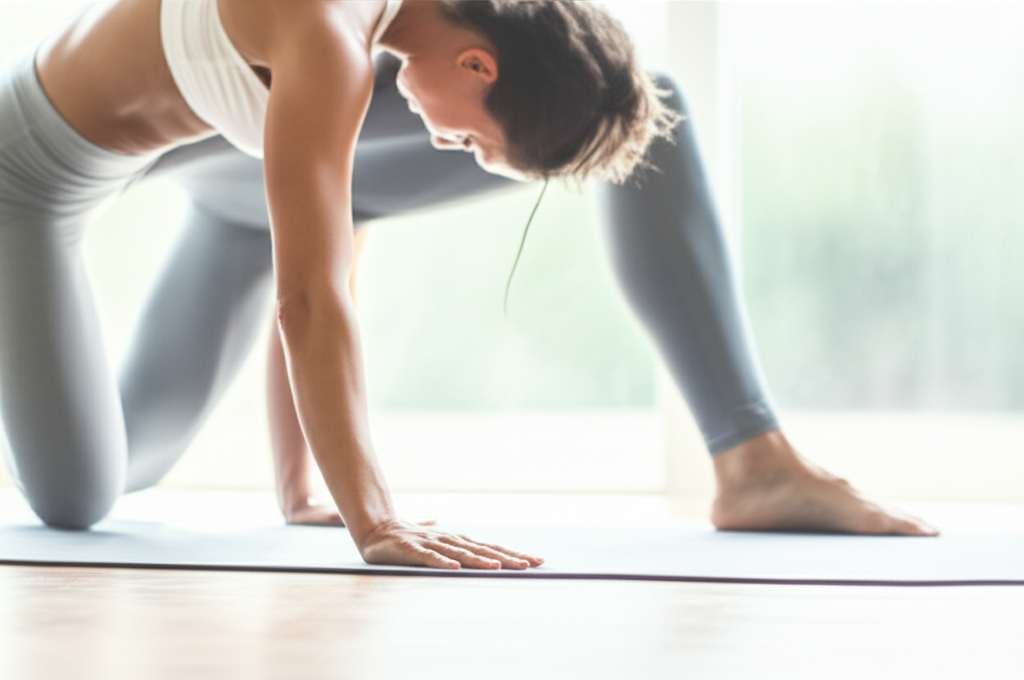
Discover 20 yoga flows designed for effortless fat reduction. This beginner-friendly guide simplifies how specific yoga sequences can boost metabolism, build lean muscle, and support your weight loss journey, making it accessible and motivating for everyone.
Feeling like shedding a few pounds is a puzzle you just can’t solve? You’re not alone. Many of us find weight loss confusing, with so many different diets and exercise plans out there. It can feel overwhelming, right?
But what if there was a gentle, yet powerful way to help your body naturally reduce fat? Yoga offers just that – a way to connect with your body, build strength, and support your metabolism without the high impact or strict routines.
This guide is here to break it all down for you. We’ll explore 20 yoga flows, explaining in simple terms how they can help you on your journey to a healthier you. Get ready to feel more energized and confident!
Understanding How Yoga Helps With Fat Reduction
Yoga might seem like just stretching, but it’s much more! Certain yoga poses and sequences, when practiced regularly, can actually help your body become more efficient at burning calories and reducing fat. It’s not about punishing yourself; it’s about moving your body in a way that makes it stronger and healthier.
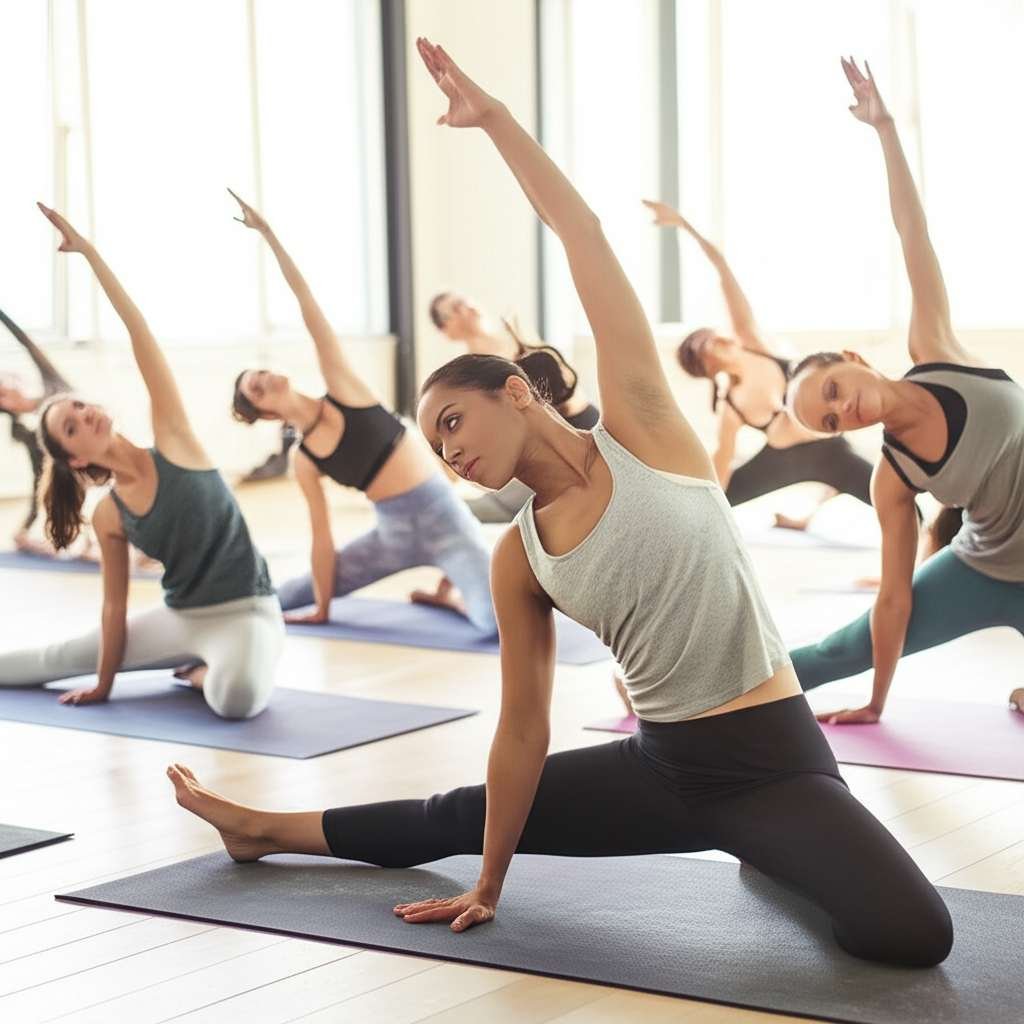
Think of it like this: when you engage your muscles, especially during more challenging poses or dynamic flows, you’re building lean muscle mass. More muscle means your body burns more calories even when you’re resting. Yoga also helps manage stress, which can be a big factor in weight gain and fat storage.
The key is consistency and choosing the right movements. We’ll dive into specific flows that target different areas and boost your overall metabolic rate, making fat reduction feel more achievable and less like a chore.
The Science Behind Yoga and Metabolism
It’s fascinating how yoga can influence your metabolism. When you practice yoga, you increase your heart rate, which burns calories. Certain poses, especially those that involve holding your body weight or engaging multiple muscle groups, build muscle. As your muscle mass increases, your resting metabolic rate goes up, meaning you burn more calories 24/7. This is a cornerstone of sustainable fat loss, according to the National Institutes of Health (NIH).
Furthermore, yoga is renowned for its stress-reducing benefits. Chronic stress elevates cortisol levels, a hormone that can promote fat storage, particularly around the abdomen. By calming your nervous system, yoga helps regulate cortisol, which can indirectly aid in fat reduction. A National Center for Complementary and Integrative Health (NCCIH) article highlights yoga’s role in stress management.
Finally, a mindful practice like yoga can improve your body awareness. This often leads to making healthier food choices and becoming more attuned to your body’s hunger and fullness cues, supporting a holistic approach to weight management.
Key Principles of Yoga for Fat Reduction
To get the most out of yoga for fat reduction, it’s helpful to understand a few core principles. These aren’t complicated rules, but rather smart ways to approach your practice to maximize its benefits for your body.
Focusing on dynamic movements that link breath with motion is crucial. This is what we call a “flow.” These flows get your blood pumping, build heat in your body, and engage your muscles effectively. Holding poses (asanas) for a decent amount of time also builds strength and endurance.
Don’t forget about your breath! Deep, conscious breathing (pranayama) not only calms you but also oxygenates your body, which is essential for energy production and muscle function. Combining these elements makes your yoga practice a powerful tool for fat loss.
Incorporating Strength-Building Poses
While gentle yoga can be great for relaxation, for fat reduction, we want to incorporate poses that challenge your muscles. Think about poses where you support your own body weight, like Plank Pose, Warrior poses, or Chair Pose. These build lean muscle, which, as we discussed, boosts your metabolism.
Holding these poses for longer durations, or repeating them in a flow, increases their effectiveness. It’s about building functional strength that carries over into your daily life. Stronger muscles mean a more efficient body, ready to burn more calories.
The Role of Dynamic Movement and Vinyasa
Vinyasa, often called “flow” yoga, is particularly effective. This style links breath with movement, flowing from one pose to the next. This continuous motion elevates your heart rate, creating an aerobic effect that burns calories. It also keeps your body warm and muscles engaged, making them more responsive.
The fluidity of Vinyasa helps improve cardiovascular health and endurance, both vital components of a healthy metabolism. It’s like a dance with your breath, creating a moving meditation that also happens to be a fantastic workout for fat reduction.
Mindfulness and Stress Reduction
Yoga isn’t just physical; it’s mental too. The mindful aspect of yoga helps reduce stress by activating the parasympathetic nervous system (your body’s “rest and digest” mode). Lower stress means lower cortisol, which can help prevent stubborn belly fat accumulation. This mental calm also helps you make better, more mindful food choices.
When you’re less stressed, your body is in a better state to release stored fat. This mind-body connection is a powerful, often overlooked, aspect of weight management. It’s about creating a balanced internal environment that supports your external goals.
20 Yoga Flows for Effortless Fat Reduction
Here are 20 yoga flows designed to help you engage your muscles, boost your metabolism, and support fat reduction. Remember to listen to your body and modify poses as needed. Consistency is key!
Beginner-Friendly Flows (Focus on Foundation)
These flows are perfect for getting started, building basic strength, and getting comfortable with movement.
1. Sun Salutation A (Surya Namaskar A) – Modified
This is the foundational flow in yoga. It warms up the entire body, improves circulation, and builds a gentle heat. Focusing on smooth transitions helps engage core muscles.
- Start standing (Mountain Pose).
- Inhale, sweep arms up.
- Exhale, forward fold.
- Inhale, halfway lift.
- Exhale, step back to Plank.
- Lower knees, chest, chin (or Chaturanga).
- Inhale, Cobra or Upward-Facing Dog.
- Exhale, Downward-Facing Dog.
- Inhale, step feet forward.
- Exhale, forward fold.
- Inhale, rise arms up.
- Exhale, hands to heart. Repeat 3-5 times.
2. Cat-Cow Flow (Marjaryasana-Bitilasana)
Excellent for spinal mobility and gentle core engagement. It connects breath to movement, preparing you for more dynamic flows.
- Start on hands and knees, wrists under shoulders, knees under hips.
- Inhale, drop belly, lift chest and tailbone (Cow Pose).
- Exhale, round spine, tuck chin and tailbone (Cat Pose).
- Flow between these two for 5-10 breaths.
3. Gentle Warrior Flow (Warrior I, II, Reverse Warrior)
Builds strength in the legs and core, while opening the hips and chest. These poses are empowering and create heat.
- From Downward Dog, step right foot forward.
- Inhale, rise to Warrior I.
- Exhale, open hips to Warrior II.
- Inhale, reverse Warrior.
- Exhale, back to Warrior II.
- Flow through a Vinyasa or step back to Downward Dog. Repeat on the left.
4. Simple Twisting Flow
Twists are great for digestion and can help detoxify the body, supporting overall health and fat management.
- Start in a comfortable seated position or on hands and knees.
- Inhale, lengthen spine.
- Exhale, twist gently to one side, placing one hand behind you and the other on your knee.
- Hold for 3-5 breaths, inhaling to lengthen, exhaling to deepen.
- Repeat on the other side.
5. Bridge Pose Flow (Setu Bandhasana)
Strengthens the back body, glutes, and hamstrings. It also opens the chest and shoulders, counteracting slouching.
- Lie on your back, knees bent, feet flat on the floor hip-width apart.
- Inhale, press into feet and lift hips.
- Hold for 5 breaths.
- Exhale, slowly lower hips down. Repeat 3-5 times.
Intermediate Flows (Focus on Strength and Stamina)
Once you’re comfortable, these flows will challenge you more, increasing calorie burn and muscle engagement.
6. Sun Salutation B (Surya Namaskar B) – Modified
A more intense version of Sun Salutation A, introducing Chair Pose and a Vinyasa. This significantly increases heart rate and builds heat.
- Start standing.
- Inhale, sweep arms up and bend knees into Chair Pose (Utkatasana).
- Exhale, forward fold.
- Inhale, halfway lift.
- Exhale, step back to Plank, lower through a Vinyasa.
- Inhale, Cobra or Upward-Facing Dog.
- Exhale, Downward-Facing Dog.
- Inhale, step right foot forward, pivot back heel down, rise to Warrior I.
- Exhale, open to Warrior II.
- Inhale, reverse Warrior.
- Exhale, transition through Vinyasa.
- Repeat on the left side.
7. Triangle Pose Flow (Trikonasana)
Works the hamstrings, hips, and core, while opening the chest and shoulders. It’s a great pose for building lean muscle in the legs and improving balance.
- From Warrior II, straighten the front leg.
- Inhale, reach forward, then hinge at the hip to lower front hand to shin, block, or floor.
- Extend top arm towards the ceiling.
- Hold for 5 breaths, focusing on lengthening and opening.
- Inhale, rise back up. Flow through a Vinyasa or step back. Repeat on the other side.
8. Extended Side Angle Pose Flow (Utthita Parsvakonasana)
A powerful pose that stretches the side body, strengthens the legs and core, and opens the chest. It’s excellent for building endurance.
- From Warrior II, deepen the front knee bend.
- Place the front elbow on the front thigh or the front hand inside the front foot.
- Extend the top arm overhead, creating a long line from the back foot to the fingertips.
- Hold for 5 breaths.
- Inhale, press back to Warrior II. Flow through a Vinyasa or step back. Repeat on the other side.
9. Boat Pose Flow (Paripurna Navasana)
This is a core-strengthening powerhouse. A strong core is essential for stability and supports efficient movement and fat burning.
- Sit on the floor, knees bent, feet flat.
- Lean back slightly, engaging your core.
- Lift feet off the floor, shins parallel to the ground. Extend arms forward.
- Hold for 5 breaths. For a flow, lower feet and torso slightly, then lift back up. Repeat 5-8 times.
10. Plank to Downward Dog Flow
A simple but effective flow that builds upper body and core strength, and gets the blood flowing.
- Start in Plank Pose.
- Hold for 3-5 breaths, engaging core and pressing through hands.
- Exhale, lift hips to Downward-Facing Dog.
- Hold for 3-5 breaths.
- Inhale, return to Plank. Repeat 5-8 times.
11. Warrior III Prep Flow (Virabhadrasana III Prep)
Improves balance and strengthens the legs, glutes, and core. It’s a challenging pose that builds significant power.
- Start in Warrior I.
- Inhale, shift weight forward onto the front foot.
- Exhale, begin to lift the back leg parallel to the floor, torso parallel to the floor, arms extended forward or by sides.
- Hold for 3-5 breaths, focusing on balance and engagement.
- Inhale, return to Warrior I. Flow through a Vinyasa or step back. Repeat on the other side.
12. High Lunge Flow
Builds leg strength and endurance, opens the hips, and engages the core. It’s a dynamic pose that elevates the heart rate.
- From Downward Dog, step one foot forward between hands.
- Inhale, rise up, keeping back heel lifted, front knee stacked over ankle.
- Hold for 3-5 breaths, feeling the strength in your legs and core.
- Exhale, lower hands to the mat, step back through a Vinyasa. Repeat on the other side.
13. Crescent Lunge Flow
Similar to High Lunge but with the back heel lifted and hips squared forward. This intensifies the leg and glute engagement.
- From High Lunge, ensure hips are square to the front.
- Inhale, reach arms overhead.
- Hold for 3-5 breaths, feeling the stretch and strength.
- Exhale, lower hands, step back through a Vinyasa. Repeat on the other side.
14. Plank to Side Plank Flow
Targets the oblique muscles and builds shoulder and arm strength. This flow is excellent for toning the sides of the body.
- Start in Plank Pose.
- Shift weight onto the right hand and the outer edge of the right foot.
- Stack the left foot on top or place it slightly in front for stability.
- Lift the left arm towards the ceiling.
- Hold for 3-5 breaths.
- Return to Plank. Repeat on the left side. Flow between Plank and Side Plank 3-5 times per side.
15. Upward-Facing Dog to Plank Flow
Builds chest, shoulder, and arm strength while engaging the core. It’s a transition that requires controlled power.
- Start in Upward-Facing Dog (hips lifted, tops of feet pressing down).
- Exhale, press through hands and roll onto the balls of your feet, bringing hips back to Plank Pose.
- Hold Plank for 3 breaths.
- Inhale, lower hips back to Upward-Facing Dog. Repeat 5-8 times.
Advanced Flows (Focus on Intensity and Endurance)
These flows are more demanding and will significantly boost your calorie burn and build greater strength and stamina.
16. Handstand Prep Flow (Adho Mukha Vrksasana Prep)
While a full handstand might be far off, practicing the prep work builds incredible shoulder, arm, and core strength crucial for fat reduction and overall fitness. This involves using a wall for support.
- Start in Downward-Facing Dog facing a wall, about 2-3 feet away.
- Walk feet up the wall as you walk hands closer to the wall.
- Aim to get hips over shoulders.
- Hold for 5-10 breaths, focusing on core engagement and pressing through hands.
- Carefully walk feet back down. Rest in Child’s Pose. Repeat 2-3 times.
17. Crow Pose Flow (Bakasana)
A fantastic arm balance that builds immense upper body and core strength. It requires focus and commitment, leading to significant muscle activation.
- Start in a squat position.
- Place hands shoulder-width apart on the mat, fingers spread.
- Bend elbows and place them on your inner thighs or triceps.
- Lean forward, lifting one foot, then the other, towards your glutes.
- Engage core and look slightly forward.
- Hold for 3-5 breaths. Lower down and rest. Repeat 2-3 times.
18. Side Crow Pose Flow (Parsva Bakasana)
This twisty arm balance further challenges core strength and stability, while also working the obliques and improving balance.
- Start in Crow Pose.
- Shift your weight slightly to one side.
- Bring your knees to one side of your torso.
- Engage your core and look over the shoulder of the bent knee.
- Hold for 3-5 breaths.
- Lower down and switch sides. Repeat 2-3 times per side.
19. Vinyasa Flow with Jumps Back and Through
This is a high-intensity Vinyasa that incorporates jumping feet back to Plank and then jumping them forward between hands. It dramatically increases cardiovascular demand.
- Start in Plank Pose.
- Engage core, bend knees slightly, and jump feet back towards hands, landing in a squat.
- Inhale, halfway lift.
- Exhale, forward fold.
- Inhale, rise to Chair Pose.
- Exhale, jump feet back to Plank.
- Flow through Chaturanga, Upward-Facing Dog, Downward-Facing Dog.
- Repeat this sequence 3-5 times.
20. Full Sun Salutation Sequence (A & B Combined)
Performing multiple rounds of both Sun Salutation A and B back-to-back is a comprehensive workout that builds significant heat, strength, and stamina, leading to substantial calorie expenditure.
- Perform 5 rounds of Sun Salutation A.
- Immediately transition into 5 rounds of Sun Salutation B.
- Focus on maintaining breath awareness and controlled movements throughout.
Structuring Your Yoga Practice for Fat Reduction
How you put these flows together matters. For optimal fat reduction results, aim for a balanced approach that includes regularity, variety, and mindful progression. Don’t feel you need to do all 20 flows every day!
Consider incorporating 3-5 of these flows into your routine several times a week. You might dedicate certain days to more strength-focused flows and others to more flexibility or restorative sequences. Listening to your body is crucial; rest days are just as important as active days.
Frequency and Duration
For beginners, starting with 2-3 yoga sessions per week, each lasting 30-45 minutes, is a great goal. As you build strength and endurance, you can gradually increase the frequency to 4-5 times a week, or extend the duration of your sessions. The key is consistency. Even 15-20 minutes of focused flow can make a difference.
For more advanced practitioners aiming for significant fat reduction, longer sessions (60+ minutes) or daily practice incorporating more intense flows can be highly effective. However, always prioritize recovery and listen to your body’s signals to prevent burnout or injury.
Combining Flows for a Full Workout
You can create a full-body workout by combining different flows. For example:
- Start with Sun Salutation A or B (5 rounds) to warm up.
- Move into a strength-focused flow like Warrior poses or Plank variations (choose 2-3 flows, hold poses for longer or repeat).
- Finish with core work like Boat Pose or a gentle cool-down stretch.
This structured approach ensures you’re engaging different muscle groups and providing a comprehensive challenge to your body.
Listen to Your Body and Progress
It’s vital to emphasize that yoga is a journey, not a race. Some days your body will feel energetic and ready for a challenging flow, while other days it might need more gentle movement. Never push through sharp pain. Celebrate small victories – holding a pose for an extra breath, or mastering a new transition.
As you become stronger, you can naturally progress. This might mean holding poses longer, moving faster through flows, or attempting more challenging variations. The goal is to continuously provide a new stimulus for your body to adapt and grow, which is essential for ongoing fat reduction.
Tips for Maximizing Fat Reduction with Yoga
Beyond the practice itself, a few smart strategies can amplify the fat-reducing effects of your yoga sessions. Think of these as complementary habits that work hand-in-hand with your flows.
Proper nutrition is paramount. Even the most vigorous yoga practice can’t outrun a poor diet. Focus on whole, unprocessed foods, lean protein, and plenty of vegetables. Hydration is also key; drink water throughout the day, especially before and after your yoga sessions.
Adequate sleep and stress management (which yoga helps with!) are also critical components of weight loss. Your body repairs and rebuilds during sleep, and hormonal balance is essential for fat metabolism.
The Importance of Nutrition
While yoga builds muscle and burns calories, your diet plays the biggest role in fat loss. Focus on creating a slight calorie deficit by consuming nutrient-dense foods. This means filling your plate with fruits, vegetables, lean proteins (like chicken, fish, beans, tofu), and healthy fats (like avocados, nuts, seeds). Reducing processed foods, sugary drinks, and excessive unhealthy fats will make a significant difference.
According to the Harvard T.H. Chan School of Public Health, a healthy eating pattern emphasizes fruits, vegetables, whole grains, and lean protein, which aligns perfectly with supporting your yoga practice and weight goals.
Hydration and Its Role
Water is essential for nearly every bodily function, including metabolism. Staying well-hydrated helps your body burn calories more efficiently and can even help you feel fuller, reducing overall calorie intake. Aim to drink at least 8 glasses of water a day, and more if you’re sweating a lot during your yoga practice.
Dehydration can slow down your metabolism, making fat loss more challenging. So, make it a habit to sip water throughout the day, and have a glass before and after your yoga sessions.
Sleep and Recovery
Don’t underestimate the power of sleep! During deep sleep, your body releases growth hormone, which is crucial for muscle repair and building. Lack of sleep can disrupt hormones that regulate appetite, leading to increased cravings and fat storage. Aim for 7-9 hours of quality sleep per night.
Yoga itself is a form of active recovery, helping to reduce muscle soreness and improve circulation. Ensure you’re also allowing your body rest days between more intense yoga sessions to allow for full recovery and adaptation.
Frequently Asked Questions (FAQ)
How quickly can I expect to see results from yoga for fat reduction?
Results vary greatly depending on your consistency, diet, and individual body. You might start feeling stronger and more energetic within a few weeks. Noticeable fat reduction typically takes a few months of regular, dedicated practice combined with a healthy lifestyle. Be patient and focus on building sustainable habits.
Do I need any special equipment for yoga?
A yoga mat is highly recommended for cushioning and grip. You might also find blocks, straps, or a blanket helpful, especially as a beginner, to support your poses. However, you can start with just a mat and comfortable clothing. Many poses can be modified using household items like sturdy books for blocks.
Can yoga alone lead to significant fat loss?
Yoga is a powerful tool for fat reduction, especially when focusing on dynamic flows that build muscle and boost metabolism. However, for significant and sustainable fat loss, it’s most effective when combined with a balanced, healthy diet and adequate sleep. Think of yoga as a key pillar of your weight management strategy.
What if I’m not flexible? Can I still do these yoga flows?
Absolutely! Yoga is for every body, regardless of flexibility. These flows are designed to help you build flexibility and strength over time. Don’t compare yourself to others. Focus on your own progress, use modifications (like bending knees or using props), and enjoy the process of becoming more comfortable in your body.
How many calories does a yoga flow burn?
The number of calories burned varies significantly based on the intensity of the flow, your body weight, and how long you hold poses. More vigorous styles like Vinyasa or Ashtanga can burn anywhere from 200-400 calories per hour, while gentler styles might burn fewer. The muscle-building benefits of yoga also contribute to long-term calorie expenditure.
Are there any yoga poses that are particularly good for belly fat?
While you can’t spot-reduce fat from one area, poses that engage the core and build abdominal strength can help tone the midsection. Flows that include Boat Pose, Plank variations, twists, and inversions can be beneficial. Remember, overall fat reduction through a calorie deficit is key for losing belly fat.
What’s the difference between yoga for flexibility and yoga for fat reduction?
Yoga for flexibility often focuses on longer holds and deeper stretches to increase range of motion. Yoga for fat reduction emphasizes dynamic, flowing movements that elevate the heart rate, build muscle through strength-bearing poses, and engage the core. While flexibility is a benefit of both, the intensity and type of movement differ.
Conclusion
Embarking on a journey to reduce body fat can feel daunting, but yoga offers a wonderfully accessible and holistic approach. By incorporating these 20 yoga flows into your routine, you’re not just moving your body; you’re actively engaging your muscles, boosting your metabolism, and cultivating a healthier relationship with yourself.
Remember, consistency is your best friend. Even short, regular sessions can yield incredible results over time. Pair your practice with mindful eating, adequate hydration, and sufficient rest, and you’ll be well on your way to achieving your goals. This isn’t about quick fixes; it’s about building sustainable habits that lead to lasting health and confidence.
So, unroll your mat, take a deep breath, and start flowing. Your body will thank you for it. You’ve got this!
As an Amazon Associate, We earn from qualifying purchases. When you purchase a product through Amazon links on pulsefitguide.com, we may earn a small commission at no extra cost to you. This helps support the site and keep our content free.
