


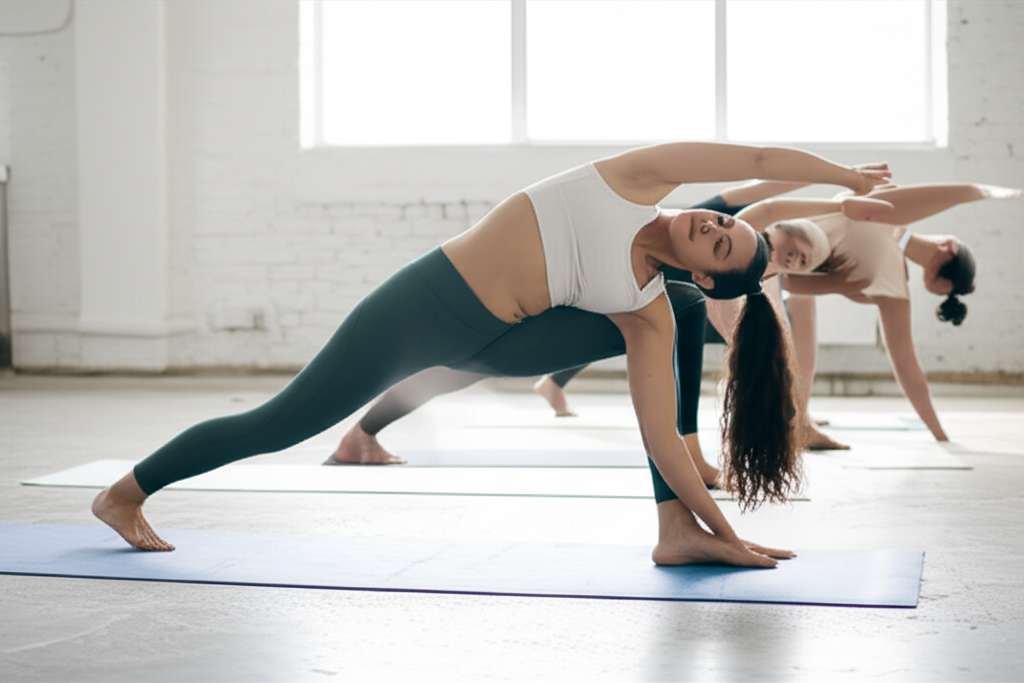
Yes, 20 beginner-friendly yoga flows can help you effortlessly burn calories while building strength and flexibility. These accessible sequences focus on gentle movement and mindful breathing, making them a sustainable and enjoyable way for anyone to start their fitness journey and support weight management goals.
Feeling a bit lost on your weight loss journey? It’s totally normal to find it confusing! Many people struggle with where to start, especially when it comes to fitness. You might be looking for a way to burn calories that doesn’t feel like a chore.
What if there was a gentle, effective way to boost your metabolism and feel great in your body? Yoga offers just that. It’s not just about touching your toes; it’s a powerful tool for both mind and body, including helping you manage your weight.
This guide is here to break it all down for you. We’ll explore 20 simple yoga flows perfect for beginners, designed to help you burn calories without feeling overwhelmed. Get ready to discover how easy and enjoyable getting active can be!
Why Yoga for Calorie Burn?
Yoga might seem like a quiet, calming practice, but it can be surprisingly effective for burning calories. The key lies in how you approach it. When you move with intention and engage your muscles, you’re not just stretching; you’re building heat and increasing your heart rate.
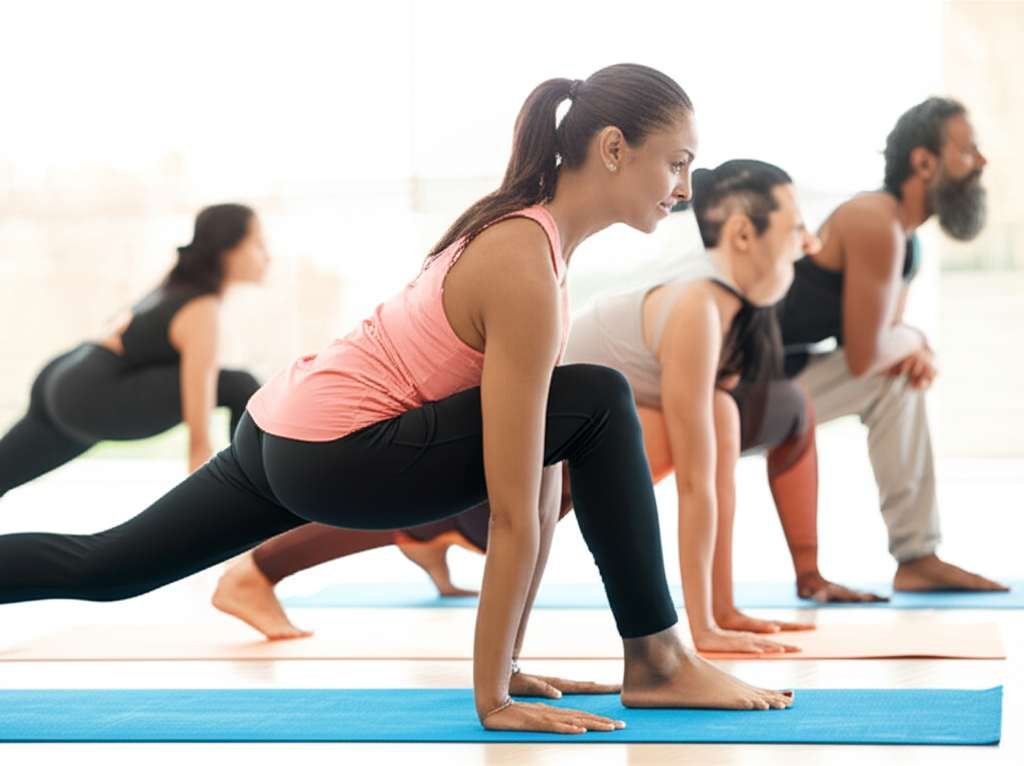
Think of it as a gentle, consistent effort. Unlike high-intensity workouts that might leave you feeling drained, yoga builds a steady burn. This sustained effort contributes to your overall calorie expenditure throughout the day, supporting your weight management goals.
Furthermore, yoga helps build lean muscle mass. More muscle means a higher metabolism, meaning your body burns more calories even at rest. It’s a win-win situation for your health and your waistline!
Understanding Calorie Burn and Yoga
When we talk about burning calories, we mean using energy. Your body uses energy for everything it does – breathing, thinking, and moving. Exercise, like yoga, significantly increases the energy your body needs, thus burning more calories.
The number of calories you burn during yoga depends on a few factors: the intensity of the poses, how long you hold them, your body weight, and your metabolism. More dynamic yoga styles, like Vinyasa or Ashtanga, tend to burn more calories than gentler styles like Hatha or Restorative yoga.
However, even gentle flows can contribute to a significant calorie burn over time. The consistency of your practice is more important than the intensity of a single session. For beginners, focusing on proper form and enjoying the process is paramount.
According to Harvard Health Publishing, a 30-minute yoga session can burn anywhere from 120 to 300 calories, depending on the style and intensity. This shows that yoga is a viable option for calorie expenditure.
20 Yoga Flows for Beginners: Effortless Calorie Burn
These flows are designed to be accessible for anyone starting their yoga journey. They focus on fundamental poses that engage major muscle groups and promote a gentle cardiovascular effect. Remember to listen to your body and modify poses as needed. If you feel any pain, ease off.
Flow 1: The Gentle Wake-Up Flow
This flow is perfect for starting your day. It’s designed to awaken your body gently and get your metabolism humming without feeling strenuous.
- Child’s Pose (Balasana): Start here for a few breaths to center yourself.
- Cat-Cow Pose (Marjaryasana-Bitilasana): Flow between these two poses, synchronizing with your breath. Inhale for Cow (belly drops, chest lifts), exhale for Cat (spine rounds, chin tucks). Repeat 5-10 times.
- Downward-Facing Dog (Adho Mukha Svanasana): Hold for 5 breaths, pedaling out your feet if it feels good.
- Low Lunge (Anjaneyasana): Step one foot forward, keeping the back knee down. Hold for 3-5 breaths, then switch sides.
- Cobra Pose (Bhujangasana): Lie on your belly, lift your chest slightly using your back muscles. Hold for 3 breaths.
- Child’s Pose: Return here to rest.
Flow 2: The Energizing Morning Flow
This flow builds a little more heat, preparing you for the day ahead. It incorporates foundational poses that engage your core and legs.
- Mountain Pose (Tadasana): Stand tall, grounding your feet.
- Sun Salutation A (Surya Namaskar A) – Modified:
- Inhale: Arms up.
- Exhale: Forward fold.
- Inhale: Halfway lift (flat back).
- Exhale: Step back to Plank (knees can be down).
- Hold Plank for 3 breaths.
- Exhale: Lower to knees, chest, chin (or straight to Chaturanga if comfortable).
- Inhale: Cobra Pose or Upward-Facing Dog.
- Exhale: Downward-Facing Dog. Hold for 5 breaths.
- Inhale: Step feet forward, halfway lift.
- Exhale: Forward fold.
- Inhale: Rise to Mountain Pose.
Repeat 3-5 times.
- Warrior II (Virabhadrasana II): Hold on each side for 5 breaths.
- Triangle Pose (Trikonasana): Hold on each side for 5 breaths.
Flow 3: The Desk Break Flow
Feeling stiff from sitting? This short sequence can be done right at your desk or in a small space to re-energize and release tension, while still encouraging calorie burn.
- Seated Cat-Cow: Sit tall, hands on knees. Inhale to arch your back, exhale to round your spine. Repeat 5 times.
- Seated Spinal Twist: Sit tall, twist gently to one side, then the other. Hold each for 3 breaths.
- Thread the Needle (Urdhva Mukha Pasasana Variation): From a seated position, reach one arm overhead, then thread it under your chest. Repeat on the other side.
- Seated Forward Fold (Paschimottanasana) – Gentle: Sit with legs extended, hinge at the hips to fold forward. Hold for 5 breaths.
Flow 4: The Core Strength Builder
A strong core is vital for overall health and helps boost your metabolism. This flow focuses on poses that engage your abdominal muscles.
- Plank Pose: Hold for 30-60 seconds. Modify by dropping your knees if needed.
- Forearm Plank: Transition to your forearms. Hold for 30-60 seconds.
- Boat Pose (Paripurna Navasana): Sit with knees bent, lift your feet off the floor. Hold for 5 breaths. For a challenge, straighten your legs.
- Bridge Pose (Setu Bandhasana): Lie on your back, lift your hips. Hold for 5 breaths. Repeat 3 times.
- Dolphin Pose: From Downward-Facing Dog, lower your forearms to the mat. Hold for 5 breaths.
Flow 5: The Hip Opener and Calorie Burner
Tight hips can restrict movement and energy flow. This flow opens the hips while incorporating poses that require active engagement, contributing to calorie burn.
- Low Lunge: Hold for 5 breaths, sinking deeper into the stretch.
- Half Splits (Ardha Hanumanasana): From Low Lunge, straighten the front leg, flexing the foot. Hold for 5 breaths.
- Pigeon Pose (Eka Pada Rajakapotasana) – Modified: Bring one shin forward, keeping the knee bent. If this is too intense, try a Figure Four stretch lying on your back. Hold for 5 breaths on each side.
- Warrior I (Virabhadrasana I): Hold for 5 breaths on each side.
- Crescent Lunge: From Warrior I, lift your back heel. Hold for 5 breaths on each side.
Flow 6: The Standing Balance Booster
Improving balance engages smaller stabilizing muscles, which can increase calorie burn. It also builds focus and confidence.
- Tree Pose (Vrksasana): Hold for 5 breaths on each side. Focus on a steady gaze (drishti).
- Warrior III (Virabhadrasana III): From Mountain Pose, hinge forward, extending one leg back. Hold for 3-5 breaths on each side. Use a wall for support if needed.
- Eagle Pose (Garudasana): Hold for 5 breaths on each side. This pose challenges balance and strengthens ankles and calves.
- Standing Forward Fold: Hold for 5 breaths, letting gravity do the work.
- Half Moon Pose (Ardha Chandrasana): Use a block for support. Hold for 5 breaths on each side.
Flow 7: The Gentle Flow for Full Body Engagement
This flow moves through a variety of poses, ensuring that most of your body’s major muscle groups are activated, leading to a good calorie burn.
- Sun Salutation B (Surya Namaskar B) – Modified: This is a slightly more dynamic version of Sun Salutation A, incorporating Chair Pose.
- Inhale: Arms up.
- Exhale: Forward fold.
- Inhale: Halfway lift.
- Exhale: Step back to Plank.
- Hold Plank for 3 breaths.
- Exhale: Lower to knees, chest, chin.
- Inhale: Cobra or Upward-Facing Dog.
- Exhale: Downward-Facing Dog.
- Inhale: Step right foot forward, spin back heel down, rise to Warrior I.
- Exhale: Open to Warrior II.
- Inhale: Reverse Warrior.
- Exhale: Triangle Pose.
- Inhale: Return to Warrior II.
- Exhale: Step right foot forward, forward fold.
- Inhale: Halfway lift.
- Exhale: Step back to Plank.
- Hold Plank for 3 breaths.
- Exhale: Lower to knees, chest, chin.
- Inhale: Cobra or Upward-Facing Dog.
- Exhale: Downward-Facing Dog.
- Inhale: Step left foot forward, spin back heel down, rise to Warrior I.
- Exhale: Open to Warrior II.
- Inhale: Reverse Warrior.
- Exhale: Triangle Pose.
- Inhale: Return to Warrior II.
- Exhale: Step left foot forward, forward fold.
- Inhale: Halfway lift.
- Exhale: Step back to Plank.
- Hold Plank for 3 breaths.
- Exhale: Lower to knees, chest, chin.
- Inhale: Cobra or Upward-Facing Dog.
- Exhale: Downward-Facing Dog. Hold for 5 breaths.
- Inhale: Step feet forward, halfway lift.
- Exhale: Forward fold.
- Inhale: Rise to Mountain Pose.
Repeat 2-3 times.
- Chair Pose (Utkatasana): Hold for 5 breaths.
- Side Angle Pose (Utthita Parsvakonasana): Hold for 5 breaths on each side.
Flow 8: The Gentle Vinyasa Flow
Vinyasa means “to place in a special way” and refers to linking breath with movement. This gentle version is perfect for beginners looking for a bit more flow and calorie burn.
- Begin with 3-5 rounds of Modified Sun Salutation A (from Flow 2).
- Add: After Downward-Facing Dog, step one foot forward into Low Lunge.
- Flow: Inhale to rise to Warrior I, exhale to Warrior II, inhale to Reverse Warrior, exhale to Extended Side Angle.
- Transition: From Extended Side Angle, place hands down, step back to Plank, then Chaturanga (or knees-chest-chin), inhale to Cobra/Upward-Facing Dog, exhale to Downward-Facing Dog.
- Repeat on the other side.
- End with Child’s Pose.
Flow 9: The Strength and Stretch Flow
This flow balances poses that build strength with those that increase flexibility, creating a well-rounded workout that boosts calorie burn.
- Plank Pose: Hold for 30 seconds.
- Side Plank (Vasisthasana): Hold for 20-30 seconds on each side. Modify by dropping the bottom knee.
- Four-Limbed Staff Pose (Chaturanga Dandasana): Hold for 3 breaths.
- Upward-Facing Dog (Urdhva Mukha Svanasana): Hold for 3 breaths.
- Downward-Facing Dog: Hold for 5 breaths.
- Standing Forward Fold.
- Chair Pose.
- Mountain Pose.
Flow 10: The Hip Flexor and Quad Focus
Tight hip flexors and quads are common for those who sit a lot. This flow targets these areas while keeping your body active.
- Low Lunge: Hold for 5 breaths.
- Runner’s Lunge: From Low Lunge, bring hands to the inside of the front foot and widen your stance slightly. Hold for 5 breaths.
- Quad Stretch in Lunge: From Low Lunge, reach back with the opposite hand to gently grab the back foot (if accessible). Hold for 3 breaths.
- Warrior I: Hold for 5 breaths.
- Warrior II: Hold for 5 breaths.
- Repeat on the other side.
Flow 11: The Arm and Shoulder Energizer
Strengthening your arms and shoulders not only improves posture but also engages muscles that contribute to calorie burn.
- Plank Pose: Hold for 30 seconds.
- Chaturanga Dandasana: Hold for 3 breaths.
- Cobra Pose: Hold for 3 breaths.
- Downward-Facing Dog: Hold for 5 breaths.
- Dolphin Pose: Hold for 5 breaths.
- Reverse Plank Pose (Purvottanasana): Sit with legs extended, hands behind you, fingers pointing forward. Lift your hips. Hold for 5 breaths.
Flow 12: The Leg Strength and Stamina Flow
Focusing on leg strength builds power and endurance, leading to increased calorie expenditure during and after your practice.
- Warrior II: Hold for 5 breaths.
- Extended Side Angle Pose: Hold for 5 breaths.
- Reverse Warrior: Hold for 3 breaths.
- Triangle Pose: Hold for 5 breaths.
- Chair Pose: Hold for 5 breaths.
- Warrior III: Hold for 3-5 breaths on each side.
- Repeat on the other side.
Flow 13: The Twisting Flow for Detox and Burn
Twists are great for digestion and can help stimulate internal organs. They also engage your core, adding to the calorie burn.
- Seated Spinal Twist: Hold for 5 breaths on each side.
- Revolved Chair Pose (Parivrtta Utkatasana): From Chair Pose, bring hands to heart center and twist. Hold for 3-5 breaths on each side.
- Revolved Triangle Pose (Parivrtta Trikonasana): Hold for 5 breaths on each side. Use a block for support.
- Half Lord of the Fishes Pose (Ardha Matsyendrasana): A deeper seated twist. Hold for 5 breaths on each side.
- Low Lunge with Twist: From Low Lunge, twist towards the front leg. Hold for 5 breaths on each side.
Flow 14: The Gentle Backbend Flow
Backbends can be invigorating and open up the chest and shoulders, counteracting slouching and engaging your back muscles.
- Cat-Cow Pose: 5-10 rounds.
- Cobra Pose: Hold for 3 breaths, repeat 3 times.
- Locust Pose (Salabhasana): Lie on your belly, lift arms, legs, and chest. Hold for 3 breaths, repeat 3 times.
- Bridge Pose: Hold for 5 breaths, repeat 3 times.
- Child’s Pose: To release.
Flow 15: The Full Body Vinyasa Flow
This flow is a slightly more advanced Vinyasa sequence, linking poses together smoothly to create a continuous movement that elevates your heart rate.
- Start with 5 rounds of Modified Sun Salutation B (from Flow 8).
- After Downward-Facing Dog, step one foot forward into Warrior I.
- Flow through Warrior II, Reverse Warrior, Extended Side Angle, and Triangle Pose.
- From Triangle, transition to Half Moon Pose.
- Return to Standing Forward Fold, then Chair Pose.
- Step back to Plank, Chaturanga, Cobra/Upward-Facing Dog, and Downward-Facing Dog.
- Repeat on the other side.
- End with a seated forward fold and Savasana.
Flow 16: The Grounding Flow
This flow focuses on poses that connect you to the earth, promoting stability and calm while still engaging your muscles for a calorie burn.
- Mountain Pose: Hold for 5 breaths.
- Warrior II: Hold for 5 breaths on each side.
- Triangle Pose: Hold for 5 breaths on each side.
- Child’s Pose: Hold for 5 breaths.
- Seated Forward Fold: Hold for 5 breaths.
- Savasana (Corpse Pose): For 5-10 minutes.
Flow 17: The Upper Body Strength Flow
Focus on building strength in your arms, shoulders, and back with this targeted flow.
- Plank Pose: Hold for 45 seconds.
- Chaturanga Dandasana: Hold for 5 breaths.
- Upward-Facing Dog: Hold for 5 breaths.
- Downward-Facing Dog: Hold for 5 breaths.
- Bear Pose (Adho Mukha Vrksasana Prep): From Downward-Facing Dog, walk hands closer to feet, lift one leg, and practice shifting weight forward. Hold for 3 breaths on each side.
- Reverse Plank Pose: Hold for 5 breaths.
Flow 18: The Lower Body Power Flow
Build strong legs and glutes with this flow, which will help increase your resting metabolism.
- Chair Pose: Hold for 10 breaths.
- Warrior I: Hold for 5 breaths on each side.
- Warrior II: Hold for 5 breaths on each side.
- Warrior III: Hold for 5 breaths on each side.
- Skandasana (Side Lunge): Hold for 5 breaths on each side.
- Bridge Pose: Hold for 10 breaths, repeat 3 times.
Flow 19: The Heart-Opening Flow
These poses help open the chest and shoulders, promoting better breathing and posture, while also engaging muscles.
- Cat-Cow Pose: 10 rounds.
- Cobra Pose: Hold for 5 breaths, repeat 3 times.
- Camel Pose (Ustrasana) – Modified: From kneeling, place hands on lower back, gently lift chest. Hold for 3 breaths. Repeat 3 times.
- Bridge Pose: Hold for 5 breaths.
- Supported Fish Pose (Matsyasana): Lie on a block. Hold for 1 minute.
Flow 20: The Relaxing Cool-Down Flow
After a good workout, it’s important to cool down. This flow helps your body recover and your heart rate return to normal, but still encourages gentle movement.
- Seated Forward Fold: Hold for 1 minute.
- Supine Spinal Twist: Lie on your back, bring one knee across your body. Hold for 1 minute on each side.
- Happy Baby Pose (Ananda Balasana): Hold for 1 minute.
- Legs Up the Wall Pose (Viparita Karani): Hold for 5 minutes.
- Savasana: For 5-10 minutes.
Tips for Maximizing Calorie Burn in Beginner Yoga
While these flows are beginner-friendly, you can enhance their calorie-burning potential with a few simple strategies:
- Move with intention: Focus on engaging your muscles throughout each pose, not just holding them.
- Breathe deeply: Deeper breaths increase oxygen intake, which helps your body work more efficiently and burn more calories.
- Flow smoothly: Minimize rest between poses to keep your heart rate elevated. Think of it as a gentle dance between poses.
- Hold poses longer: As you get stronger, try holding poses for a few extra breaths. This increases the muscular effort required.
- Focus on active poses: Poses like Warrior series, Plank, and Chair Pose require more muscular engagement and thus burn more calories.
- Practice consistently: The most significant calorie burn comes from regular practice. Aim for at least 3-5 times a week.
- Listen to your body: Pushing too hard can lead to injury. Modifications are key to sustainable practice.
Incorporating Yoga into Your Weight Loss Plan
Yoga is a fantastic addition to any weight loss strategy. It works by:
- Burning calories: As we’ve discussed, consistent practice contributes to your daily energy expenditure.
- Building muscle: Lean muscle mass boosts your metabolism, helping you burn more calories even when you’re not exercising.
- Reducing stress: Chronic stress can lead to weight gain. Yoga’s stress-reducing benefits can help manage cortisol levels, which are linked to fat storage.
- Improving mindfulness: Yoga encourages awareness of your body and eating habits, which can lead to healthier food choices.
- Increasing flexibility and balance: This makes other forms of exercise easier and more enjoyable, encouraging a more active lifestyle overall.
For best results, combine your yoga practice with a balanced, nutrient-dense diet. Remember, sustainable weight loss is about creating healthy habits that you can maintain long-term.
A Sample Weekly Yoga Schedule for Beginners
Here’s a sample schedule to get you started. Adjust it based on your energy levels and availability.
| Day | Focus | Recommended Flow(s) |
|---|---|---|
| Monday | Energize & Core | Flow 2 (Energizing Morning Flow) + Flow 4 (Core Strength Builder) |
| Tuesday | Flexibility & Hip Opening | Flow 5 (Hip Opener and Calorie Burner) |
| Wednesday | Active Recovery / Gentle | Flow 1 (Gentle Wake-Up Flow) or Flow 3 (Desk Break Flow) |
| Thursday | Strength & Stamina | Flow 8 (Gentle Vinyasa Flow) |
| Friday | Full Body & Balance | Flow 7 (Gentle Flow for Full Body Engagement) + Flow 6 (Standing Balance Booster) |
| Saturday | Restorative / Deeper Stretch | Flow 20 (Relaxing Cool-Down Flow) or Flow 16 (Grounding Flow) |
| Sunday | Rest or Light Activity | Optional: Gentle walk, or another favorite flow. |
When to Seek Professional Guidance
While yoga is generally safe, it’s always wise to consult with a healthcare provider before starting any new exercise program, especially if you have underlying health conditions. A certified yoga instructor can also provide personalized guidance on proper alignment and modifications.
If you experience any sharp or persistent pain during a pose, stop immediately. It’s better to modify a pose or skip it than to risk injury. Remember, yoga is a journey, not a race.
Frequently Asked Questions (FAQ)
Q1: How often should I practice yoga for calorie burn?
For noticeable results, aim for at least 3-5 yoga sessions per week. Consistency is key for both calorie burn and building strength and flexibility.
Q2: Can yoga alone help me lose weight?
Yoga can significantly contribute to weight loss by burning calories, building muscle, and reducing stress. However, for optimal results, it’s best combined with a balanced diet and other forms of physical activity.
Q3: What if I can’t do all the poses?
That’s perfectly okay! Yoga is about progress, not perfection. Use props like blocks and straps, and don’t be afraid to modify poses. Listen to your body and focus on what feels right for you.
Q4: How many calories can I expect to burn during a beginner yoga session?
The number of calories burned varies, but a 30-minute beginner yoga session can typically burn between 120-250 calories. More dynamic flows will burn more than gentle ones.
Q5: Is it better to do yoga in the morning or evening?
Both have benefits! Morning yoga can energize you for the day, while evening yoga can help you relax and improve sleep. Choose a time that best suits your schedule and energy levels.
Q6: What are the most calorie-burning yoga poses for beginners?
Poses that require significant muscular effort and hold time tend to burn more calories. Examples include Plank, Warrior poses, Chair Pose, and sequences like Sun Salutations.
Conclusion
Embarking on a yoga journey as a beginner doesn’t have to be intimidating, especially when your goal includes a gentle calorie burn. These 20 yoga flows are your stepping stones to a stronger, more flexible, and energized you. By incorporating these simple sequences into your routine, you’ll not only start to see the benefits in your physical health but also feel a greater sense of well-being.
Remember, the most effective approach to weight management is consistency and finding joy in movement. Yoga offers a holistic path that nourishes both your body and mind. So, unroll your mat, take a deep breath, and let these flows guide you toward your health and fitness goals, one pose at a time.
As an Amazon Associate, We earn from qualifying purchases. When you purchase a product through Amazon links on pulsefitguide.com, we may earn a small commission at no extra cost to you. This helps support the site and keep our content free.
