



Get your day started right with 10 simple morning yoga workouts designed for beginners. These easy routines will help you build flexibility, reduce stress, and boost energy, making them the perfect foundation for a healthier lifestyle.
Feeling a little groggy in the morning? You’re not alone. Many of us struggle to find the energy and motivation to start the day feeling refreshed and ready.
It can feel like a puzzle, trying to figure out how to wake up feeling good. You might wonder why some mornings feel so much harder than others.
But what if there was a simple, accessible way to change that? A way to gently awaken your body and mind, setting a positive tone for everything that follows.
This guide is here to show you exactly how. We’ll explore 10 beginner-friendly morning yoga routines that are easy to follow and incredibly effective.
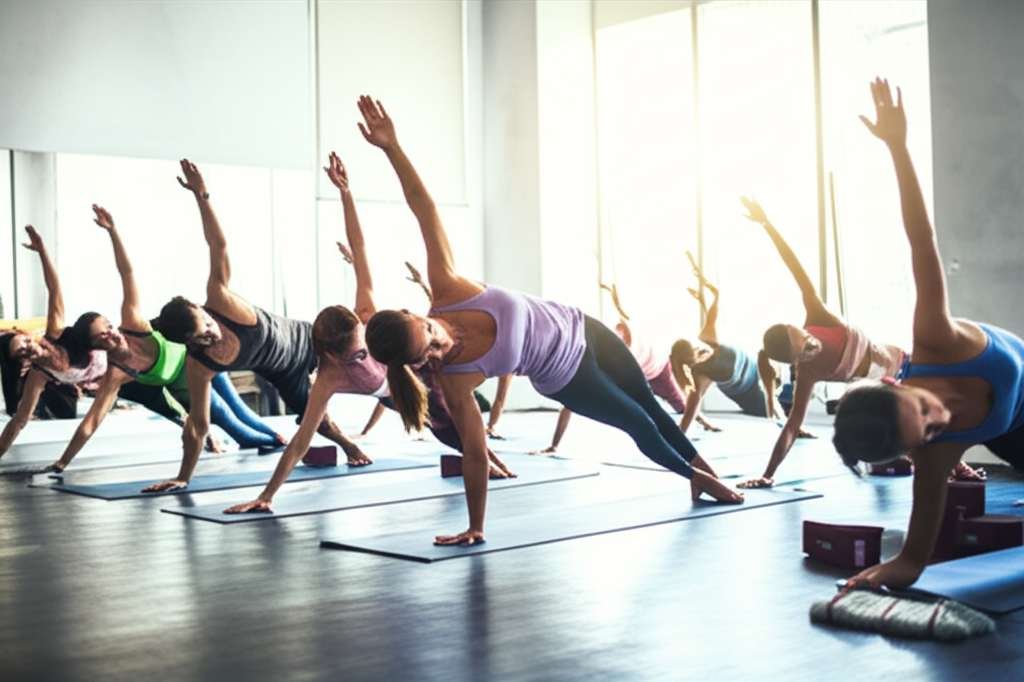
Get ready to discover how a few simple poses can make a big difference in how you feel every single day. Let’s begin this journey to a more energized and peaceful start!
Why Morning Yoga is a Beginner’s Best Friend
Starting your day with yoga, even just for a few minutes, can feel like a superpower. It’s a gentle way to connect with your body, clear your mind, and prepare for whatever the day brings.
For beginners, the idea of yoga might seem a little intimidating. You might picture complicated poses or long, intense sessions. But the truth is, morning yoga for beginners is all about simple, foundational movements.
It’s about waking up your muscles, improving your posture, and calming your nervous system before the rush of the day begins. Think of it as a mindful stretch and a moment of peace, tailored just for you.
Benefits Beyond the Mat
The positive effects of a morning yoga practice extend far beyond the physical. You’ll likely notice improvements in your mood, focus, and overall sense of well-being.
This gentle start can help reduce stress and anxiety, making you feel more centered and less reactive to daily challenges. It’s a small investment of time that yields significant rewards.
Plus, regular practice can boost your metabolism and improve digestion. It’s a holistic approach to feeling your best, from the inside out.
Your Essential Morning Yoga Toolkit
Before we dive into the poses, let’s make sure you have what you need. The great news is, you don’t need much to get started with beginner yoga.
Having a comfortable space is key. Find a quiet spot where you won’t be disturbed for at least 10-15 minutes.
A yoga mat is highly recommended. It provides cushioning and grip, making your practice safer and more comfortable. You can find affordable mats at most sporting goods stores or online retailers.
Optional but Helpful Items
While not essential, a few other items can enhance your experience:
Comfortable Clothing: Wear loose, stretchy clothing that allows for a full range of motion.
Water Bottle: Stay hydrated before and after your practice.
Yoga Block (optional): Blocks can help support you in certain poses, making them more accessible for beginners.
Yoga Strap (optional): A strap can assist with stretching and flexibility.
10 Morning Yoga Workouts for Beginners
Here are 10 simple yoga sequences perfect for kicking off your day. Each sequence focuses on different areas and benefits, so you can choose what feels right for you each morning.
Remember to listen to your body. If a pose doesn’t feel right, don’t force it. The goal is gentle movement and mindful awareness.
1. The Gentle Wake-Up Flow (5 Minutes)
This is a super simple sequence to ease you into the day. It’s perfect for when you’re feeling particularly stiff or just need a moment of calm.
Seated Easy Pose (Sukhasana): Sit cross-legged, spine tall. Take 5 deep breaths, focusing on filling your belly with air.
Cat-Cow Pose (Marjaryasana-Bitilasana): Come to your hands and knees. Inhale, drop your belly, lift your chest and tailbone (Cow). Exhale, round your spine, tuck your chin (Cat). Repeat 5-8 times.
Child’s Pose (Balasana): From hands and knees, bring your big toes to touch, widen your knees, and rest your forehead on the mat. Extend your arms forward or rest them alongside your body. Hold for 5-8 breaths.
Seated Spinal Twist: Return to a seated position. Inhale, lengthen your spine. Exhale, twist gently to the right, placing your left hand on your right knee and your right hand behind you. Hold for 3 breaths, then repeat on the left side.
2. The Energizing Sun Salutation A (Surya Namaskar A) – Modified (7-10 Minutes)
Sun Salutations are a classic yoga sequence that warms the entire body. This modified version is perfect for beginners.
Mountain Pose (Tadasana): Stand tall with feet hip-width apart, arms by your sides. Inhale, reach arms overhead.
Forward Fold (Uttanasana): Exhale, hinge at your hips and fold forward, bending your knees generously.
Halfway Lift (Ardha Uttanasana): Inhale, lengthen your spine, bringing your hands to your shins or thighs.
Forward Fold (Uttanasana): Exhale, fold again.
Low Lunge (Anjaneyasana) – Right Side: Step your left foot back into a lunge. Lower your left knee to the mat. Inhale, lift your torso and arms overhead. Hold for 3 breaths.
Plank Pose (Phalakasana): Bring your right foot back to meet your left, coming into a plank position on your knees. Keep your core engaged.
Knees-Chest-Chin Pose (Ashtanga Namaskara): Lower your knees, chest, and chin to the mat, keeping your hips lifted.
Cobra Pose (Bhujangasana): Slide forward, keeping your elbows tucked in. Inhale, lift your chest off the mat, engaging your back muscles.
Downward-Facing Dog (Adho Mukha Svanasana) – Modified: Tuck your toes, lift your hips. You can keep your knees bent here. Hold for 5 breaths.
Low Lunge (Anjaneyasana) – Left Side: Step your left foot forward between your hands. Lower your right knee to the mat. Inhale, lift your torso and arms overhead. Hold for 3 breaths.
Forward Fold (Uttanasana): Step your right foot forward to meet your left. Exhale, fold.
Halfway Lift (Ardha Uttanasana): Inhale, lengthen your spine.
Forward Fold (Uttanasana): Exhale, fold.
Mountain Pose (Tadasana): Inhale, rise all the way up, reaching arms overhead. Exhale, bring arms down. Repeat this entire sequence 2-3 times.
3. The Hip Opener Sequence (8-12 Minutes)
Tight hips can lead to back pain and general stiffness. This sequence helps to gently release tension in your hips.
Seated Butterfly Pose (Baddha Konasana): Sit with the soles of your feet together, knees bent and falling out to the sides. Hold your feet and gently flutter your knees up and down like butterfly wings for 30 seconds. Then, sit tall and breathe deeply for 5 breaths.
Low Lunge (Anjaneyasana): Step your right foot forward, lowering your left knee to the mat. Ensure your right knee is stacked over your right ankle. Keep your hands on the mat or bring them to your front thigh. Hold for 5 breaths.
Half Splits Pose (Ardha Hanumanasana): From Low Lunge, shift your hips back, straightening your front leg. Flex your front foot. Keep your spine long and fold gently over your front leg. Hold for 5 breaths.
Pigeon Pose Prep (Eka Pada Rajakapotasana Prep): Return to Low Lunge. Bring your right shin parallel to the front of your mat (or as close as comfortable). Your right foot can be tucked in towards your groin or extended. You can stay upright on your hands or fold forward if comfortable. Hold for 5-8 breaths.
Repeat on the left side.
4. The Spine Strengthener (6-10 Minutes)
A strong spine is crucial for good posture and overall health. These poses focus on building strength and flexibility in your back.
Locust Pose (Salabhasana) – Modified: Lie on your belly with arms alongside your body, palms down. Inhale, lift your head, chest, arms, and legs off the floor. Keep your neck long and gaze down. Hold for 3-5 breaths. Lower and repeat 2-3 times.
Bridge Pose (Setu Bandhasana): Lie on your back with knees bent, feet flat on the floor hip-width apart, and arms by your sides. Inhale, press into your feet and lift your hips off the floor. You can interlace your fingers underneath you for a deeper stretch. Hold for 5 breaths. Lower slowly. Repeat 2-3 times.
Sphinx Pose (Salamba Bhujangasana): Lie on your belly, then prop yourself up on your forearms, elbows directly beneath your shoulders. Keep your forearms parallel. Gently press your hips into the mat and draw your chest forward. Hold for 5-8 breaths.
5. The Breath and Balance Builder (7-10 Minutes)
This sequence combines gentle movement with poses that improve your balance, helping to focus your mind and energize your body.
Seated Cat-Cow: As described in Sequence 1.
Thread the Needle Pose (Urdhva Mukha Pasasana): Come to hands and knees. Inhale, reach your right arm up towards the ceiling. Exhale, thread your right arm under your left armpit, resting your right shoulder and ear on the mat. Keep your hips lifted. Hold for 5 breaths. Repeat on the left side.
Tree Pose (Vrksasana): Stand in Mountain Pose. Shift your weight to your left foot. Bring the sole of your right foot to your inner ankle, calf, or thigh (avoid pressing on the knee joint). Bring your hands to your heart center or extend them overhead. Hold for 5-8 breaths. Repeat on the right side.
6. The Full Body Stretch (10-15 Minutes)
This sequence offers a comprehensive stretch for your entire body, leaving you feeling limber and refreshed.
Seated Forward Fold (Paschimottanasana): Sit with legs extended. Inhale, lengthen your spine. Exhale, hinge at your hips and fold forward over your legs. Keep a slight bend in your knees if needed. Hold for 5-8 breaths.
Reclining Spinal Twist (Supta Matsyendrasana): Lie on your back. Draw your right knee into your chest, then cross it over your body to the left side. Extend your right arm out to the side and gaze towards your right hand. Hold for 5-8 breaths. Repeat on the left side.
Happy Baby Pose (Ananda Balasana): Lie on your back. Bend your knees and draw them towards your armpits. Grab the outsides of your feet or ankles. Gently rock side to side if it feels good. Hold for 5-8 breaths.
Legs Up the Wall Pose (Viparita Karani) – Modified: Sit with your hips close to a wall. Swing your legs up the wall, resting your back on the floor. Arms can be by your sides or overhead. This is a restorative pose; hold for 5-10 minutes if you have time.
7. The Stress Reliever (8-12 Minutes)
If you wake up feeling anxious or overwhelmed, this sequence is designed to calm your nervous system and bring a sense of peace.
Deep Belly Breathing: Lie on your back or sit comfortably. Place one hand on your belly and the other on your chest. Inhale deeply through your nose, feeling your belly rise. Exhale slowly through your mouth. Repeat for 1-2 minutes.
Supported Bridge Pose: As described in Sequence 4, but you can place a block under your sacrum for a more restorative hold. Hold for 5-10 breaths.
Child’s Pose (Balasana): As described in Sequence 1. Hold for 8-10 breaths, focusing on slow, deep breaths.
Seated Meditation: Sit in a comfortable cross-legged position. Close your eyes and focus on your breath for 2-3 minutes. Simply observe without judgment.
8. The Quick Energy Boost (5-7 Minutes)
Need a fast way to shake off sleepiness and feel more alert? This sequence is short, sweet, and effective.
Standing Forward Fold with Ragdoll: From Mountain Pose, exhale into a Forward Fold. Bend your knees deeply and let your torso hang loosely. You can clasp opposite elbows and gently sway. Hold for 5 breaths.
Three-Legged Dog (Trikonasana) – Modified: From hands and knees, lift your right leg up and back. Keep your hips square. Hold for 3 breaths. Lower and repeat with the left leg.
Warrior II (Virabhadrasana II): Step your left foot back about 3-4 feet, turning your left foot out slightly. Bend your right knee so it’s stacked over your ankle. Extend your arms parallel to the floor, gazing over your right fingertips. Hold for 5 breaths.
Reverse Warrior: From Warrior II, keep the legs as they are. Inhale, flip your right palm and reach your right arm up and back, resting your left hand on your left thigh. Hold for 3 breaths.
Repeat Warrior II and Reverse Warrior on the left side.
9. The Posture Perfector (7-10 Minutes)
Poor posture is common, especially with desk jobs or screen time. This sequence helps open up the chest and strengthen the upper back.
Cow Face Pose Arms (Gomukhasana Arms): Sit comfortably. Inhale, reach your right arm up. Exhale, bend your elbow and let your right hand drop down your back. Inhale, reach your left arm up, then bend your elbow and bring your left hand down your back. Try to clasp your fingers behind your back. If you can’t reach, use a strap. Hold for 5 breaths. Switch sides.
Cobra Pose (Bhujangasana): As described in Sequence 2.
Bow Pose (Dhanurasana) – Modified: Lie on your belly. Bend your knees and reach back to grab your ankles or feet. Inhale, lift your chest and thighs off the mat, drawing your feet away from your body. Hold for 3-5 breaths.
Sphinx Pose (Salamba Bhujangasana): As described in Sequence 4.
10. The Mindful Movement Flow (10-15 Minutes)
This sequence is less about specific poses and more about flowing from one movement to the next with intention and awareness.
Seated Breathwork: Begin in Easy Pose, focusing on deep, conscious breaths for 1 minute.
Gentle Neck Rolls: Slowly roll your head from side to side, bringing your chin to your chest. Repeat 3-5 times in each direction.
Arm Circles: Extend your arms out to the sides and make small circles, gradually increasing their size. Do 10 forward and 10 backward.
Seated Cat-Cow: As described in Sequence 1. Flow with your breath.
Standing Mountain Pose to Forward Fold Flow: Inhale to Mountain Pose, exhale to Forward Fold. Inhale to Halfway Lift, exhale to Forward Fold. Repeat this flow 5 times, linking breath to movement.
Child’s Pose: Rest here for 5-8 breaths.
Seated Meditation: End with 2-3 minutes of quiet sitting and breath awareness.
Understanding Yoga Poses: A Visual Guide
To help you visualize these poses, here’s a quick reference. For detailed instructions and variations, it’s always best to consult a qualified yoga instructor or reputable online resources.
| Pose Name | Sanskrit Name | Primary Benefits | Beginner Tip |
| :————————— | :————————- | :—————————————————– | :——————————————————————————————————– |
| Mountain Pose | Tadasana | Grounding, posture, body awareness | Stand tall, feet hip-width, engage core, relax shoulders. |
| Forward Fold | Uttanasana | Hamstring stretch, calming, relieves back pain | Bend knees generously, let head hang heavy. |
| Halfway Lift | Ardha Uttanasana | Lengthens spine, opens chest | Hands on shins or thighs, flat back. |
| Low Lunge | Anjaneyasana | Hip flexor stretch, builds leg strength | Keep front knee over ankle, drop back knee to mat. |
| Plank Pose | Phalakasana | Core strength, full body engagement | Drop to knees if needed, keep body in a straight line from head to knees. |
| Cobra Pose | Bhujangasana | Strengthens spine, opens chest | Keep elbows tucked, lift with back muscles, not just arms. |
| Downward-Facing Dog | Adho Mukha Svanasana | Full body stretch, strengthens arms and legs, calms mind | Keep knees bent, press chest towards thighs, lift hips high. |
| Tree Pose | Vrksasana | Balance, focus, leg strength | Use a wall for support, focus on a non-moving point. |
| Child’s Pose | Balasana | Restorative, calms mind, gentle hip opener | Knees wide or together, rest forehead on mat, arms forward or back. |
| Cat-Cow Pose | Marjaryasana-Bitilasana | Spinal mobility, back pain relief | Move with your breath, inhale for Cow, exhale for Cat. |
| Bridge Pose | Setu Bandhasana | Strengthens glutes and hamstrings, opens chest | Press into feet, lift hips, keep neck long. |
| Pigeon Pose Prep | Eka Pada Rajakapotasana Prep | Deep hip opener, can relieve sciatica | Listen to your body; don’t force it. Keep hips square. |
Making Yoga a Sustainable Habit
The key to unlocking the benefits of morning yoga is consistency. It’s better to do 5 minutes every day than 30 minutes once a week.
Here are some tips to help you build a lasting habit:
Start Small: As you’ve seen, even 5 minutes can make a difference. Gradually increase your time as you feel more comfortable.
Set a Routine: Try to practice at the same time each morning. This helps your body and mind anticipate the session.
Prepare the Night Before: Lay out your yoga mat and comfortable clothes so everything is ready when you wake up.
Be Patient and Kind: Some days will be easier than others. Don’t get discouraged if you miss a day or your practice feels challenging. Just return to it the next day.
Find a Yoga Buddy: Practicing with a friend or family member can provide motivation and accountability.
Track Your Progress: Notice how you feel before and after your practice. This can be a great motivator.
Resources for Beginners
To support your yoga journey, here are some helpful resources:
Yoga Journal: A great source for articles, pose guides, and tips. You can find information on various yoga styles and benefits.
Yoga International: Offers a wide range of online yoga classes for all levels.
Local Yoga Studios: Many studios offer beginner-friendly classes and workshops. Check out their schedules for introductory offers.
Reputable Health Websites: For general information on the benefits of yoga and mindfulness, sites like the National Institutes of Health (NIH) often have research-backed articles. For example, the NIH’s National Center for Complementary and Integrative Health (NCCIH) provides evidence-based information on mind-body practices. You can explore their resources on yoga at https://www.nccih.nih.gov/health/yoga-what-you-need-to-know.
Frequently Asked Questions About Morning Yoga for Beginners
Q1: How long should my morning yoga practice be as a beginner?
A1: As a beginner, start with just 5-10 minutes. The most important thing is consistency. Even a short, daily practice is more beneficial than infrequent long sessions.
Q2: What if I’m not flexible? Can I still do yoga?
A2: Absolutely! Yoga is for every body, regardless of flexibility. The poses are designed to improve flexibility over time. Always move within your comfortable range of motion and use props like blocks if needed.
Q3: Do I need to be a morning person to do morning yoga?
A3: Not at all! Morning yoga is actually a great way to become* more of a morning person. It gently wakes up your body and mind, making the transition from sleep to wakefulness much smoother and more pleasant.
Q4: What are the most important things to remember when starting yoga?
A4: Focus on your breath, listen to your body, and don’t compare yourself to others. The goal is self-awareness and gentle movement, not perfection. Use props to support yourself and modify poses as needed.
Q5: Can morning yoga help with weight loss?
A5: While yoga itself may not be the most intense calorie-burning activity, it supports weight loss in several ways. It can increase mindfulness around eating, reduce stress (which can lead to emotional eating), build lean muscle, and boost metabolism. When combined with a healthy diet and other forms of exercise, it’s a valuable component of a weight loss journey.
Q6: What should I eat or drink before and after my morning yoga practice?
A6: It’s generally best to practice yoga on an empty stomach or at least 2-3 hours after a large meal. A small glass of water before practice is fine. After your practice, rehydrate with water and enjoy a nutritious breakfast to fuel your day.
Q7: What if I feel tired or sore after yoga?
A7: Some muscle soreness is normal when you start a new exercise routine. However, sharp or persistent pain is a sign to stop. If you feel overly tired, it might mean you pushed too hard. Ensure you’re getting enough rest and staying hydrated. Gentle, restorative poses are always an option if you’re feeling fatigued.
Conclusion: Embrace Your Morning Movement
Starting your day with these 10 beginner-friendly morning yoga workouts can be a transformative experience. It’s a powerful yet gentle way to connect with yourself, cultivate inner peace, and energize your body for the day ahead.
You don’t need to be an expert or have fancy equipment. All you need is a willingness to try, a little space, and a few minutes to dedicate to yourself.
By incorporating these simple sequences into your routine, you’re not just stretching your body; you’re building resilience, reducing stress, and setting a positive foundation for a healthier, happier day.
Remember, consistency is key. Be patient with yourself, celebrate small victories, and enjoy the journey. Your body and mind will thank you for it.
So, roll out your mat tomorrow morning and give it a try. You might just discover your new favorite way to start the day. Namaste.
As an Amazon Associate, We earn from qualifying purchases. When you purchase a product through Amazon links on pulsefitguide.com, we may earn a small commission at no extra cost to you. This helps support the site and keep our content free.
