


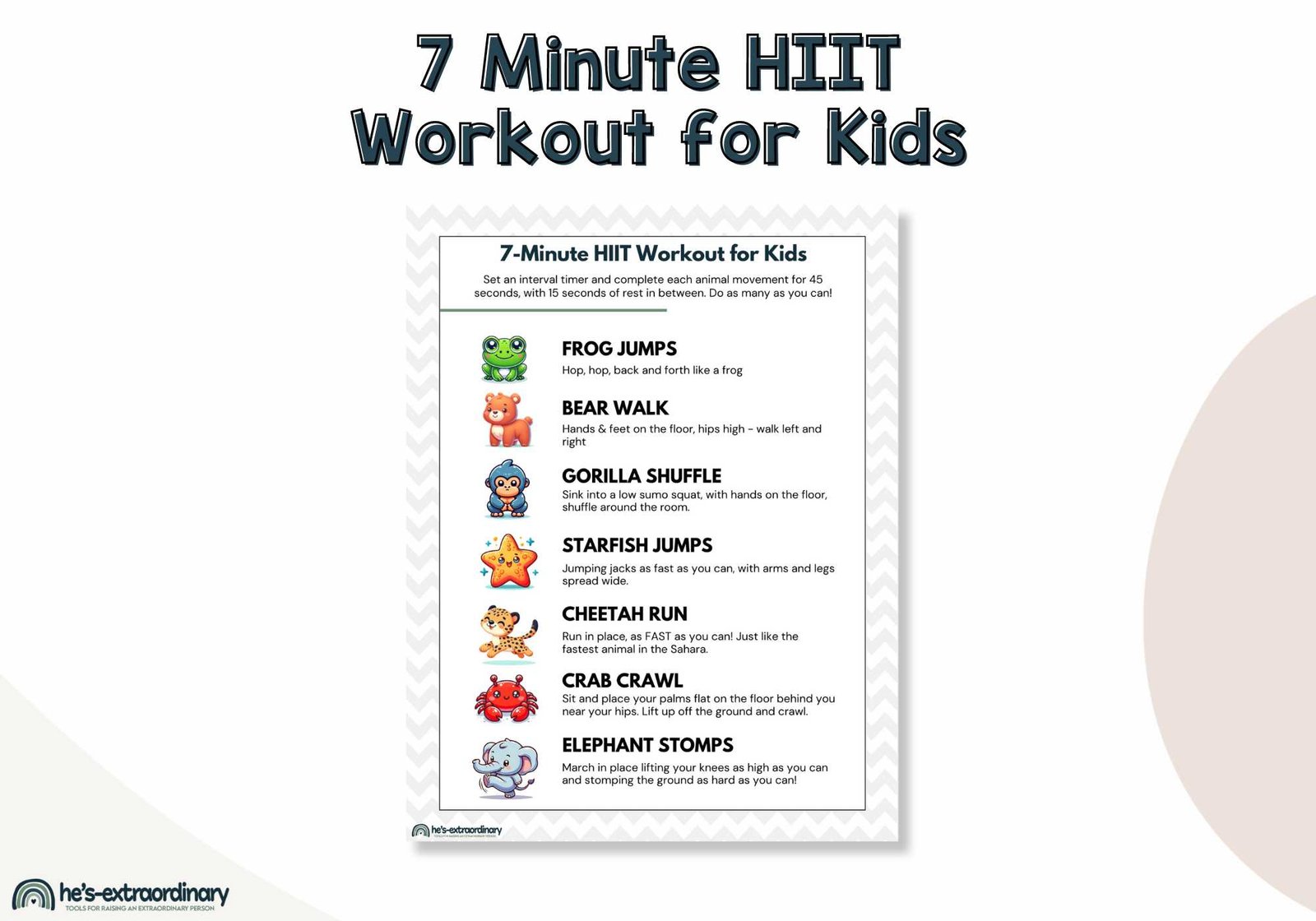
Absolutely, kids can do HIIT workouts with their parents, and it’s a fantastic way to stay active together! Engaging in high-intensity interval training as a family not only boosts everyone’s fitness levels but also strengthens bonds and makes exercise more fun. However, it’s important to tailor workouts to suit children’s energy levels and capabilities, ensuring they are safe and enjoyable for all ages. With proper guidance and modifications, HIIT can be a great shared activity that encourages healthy habits from a young age.
In short, kids can participate in HIIT workouts with their parents, but the workouts need to be age-appropriate and mindful of their physical development. When done correctly, exercising together can be motivating and help instill lifelong fitness habits in children.
Starting a fitness routine with your kids may seem daunting, but incorporating HIIT workouts into family time can be both enjoyable and highly effective. Kids are naturally energetic and love to move, making HIIT an ideal workout style for them, as long as it’s adapted to their age. The key is to balance high-intensity segments with ample rest, and to focus on fun rather than intensity. Parents can set a great example by participating actively, creating a supportive environment that encourages kids to stay active. Not only does this promote physical health, but it also fosters teamwork, discipline, and confidence. So, yes—kids can do HIIT with parents, turning exercise into a lively and bonding experience for the entire family.

Can Kids Do HIIT Workouts with Parents?
High-Intensity Interval Training (HIIT) has become a popular way to improve fitness quickly. Many parents wonder if their kids can participate in these workouts alongside them. The answer is often yes, but with some important considerations. Let’s explore how kids can safely do HIIT workouts with parents and what benefits this shared activity can bring.
What Is HIIT and Why Is It Popular?
HIIT involves short bursts of intense exercise followed by periods of rest or low activity. It’s loved for its efficiency and ability to burn calories fast. Many adults use HIIT to stay fit, lose weight, or boost their overall health. Its dynamic nature also makes it engaging and motivating for many people.
Is HIIT Safe for Kids?
Before including children in HIIT workouts, safety is the top priority. Most children can do modified versions of HIIT exercises with proper supervision. Kids’ bones and muscles are still developing, so exercises should be age-appropriate and not overly intense. The key is to focus on fun, movement, and stability rather than pushing for maximum effort.
Benefits of Doing HIIT with Kids and Parents
Engaging in HIIT together fosters family bonding and encourages healthy habits. Kids learn by watching and copying their parents, making exercise a natural part of daily routines. Additionally, HIIT workouts can boost children’s cardiovascular health and improve their coordination and strength.
How to Adapt HIIT for Kids
Adapting HIIT for children involves modifying intensity, duration, and exercise types. For young kids, workouts should last around 10 to 15 minutes with shorter bursts, such as 20 seconds of activity followed by 20 seconds rest. Exercises focused on body weight work well—think jumping jacks, squat jumps, or bear crawls.
Sample Age-Appropriate HIIT Exercises for Kids
- Jumping jacks
- Squat jumps
- Running in place
- Bear crawls
- High knees
Remember that children should not be pushed to exhaustion—exercise should be fun and safe.
Creating a Family HIIT Routine
Designing a workout that includes everyone involves balancing exercises suited for all ages. Start with warm-up activities like stretching or light jogging. Keep the intense intervals short and the recovery periods active rather than complete rest.
Sample Family HIIT Workout
- Warm-up: 5 minutes of light walking or stretching
- Exercise 1: 20 seconds jumping jacks
- Rest: 20 seconds walking in place
- Exercise 2: 20 seconds squats
- Rest: 20 seconds of gentle walking
- Exercise 3: 20 seconds high knees
- Rest: 20 seconds of stretching
- Repeat the cycle 3 times
Finish with a cool-down and nice stretching to relax muscles and prevent soreness.
Precautions and Safety Tips for Kids Doing HIIT
Always supervise children during workouts to ensure proper form and safety. Avoid exercises with excessive jumping or risky movements for younger kids. Listen to your child’s feedback and stop immediately if they feel dizzy, sore, or uncomfortable. Incorporate hydration breaks and avoid exercising in extreme weather conditions.
Signs That a Child Should Not Participate
- Feeling dizzy or faint
- Pain or discomfort in joints or muscles
- Difficulty breathing or chest pain
- Unusual tiredness or fatigue
In such cases, consult a healthcare professional before continuing any physical activity.
Integrating Play and Exercise for Kids
Kids naturally love games and movement. Turn HIIT exercises into fun challenges or races. For example, race to the tree and back or do jumping jacks to music. This approach makes workouts feel more like play rather than exercise, encouraging kids to stay active willingly.
The Role of Parents in Motivating Kids for HIIT
Parents should lead by example and participate actively. Showing enthusiasm and making workouts a family affair motivates children to join. Use positive reinforcement and celebrate progress to foster a love for exercise. Remember, the goal is to create enjoyable experiences that promote lifelong healthy habits.
Potential Challenges and How to Overcome Them
Some kids may find HIIT workouts too challenging or boring. To address this, keep sessions short and varied. Incorporate different exercises and change routines regularly. Always respect a child’s limits and focus on enjoyment rather than perfection.
Related Topics to Explore
- Fun ways to stay active as a family
- Age-appropriate physical activities for children
- The importance of physical activity in childhood development
- How to encourage kids to develop lifelong fitness habits
Involving kids in HIIT workouts with parents can be a rewarding experience that benefits everyone’s health. By adapting exercises, ensuring safety, and making workouts fun, families can enjoy shared physical activity that promotes wellness and strengthens bonds. Remember to keep the focus on safety and enjoyment, and you’ll create positive memories that encourage a healthy lifestyle for years to come.
HIIT WORKOUTS for Kids
Frequently Asked Questions
What safety considerations should parents keep in mind when doing HIIT workouts with children?
Parents should ensure that exercises are suitable for their child’s age and fitness level. It’s important to start with low-impact, simple movements and gradually increase intensity. Always supervise children during workouts to prevent accidents, and encourage proper form. Providing adequate warm-up and cool-down periods can also help minimize injury risks. Additionally, watching for signs of fatigue or discomfort allows parents to modify exercises or pause sessions as needed.
How can parents modify HIIT exercises to make them suitable for kids?
Parents can modify HIIT routines by choosing shorter intervals, reducing the intensity, or simplifying the movements. For example, instead of high-impact exercises like jumping jacks, parents can opt for marching or step-touches. Incorporating playful elements such as games, relay races, or obstacle courses keeps children engaged while still giving them a good workout. Ensuring exercises are fun and not overly strenuous helps maintain the child’s interest and prevents overexertion.
At what age can children safely participate in high-intensity interval training?
Children aged 7 and older can generally engage in age-appropriate HIIT workouts, provided exercises are adapted to their developmental stage. Younger children should focus on active play and less structured activities, while older children can handle more structured routines. Always consult with a healthcare professional before starting a new workout program for younger children, especially if they have any health concerns or medical conditions.
What benefits do children gain from doing HIIT workouts alongside their parents?
Participating in HIIT workouts with parents promotes physical health, improves cardiovascular fitness, and helps develop strength and coordination in children. It also encourages family bonding through shared activity and can instill healthy exercise habits early in life. Additionally, children learn the importance of staying active regularly, which supports their overall well-being and development.
How should parents structure family HIIT sessions to keep children motivated?
Parents should keep sessions brief and varied, mixing different exercises to maintain interest. Incorporating fun challenges, music, and teamwork elements can motivate children to participate enthusiastically. Setting achievable goals and praising effort helps build confidence. Additionally, allowing children to choose some activities fosters a sense of ownership and makes the workout more enjoyable.
Final Thoughts
Yes, kids can do HIIT workouts with parents when exercises are suitable for their age. It encourages family bonding and promotes healthy habits. Just ensure the activities are fun, safe, and appropriate for children’s fitness levels.
Involving kids in HIIT can boost their energy and confidence. Always supervise and adapt routines to keep the experience positive and engaging.
Can kids do HIIT workouts with parents? Absolutely, with proper guidance, it becomes an enjoyable way to stay active together, fostering lifelong healthy habits while having fun as a family.
As an Amazon Associate, We earn from qualifying purchases. When you purchase a product through Amazon links on pulsefitguide.com, we may earn a small commission at no extra cost to you. This helps support the site and keep our content free.
