



Yes, beginners can absolutely use 7 yoga routines to lose weight effortlessly! By focusing on specific poses and mindful movement, you can boost your metabolism, build lean muscle, and burn calories effectively, all while reducing stress. This guide breaks down simple, science-backed yoga practices to help you achieve your weight loss goals.
Feeling overwhelmed by weight loss? You’re not alone. Many people find it confusing and difficult to get started.
But what if I told you there’s a gentle, effective way to shed those extra pounds? Yoga offers a fantastic path to weight loss that feels less like a chore and more like self-care.
This guide will walk you through 7 simple yoga routines perfect for beginners. We’ll break down each one so you can feel confident and motivated.
Let’s explore how yoga can help you reach your weight loss goals, one pose at a time!
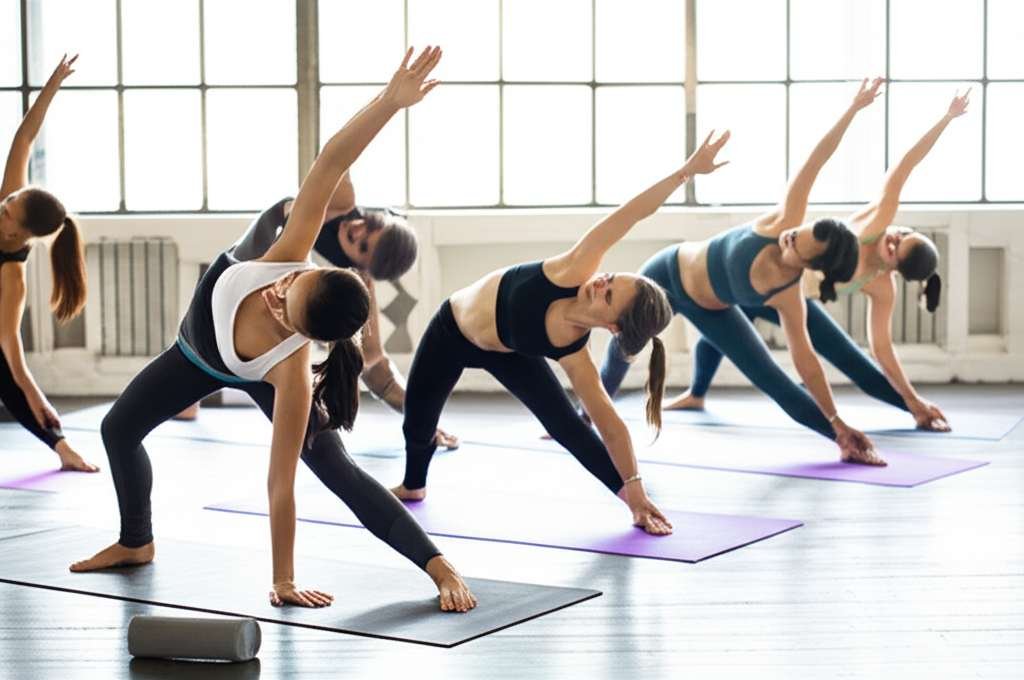
Why Yoga for Weight Loss? The Science Explained Simply
You might be wondering, “Can yoga really help me lose weight?” The answer is a resounding yes, and it’s not just about burning calories during your practice. Yoga works in several powerful ways to support your weight loss journey.
Firstly, consistent yoga practice helps to build lean muscle mass. Muscle burns more calories at rest than fat does, so the more muscle you have, the higher your resting metabolism will be. This means your body will be working harder to burn calories even when you’re not doing yoga.
Secondly, yoga is a fantastic stress reliever. When we’re stressed, our bodies release a hormone called cortisol. High levels of cortisol can lead to increased appetite, cravings for unhealthy foods, and fat storage, particularly around the abdomen. By reducing stress, yoga helps to lower cortisol levels, making it easier to manage your weight.
Thirdly, yoga encourages mindfulness. This means paying attention to your body and your surroundings without judgment. Practicing mindfulness can help you become more aware of your hunger and fullness cues, leading to healthier eating habits and preventing emotional eating.
Finally, certain yoga poses and styles are designed to get your heart rate up, boosting your cardiovascular health and burning calories directly. We’ll explore some of these routines below!
7 Yoga Routines for Beginners to Lose Weight Effortlessly
Ready to get started? These routines are designed for ease and effectiveness, perfect for anyone new to yoga or looking to integrate it into their weight loss plan. Remember to listen to your body, and don’t push yourself too hard, especially when you’re just beginning.
1. The Gentle Wake-Up Flow: Energize Your Morning
This routine is perfect for kickstarting your day. It’s a slow, mindful flow that gently wakes up your body, improves circulation, and prepares you for the day ahead, setting a positive tone for healthy choices.
Sun Salutation A (Surya Namaskar A) – Modified: Start with 3-5 rounds. Instead of jumping back, step your feet. Focus on deep breaths.
Stand tall, inhale, arms up.
Exhale, fold forward.
Inhale, lift halfway (flat back).
Exhale, step or hop back to Plank.
Lower knees, chest, chin, or do Chaturanga.
Inhale, Cobra or Upward-Facing Dog.
Exhale, Downward-Facing Dog.
Inhale, step feet forward.
Exhale, fold forward.
Inhale, rise up, arms overhead.
Exhale, hands to heart center.
Cat-Cow Pose (Marjaryasana-Bitilasana): 5-10 rounds. Inhale for Cow (belly down, gaze up), exhale for Cat (back rounded, chin to chest). This warms up the spine.
Child’s Pose (Balasana): Hold for 5-10 breaths. A resting pose to connect with your breath.
Benefits: Boosts metabolism, improves digestion, reduces stiffness, and promotes mental clarity.
2. The Core Strength Builder: Toning Your Midsection
A strong core is essential for good posture, stability, and efficient movement. These poses target your abdominal muscles, helping to flatten your stomach and support your spine.
Plank Pose (Phalakasana): Hold for 30-60 seconds, 2-3 times. Keep your body in a straight line from head to heels. Engage your core.
Boat Pose (Paripurna Navasana): Hold for 30 seconds, 2-3 times. Lift your legs and chest, balancing on your sit bones. For an easier version, keep your knees bent.
Cobra Pose (Bhujangasana): Hold for 3-5 breaths, 3 times. Lie on your stomach, lift your chest using back strength, keeping hips on the floor. This also strengthens the back.
Bridge Pose (Setu Bandhasana): Hold for 5-10 breaths, 2-3 times. Lie on your back, lift your hips. This is great for glutes and hamstrings too.
Benefits: Strengthens abdominal muscles, improves posture, burns calories, and aids in digestion.
3. The Stress-Busting Flow: Calm and Burn
Stress can sabotage weight loss efforts. This gentle, restorative routine focuses on calming the nervous system while still engaging muscles and promoting circulation.
Cat-Cow Pose (Marjaryasana-Bitilasana): 5-10 rounds. Focus on deep, even breaths.
Thread the Needle Pose (Urdhva Mukha Pasasana variation): Hold for 5 breaths per side, 2 times. This gentle twist releases tension in the upper back and shoulders.
Legs-Up-the-Wall Pose (Viparita Karani): Hold for 5-10 minutes. Lie on your back, extend legs up the wall. This promotes relaxation and circulation.
Supine Spinal Twist (Supta Matsyendrasana): Hold for 5 breaths per side, 2 times. Lie on your back, draw one knee to your chest, and gently twist it across your body.
Benefits: Reduces cortisol levels, calms the mind, improves sleep, and aids in muscle recovery.
4. The Full Body Energizer: Cardiovascular Boost
To lose weight effectively, you need to elevate your heart rate. This routine incorporates poses that get your blood pumping, burning more calories and improving cardiovascular health.
Warrior II (Virabhadrasana II): Hold for 5 breaths, 3 times per side. Great for legs and core strength, also opens hips.
Triangle Pose (Trikonasana): Hold for 5 breaths, 3 times per side. Stretches hamstrings, hips, and spine, and opens the chest.
Chair Pose (Utkatasana): Hold for 5 breaths, 3 times. Builds heat and strengthens legs and glutes.
Upward-Facing Dog (Urdhva Mukha Svanasana) or Cobra Pose (Bhujangasana): Hold for 3-5 breaths, 3 times. Opens the chest and strengthens the back.
Plank Pose to Chaturanga to Upward-Facing Dog (or Cobra): Flow through this sequence 3-5 times with your breath. This is a mini-Vinyasa that really gets your heart rate up.
Benefits: Burns significant calories, improves endurance, strengthens legs and arms, and boosts metabolism.
5. The Hip and Hamstring Opener: Releasing Stored Tension
Tight hips and hamstrings can affect your posture and movement, sometimes leading to discomfort or compensatory patterns that hinder weight loss. This routine focuses on gentle stretching and release.
Low Lunge (Anjaneyasana): Hold for 5 breaths, 3 times per side. Great for hip flexors.
Pigeon Pose (Eka Pada Rajakapotasana) – Modified: Hold for 5 breaths per side, 2 times. If full Pigeon is too intense, try “Figure Four” stretch lying on your back. This opens the hips deeply.
Forward Fold (Uttanasana): Hold for 5-10 breaths. Gently release the hamstrings and back.
Reclining Hand-to-Big-Toe Pose (Supta Padangusthasana): Hold for 5 breaths per side, 2 times. Use a strap if needed to deepen the hamstring stretch.
Benefits: Improves flexibility, releases stored emotional tension, enhances posture, and can reduce lower back pain.
6. The Balancing Act: Building Stability and Focus
Balancing poses require concentration and engage smaller stabilizing muscles, which can contribute to overall strength and calorie burn. They also cultivate mental focus, which can translate to better decision-making regarding food.
Tree Pose (Vrksasana): Hold for 5 breaths, 3 times per side. Find a steady gaze (drishti) to help maintain balance.
Eagle Pose (Garudasana): Hold for 5 breaths, 2 times per side. This pose is challenging but great for focus and stretching shoulders and hips.
Warrior III (Virabhadrasana III): Hold for 3-5 breaths, 2 times per side. A more advanced balance, start by just lifting the back leg slightly.
Half Moon Pose (Ardha Chandrasana): Hold for 5 breaths, 2 times per side. Use a block under your hand for support if needed.
Benefits: Improves balance and coordination, strengthens ankles and legs, enhances concentration, and builds core stability.
7. The Restorative Cool-Down: Recovery and Reflection
After any physical activity, it’s crucial to cool down and allow your body to recover. This routine focuses on gentle stretches and relaxation, aiding muscle repair and promoting a sense of calm, which is vital for sustainable weight loss.
Child’s Pose (Balasana): Hold for 5-10 breaths. A deeply relaxing pose.
Seated Forward Bend (Paschimottanasana): Hold for 5-10 breaths. Gently stretch the hamstrings and spine.
Reclining Bound Angle Pose (Supta Baddha Konasana): Hold for 5 minutes. Lie on your back with soles of feet together, knees out to the sides. This opens the hips and chest and is very calming.
Corpse Pose (Savasana): Hold for 5-10 minutes. Lie flat on your back, relax your entire body. This is where the body integrates the benefits of the practice.
Benefits: Aids muscle recovery, reduces soreness, promotes relaxation, and encourages mindful appreciation of your body.
Integrating Yoga into Your Weight Loss Plan: Practical Tips
Starting with these routines is a fantastic first step. To maximize their impact on your weight loss, consider these practical tips:
Consistency is Key: Aim to practice yoga at least 3-5 times a week. Even 15-20 minutes daily can make a difference.
Listen to Your Body: Never push into pain. Yoga is about working with your body, not against it. Modify poses as needed.
Combine with Healthy Eating: Yoga is a powerful tool, but it works best when paired with a balanced, nutritious diet. Focus on whole foods, lean proteins, and plenty of fruits and vegetables.
Stay Hydrated: Drink plenty of water throughout the day, especially before and after your yoga practice.
Get Enough Sleep: Aim for 7-9 hours of quality sleep per night. Sleep is crucial for hormone regulation and recovery, both essential for weight loss.
Mindful Movement Beyond the Mat: Try to bring the mindfulness you cultivate in yoga into your daily life. Pay attention to how your body feels, your hunger cues, and your emotional state.
Patience and Self-Compassion: Weight loss is a journey, not a race. Celebrate small victories and be kind to yourself on days when it feels harder.
Frequently Asked Questions About Yoga for Weight Loss
Here are some common questions beginners have about using yoga for weight loss:
What is the best type of yoga for weight loss?
While all yoga can contribute to weight loss by reducing stress and building awareness, styles like Vinyasa, Power Yoga, and Ashtanga are more physically demanding and burn more calories in a shorter period. However, for beginners, a consistent practice of gentler routines focusing on strength and mindfulness, as outlined above, is more sustainable and equally effective for long-term results.
How often should I practice yoga to lose weight?
Consistency is more important than intensity when starting. Aim for at least 3-5 yoga sessions per week. Even 20-30 minute sessions can yield great benefits. Over time, you can gradually increase the frequency or duration of your practices.
Can I lose weight just by doing yoga?
Yoga can definitely be a significant part of your weight loss journey by building muscle, boosting metabolism, reducing stress, and promoting mindful eating. However, for optimal results, it’s best combined with a healthy, balanced diet and adequate hydration. Think of yoga as a powerful enhancer to your overall healthy lifestyle.
How long does it take to see weight loss results with yoga?
Results vary for everyone and depend on factors like diet, consistency of practice, and individual metabolism. You might start feeling more energetic and less stressed within a few weeks. Visible physical changes and weight loss can typically be noticed within 1-3 months of consistent practice and healthy lifestyle choices.
I’m not flexible. Can I still do yoga for weight loss?
Absolutely! Yoga is for every body, regardless of flexibility. Many poses can be modified with props like blocks or straps, or by simply not going as deep into the stretch. The goal is progress, not perfection. Your flexibility will improve naturally as you continue to practice regularly.
What should I eat after a yoga session for weight loss?
After yoga, focus on a balanced meal or snack that includes protein and complex carbohydrates to aid muscle recovery and keep you full. Examples include a smoothie with protein powder and fruit, Greek yogurt with berries, or a small portion of chicken or lentils with vegetables. Avoid heavy, processed foods immediately after practice.
Understanding Yoga and Metabolism: A Deeper Look
It’s worth diving a little deeper into how yoga impacts your metabolism. Metabolism is essentially the process by which your body converts what you eat and drink into energy. A higher metabolism means your body burns more calories.
Yoga contributes to a higher metabolism in several ways:
Muscle Building: As mentioned, poses like Plank, Boat Pose, and Warrior variations build lean muscle. Muscle tissue is metabolically active, meaning it burns calories even when you’re at rest. The more muscle you have, the higher your basal metabolic rate (BMR).
Increased Oxygen Consumption: More intense yoga flows, like Vinyasa, can increase your heart rate and oxygen consumption during the practice, leading to a higher calorie burn.
Improved Circulation: Yoga postures help to improve blood flow throughout the body. Better circulation means that nutrients and oxygen are delivered more efficiently to your cells, supporting all metabolic processes.
Hormonal Balance: By reducing stress and promoting relaxation, yoga can help balance hormones like cortisol and insulin. Imbalances in these hormones can negatively affect metabolism and contribute to weight gain. For instance, chronically high cortisol can promote fat storage, especially in the abdominal area. You can learn more about the endocrine system and its role in metabolism from resources like the Endocrine Society.
Mindful Eating: The increased mindfulness cultivated through yoga often extends to eating habits. You become more attuned to your body’s signals of hunger and fullness, which can prevent overeating and lead to healthier food choices.
This holistic approach means yoga isn’t just about the calories you burn during practice, but the positive metabolic changes it fosters long-term*.
Sample Weekly Yoga Schedule for Beginners
Here’s a sample schedule to help you integrate these routines into your week. Remember, this is a suggestion; feel free to adjust it based on your energy levels and availability.
| Day | Focus | Routine | Duration (approx.) |
| :——– | :————————– | :——————————————– | :—————– |
| Monday | Gentle Wake-Up & Core | Routine 1 (modified) + Routine 2 | 30-40 minutes |
| Tuesday | Restorative / Active Recovery | Routine 3 | 20-30 minutes |
| Wednesday | Full Body Energizer | Routine 4 | 30-40 minutes |
| Thursday | Hip & Hamstring Release | Routine 5 | 20-30 minutes |
| Friday | Balancing & Strength | Routine 6 + a few core poses from Routine 2 | 30-40 minutes |
| Saturday | Longer Flow / Choice | Combine elements from Routine 1 & 4 | 45-60 minutes |
| Sunday | Restorative Cool-Down | Routine 7 | 30-40 minutes |
This schedule provides a balanced approach, ensuring you get a mix of energizing, strengthening, and restorative practices. It also emphasizes consistency, which is a cornerstone of any successful weight loss plan.
Conclusion: Your Journey Starts Now
Embarking on a weight loss journey can feel daunting, but with tools like yoga, it can become a more enjoyable and sustainable process. These 7 beginner-friendly yoga routines offer a balanced approach to shedding weight by building strength, boosting your metabolism, reducing stress, and fostering a deeper connection with your body.
Remember, the key is consistency, patience, and self-compassion. Each pose you hold, each breath you take, is a step towards a healthier, happier you. Don’t strive for perfection; strive for progress. Listen to your body, celebrate your small victories, and trust the process.
Yoga isn’t just about losing weight; it’s about gaining strength, flexibility, mental clarity, and a more positive relationship with yourself. So, unroll your mat, take a deep breath, and begin your effortless weight loss journey today. You’ve got this!
As an Amazon Associate, We earn from qualifying purchases. When you purchase a product through Amazon links on pulsefitguide.com, we may earn a small commission at no extra cost to you. This helps support the site and keep our content free.
