


Quick Summary:
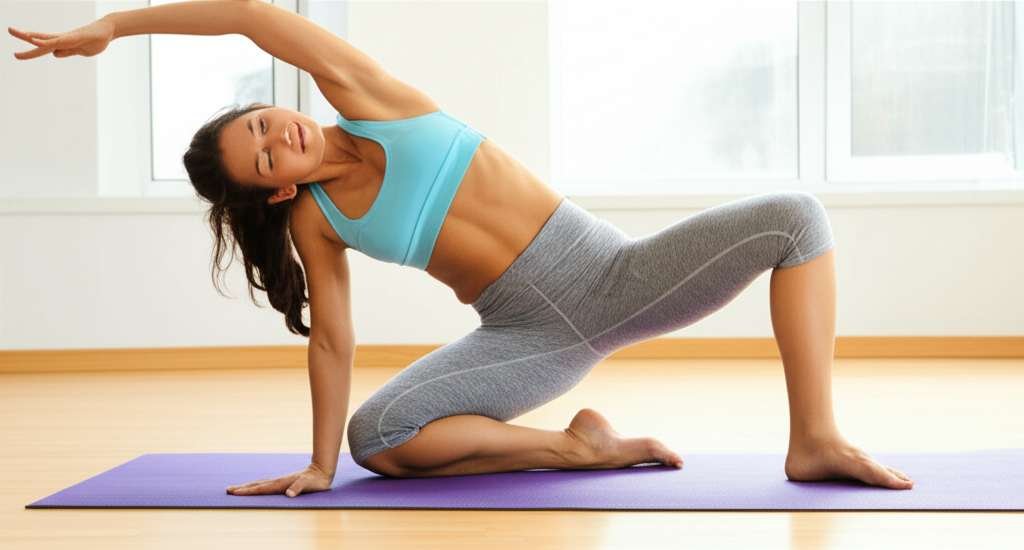
Five essential yoga poses can significantly aid women in their weight loss journey by boosting metabolism, building lean muscle, and reducing stress. These beginner-friendly poses are designed to be accessible, effective, and sustainable for long-term results.
Are you finding that losing weight feels confusing or just plain hard? You’re not alone! Many women struggle with weight loss, and it’s often because we’re looking for quick fixes instead of building healthy habits that stick.
The good news is that getting started doesn’t have to be complicated or expensive. You can tap into powerful tools right within your own body and mind. Yoga offers a gentle yet effective way to support your weight loss goals, combining physical movement with mindfulness.
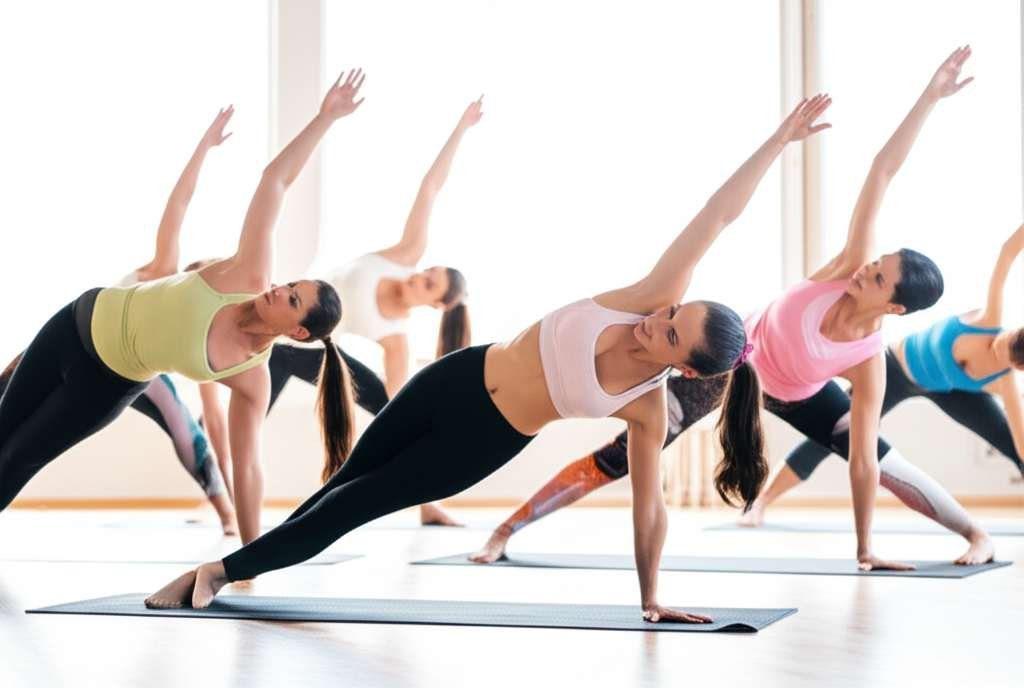
This guide will walk you through five essential yoga exercises perfect for women looking to shed extra pounds. We’ll break down each pose step-by-step, making it easy for beginners to follow along and feel confident. Get ready to discover how yoga can transform your approach to weight loss!
Understanding Yoga’s Role in Weight Loss
Yoga isn’t just about stretching and flexibility; it’s a holistic practice that can deeply influence your weight loss journey. When we talk about weight loss, we often focus on calories burned, but yoga works on multiple levels to support a healthier body composition.
It helps by building strength and muscle mass, which in turn boosts your metabolism. This means your body burns more calories even when you’re resting. Additionally, yoga is a fantastic stress reliever. Chronic stress can lead to hormonal imbalances that encourage weight gain, especially around the belly. By calming your nervous system, yoga helps to regulate these hormones.
Finally, a consistent yoga practice can improve your body awareness. This increased connection to your body often leads to making healthier food choices and being more mindful of hunger and fullness cues. It’s about creating sustainable lifestyle changes, not just temporary fixes.
The Science Behind Yoga for Weight Loss
The effectiveness of yoga for weight loss is supported by science. Studies have shown that regular yoga practice can lead to significant reductions in body weight and body mass index (BMI).
One key mechanism is the increase in metabolism. Certain yoga poses, especially those that involve core engagement and flow, can elevate your heart rate and stimulate your digestive system. This can lead to a higher resting metabolic rate, meaning you burn more calories throughout the day. For instance, research published in the Journal of Alternative and Complementary Medicine has explored yoga’s impact on metabolic syndrome, which is closely linked to weight management.
Furthermore, yoga’s emphasis on mindfulness and stress reduction plays a crucial role. High cortisol levels, a stress hormone, are often associated with increased abdominal fat. Yoga practices like deep breathing (pranayama) and meditation can help lower cortisol levels, thereby reducing stress-induced weight gain. The practice encourages a more mindful approach to eating, often leading individuals to choose nutrient-dense foods and avoid emotional eating.
Key Benefits of Yoga for Women’s Weight Loss
For women, yoga offers a unique set of benefits tailored to common physiological and lifestyle factors that can influence weight management. These benefits go beyond just burning calories.
- Improved Metabolism: Poses that build muscle and engage the core increase your metabolic rate, helping you burn more calories 24/7.
- Stress Reduction: Yoga calms the nervous system, lowering cortisol levels which can prevent stress-related weight gain, particularly around the abdomen.
- Increased Muscle Tone: Holding poses builds lean muscle, which is more metabolically active than fat. This helps sculpt the body and boost calorie burn.
- Enhanced Body Awareness: Yoga cultivates a deeper connection with your body, leading to better recognition of hunger and fullness cues and more mindful eating habits.
- Better Digestion: Certain poses gently massage internal organs and can stimulate digestion, aiding in nutrient absorption and waste elimination.
- Boosted Energy Levels: While relaxing, yoga also energizes by improving circulation and oxygen flow, combating fatigue that can lead to unhealthy food cravings.
5 Essential Yoga Exercises for Women Weight Loss
Let’s dive into the specific yoga poses that are excellent for supporting your weight loss goals. These are beginner-friendly and can be modified to suit your current fitness level. Remember to listen to your body and move with intention.
1. Sun Salutations (Surya Namaskar)
Sun Salutations are a foundational sequence in yoga. They’re a dynamic flow that warms up the entire body, gets your heart rate up, and can be a fantastic way to start your day or a workout.
This sequence links breath with movement, making it a moving meditation. It engages multiple muscle groups, from your legs and core to your arms and shoulders. Doing a few rounds of Sun Salutations can burn a surprising number of calories and boost your metabolism.
How to Perform Sun Salutations (Beginner Flow):
- Mountain Pose (Tadasana): Stand tall with your feet together or hip-width apart. Inhale, sweep your arms up overhead.
- Upward Salute (Urdhva Hastasana): Reach your fingertips towards the ceiling, lengthening your spine.
- Standing Forward Fold (Uttanasana): Exhale, hinge at your hips, and fold forward. Keep a slight bend in your knees if needed. Let your head hang heavy.
- Halfway Lift (Ardha Uttanasana): Inhale, lift your torso halfway. Bring your hands to your shins or fingertips to the floor. Create a flat back.
- Plank Pose: Exhale, step your feet back into a plank position. Your body should form a straight line from head to heels. Engage your core.
- Knees-Chest-Chin Pose (Ashtanga Namaskara): Lower your knees to the mat, then bring your chest and chin down, keeping your hips lifted.
- Cobra Pose (Bhujangasana): Inhale, slide your chest forward and up, lifting your head and chest off the mat. Keep your elbows tucked in.
- Downward-Facing Dog (Adho Mukha Svanasana): Exhale, tuck your toes, lift your hips up and back, forming an inverted V-shape. Press firmly through your hands.
- Step Forward: Inhale, step your feet forward between your hands.
- Halfway Lift: Inhale, lift your torso halfway with a flat back.
- Standing Forward Fold: Exhale, fold forward.
- Mountain Pose with Upward Salute: Inhale, rise all the way up, sweeping your arms overhead. Exhale, bring your hands to heart center.
Repeat this sequence 3-5 times. As you get more comfortable, you can gradually increase the number of rounds.
2. Warrior II Pose (Virabhadrasana II)
Warrior II is a powerful standing pose that builds strength and stamina. It’s excellent for toning your legs, hips, and core, while also opening up your chest and shoulders.
Holding this pose requires significant muscular engagement, which helps burn calories and build lean muscle mass. It’s also known for its empowering nature, boosting confidence and focus, which are vital for sticking to any fitness routine.
How to Perform Warrior II:
- Starting Position: Stand at the top of your mat. Step your left foot back about 3-4 feet, turning your left foot out so it’s parallel to the back edge of the mat.
- Front Leg: Bend your right knee so it’s directly over your right ankle. Your right thigh should be parallel to the floor if possible.
- Arms: Extend your arms out to the sides, parallel to the floor. Your right fingertips should reach towards your right foot, and your left fingertips towards the wall behind you.
- Gaze: Turn your head to look over your right fingertips.
- Posture: Keep your torso upright, shoulders relaxed, and hips open. Engage your core.
- Hold: Breathe deeply and hold for 5-10 breaths.
- Switch Sides: Straighten your right leg, pivot your feet, and repeat on the left side.
Focus on pressing evenly through both feet and maintaining a strong, stable core.
3. Plank Pose (Phalakasana)
Plank pose is a fundamental core-strengthening exercise that translates beautifully into yoga. It’s a full-body isometric hold that builds incredible strength in your abdomen, arms, shoulders, and legs.
A strong core is essential for stability in many yoga poses and everyday activities. It also plays a significant role in metabolism. The more muscle you have in your core, the more calories you burn at rest. Plank is a fantastic calorie burner and muscle builder.
How to Perform Plank Pose:
- Starting Position: Begin on your hands and knees.
- Hand Placement: Place your hands directly under your shoulders, fingers spread wide.
- Legs: Tuck your toes and extend your legs back, bringing your body into a straight line from head to heels.
- Core Engagement: Engage your abdominal muscles by drawing your belly button towards your spine.
- Body Alignment: Keep your hips in line with your shoulders; don’t let them sag or lift too high.
- Neck: Keep your neck in a neutral position, gazing slightly forward or down.
- Hold: Breathe deeply and hold for 30 seconds to 1 minute, or as long as you can maintain good form.
Modifications: If a full plank is too challenging, you can perform it on your knees, keeping your body in a straight line from head to knees.
4. Boat Pose (Paripurna Navasana)
Boat Pose is a challenging but incredibly rewarding pose for building core strength. It specifically targets your abdominal muscles, hip flexors, and spine.
A strong core is crucial for overall fitness and plays a vital role in metabolism. By strengthening your abdominal muscles, you improve your body’s ability to efficiently process food and energy. This pose also encourages better posture and can help alleviate back pain.
How to Perform Boat Pose:
- Starting Position: Sit on the floor with your knees bent and feet flat on the ground.
- Lean Back: Lean your torso back slightly, keeping your spine straight.
- Lift Feet: Lift your feet off the floor, bringing your shins parallel to the ground.
- Extend Legs (Optional): For a more advanced variation, straighten your legs, forming a “V” shape with your body.
- Arms: Extend your arms straight out in front of you, parallel to the floor, palms facing each other.
- Hold: Engage your core and hold the pose, breathing deeply. Aim for 5-10 breaths.
Tips: If lifting your feet is too difficult, you can keep your toes lightly touching the floor or hold onto the backs of your thighs for support. Focus on keeping your chest lifted and spine long.
5. Bridge Pose (Setu Bandhasana)
Bridge Pose is a gentle backbend that opens the chest and shoulders, stretches the front of the body, and strengthens the glutes, hamstrings, and core. It’s also known for its calming effect on the mind.
This pose can help counteract the effects of prolonged sitting by opening up the chest and improving posture. Strengthening the posterior chain (glutes and hamstrings) is crucial for a balanced physique and can boost metabolism. It also stimulates the thyroid gland, which plays a key role in regulating metabolism.
How to Perform Bridge Pose:
- Starting Position: Lie on your back with your knees bent and feet flat on the floor, hip-width apart. Your feet should be close enough to touch your heels with your fingertips.
- Arms: Rest your arms alongside your body, palms facing down.
- Lift Hips: Inhale and press through your feet, lifting your hips off the floor towards the ceiling.
- Engage Muscles: Squeeze your glutes and engage your core. Keep your thighs parallel to each other.
- Chest Opener: Gently roll your shoulders underneath you and clasp your hands together beneath your back for a deeper chest opening (optional).
- Hold: Breathe deeply and hold for 5-10 breaths.
- Lower: Exhale and slowly lower your hips back down to the floor, one vertebra at a time.
Variations: For a deeper stretch, you can place a block under your sacrum for a supported bridge pose.
Integrating Yoga into Your Weight Loss Plan
Adding these five yoga exercises to your routine can make a significant difference in your weight loss journey. But how do you best integrate them?
Consistency is key. Aim to practice these poses at least 3-5 times a week. You can dedicate a specific time each day for a short yoga session, perhaps in the morning to energize your day or in the evening to unwind.
Consider creating a simple yoga flow by linking the poses together. For example, you could start with a few rounds of Sun Salutations, move into Warrior II, hold Plank for a bit, then transition to Boat Pose, and finish with Bridge Pose. This creates a mini-workout that is both effective and enjoyable.
Don’t forget to combine your yoga practice with a balanced diet. Yoga can help with mindful eating, but proper nutrition is fundamental for weight loss. Focus on whole, unprocessed foods, plenty of fruits and vegetables, lean protein, and healthy fats.
Sample Weekly Yoga Schedule for Weight Loss
Here’s a sample schedule to help you get started. Remember, this is a template, and you should adjust it to fit your lifestyle and energy levels.
| Day | Focus | Recommended Poses | Duration |
|---|---|---|---|
| Monday | Full Body Flow & Core | Sun Salutations (5 rounds), Plank Pose, Boat Pose | 20-25 minutes |
| Tuesday | Strength & Stamina | Sun Salutations (3 rounds), Warrior II (both sides), Plank Pose | 15-20 minutes |
| Wednesday | Restorative & Flexibility | Gentle stretching, focus on breathwork, Bridge Pose | 15-20 minutes |
| Thursday | Full Body Flow & Core | Sun Salutations (5 rounds), Plank Pose, Boat Pose | 20-25 minutes |
| Friday | Strength & Stamina | Sun Salutations (3 rounds), Warrior II (both sides), Plank Pose | 15-20 minutes |
| Saturday | Active Recovery / Light Practice | Light stretching, focus on holding poses longer, Bridge Pose | 15 minutes |
| Sunday | Rest | Complete rest or very light stretching | N/A |
This schedule provides a good balance of challenging poses and recovery. As you become stronger, you can increase the duration of holds, the number of repetitions, or the total practice time.
Listening to Your Body & Progression
The most important aspect of any fitness journey is learning to listen to your body. Yoga is a practice of self-awareness, and this extends to understanding your physical limits and capabilities.
If a pose feels painful, don’t push through it. Instead, modify it or skip it for that session. For example, if holding Plank for a full minute is too much, start with 20-30 seconds and gradually build up. If your knees hurt in Bridge Pose, place a folded blanket underneath them.
Progression in yoga isn’t about achieving the “perfect” pose overnight. It’s about consistent effort and gradual improvement. Celebrate the small victories – holding a pose a little longer, feeling stronger in your core, or noticing a decrease in stress levels. These are all signs of progress.
As you become more comfortable with these five poses, you can start exploring other yoga styles or more advanced variations. Resources like Yoga Journal offer a wealth of information on different poses and sequences.
Frequently Asked Questions (FAQs)
Q1: How often should I do these yoga exercises for weight loss?
A1: Aim for at least 3-5 times a week. Consistency is more important than intensity, especially when you’re starting out. Even short, regular sessions can yield great results.
Q2: Can I do yoga on an empty stomach?
A2: Yes, it’s generally recommended to practice yoga on an empty stomach, ideally 2-3 hours after a meal. This allows for better movement and digestion during your practice.
Q3: What if I’m not flexible? Can I still do these poses?
A3: Absolutely! Yoga is for every body, regardless of flexibility. Use props like blocks or straps, and don’t hesitate to modify poses. The goal is to move with your body’s current ability, not to force yourself into a shape.
Q4: How long will it take to see results?
A4: Results vary from person to person. You might start feeling more energetic and less stressed within a few weeks. Visible changes in weight and body composition typically take several months of consistent practice combined with a healthy diet.
Q5: Do I need special equipment for these yoga exercises?
A5: A comfortable yoga mat is highly recommended for grip and cushioning. You might also find yoga blocks or a strap helpful for modifications, but they are not essential to start.
Q6: Can yoga help with stress eating?
A6: Yes, yoga’s emphasis on mindfulness and breathwork can significantly reduce stress levels. This can help you become more aware of emotional triggers for eating and develop healthier coping mechanisms.
Q7: Is it okay to combine yoga with other forms of exercise like cardio or strength training?
A7: Definitely! Combining yoga with cardio (like brisk walking or running) and other strength training can create a well-rounded fitness plan that supports weight loss effectively. Yoga complements these activities by improving flexibility, balance, and mind-body connection.
Conclusion
Embarking on a weight loss journey can feel overwhelming, but incorporating these five essential yoga exercises can provide a clear, effective, and accessible path forward for women. By focusing on poses that build strength, boost metabolism, and reduce stress, you’re not just aiming for a number on the scale, but for overall well-being.
Remember that consistency, patience, and self-compassion are your greatest allies. Listen to your body, celebrate your progress, and enjoy the process of becoming stronger, healthier, and more connected to yourself. Yoga offers a powerful, sustainable way to support your weight loss goals and enhance your quality of life. So, unroll your mat, take a deep breath, and begin your empowering yoga journey today!
As an Amazon Associate, We earn from qualifying purchases. When you purchase a product through Amazon links on pulsefitguide.com, we may earn a small commission at no extra cost to you. This helps support the site and keep our content free.
