


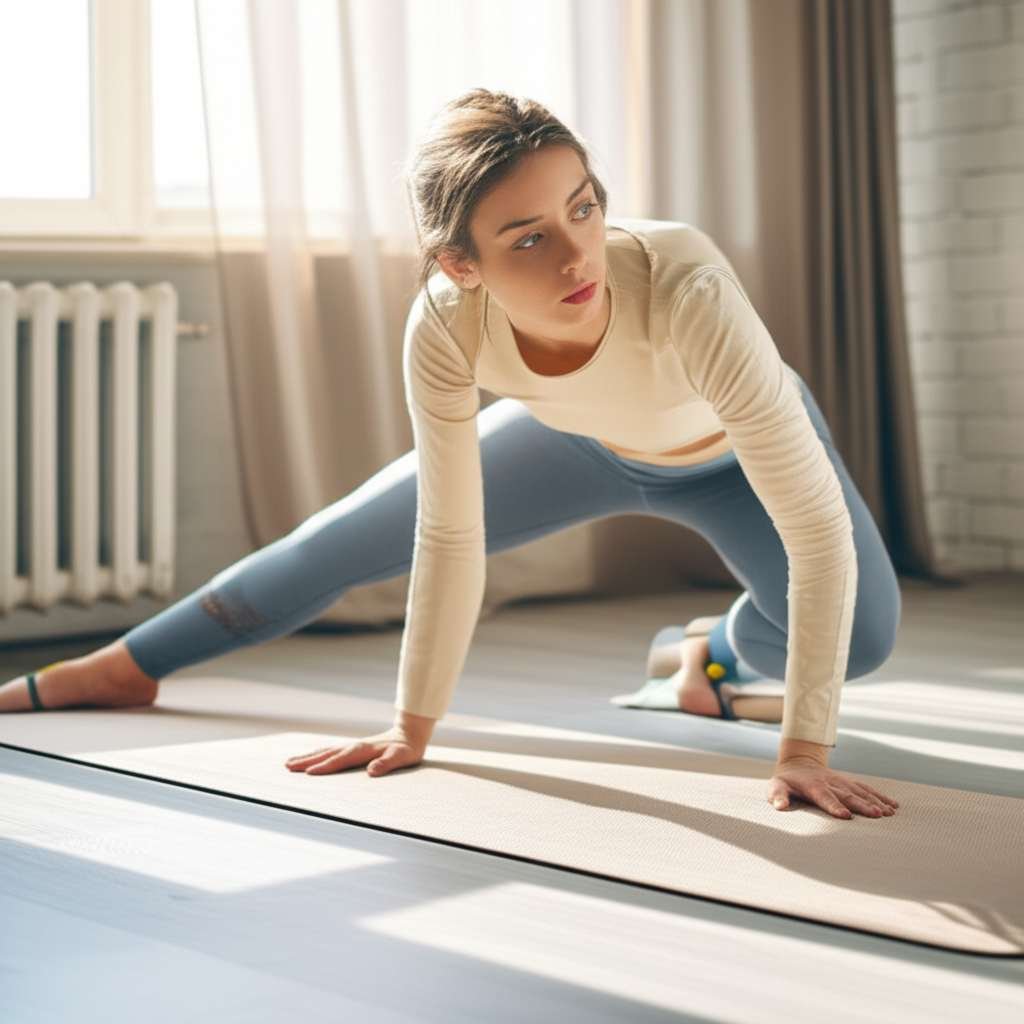
Yes! 5 morning yoga routines can effectively support weight loss by boosting metabolism, building lean muscle, reducing stress, and improving digestion. These beginner-friendly sequences are designed to be accessible and sustainable for anyone looking to kickstart their day with movement for a healthier body.
Feeling a bit stuck with your weight loss journey? You’re not alone! Many of us find it confusing and frustrating to shed those extra pounds. It can feel like a puzzle with missing pieces, and sometimes the advice out there is just too complicated.
But what if I told you that a simple, calming practice could be a powerful tool in your weight loss efforts? Yoga, especially when done in the morning, can work wonders for your body and mind, making that weight loss goal feel much more achievable.
We’re going to explore five easy-to-follow morning yoga routines specifically designed to help you on your weight loss path. Get ready to feel energized, stronger, and more in control!
Why Morning Yoga for Weight Loss?
Starting your day with yoga is like giving your body a gentle yet powerful wake-up call. It’s not just about stretching; it’s about activating your body’s natural fat-burning capabilities and setting a positive tone for the rest of your day.
Morning yoga can significantly contribute to weight loss in several key ways:
- Metabolism Boost: Certain yoga poses can increase your heart rate and activate your muscles, leading to a higher metabolic rate. This means your body burns more calories, even after your practice. A higher metabolism is crucial for sustainable weight loss.
- Muscle Building: Yoga strengthens and tones your muscles. More muscle mass helps burn more calories at rest, a concept known as the resting metabolic rate. Building lean muscle is a cornerstone of effective and long-term weight management.
- Stress Reduction: High stress levels can lead to weight gain, particularly around the belly, due to the hormone cortisol. Yoga is renowned for its stress-reducing benefits, helping to calm the nervous system and lower cortisol.
- Improved Digestion: Twisting poses and mindful movement can stimulate your digestive organs, promoting better digestion and reducing bloating. Good digestion is essential for nutrient absorption and waste elimination, both important for weight management.
- Mindful Eating Habits: The mindfulness cultivated in yoga often extends beyond the mat, encouraging more conscious food choices and reducing emotional eating.
Think of your morning yoga practice as a foundational habit. It prepares your body and mind for the day ahead, making healthier choices feel more natural and less like a chore.
Choosing the Right Routine for You
The best routine is one you’ll actually stick with! As a beginner, it’s important to choose sequences that are accessible, enjoyable, and align with your current fitness level. Don’t worry about perfecting every pose right away; focus on consistency and listening to your body.
Here’s a quick look at what we’ll cover:
- A Gentle Wake-Up Flow
- A Core-Strengthening Sequence
- A Metabolism-Boosting Vinyasa
- A Stress-Relief & Detox Flow
- A Full-Body Energizer
We’ll break down each routine with simple steps, so you can start feeling the benefits right away. Let’s get moving!
Routine 1: The Gentle Wake-Up Flow
This routine is perfect for beginners or for days when you need a softer start. It focuses on gentle movement to awaken the body, improve circulation, and prepare your muscles for the day.
Benefits:
- Increases blood flow
- Gently warms up muscles
- Promotes flexibility
- Calms the mind
Poses and How to Do Them:
- Child’s Pose (Balasana):
- Start on your hands and knees. Bring your big toes to touch and widen your knees.
- Sink your hips back towards your heels and rest your forehead on the mat. Extend your arms forward or rest them alongside your body.
- Breathe deeply for 5-10 breaths. This pose is a great way to center yourself and start your practice.
- Cat-Cow Pose (Marjaryasana-Bitilasana):
- From hands and knees, inhale as you drop your belly, lift your chest and tailbone (Cow pose).
- Exhale as you round your spine, tuck your chin to your chest, and draw your navel towards your spine (Cat pose).
- Flow between these two poses for 5-8 breaths, linking your movement with your breath. This sequence is fantastic for spinal mobility.
- Thread the Needle Pose (Urdhva Mukha Pasasana Variation):
- From hands and knees, inhale and reach your right arm up towards the sky.
- Exhale and thread your right arm under your left arm, resting your right shoulder and temple on the mat. Your left hand can stay put or walk forward.
- Hold for 3-5 breaths, then press into your left hand to unwind and repeat on the other side. This gentle twist aids digestion.
- Downward-Facing Dog (Adho Mukha Svanasana):
- From hands and knees, tuck your toes, lift your hips up and back, forming an inverted V-shape.
- Keep your knees slightly bent if needed, and press firmly through your hands. Let your head hang heavy.
- Pedal your feet by bending one knee and straightening the other to stretch your hamstrings and calves. Hold for 5-8 breaths. This pose is a full-body stretch and energizer.
- Cobra Pose (Bhujangasana):
- Lie on your belly with your legs extended and hands under your shoulders.
- Inhale and gently lift your chest off the floor using your back muscles, keeping your elbows close to your body. Avoid pushing up with your hands too much.
- Hold for 3-5 breaths, then exhale to lower. Repeat 3-5 times. This pose opens the chest and strengthens the spine.
- Seated Forward Bend (Paschimottanasana):
- Sit with your legs extended straight in front of you.
- Inhale and lengthen your spine, then exhale and hinge at your hips to fold forward over your legs.
- You can hold onto your shins, ankles, or feet. Keep a slight bend in your knees if your hamstrings feel tight.
- Hold for 5-8 breaths. This pose calms the mind and stretches the back of the body.
- Corpse Pose (Savasana):
- Lie on your back with your legs extended and arms by your sides, palms facing up.
- Close your eyes and allow your body to completely relax. Focus on your breath.
- Stay here for 2-5 minutes to allow your body to integrate the practice.
Routine 2: The Core-Strengthening Sequence
A strong core is essential for stability, posture, and efficient movement, all of which play a role in weight loss. This routine focuses on engaging your abdominal muscles to build strength and support your body.
Benefits:
- Builds core strength
- Improves posture
- Tones abdominal muscles
- Boosts metabolism through muscle engagement
Poses and How to Do Them:
- Plank Pose (Phalakasana):
- Start in Downward-Facing Dog.
- Shift your weight forward so your shoulders are directly over your wrists, and your body forms a straight line from head to heels.
- Engage your core by drawing your navel towards your spine. Keep your neck long.
- Hold for 30-60 seconds. If this is too challenging, you can drop to your knees.
- Forearm Plank (Makara Adho Mukha Svanasana):
- From plank pose, lower down onto your forearms, ensuring your elbows are directly beneath your shoulders.
- Keep your body in a straight line from head to heels, engaging your core.
- Hold for 30-60 seconds. This variation puts less pressure on the wrists.
- Boat Pose (Paripurna Navasana):
- Sit on the floor with your knees bent and feet flat. Lean back slightly, keeping your spine straight.
- Lift your feet off the floor, so your shins are parallel to the ground. Extend your arms forward, parallel to the floor.
- Engage your core and try to straighten your legs further if comfortable.
- Hold for 20-30 seconds. Repeat 3-5 times.
- Wind-Relieving Pose (Pawanmuktasana):
- Lie on your back. Inhale and draw your right knee towards your chest.
- Exhale and hug your knee in, keeping your left leg extended. You can interlace your fingers around your shin.
- Hold for 5-8 breaths. Repeat on the left side.
- Then, inhale and draw both knees towards your chest, hugging them in. Hold for 5-8 breaths. This pose helps release tension and gas from the abdomen.
- Bridge Pose (Setu Bandhasana):
- Lie on your back with your knees bent and feet flat on the floor, hip-width apart.
- Place your arms by your sides, palms down.
- Inhale and press through your feet to lift your hips off the floor. You can keep your arms flat or interlace your fingers underneath your back to lift your chest further.
- Engage your glutes and core. Hold for 5-8 breaths. Repeat 3-5 times. This pose strengthens the back and glutes, and opens the chest.
- Reclining Spinal Twist (Supta Matsyendrasana):
- Lie on your back and draw both knees to your chest.
- Extend your arms out to the sides in a T-shape.
- Exhale and let both knees fall to the right side, keeping your shoulders on the mat. Turn your head to the left if comfortable.
- Hold for 5-8 breaths, then switch sides. This twist is excellent for digestion and releasing tension in the spine.
Routine 3: The Metabolism-Boosting Vinyasa
Vinyasa means “to place in a special way” and refers to a flowing style of yoga where poses are linked together with breath. This dynamic routine increases your heart rate, builds heat in the body, and can significantly boost your metabolism.
Benefits:
- Significantly increases heart rate
- Builds internal heat (tapas)
- Improves cardiovascular health
- Burns more calories
- Enhances strength and stamina
Poses and How to Do Them:
This routine flows from one pose to the next. Move with your breath, inhaling to move into a pose or expand, and exhaling to move deeper or transition.
- Sun Salutation A (Surya Namaskar A) – 3-5 rounds:
- Mountain Pose (Tadasana): Stand tall, feet together or hip-width apart.
- Upward Salute (Urdhva Hastasana): Inhale, reach arms overhead.
- Forward Fold (Uttanasana): Exhale, hinge at hips, fold forward, knees bent.
- Halfway Lift (Ardha Uttanasana): Inhale, lengthen spine, hands on shins or floor.
- Plank Pose: Exhale, step feet back to plank.
- Chaturanga Dandasana: Lower halfway down (knees can be down).
- Upward-Facing Dog (Urdhva Mukha Svanasana) or Cobra Pose: Inhale, lift chest.
- Downward-Facing Dog: Exhale, lift hips. Hold for 5 breaths.
- Inhale, step or hop feet forward.
- Inhale, halfway lift.
- Exhale, forward fold.
- Inhale, rise to stand, arms overhead.
- Exhale, hands to heart center.
- Warrior II (Virabhadrasana II):
- From Downward-Facing Dog, step your right foot forward between your hands. Spin your left heel down so your left foot is parallel to the back of the mat.
- Inhale and rise, opening your hips to the side, bending your right knee over your right ankle. Extend your arms parallel to the floor, gazing over your right fingertips.
- Hold for 5-8 breaths. Repeat on the other side. This pose builds leg strength and stamina.
- Triangle Pose (Trikonasana):
- From Warrior II, straighten your front leg.
- Inhale and reach your front arm forward, then exhale and hinge at your hip, lowering your front hand to your shin, ankle, or a block. Reach your top arm towards the sky.
- Keep both legs strong and your chest open. Hold for 5-8 breaths. Repeat on the other side. This pose is a great hamstring and side-body stretch.
- Low Lunge (Anjaneyasana):
- From Downward-Facing Dog, step your right foot forward between your hands. Lower your left knee to the mat.
- Inhale and rise, bringing your hands to your front thigh or reaching them overhead. Sink into the lunge, feeling a stretch in your left hip flexor.
- Hold for 5-8 breaths. Repeat on the other side.
- Chair Pose (Utkatasana):
- From Mountain Pose, inhale and bend your knees as if sitting back into a chair. Raise your arms overhead.
- Keep your core engaged and ensure your knees don’t go past your toes.
- Hold for 5-8 breaths. This pose is a powerful thigh and glute strengthener.
Routine 4: The Stress-Relief & Detox Flow
Stress can sabotage weight loss efforts by increasing appetite and encouraging fat storage. This routine combines poses that are known to calm the nervous system and gentle twists that can aid in detoxification.
Benefits:
- Reduces stress and anxiety
- Promotes relaxation
- Aids in digestion and detoxification
- Calms the mind
Poses and How to Do Them:
- Seated Cat-Cow:
- Sit comfortably in a cross-legged position.
- Inhale as you arch your spine, open your chest, and gaze slightly upwards (Cow).
- Exhale as you round your spine, tuck your chin to your chest, and draw your navel in (Cat).
- Flow for 5-8 breaths. This is a gentle way to start moving your spine.
- Seated Side Bend:
- From a cross-legged seat, inhale and reach your right arm overhead.
- Exhale and bend to the left, feeling a stretch along your right side body. Keep both sitting bones grounded.
- Hold for 3-5 breaths. Inhale to center, then repeat on the other side.
- Gentle Spinal Twists (Seated or Supine):
- Seated: Inhale to lengthen your spine, exhale and twist to the right, placing your left hand on your right knee and your right hand behind you.
- Supine: Lie on your back, draw knees to chest, and let them fall to one side while looking the opposite way.
- Hold each for 5-8 breaths. Repeat on the other side.
- Pigeon Pose (Eka Pada Rajakapotasana – Modified):
- Start in Downward-Facing Dog. Bring your right knee forward towards your right wrist. Angle your right shin across the mat.
- Extend your left leg straight back. Keep your hips as level as possible.
- You can stay upright or fold forward over your front leg for a deeper stretch. Use props like blankets or blocks under your hip if needed.
- Hold for 5-10 breaths. Repeat on the other side. This pose is excellent for hip opening and releasing stored tension.
- Legs-Up-the-Wall Pose (Viparita Karani):
- Sit with one hip against a wall. Swing your legs up the wall so your body forms an L-shape.
- Rest your arms by your sides or on your belly. Allow your body to relax completely.
- Stay here for 5-10 minutes. This restorative pose helps calm the nervous system and promotes relaxation.
- Deep Breathing (Pranayama):
- Sit comfortably. Close your eyes.
- Place one hand on your belly and the other on your chest.
- Inhale deeply through your nose, feeling your belly rise, then your chest.
- Exhale slowly through your nose, feeling your chest fall, then your belly.
- Practice for 2-3 minutes. This simple practice can significantly reduce stress.
Routine 5: The Full-Body Energizer
This routine is designed to wake up every part of your body, from your toes to your fingertips. It combines strength, flexibility, and a touch of cardio to get your energy levels soaring and your metabolism humming.
Benefits:
- Works all major muscle groups
- Increases energy levels
- Improves circulation
- Boosts overall fitness
Poses and How to Do Them:
- Sun Salutation B (Surya Namaskar B) – 2-3 rounds:
- This is similar to Sun Salutation A but includes Warrior I (Virabhadrasana I) and Chair Pose (Utkatasana).
- Start in Mountain Pose.
- Inhale, bend knees, raise arms (Chair Pose).
- Exhale, forward fold.
- Inhale, halfway lift.
- Exhale, step back to Plank.
- Lower through Chaturanga.
- Inhale, Upward-Facing Dog or Cobra.
- Exhale, Downward-Facing Dog. Hold for 5 breaths.
- Inhale, step right foot forward, spin left heel down, rise to Warrior I.
- Exhale, hands down, step back to Plank, Chaturanga, Upward-Facing Dog, Downward-Facing Dog.
- Repeat on the left side for Warrior I.
- After Downward-Facing Dog on the left, step or hop feet forward, halfway lift, forward fold, rise to Chair Pose, then Mountain Pose.
- The full sequence is more complex and will boost your heart rate.
- Warrior III (Virabhadrasana III):
- From Mountain Pose, shift your weight onto your left foot.
- Hinge forward at your hips, lifting your right leg straight back.
- Your torso and right leg should form a T-shape, parallel to the floor. Extend your arms forward, to the sides, or back alongside your body.
- Engage your core and balance. Hold for 5-8 breaths. Repeat on the other side. This pose builds balance and leg strength.
- Half Moon Pose (Ardha Chandrasana):
- From Warrior III, you can transition into Half Moon.
- Place your left hand on the floor or a block a few inches in front of your left foot.
- Open your hips and chest to the side, lifting your right leg parallel to the floor and stacking your right hip over your left. Extend your right arm towards the sky.
- Keep your standing leg strong. Hold for 5-8 breaths. Repeat on the other side.
- Locust Pose (Salabhasana):
- Lie on your belly with your arms alongside your body, palms facing down or up.
- Inhale and lift your head, chest, arms, and legs off the floor. Engage your glutes and back muscles.
- Keep your neck long. Hold for 3-5 breaths. Repeat 3-5 times. This pose strengthens the back, glutes, and hamstrings.
- Bow Pose (Dhanurasana):
- From lying on your belly, bend your knees and reach back to grab your ankles or feet.
- Inhale and kick your feet into your hands, lifting your chest and thighs off the floor.
- Gaze forward. Hold for 3-5 breaths. Repeat 2-3 times. This pose is a deeper backbend that opens the chest and strengthens the core.
Tips for Success
Starting a new routine can feel daunting, but with a few simple tips, you can make your morning yoga practice a consistent and rewarding part of your weight loss journey.
- Consistency is Key: Aim to practice most mornings, even if it’s just for 10-15 minutes. Small, consistent efforts yield the best long-term results.
- Listen to Your Body: Yoga is not about pushing yourself to pain. Modify poses as needed and rest when you need to.
- Stay Hydrated: Drink a glass of water before and after your practice.
- Focus on Breath: Your breath is your guide. Deep, conscious breathing calms your mind and enhances the physical benefits of the poses. For more on breathwork and its impact, explore resources from the National Center for Complementary and Integrative Health.
- Create a Dedicated Space: Find a quiet spot where you won’t be disturbed. A comfortable mat is a good investment.
- Be Patient: Weight loss is a journey, not a race. Celebrate small victories and trust the process.
What to Expect: A Sample Weekly Schedule
Here’s how you might incorporate these routines into your week. Remember, this is just a suggestion; feel free to adjust it based on your energy levels and preferences.
| Day | Focus | Routine | Duration |
|---|---|---|---|
| Monday | Gentle Start | Routine 1: Gentle Wake-Up Flow | 15-20 minutes |
| Tuesday | Core Strength | Routine 2: Core-Strengthening Sequence | 20-25 minutes |
| Wednesday | Metabolism Boost | Routine 3: Metabolism-Boosting Vinyasa | 25-30 minutes |
| Thursday | Stress & Detox | Routine 4: Stress-Relief & Detox Flow | 20-25 minutes |
| Friday | Full Body | Routine 5: Full-Body Energizer | 30-35 minutes |
| Saturday | Rest or Gentle Flow | Routine 1 or 4 | 15-20 minutes |
| Sunday | Rest or Gentle Flow | Routine 1 or 4 | 15-20 minutes |
As you get more comfortable, you can increase the duration of your practices or the number of repetitions for each pose. You might also find yourself naturally drawn to certain poses or routines.
Frequently Asked Questions (FAQ)
Q1: How long does it take to see results from morning yoga for weight loss?
Results vary from person to person. While some might notice increased energy and better digestion within a week, noticeable physical changes like weight loss typically take several weeks to a few months of consistent practice combined with a healthy diet.
Q2: I’m not flexible. Can I still do yoga for weight loss?
Absolutely! Yoga is for every body. Flexibility improves with practice. Focus on moving with your breath and using modifications or props (like blocks or straps) to make poses accessible. The goal is movement and consistency, not perfect poses.
Q3: Do I need any special equipment to start?
A yoga mat is highly recommended for comfort and grip. Beyond that, just wear comfortable clothing that allows you to move freely. You can explore yoga blocks and straps later if you find they help with certain poses.
Q4: What should I eat before and after my morning yoga practice?
It’s best to practice on an empty stomach or at least 1-2 hours after a light meal. After your practice, a balanced breakfast with protein and healthy fats will help fuel your body. Think eggs, yogurt with fruit, or a smoothie.
Q5: Can yoga alone help me lose weight?
Yoga is a powerful tool that supports weight loss by building muscle, boosting metabolism, reducing stress, and promoting mindful habits. However, for significant weight loss, it’s most effective when combined with a balanced, calorie-conscious diet. For comprehensive guidance on nutrition, consider consulting a registered dietitian or exploring resources from organizations like the Academy of Nutrition and Dietetics.
Q6: What if I miss a morning session?
Don’t worry! Life happens. If you miss a morning session, try to fit in a shorter practice later in the day, or simply get back on track the next morning. Consistency over perfection is key for sustainable results.
Conclusion
Embarking on a weight loss journey can feel overwhelming, but integrating these five morning yoga routines can simplify the process and make it enjoyable. By starting your day with mindful movement, you’re not just engaging in physical activity; you’re setting a positive intention, reducing stress, and activating your body’s natural ability to thrive.
Remember, consistency is your greatest ally. Even a short, focused practice can make a significant difference over time. Listen to your body, be patient with yourself, and celebrate every step forward. You have the power to transform your health and well-being, one breath and one pose at a time. Keep practicing, stay motivated, and enjoy the journey to a healthier you!
As an Amazon Associate, We earn from qualifying purchases. When you purchase a product through Amazon links on pulsefitguide.com, we may earn a small commission at no extra cost to you. This helps support the site and keep our content free.
