


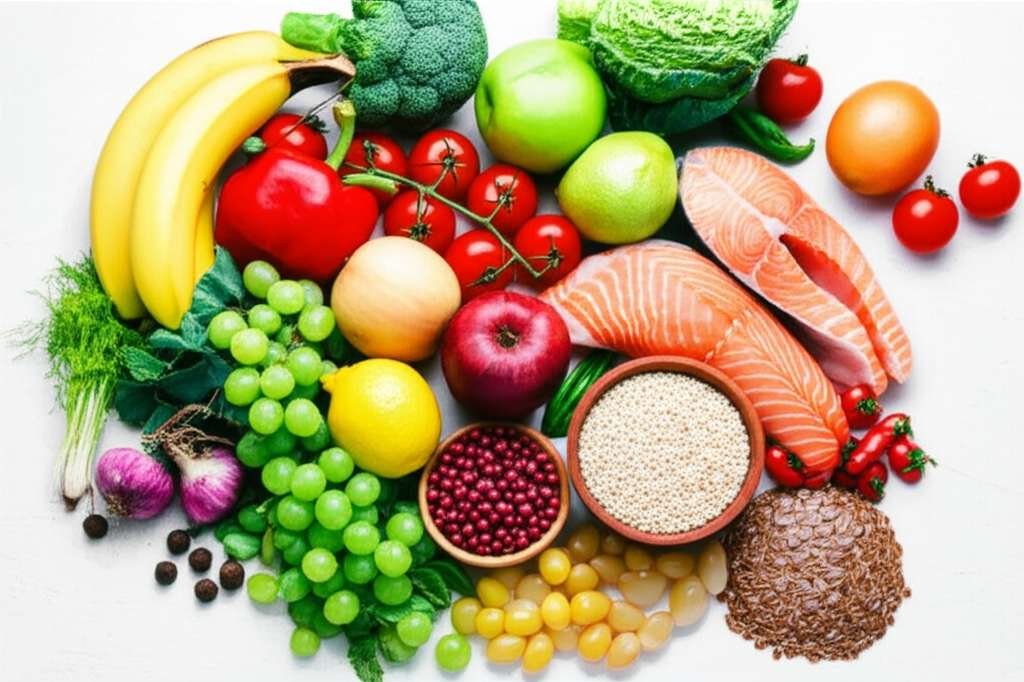
60 Day Meal Plan: Essential Weight Loss Guide
Get ready for a simple, effective 60-day meal plan to kickstart your weight loss journey! This guide breaks down healthy eating into easy steps, focusing on delicious, affordable meals. Achieve your goals without feeling overwhelmed. Let’s build sustainable habits for lasting results.
Feeling lost when it comes to weight loss? You’re not alone. Many of us find the world of dieting confusing and overwhelming. It’s easy to get stuck wondering where to even begin.
But what if I told you weight loss could be simpler? With a clear plan and a little guidance, you can make real progress without drastic measures.
This guide is designed to be your friendly coach. We’ll walk through a 60-day meal plan, focusing on easy, science-backed strategies.
We’ll cover everything you need to know, from understanding your calorie needs to planning budget-friendly meals.
Let’s get started on building a healthier you, one delicious meal at a time.
Why a 60-Day Meal Plan?
Think of a 60-day meal plan as your roadmap to success. Two months is a sweet spot for seeing noticeable results and starting to build healthy habits that stick. It’s long enough to break old patterns and create new, positive ones.
Short-term diets often leave you feeling deprived and rebound quickly. A 60-day plan, however, focuses on sustainable changes. It helps you learn what works for your body and lifestyle.
This isn’t about strict rules; it’s about making informed choices. By planning your meals, you take control, reduce stress around food, and set yourself up for long-term weight management.
Understanding the Basics of Weight Loss
Before diving into the meal plan, let’s quickly touch on the core principle of weight loss: energy balance.
Weight loss happens when you consistently consume fewer calories than your body uses. This is often called a calorie deficit. Your body then uses stored fat for energy.
Calories In vs. Calories Out:
- Calories In: The energy you get from food and drinks.
- Calories Out: The energy your body burns through daily activities, exercise, and basic bodily functions (like breathing and digestion).
Creating a calorie deficit can be achieved through diet, exercise, or a combination of both. For weight loss, focusing on a healthy diet is often the most impactful starting point.
Basal Metabolic Rate (BMR): This is the number of calories your body burns at rest to maintain basic functions. Factors like age, sex, weight, and muscle mass influence your BMR. You can estimate your BMR using online calculators, which is a good starting point for understanding your daily calorie needs.
Total Daily Energy Expenditure (TDEE): This is the total number of calories you burn in a day, including your BMR and the calories burned through physical activity. To lose weight, you’ll aim to eat fewer calories than your TDEE.
The U.S. Department of Health and Human Services provides excellent resources on healthy eating and calorie needs. For example, their MyPlate website offers guidance on managing weight through balanced eating patterns.
Your 60-Day Weight Loss Meal Plan Guide
This plan is built around whole foods, balanced macronutrients, and portion control. It’s designed to be flexible and adaptable to your preferences and budget.
Phase 1: Weeks 1-4 – Building Foundations
This phase is about establishing consistency and making gradual, sustainable changes. We’ll focus on understanding portion sizes and incorporating nutrient-dense foods.
Key Principles for Phase 1:
- Hydration is Key: Drink plenty of water throughout the day. Aim for at least 8 glasses (64 ounces).
- Focus on Whole Foods: Prioritize fruits, vegetables, lean proteins, and whole grains.
- Portion Awareness: Start paying attention to how much you’re eating.
- Mindful Eating: Eat slowly, savor your food, and listen to your body’s hunger and fullness cues.
- Limit Processed Foods: Reduce intake of sugary drinks, fried foods, and highly processed snacks.
Sample Daily Meal Structure (Phase 1):
This is a template. Feel free to swap meals and ingredients based on your preferences, ensuring similar nutritional profiles.
| Meal | Breakfast (approx. 300-350 calories) | Lunch (approx. 400-450 calories) | Dinner (approx. 450-500 calories) | Snack (optional, approx. 100-150 calories) |
|---|---|---|---|---|
| Monday | Oatmeal (1/2 cup dry) with berries (1/2 cup) and a sprinkle of nuts (1 tbsp) | Large salad with grilled chicken breast (4 oz), mixed greens, cucumber, tomatoes, bell peppers, and a light vinaigrette (2 tbsp) | Baked salmon (5 oz) with roasted broccoli (1 cup) and quinoa (1/2 cup cooked) | Apple with 1 tbsp almond butter |
| Tuesday | Scrambled eggs (2 large) with spinach and whole-wheat toast (1 slice) | Lentil soup (2 cups) with a side salad | Lean ground turkey stir-fry with mixed vegetables (broccoli, carrots, snap peas) and brown rice (1/2 cup cooked) | Greek yogurt (1/2 cup) with a few almonds |
| Wednesday | Greek yogurt (1 cup) with chia seeds (1 tbsp) and sliced banana (1/2) | Tuna salad (made with Greek yogurt instead of mayo) on whole-wheat crackers (4-5) with carrot sticks | Chicken breast (4 oz) with steamed asparagus (1 cup) and sweet potato (1 small, baked) | Handful of mixed berries |
| Thursday | Smoothie: spinach, 1/2 banana, 1 scoop protein powder, 1 cup unsweetened almond milk | Leftover turkey stir-fry | Vegetarian chili (1.5 cups) with a small side of whole-grain bread | Hard-boiled egg (1) |
| Friday | Whole-wheat toast (2 slices) with avocado (1/4) and a sprinkle of red pepper flakes | Large salad with chickpeas (1/2 cup), mixed greens, cucumber, tomatoes, bell peppers, and a light lemon-tahini dressing | Lean beef (4 oz) with a large serving of steamed green beans and a small baked potato | Pear slices |
| Saturday | Oatmeal (1/2 cup dry) with sliced peaches and a dash of cinnamon | Leftover vegetarian chili | Grilled chicken skewers (4 oz chicken) with bell peppers and onions, served with a side of mixed greens salad | Small handful of walnuts |
| Sunday | Scrambled tofu with turmeric and vegetables, served with 1/2 avocado | Salmon salad (canned salmon mixed with Greek yogurt, celery, onion) on lettuce wraps | Baked chicken breast (4 oz) with roasted Brussels sprouts (1 cup) and a small portion of wild rice | Orange |
Phase 2: Weeks 5-8 – Optimizing and Sustaining
In this phase, you’ll build on the habits from Phase 1. You’ll become more intuitive with portion sizes and may start to adjust your calorie intake slightly based on your progress and energy levels.
Key Principles for Phase 2:
- Listen to Your Body: You’ll get better at recognizing true hunger and fullness.
- Variety is Spice: Experiment with new healthy recipes to keep things interesting.
- Pre- and Post-Workout Nutrition: If you’re exercising, consider timing your meals for optimal energy and recovery.
- Smart Swaps: Continue to make healthier choices, like opting for whole grains over refined ones.
- Flexibility: Allow for occasional treats in moderation to prevent feelings of deprivation.
Sample Daily Meal Structure (Phase 2):
The structure remains similar, but you might notice slight adjustments in portion sizes or ingredient choices as you become more attuned to your body’s needs.
| Meal | Breakfast (approx. 300-350 calories) | Lunch (approx. 400-450 calories) | Dinner (approx. 450-500 calories) | Snack (optional, approx. 100-150 calories) |
|---|---|---|---|---|
| Monday | Greek yogurt (1 cup) with mixed berries (1/2 cup) and flaxseeds (1 tbsp) | Quinoa salad with black beans (1/2 cup), corn (1/4 cup), diced bell peppers, cilantro, and a lime vinaigrette | Lean pork tenderloin (5 oz) with sautéed kale and a small baked sweet potato | Rice cakes (2) with avocado (1/4) |
| Tuesday | Whole-wheat pancakes (2 small) with a small amount of sugar-free syrup and a side of scrambled egg whites (2) | Chicken breast (4 oz) and vegetable skewers with a side of mixed greens | Lentil shepherd’s pie (using mashed cauliflower topping) | A small apple |
| Wednesday | Oatmeal (1/2 cup dry) with chopped walnuts (1 tbsp) and a sliced pear | Tuna (canned in water, 4 oz) mixed with Greek yogurt, celery, and onion, served on a large bed of lettuce | Baked cod (5 oz) with roasted asparagus and a side of couscous (1/2 cup cooked) | Small container of cottage cheese |
| Thursday | Protein smoothie: unsweetened almond milk, spinach, 1 scoop protein powder, 1/4 cup frozen mango | Leftover lentil shepherd’s pie | Turkey meatballs (4-5 small) in marinara sauce with zucchini noodles | Handful of edamame (shelled) |
| Friday | Scrambled eggs (2 large) with chopped bell peppers and onions, served with 1/2 whole-wheat English muffin | Large salad with grilled shrimp (4 oz), avocado (1/4), mixed greens, cherry tomatoes, and a cilantro-lime dressing | Lean beef stir-fry with lots of mixed vegetables (broccoli, snap peas, carrots) and brown rice (1/2 cup cooked) | Greek yogurt (1/2 cup) |
| Saturday | Overnight oats (1/2 cup rolled oats, 1 cup unsweetened almond milk, 1 tbsp chia seeds, cinnamon) topped with berries | Leftover beef stir-fry | Homemade turkey burgers (4 oz patty) on a whole-wheat bun with lettuce, tomato, onion, and a side salad | A small banana |
| Sunday | Smoked salmon (2 oz) with a small whole-wheat bagel and a slice of tomato | Chickpea and vegetable curry (1.5 cups) with a small portion of brown rice | Roasted chicken breast (4 oz) with steamed green beans and a small portion of roasted root vegetables (carrots, parsnips) | A few celery sticks with 1 tbsp hummus |
Tips for Success with Your Meal Plan
Sticking to a meal plan is more than just following a list of foods. It’s about developing habits and strategies that support your journey.
Meal Prep is Your Best Friend
Spending a few hours on the weekend preparing some of your meals and snacks can save you so much time and stress during the week.
- Cook Grains in Batches: Prepare large portions of quinoa, brown rice, or oats.
- Chop Veggies Ahead: Wash and chop vegetables for salads, stir-fries, and snacks.
- Portion Proteins: Cook chicken breasts, ground turkey, or hard-boil eggs.
- Make Dressings and Sauces: Prepare healthy vinaigrettes or sauces in advance.
Stay Hydrated
Water is crucial for metabolism, energy levels, and feeling full. Sometimes, thirst can be mistaken for hunger.
- Carry a reusable water bottle with you.
- Infuse water with fruits like lemon, cucumber, or berries for added flavor.
- Limit sugary drinks, including sodas, juices, and sweetened coffees/teas.
Listen to Your Body
Pay attention to your hunger and fullness cues. This is a fundamental aspect of mindful eating and helps prevent overeating.
- Eat when you feel hungry, not just because it’s “mealtime.”
- Stop eating when you feel comfortably full, not stuffed.
- Notice how different foods make you feel.
Don’t Fear Carbs – Choose Wisely
Carbohydrates are an essential energy source. The key is choosing complex, whole-grain options over refined ones.
- Good Carbs: Whole wheat bread, brown rice, quinoa, oats, sweet potatoes, fruits, vegetables.
- Limit Carbs: White bread, white rice, sugary cereals, pastries, candy.
Include Lean Protein and Healthy Fats
Protein helps you feel full and satisfied, while healthy fats are important for hormone production and nutrient absorption.
- Lean Proteins: Chicken breast, turkey, fish, eggs, tofu, beans, lentils.
- Healthy Fats: Avocados, nuts, seeds, olive oil, fatty fish (salmon, mackerel).
Manage Stress and Sleep
These often-overlooked factors significantly impact weight loss. Stress can lead to cravings, and poor sleep can disrupt hormones that regulate appetite.
- Aim for 7-9 hours of quality sleep per night.
- Practice stress-reducing activities like meditation, yoga, deep breathing, or spending time in nature.
Budget-Friendly Weight Loss Eating
Eating healthy doesn’t have to break the bank! Here are some tips to make your 60-day meal plan affordable:
- Buy in Bulk: Staples like rice, oats, beans, and lentils are cheaper when bought in larger quantities.
- Frozen & Canned Produce: Frozen fruits and vegetables are just as nutritious as fresh and often more affordable, especially out of season. Canned beans and fish (in water) are also great budget options.
- Embrace Legumes: Beans, lentils, and chickpeas are incredibly versatile, filling, and cost-effective protein sources.
- Plan Around Sales: Check grocery store flyers and plan your meals around what’s on sale.
- Reduce Food Waste: Use leftovers creatively. Vegetable scraps can be used to make broth.
- Cook at Home: Eating out is almost always more expensive than preparing meals yourself.
- Seasonal Produce: Buying fruits and vegetables that are in season is usually cheaper.
Incorporating Physical Activity
While this guide focuses on a meal plan, incorporating physical activity will significantly enhance your weight loss results and overall health.
- Start Gradually: If you’re new to exercise, begin with 20-30 minutes of moderate activity most days of the week.
- Find What You Enjoy: Whether it’s walking, dancing, swimming, or team sports, you’re more likely to stick with it if you enjoy it.
- Mix It Up: Combine cardiovascular exercise (like brisk walking or jogging) with strength training (using weights or bodyweight exercises) for optimal results.
- Incorporate Movement Daily: Take the stairs, walk during your lunch break, or do some stretching.
The Centers for Disease Control and Prevention (CDC) offers extensive guidelines on physical activity for adults, recommending at least 150 minutes of moderate-intensity aerobic activity per week. You can find their recommendations here: CDC Physical Activity Guidelines.
FAQs About Your 60-Day Meal Plan
How many calories should I eat per day to lose weight?
This varies greatly depending on your age, sex, weight, height, and activity level. A common starting point for weight loss is a deficit of 500 calories per day from your Total Daily Energy Expenditure (TDEE), which typically leads to about 1 pound of weight loss per week. Online TDEE calculators can help you estimate this. However, it’s best to consult with a healthcare provider or registered dietitian for personalized calorie recommendations.
What if I am a vegetarian or vegan?
This plan can be easily adapted! Replace animal proteins with plant-based sources like tofu, tempeh, beans, lentils, chickpeas, and plant-based protein powders. Ensure you’re getting enough complete protein by combining different plant foods throughout the day.
Can I swap meals within the plan?
Absolutely! The sample meal structures are templates. Feel free to swap meals between days or substitute with similar healthy options. The goal is to maintain a balanced intake of lean protein, healthy fats, complex carbohydrates, and plenty of vegetables and fruits.
What if I get hungry between meals?
That’s where the optional snacks come in! Choose nutrient-dense options like fruits, vegetables with hummus, a small handful of nuts, or Greek yogurt. If you’re consistently hungry, you might need to slightly increase your portion sizes at main meals or add a slightly larger snack. Ensure you’re drinking enough water, as thirst can sometimes mimic hunger.
How do I stay motivated for 60 days?
Motivation can ebb and flow. Focus on building habits, not just willpower. Track your progress (not just the scale – energy levels, how your clothes fit, mood), celebrate small victories, find an accountability buddy, and remind yourself of your “why.” Remember that consistency over perfection is key. If you have an off day, just get back on track with your next meal.
What should I do after the 60 days?
The 60-day plan is designed to be a stepping stone. After completing it, continue with the principles you’ve learned. You can repeat the plan, adjust it based on your new understanding of your body, or work with a professional to create a long-term maintenance plan. The goal is to integrate these healthy habits into your lifestyle permanently.
Conclusion
Embarking on a 60-day meal plan is a fantastic way to take charge of your health and kickstart your weight loss journey. By focusing on whole foods, balanced nutrition, and mindful eating, you’re building a sustainable foundation for success.
Remember, this guide is your roadmap, but your journey is unique. Be patient with yourself, celebrate your progress, and don’t be afraid to adapt the plan to fit your life. The principles of hydration, lean protein, complex carbs, healthy fats, and consistent movement are your allies.
By the end of these 60 days, you’ll likely notice not only changes in your weight but also improvements in your energy levels, mood, and overall well-being. This is just the beginning of a healthier, happier you. Keep up the great work!
As an Amazon Associate, We earn from qualifying purchases. When you purchase a product through Amazon links on pulsefitguide.com, we may earn a small commission at no extra cost to you. This helps support the site and keep our content free.
