


Effortlessly lose weight in 30 days with a tailored Indian diet plan. This beginner-friendly guide focuses on delicious, affordable, and sustainable Indian meals designed for women, making your weight loss journey simple and effective.
Are you looking to shed a few pounds but find most diet plans confusing or too restrictive? It’s totally understandable. The world of weight loss can feel like a maze, with so many different ideas and advice out there.
Many women feel overwhelmed by complicated meal prep or expensive ingredients. You want a plan that fits your life, your budget, and your taste buds, especially when it comes to familiar Indian cuisine.
Don’t worry! This guide is designed just for you. We’ll break down a simple, 30-day Indian diet plan specifically for women, making weight loss feel achievable and enjoyable.
Get ready to discover how easy and delicious healthy eating can be with this step-by-step approach.
Why an Indian Diet Plan for Female Weight Loss?
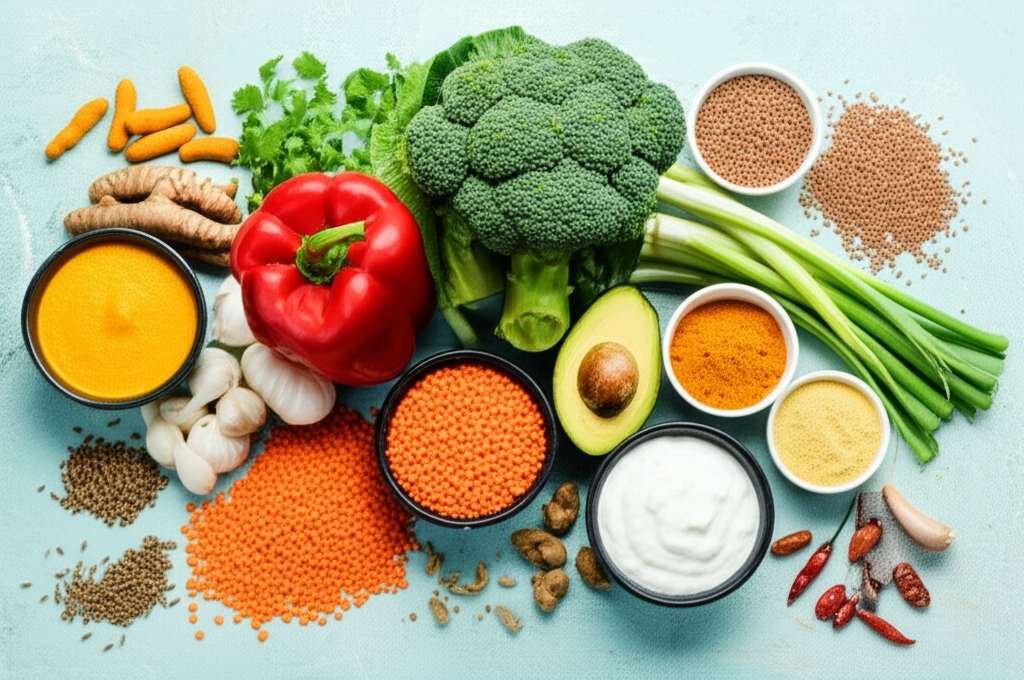
Indian cuisine is incredibly diverse and often naturally rich in nutrients, fiber, and healthy fats. These elements are crucial for effective and sustainable weight loss, especially for women.
Traditional Indian cooking uses a variety of spices that not only add flavor but also have metabolism-boosting properties. Think of turmeric, ginger, and cinnamon – they’re powerhouses!
Moreover, many Indian staples like lentils, whole grains, and fresh vegetables are budget-friendly and readily available. This makes a 30-day Indian diet plan for weight loss for females a practical choice for everyday life.
Understanding Weight Loss Basics for Women
Weight loss boils down to a simple principle: burning more calories than you consume. This is often referred to as a calorie deficit. For women, factors like hormones, metabolism, and body composition play a significant role in how quickly and effectively they can achieve this deficit.
It’s not about starving yourself; it’s about making smart, nourishing food choices that keep you full and energized while gently reducing your calorie intake. This 30-day plan aims to create a healthy calorie deficit without feeling deprived.
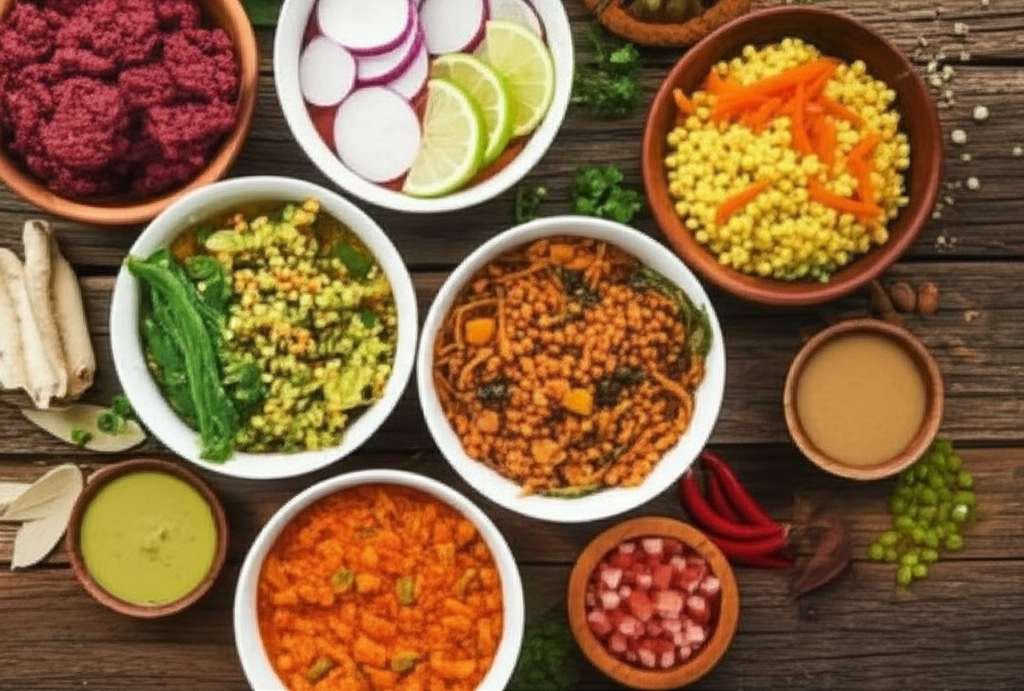
Focusing on whole, unprocessed foods is key. These foods are generally lower in calories but higher in nutrients and fiber, helping you feel satisfied for longer. This approach supports long-term healthy habits, not just a quick fix.
Key Principles of This 30-Day Indian Diet Plan
This plan is built on a few simple, effective principles to make weight loss easier for you:
- Balanced Macronutrients: Ensuring a good mix of proteins, complex carbohydrates, and healthy fats in each meal.
- Portion Control: Eating mindful portions to manage calorie intake without feeling restricted.
- Hydration: Drinking plenty of water throughout the day is vital for metabolism and satiety.
- Regular Meal Times: Eating at consistent times helps regulate appetite and prevent overeating.
- Focus on Fiber: High-fiber foods from whole grains, legumes, and vegetables keep you full and aid digestion.
- Lean Protein Sources: Including lean meats, fish, lentils, and dairy to build muscle and boost metabolism.
We’ll also emphasize mindful eating – paying attention to your hunger and fullness cues. This practice helps you build a healthier relationship with food, which is crucial for sustainable weight loss.
Building Your 30-Day Indian Diet Plan: The Foundation
Before diving into daily meals, let’s establish a solid foundation. This involves understanding the types of foods to include and those to moderate.
Foods to Emphasize
These are your weight-loss allies. They are nutrient-dense, filling, and support your body’s functions.
- Lentils and Legumes: Dal (like toor, moong, masoor), chickpeas (chana), kidney beans (rajma), black-eyed peas. Excellent sources of protein and fiber.
- Whole Grains: Whole wheat (atta), brown rice, quinoa, oats, millets (bajra, jowar, ragi). Provide sustained energy and fiber.
- Vegetables: A wide variety! Leafy greens (spinach, fenugreek), gourds (bottle gourd, ridge gourd), cruciferous vegetables (cauliflower, broccoli), tomatoes, onions, carrots, beans. Rich in vitamins, minerals, and fiber.
- Fruits: Apples, berries, oranges, guava, papaya. Choose whole fruits over juices for maximum fiber.
- Lean Protein: Chicken breast, fish, eggs, paneer (Indian cottage cheese), tofu, yogurt. Essential for muscle repair and satiety.
- Healthy Fats: Ghee (in moderation), mustard oil, olive oil, nuts (almonds, walnuts), seeds (chia, flax). Important for hormone production and nutrient absorption.
- Dairy: Low-fat milk, yogurt (dahi), buttermilk (chaas). Good source of calcium and protein.
Foods to Moderate or Avoid
These foods can contribute to excess calorie intake and hinder weight loss progress. It’s about moderation, not complete elimination, to make the plan sustainable.
- Fried Foods: Samosas, pakoras, fried snacks, deep-fried vegetables or meats. High in unhealthy fats and calories.
- Sugary Drinks: Sodas, packaged fruit juices, sweetened beverages. Provide empty calories and can spike blood sugar.
- Refined Grains: White bread, white rice (in large quantities), maida (refined flour) products. Lower in fiber and nutrients.
- Processed Snacks: Packaged biscuits, chips, namkeen, sweets. Often high in sugar, salt, and unhealthy fats.
- Excessive Sweets: Gulab jamun, jalebi, barfi, and other traditional Indian sweets. High in sugar and calories.
- High-Fat Dairy: Full-fat cream, butter, full-fat milk used in large quantities.
Creating Your 30-Day Meal Plan: A Sample Structure
This is a template to guide you. Feel free to swap meals within the week based on your preferences and what’s available. The key is to maintain the balance of nutrients and portion sizes.
Week 1: Getting Started and Building Habits
Focus on establishing a routine and getting used to the new eating patterns. Hydration is key!
Day 1
Breakfast: 1 bowl of oatmeal with milk and a few almonds, or 2 idlis with sambar.
Mid-Morning Snack: 1 apple or a small bowl of papaya.
Lunch: 1 bowl of brown rice, 1 bowl of mixed vegetable curry (e.g., beans, carrots, peas), 1 bowl of dal (moong or masoor), and a small salad.
Evening Snack: 1 glass of buttermilk (chaas) or a handful of roasted chana.
Dinner: 2 whole wheat rotis, 1 bowl of palak paneer (spinach and cottage cheese), and a small cucumber raita.
Day 2
Breakfast: 2 egg whites scrambled with vegetables, or 1 bowl of poha (flattened rice) with vegetables.
Mid-Morning Snack: A small handful of mixed nuts.
Lunch: 1 bowl of quinoa pulao with mixed vegetables and peas, 1 bowl of chana masala, and a side of yogurt.
Evening Snack: 1 pear or a small bowl of berries.
Dinner: 1 bowl of vegetable soup, 2 small whole wheat rotis, and 1 bowl of chicken or fish curry (lightly spiced).
Day 3
Breakfast: 1 bowl of daliya (broken wheat) porridge with milk and a few seeds.
Mid-Morning Snack: 1 orange.
Lunch: 1 bowl of brown rice, 1 bowl of rajma (kidney bean curry), and a mixed green salad.
Evening Snack: A small bowl of sprouts salad.
Dinner: 2 whole wheat rotis, 1 bowl of mixed vegetable stir-fry with tofu or paneer.
Day 4
Breakfast: 2 whole wheat vegetable uttapam with coconut chutney.
Mid-Morning Snack: 1 banana (smaller one).
Lunch: 1 bowl of lentil soup, 1 bowl of plain yogurt, and 1 bowl of mixed vegetable sabzi (e.g., cauliflower, capsicum).
Evening Snack: 1 glass of unsweetened herbal tea with a few almonds.
Dinner: 1 bowl of brown rice, 1 bowl of fish curry, and a small portion of steamed vegetables.
Day 5
Breakfast: 1 bowl of oats with chopped fruits and a sprinkle of flax seeds.
Mid-Morning Snack: 1 guava.
Lunch: 2 whole wheat rotis, 1 bowl of dal makhani (lighter version), and a cucumber-tomato salad.
Evening Snack: 1 glass of buttermilk.
Dinner: 1 bowl of chicken or vegetable biryani (controlled portion, less oil), and a side of plain yogurt.
Day 6
Breakfast: 2 besan cheela (gram flour pancake) with mint chutney.
Mid-Morning Snack: A small bowl of mixed berries.
Lunch: 1 bowl of brown rice, 1 bowl of bhindi masala (okra curry), and 1 bowl of yogurt.
Evening Snack: A handful of roasted makhana (fox nuts).
Dinner: 2 whole wheat rotis, 1 bowl of matar paneer (peas and cottage cheese curry).
Day 7
Breakfast: 1 bowl of vegetable upma made with semolina or millets.
Mid-Morning Snack: 1 small pear.
Lunch: A large mixed vegetable salad with grilled chicken or chickpeas, and a light vinaigrette dressing.
Evening Snack: 1 glass of unsweetened lemon water.
Dinner: 1 bowl of dal khichdi (lentil and rice porridge) with a side of yogurt and mixed vegetables.
Week 2: Introducing Variety and Boosting Metabolism
Continue with balanced meals, incorporating more protein and fiber-rich options. Explore different spices and vegetables.
Day 8
Breakfast: 2 whole wheat multigrain rotis with a small bowl of mixed vegetable curry.
Mid-Morning Snack: 1 apple with a small spoonful of peanut butter.
Lunch: 1 bowl of brown rice, 1 bowl of fish curry (e.g., mackerel or sardine), and a side of steamed broccoli.
Evening Snack: 1 glass of chaas with roasted cumin.
Dinner: 2 whole wheat rotis, 1 bowl of lauki (bottle gourd) curry, and a small salad.
Day 9
Breakfast: 1 bowl of oats with berries and chia seeds.
Mid-Morning Snack: A small handful of walnuts.
Lunch: 1 bowl of quinoa pulao with mixed vegetables and lentils, served with a side of raita.
Evening Snack: 1 orange.
Dinner: 1 bowl of chicken stir-fry with plenty of colorful vegetables (capsicum, carrots, beans).
Day 10
Breakfast: 2 idlis with sambar and a small portion of vegetable upma.
Mid-Morning Snack: 1 pear.
Lunch: 1 bowl of chana dal, 1 bowl of brown rice, and a side of stir-fried spinach.
Evening Snack: A small bowl of sprouts salad with lemon juice and a pinch of salt.
Dinner: 2 whole wheat rotis, 1 bowl of paneer bhurji (scrambled cottage cheese) with tomatoes and onions.
Day 11
Breakfast: 1 bowl of daliya porridge with milk and a few almonds.
Mid-Morning Snack: 1 banana.
Lunch: 1 bowl of vegetable and lentil soup, 1 bowl of brown rice, and a small side salad.
Evening Snack: 1 glass of unsweetened herbal tea.
Dinner: 2 whole wheat rotis, 1 bowl of mixed vegetable curry (e.g., cauliflower, peas, carrots).
Day 12
Breakfast: 2 egg whites omelette with chopped onions and tomatoes.
Mid-Morning Snack: A small bowl of papaya.
Lunch: 1 bowl of rajma, 1 bowl of plain yogurt, and a small portion of steamed rice (brown preferred).
Evening Snack: A handful of roasted chana.
Dinner: 1 bowl of vegetable khichdi with a side of curd.
Day 13
Breakfast: 1 bowl of poha with vegetables and a few peanuts.
Mid-Morning Snack: 1 guava.
Lunch: 2 whole wheat rotis, 1 bowl of tinda (Indian squash) curry, and a mixed green salad.
Evening Snack: 1 glass of buttermilk.
Dinner: 1 bowl of chicken or lentil soup, and 2 small whole wheat rotis.
Day 14
Breakfast: 2 whole wheat vegetable uttapam with mint chutney.
Mid-Morning Snack: A small bowl of mixed berries.
Lunch: 1 bowl of brown rice, 1 bowl of dal tadka (tempered lentils), and a side of stir-fried bhindi.
Evening Snack: A handful of almonds.
Dinner: 1 bowl of vegetable pulao with a side of raita.
Week 3: Consistency and Fine-Tuning
By now, you should be feeling more comfortable with the meal structure. Focus on consistency and listening to your body.
Day 15
Breakfast: 1 bowl of oats with chopped apples and cinnamon.
Mid-Morning Snack: 1 orange.
Lunch: 2 whole wheat rotis, 1 bowl of palak dal (spinach and lentil curry), and a cucumber salad.
Evening Snack: 1 glass of chaas.
Dinner: 1 bowl of fish curry with brown rice (controlled portion).
Day 16
Breakfast: 2 besan cheela with tomato chutney.
Mid-Morning Snack: A small bowl of papaya.
Lunch: 1 bowl of chana masala, 1 bowl of brown rice, and a side of yogurt.
Evening Snack: A handful of roasted makhanas.
Dinner: 1 bowl of vegetable soup with 2 whole wheat rotis.
Day 17
Breakfast: 1 bowl of vegetable upma with a small glass of milk.
Mid-Morning Snack: 1 banana.
Lunch: 1 bowl of chicken stir-fry with brown rice (controlled portion).
Evening Snack: 1 pear.
Dinner: 2 whole wheat rotis, 1 bowl of mixed vegetable curry.
Day 18
Breakfast: 2 whole wheat multigrain rotis with a small bowl of mixed vegetable curry.
Mid-Morning Snack: A small handful of mixed nuts.
Lunch: 1 bowl of lentil soup, 1 bowl of brown rice, and a side salad.
Evening Snack: 1 glass of unsweetened herbal tea with a few almonds.
Dinner: 1 bowl of matar paneer with 2 small whole wheat rotis.
Day 19
Breakfast: 1 bowl of poha with vegetables.
Mid-Morning Snack: 1 guava.
Lunch: 1 bowl of vegetable biryani (controlled portion, less oil) with raita.
Evening Snack: 1 glass of buttermilk.
Dinner: 2 whole wheat rotis with 1 bowl of tinda curry.
Day 20
Breakfast: 2 egg whites scrambled with spinach and mushrooms.
Mid-Morning Snack: A small bowl of berries.
Lunch: 1 bowl of rajma, 1 bowl of brown rice, and a side of cucumber salad.
Evening Snack: A handful of roasted chana.
Dinner: 1 bowl of dal khichdi with a side of curd.
Day 21
Breakfast: 1 bowl of daliya porridge with fruits and seeds.
Mid-Morning Snack: 1 apple.
Lunch: 1 bowl of fish curry with a small portion of brown rice.
Evening Snack: 1 glass of chaas.
Dinner: 2 whole wheat rotis with 1 bowl of palak paneer.
Week 4: Sustaining Progress and Long-Term Habits
Focus on reinforcing healthy habits. You might notice changes in your energy levels and how your clothes fit.
Day 22
Breakfast: 2 idlis with sambar.
Mid-Morning Snack: 1 orange.
Lunch: 1 bowl of brown rice, 1 bowl of mixed vegetable curry, and 1 bowl of moong dal.
Evening Snack: A small bowl of sprouts salad.
Dinner: 2 whole wheat rotis, 1 bowl of chicken curry (lightly spiced).
Day 23
Breakfast: 1 bowl of oats with chopped fruits and nuts.
Mid-Morning Snack: A small handful of walnuts.
Lunch: 1 bowl of quinoa pulao with vegetables and lentils, with a side of yogurt.
Evening Snack: 1 pear.
Dinner: 1 bowl of vegetable stir-fry with tofu.
Day 24
Breakfast: 2 whole wheat vegetable uttapam.
Mid-Morning Snack: 1 banana.
Lunch: 1 bowl of chana dal, 1 bowl of brown rice, and a side of stir-fried spinach.
Evening Snack: 1 glass of buttermilk.
Dinner: 2 whole wheat rotis, 1 bowl of paneer bhurji.
Day 25
Breakfast: 1 bowl of vegetable upma.
Mid-Morning Snack: 1 guava.
Lunch: 1 bowl of lentil soup, 1 bowl of brown rice, and a small side salad.
Evening Snack: A handful of roasted chana.
Dinner: 1 bowl of vegetable khichdi with curd.
Day 26
Breakfast: 2 egg whites scrambled with vegetables.
Mid-Morning Snack: A small bowl of papaya.
Lunch: 1 bowl of rajma, 1 bowl of plain yogurt, and a small portion of steamed rice.
Evening Snack: 1 glass of unsweetened herbal tea.
Dinner: 2 whole wheat rotis, 1 bowl of mixed vegetable curry.
Day 27
Breakfast: 1 bowl of poha with vegetables and peanuts.
Mid-Morning Snack: 1 apple with a spoonful of peanut butter.
Lunch: 1 bowl of fish curry with a small portion of brown rice.
Evening Snack: 1 glass of chaas.
Dinner: 2 whole wheat rotis, 1 bowl of lauki curry.
Day 28
Breakfast: 1 bowl of daliya porridge with fruits and seeds.
Mid-Morning Snack: A small bowl of mixed berries.
Lunch: 1 bowl of chicken stir-fry with brown rice.
Evening Snack: A handful of almonds.
Dinner: 1 bowl of vegetable pulao with raita.
Day 29
Breakfast: 2 whole wheat multigrain rotis with a small bowl of mixed vegetable curry.
Mid-Morning Snack: 1 orange.
Lunch: 1 bowl of chana masala, 1 bowl of brown rice, and a cucumber salad.
Evening Snack: 1 glass of buttermilk.
Dinner: 2 whole wheat rotis, 1 bowl of matar paneer.
Day 30
Breakfast: 1 bowl of oats with chopped apples and cinnamon.
Mid-Morning Snack: 1 pear.
Lunch: 1 bowl of lentil soup, 1 bowl of brown rice, and a side salad.
Evening Snack: A handful of roasted makhanas.
Dinner: 1 bowl of vegetable khichdi with curd.
Tips for Success on Your 30-Day Journey
Sticking to a plan can be challenging, but these tips will help you stay on track and make the most of your 30-day Indian diet plan for weight loss for females.
- Stay Hydrated: Drink at least 8-10 glasses of water daily. Water aids digestion, boosts metabolism, and helps you feel full.
- Prioritize Sleep: Aim for 7-8 hours of quality sleep. Poor sleep can disrupt hunger hormones, making weight loss harder.
- Manage Stress: High stress can lead to emotional eating. Practice relaxation techniques like deep breathing or meditation.
- Mindful Eating: Eat slowly, savor your food, and pay attention to your body’s hunger and fullness signals. Avoid distractions while eating.
- Regular Physical Activity: While diet is key, incorporating at least 30 minutes of moderate exercise most days of the week will significantly boost your results. This could include brisk walking, yoga, or simple home workouts. The CDC recommends at least 150 minutes of moderate-intensity aerobic activity per week.
- Portion Control: Use smaller plates, measure your food initially, and be mindful of serving sizes.
- Spice it Up: Indian spices like turmeric, ginger, garlic, and chili peppers can boost metabolism and add flavor without extra calories.
- Plan Ahead: Meal prepping some components of your meals (like chopping vegetables or cooking grains) can save time and prevent impulsive unhealthy choices.
- Listen to Your Body: If you feel overly hungry or deprived, adjust your portions slightly or add more non-starchy vegetables.
- Be Patient and Kind to Yourself: Weight loss is a journey. Celebrate small victories and don’t get discouraged by occasional slip-ups.
What to Eat When Eating Out
Eating out can be tricky, but with smart choices, you can stay on track even with an Indian diet plan.
- Choose Grills or Tandoori: Opt for grilled or tandoori chicken, fish, or paneer instead of fried or creamy curries.
- Load up on Salads and Raitas: These are generally safe bets. Ask for dressings on the side if possible.
- Select Lentil-Based Dishes: Dal (lentil soups) are usually a good choice.
- Avoid Naans and Fried Breads: Choose whole wheat rotis or skip bread altogether.
- Be Wary of Creamy Sauces: Dishes like butter chicken or korma are often high in fat and calories.
- Portion Control: Share dishes or ask for a half-portion if available.
The Role of Hydration and Beverages
Staying hydrated is crucial for weight loss and overall health. Water plays a vital role in nearly every bodily function, including metabolism.
Water: Aim for at least 2-3 liters (8-12 cups) per day. You can infuse it with cucumber, mint, or lemon for flavor.
Herbal Teas: Unsweetened herbal teas like green tea, chamomile, or ginger tea are excellent calorie-free options.
Buttermilk (Chaas): A traditional Indian drink, plain buttermilk is low in calories and good for digestion. Avoid store-bought versions that might be high in salt or additives.
Limit: Sugary drinks, packaged fruit juices, and excessive tea or coffee with sugar and cream.
Sample Weekly Meal Plan Table
Here’s a condensed table for quick reference:
| Meal Time | Monday | Tuesday | Wednesday | Thursday | Friday | Saturday | Sunday |
|---|---|---|---|---|---|---|---|
| Breakfast | Oatmeal with milk & nuts | Egg whites scrambled with veg | Daliya porridge | Veg Uttapam | Oats with fruits & seeds | Besan Cheela | Veg Upma |
| Mid-Morning Snack | Apple | Mixed nuts | Orange | Banana | Guava | Berries | Pear |
| Lunch | Brown rice, veg curry, dal, salad | Quinoa pulao, chana masala, yogurt | Brown rice, rajma, salad | Veg soup, roti, chicken curry | Roti, bhindi masala, yogurt | Brown rice, dal tadka, stir-fried bhindi | Veg Biryani, raita |
| Evening Snack | Chaas | Sprouts salad | Roasted chana | Herbal tea | Buttermilk | Roasted makhana | Almonds |
| Dinner | Rotis, palak paneer, raita | Veg soup, rotis | Rotis, mixed veg stir-fry with tofu | Roti, lauki curry, salad | Roti, matar paneer | Veg khichdi, curd | Brown rice, fish curry |
FAQs about the 30-Day Indian Diet Plan
Q1: Is this diet plan suitable for vegetarians?
Absolutely! This plan can be easily adapted for vegetarians. Simply replace chicken and fish with paneer, tofu, tempeh, or a wider variety of lentils and legumes like chickpeas, black beans, and kidney beans.
Q2: How much weight can I expect to lose in 30 days?
Weight loss varies from person to person. A healthy and sustainable rate is typically 1-2 pounds per week. So, you might expect to lose around 4-8 pounds in 30 days. This plan focuses on healthy habits that lead to long-term results.
Q3: Can I include Indian snacks like namkeen or bhujia?
It’s best to limit or avoid processed snacks like namkeen and bhujia as they are often high in salt, unhealthy fats, and calories. Opt for healthier snack alternatives like roasted chana, sprouts, fruits, or a small handful of nuts.
Q4: What if I have specific dietary restrictions or allergies?
This plan is a general guideline. If you have allergies (like nuts, dairy, gluten) or specific health conditions, it’s crucial to consult with a doctor or a registered dietitian. They can help you customize the plan to your individual needs.
Q5: Is it okay to eat rice every day?
While this plan includes rice, it emphasizes brown rice or controlled portions of white rice. Brown rice is a whole grain, offering more fiber and nutrients. The key is moderation and pairing it with plenty of vegetables and lean protein.
Q6: Can I drink tea or coffee?
Yes, you can enjoy tea or coffee in moderation. Opt for plain black tea, green tea, or coffee without added sugar or excessive cream. Herbal teas are also a great calorie-free option.
Conclusion: Your Journey to a Healthier You
Embarking on a 30-day Indian diet plan for weight loss for females is a fantastic step towards a healthier, more energetic you. This plan, rich in the flavors and nutrients of Indian cuisine, is designed to be practical, affordable, and sustainable.
Remember, weight loss is not just about the number on the scale; it’s about building lasting healthy habits. By focusing on whole foods, mindful eating, and consistent hydration, you’re setting yourself up for success not just for these 30 days, but for life.
You’ve got this! Embrace the delicious journey, listen to your body, and celebrate every step you take towards your wellness goals. This is your moment to thrive!
As an Amazon Associate, We earn from qualifying purchases. When you purchase a product through Amazon links on pulsefitguide.com, we may earn a small commission at no extra cost to you. This helps support the site and keep our content free.
