


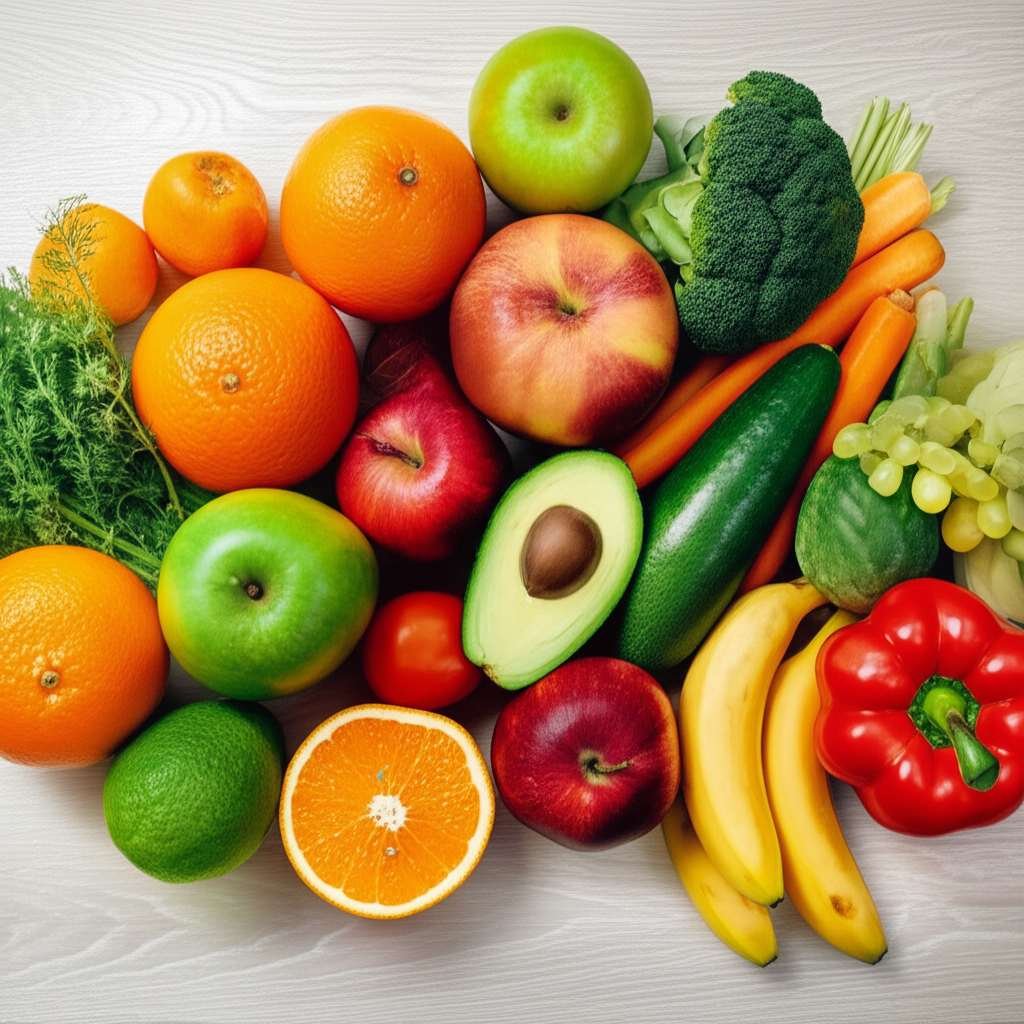
A 30-day clean eating meal plan for weight loss focuses on whole, unprocessed foods like fruits, vegetables, lean proteins, and healthy fats. This plan helps you shed pounds by improving digestion, boosting metabolism, and reducing cravings. It’s a sustainable, beginner-friendly approach to healthier eating and lasting weight loss.
Feeling confused about how to start losing weight? You’re not alone. Many people find weight loss confusing and frustrating. It can feel like there are too many rules and not enough clear answers.
But what if I told you that losing weight can be simpler than you think? It often comes down to making smarter food choices. That’s where clean eating comes in. It’s a straightforward way to nourish your body and help it shed extra pounds.
This guide is designed to make clean eating easy to understand and follow. We’ll break down everything you need to know to kickstart your weight loss journey with a delicious 30-day meal plan. Get ready to feel more energized and confident!
What is Clean Eating?
Clean eating is all about choosing foods that are as close to their natural state as possible. Think fresh fruits and vegetables, lean proteins, whole grains, and healthy fats. It means avoiding processed foods, refined sugars, artificial ingredients, and excessive saturated fats.
The goal isn’t about strict deprivation, but rather about making nourishing choices that fuel your body effectively. When you eat clean, you provide your body with the nutrients it needs to function optimally, which can naturally support weight loss.
Why Clean Eating for Weight Loss?
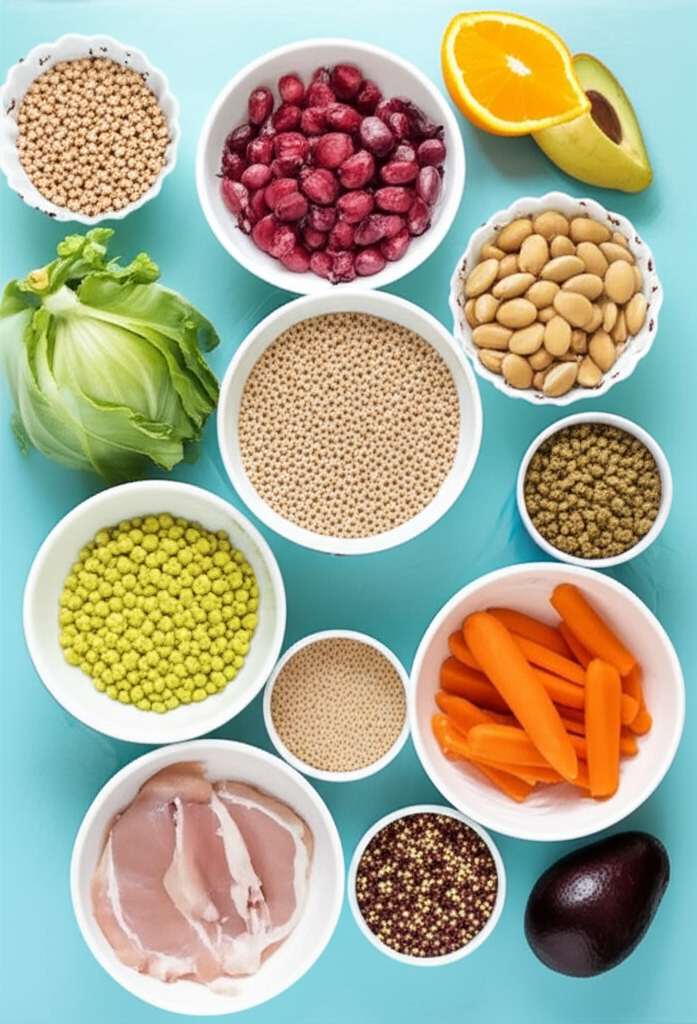
Clean eating is incredibly effective for weight loss for several key reasons. When you cut out processed foods, you significantly reduce your intake of empty calories, added sugars, and unhealthy fats. These are often the culprits behind weight gain and energy crashes.
Instead, you fill your plate with nutrient-dense foods. These foods are rich in fiber, vitamins, and minerals, which keep you feeling full and satisfied for longer. This reduces the urge to snack on unhealthy options and helps you naturally consume fewer calories overall.
Furthermore, clean eating helps stabilize your blood sugar levels. This means fewer energy spikes and crashes, leading to more consistent energy throughout the day. Stable blood sugar also helps reduce cravings for sugary and processed snacks, making it easier to stick to your healthy eating goals.
The Science Behind Clean Eating and Weight Loss
The effectiveness of clean eating for weight loss is rooted in science. When you consume whole, unprocessed foods, you’re getting a higher amount of fiber and protein. Both are crucial for satiety – the feeling of fullness.
Fiber, found abundantly in fruits, vegetables, and whole grains, takes longer to digest. This slows down the emptying of your stomach, signaling to your brain that you’re full. A study published in the Journal of the Academy of Nutrition and Dietetics highlighted how increased dietary fiber intake is associated with lower body weight.
Protein is another powerful tool. It also promotes satiety and requires more energy for your body to digest (known as the thermic effect of food), meaning you burn more calories simply by eating protein. Lean protein sources like chicken, fish, beans, and lentils are staples in a clean eating plan.
Additionally, avoiding refined sugars and processed carbohydrates found in many convenience foods helps regulate insulin levels. High insulin levels can promote fat storage. By choosing complex carbohydrates from whole foods, you manage insulin response better, supporting fat loss.
Getting Started: Essential Clean Eating Principles
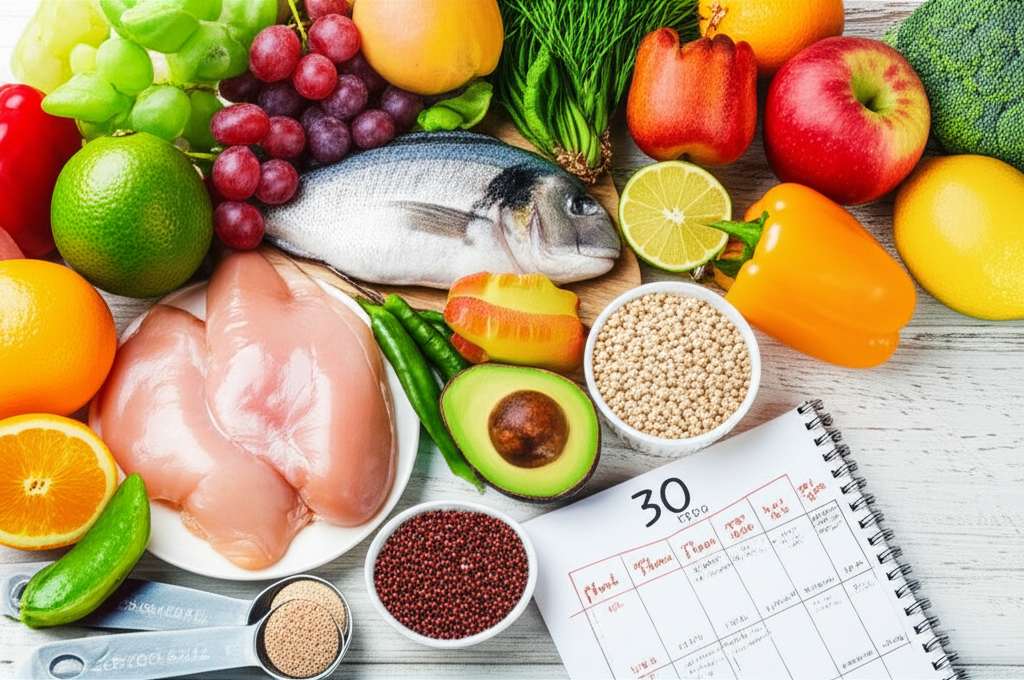
Starting a clean eating journey doesn’t have to be complicated. Here are some core principles to guide you:
- Focus on Whole Foods: Build your meals around fruits, vegetables, lean proteins, whole grains, and healthy fats. Think of foods you could find in nature or that require minimal processing.
- Hydrate Adequately: Drink plenty of water throughout the day. Water is essential for metabolism and can help curb hunger. Aim for at least 8 glasses a day, more if you’re active.
- Limit Added Sugars: Be mindful of hidden sugars in sauces, dressings, yogurts, and beverages. Opt for natural sweeteners in moderation if needed, like honey or maple syrup.
- Choose Healthy Fats: Incorporate sources like avocados, nuts, seeds, and olive oil. These are vital for hormone production and nutrient absorption.
- Cook More at Home: Preparing your own meals gives you control over ingredients. This is a great way to avoid hidden sugars, unhealthy fats, and excessive sodium often found in restaurant and pre-packaged meals.
- Read Food Labels: Get in the habit of checking ingredient lists. Look for short lists with recognizable ingredients. If you can’t pronounce it, it’s likely processed.
Your 30-Day Clean Eating Meal Plan for Weight Loss
This 30-day plan is designed to be flexible and delicious, making your weight loss journey enjoyable. It focuses on balanced meals that provide sustained energy and keep you feeling satisfied.
Remember, this is a template. Feel free to swap meals between days or substitute ingredients based on your preferences and what’s available. The key is to stick to the principles of clean eating.
Week 1: Building the Foundation
This week focuses on establishing a routine and introducing you to clean eating staples.
Day 1
- Breakfast: Oatmeal with berries and a sprinkle of almonds.
- Lunch: Large salad with grilled chicken breast, mixed greens, cucumber, tomatoes, and a lemon-olive oil dressing.
- Dinner: Baked salmon with steamed broccoli and quinoa.
- Snack: Apple slices with a tablespoon of almond butter.
Day 2
- Breakfast: Scrambled eggs with spinach and a side of sliced avocado.
- Lunch: Leftover baked salmon and quinoa with a side salad.
- Dinner: Lentil soup with a side of whole-grain bread.
- Snack: Greek yogurt with a few berries.
Day 3
- Breakfast: Smoothie made with spinach, banana, almond milk, and a scoop of protein powder (optional).
- Lunch: Tuna salad (made with Greek yogurt instead of mayo) served in lettuce cups with sliced carrots.
- Dinner: Chicken stir-fry with mixed vegetables (broccoli, bell peppers, snap peas) and brown rice. Use soy sauce or tamari and ginger for flavor.
- Snack: Handful of walnuts.
Day 4
- Breakfast: Whole-grain toast with avocado and a sprinkle of red pepper flakes.
- Lunch: Leftover chicken stir-fry.
- Dinner: Lean ground turkey meatballs with zucchini noodles and a marinara sauce (check for no added sugar).
- Snack: Pear.
Day 5
- Breakfast: Greek yogurt with chia seeds and a drizzle of honey.
- Lunch: Quinoa salad with black beans, corn, diced bell peppers, and a lime vinaigrette.
- Dinner: Grilled lean steak with roasted asparagus and sweet potato.
- Snack: Orange.
Day 6
- Breakfast: Oatmeal with sliced banana and a tablespoon of peanut butter.
- Lunch: Leftover steak and asparagus salad.
- Dinner: Baked cod with lemon and herbs, served with a mixed green salad.
- Snack: A small handful of almonds.
Day 7
- Breakfast: Scrambled eggs with diced tomatoes and onions.
- Lunch: Leftover baked cod with a side of steamed green beans.
- Dinner: Large vegetable-packed chili (beans, tomatoes, peppers, onions, lean ground meat if desired).
- Snack: Grapes.
Week 2: Exploring Variety
This week introduces more diverse ingredients and recipes to keep your taste buds happy.
Day 8
- Breakfast: Smoothie with kale, pineapple, banana, and coconut water.
- Lunch: Leftover chili.
- Dinner: Chicken breast stuffed with spinach and feta cheese, served with a side of roasted Brussels sprouts.
- Snack: Hard-boiled egg.
Day 9
- Breakfast: Whole-grain toast with almond butter and sliced strawberries.
- Lunch: Salad with chickpeas, cucumber, bell peppers, parsley, and a tahini-lemon dressing.
- Dinner: Salmon patties (made with canned salmon, oats, and herbs) served with a large green salad.
- Snack: Peach.
Day 10
- Breakfast: Oatmeal with chopped apple, cinnamon, and walnuts.
- Lunch: Leftover salmon patties with salad.
- Dinner: Turkey and vegetable skewers (turkey cubes, zucchini, bell peppers, cherry tomatoes) grilled or baked, served with a side of brown rice.
- Snack: A small bowl of berries.
Day 11
- Breakfast: Scrambled eggs with mushrooms and a side of whole-grain toast.
- Lunch: Leftover turkey skewers and brown rice.
- Dinner: Baked chicken thighs with lemon and herbs, served with steamed green beans and a small sweet potato.
- Snack: Greek yogurt with a sprinkle of granola (check ingredients for added sugar).
Day 12
- Breakfast: Greek yogurt with mixed berries and a tablespoon of pumpkin seeds.
- Lunch: Lentil soup with a side of mixed greens.
- Dinner: Shrimp scampi made with zucchini noodles, garlic, lemon, and olive oil.
- Snack: Carrot sticks with hummus.
Day 13
- Breakfast: Smoothie with mango, spinach, ginger, and water.
- Lunch: Leftover shrimp scampi.
- Dinner: Lean beef stir-fry with broccoli, carrots, and bell peppers in a ginger-sesame sauce, served with cauliflower rice.
- Snack: Handful of almonds.
Day 14
- Breakfast: Whole-grain pancakes (made with whole wheat flour, eggs, milk) topped with berries.
- Lunch: Leftover beef stir-fry.
- Dinner: Baked chicken breast with a side of roasted root vegetables (carrots, parsnips, potatoes).
- Snack: Pear.
Week 3: Flavor and Flexibility
This week focuses on incorporating global flavors and making the plan adaptable to your lifestyle.
Day 15
- Breakfast: Oatmeal with dried cranberries and slivered almonds.
- Lunch: Chicken salad (made with Greek yogurt) stuffed into bell pepper halves.
- Dinner: Black bean burgers on whole-wheat buns (or lettuce wraps) with a side of sweet potato fries (baked, not fried).
- Snack: Apple slices with peanut butter.
Day 16
- Breakfast: Scrambled eggs with avocado and salsa.
- Lunch: Leftover black bean burgers.
- Dinner: Baked fish tacos on corn tortillas with shredded cabbage, pico de gallo, and a lime crema (Greek yogurt based).
- Snack: Greek yogurt with honey.
Day 17
- Breakfast: Smoothie with berries, banana, almond milk, and flax seeds.
- Lunch: Quinoa salad with roasted vegetables (zucchini, eggplant, bell peppers) and a balsamic glaze.
- Dinner: Chicken curry made with coconut milk, lots of vegetables (cauliflower, peas, spinach), served with brown rice.
- Snack: Handful of cashews.
Day 18
- Breakfast: Whole-grain toast with cottage cheese and sliced tomatoes.
- Lunch: Leftover chicken curry.
- Dinner: Lean pork tenderloin roasted with rosemary, served with steamed broccoli and baked potato.
- Snack: Orange.
Day 19
- Breakfast: Oatmeal with sliced peaches and pecans.
- Lunch: Leftover pork tenderloin with a side salad.
- Dinner: Veggie-loaded pasta with whole-wheat pasta, marinara sauce, zucchini, mushrooms, and onions. Add lean ground turkey for extra protein if desired.
- Snack: Hard-boiled egg.
Day 20
- Breakfast: Greek yogurt with chia seeds and a sprinkle of cinnamon.
- Lunch: Leftover pasta.
- Dinner: Grilled salmon with a side of grilled asparagus and a small mixed green salad.
- Snack: Pear.
Day 21
- Breakfast: Scrambled eggs with bell peppers and a side of black beans.
- Lunch: Salad with grilled shrimp, avocado, mixed greens, and a light vinaigrette.
- Dinner: Lentil shepherd’s pie with a mashed sweet potato topping.
- Snack: A small bowl of berries.
Week 4: Sustaining Habits
This final week reinforces healthy habits and prepares you for continuing a clean eating lifestyle beyond 30 days.
Day 22
- Breakfast: Smoothie with spinach, banana, almond milk, and a scoop of protein powder.
- Lunch: Leftover lentil shepherd’s pie.
- Dinner: Baked chicken breast with a large chopped salad (lettuce, tomatoes, cucumber, carrots, bell peppers, chickpeas) with a lemon-herb dressing.
- Snack: Handful of walnuts.
Day 23
- Breakfast: Whole-grain toast with avocado and a sprinkle of everything bagel seasoning.
- Lunch: Leftover chicken and salad.
- Dinner: Lean ground turkey chili with beans and vegetables.
- Snack: Apple slices with almond butter.
Day 24
- Breakfast: Oatmeal with mixed berries and a tablespoon of sunflower seeds.
- Lunch: Leftover turkey chili.
- Dinner: Baked cod with roasted sweet potatoes and a side of steamed spinach.
- Snack: Greek yogurt with a drizzle of honey.
Day 25
- Breakfast: Scrambled eggs with sautéed mushrooms and a side of whole-grain toast.
- Lunch: Quinoa salad with diced chicken, cucumber, tomatoes, and a light vinaigrette.
- Dinner: Salmon burgers on whole-wheat buns with lettuce, tomato, and a side of mixed greens.
- Snack: Peach.
Day 26
- Breakfast: Greek yogurt with chia seeds and a sprinkle of granola.
- Lunch: Leftover salmon burgers.
- Dinner: Chicken and vegetable skewers with brown rice.
- Snack: Carrot sticks with hummus.
Day 27
- Breakfast: Smoothie with kale, pineapple, ginger, and coconut water.
- Lunch: Leftover chicken skewers and brown rice.
- Dinner: Lean beef stir-fry with mixed vegetables and cauliflower rice.
- Snack: Handful of almonds.
Day 28
- Breakfast: Oatmeal with sliced banana and peanut butter.
- Lunch: Leftover beef stir-fry.
- Dinner: Baked chicken thighs with roasted Brussels sprouts and a small baked potato.
- Snack: Orange.
Day 29
- Breakfast: Whole-grain toast with cottage cheese and sliced cucumber.
- Lunch: Large salad with grilled chicken breast, mixed greens, avocado, and a lemon-olive oil dressing.
- Dinner: Lentil soup with a side of whole-grain bread.
- Snack: Grapes.
Day 30
- Breakfast: Scrambled eggs with spinach and a side of sliced avocado.
- Lunch: Leftover lentil soup.
- Dinner: Your choice! Recreate a favorite clean meal from the past month or try a new clean recipe.
- Snack: Greek yogurt with berries.
Tips for Success
Sticking to a new eating plan can have its challenges. Here are some tips to help you succeed with your 30-day clean eating meal plan:
- Meal Prep: Dedicate a few hours on the weekend to wash and chop vegetables, cook grains like quinoa or brown rice, and portion out snacks. This saves time during busy weekdays and makes it easier to grab a healthy meal.
- Stay Hydrated: Keep a water bottle with you at all times. Sometimes thirst can be mistaken for hunger. Drinking water before meals can also help you feel fuller.
- Listen to Your Body: Pay attention to hunger and fullness cues. Eat when you’re hungry and stop when you’re comfortably full.
- Plan for Cravings: If you crave something sweet, reach for fruit. If you crave something salty, opt for a small handful of nuts or some vegetable sticks.
- Get Enough Sleep: Lack of sleep can disrupt hunger hormones, leading to increased cravings for unhealthy foods. Aim for 7-9 hours of quality sleep per night.
- Incorporate Movement: While this plan focuses on nutrition, regular physical activity is a crucial part of weight loss and overall health. Aim for at least 150 minutes of moderate-intensity exercise per week. The CDC offers great guidelines.
- Be Patient and Kind to Yourself: Weight loss is a journey, not a race. There will be days that are harder than others. Don’t let a slip-up derail your progress. Just get back on track with your next meal.
Sample Clean Eating Grocery List
To make grocery shopping easier, here’s a sample list of staple clean eating foods:
| Category | Items |
|---|---|
| Vegetables | Spinach, kale, broccoli, bell peppers (all colors), onions, garlic, tomatoes, carrots, cucumber, zucchini, sweet potatoes, asparagus, Brussels sprouts, mushrooms |
| Fruits | Berries (strawberries, blueberries, raspberries), apples, bananas, oranges, pears, peaches, pineapple, mango |
| Lean Proteins | Chicken breast, turkey breast, lean ground turkey/beef, salmon, cod, shrimp, eggs, lentils, beans (black beans, chickpeas) |
| Whole Grains | Oats (rolled or steel-cut), quinoa, brown rice, whole-grain bread/pancakes |
| Healthy Fats | Avocado, almonds, walnuts, cashews, chia seeds, flax seeds, pumpkin seeds, sunflower seeds, olive oil, almond butter, peanut butter |
| Dairy/Alternatives | Greek yogurt (plain, unsweetened), almond milk (unsweetened), coconut water |
| Herbs & Spices | Salt, pepper, garlic powder, onion powder, cinnamon, ginger, turmeric, chili powder, Italian herbs, lemon, lime |
| Pantry Staples | Marinara sauce (no added sugar), soy sauce/tamari, honey, maple syrup (in moderation), vegetable broth (low sodium) |
Common Questions About Clean Eating and Weight Loss
Here are some answers to common questions beginners have about clean eating for weight loss.
What if I get hungry between meals?
It’s perfectly normal to feel hungry! This is where healthy snacks come in. Good options include a piece of fruit, a handful of nuts, Greek yogurt, or vegetable sticks with hummus. These provide nutrients and keep you satisfied until your next meal.
Can I still eat out at restaurants?
Yes, you can! Look for grilled or baked protein options, ask for sauces and dressings on the side, and load up on vegetable sides. Many restaurants are happy to accommodate special requests to make your meal cleaner.
Is it okay to have cheat meals?
While the term “cheat meal” can sound restrictive, it’s more helpful to think of it as an occasional indulgence. If you enjoy a treat, do so mindfully. The key is moderation and not letting it turn into a “cheat day” or weekend, which can undo your progress.
How much water should I drink?
A general guideline is at least 8 glasses (about 2 liters) of water per day. However, your needs can vary based on your activity level, climate, and individual health. Listen to your body; if you feel thirsty, drink up!
Will I lose weight quickly with this plan?
Clean eating promotes sustainable weight loss, which is typically around 1-2 pounds per week. This healthy rate allows your body to adjust and helps prevent rebound weight gain. Focus on building healthy habits rather than just the number on the scale.
What if I don’t like certain foods in the plan?
That’s why flexibility is built in! Swap out any disliked vegetables for ones you enjoy. Similarly, if you prefer fish over chicken, or beans over lentils, make those substitutions. The core principles of clean eating remain the same.
How do I transition to eating clean long-term?
After 30 days, you’ll have built a strong foundation. Continue to prioritize whole, unprocessed foods. Gradually reintroduce foods you’ve missed in moderation, paying attention to how your body feels. Focus on consistency and making clean eating a lifestyle, not a temporary diet.
Conclusion
Embarking on a 30-day clean eating meal plan for weight loss is a powerful step towards a healthier, more energetic you. By focusing on nutrient-dense, whole foods, you’re not just shedding pounds; you’re nourishing your body, improving digestion, and building sustainable habits.
This plan has provided you with a clear roadmap, delicious meal ideas, and practical tips to navigate your journey. Remember that consistency, patience, and listening to your body are key. You’ve got this!
Continue to make mindful choices, enjoy the vibrant flavors of fresh foods, and celebrate your progress along the way. Clean eating is a journey of self-care that offers lasting benefits far beyond weight loss. Keep building on this foundation, and you’ll discover a healthier, happier you.
As an Amazon Associate, We earn from qualifying purchases. When you purchase a product through Amazon links on pulsefitguide.com, we may earn a small commission at no extra cost to you. This helps support the site and keep our content free.
