


28 Day Vegetarian Diet Plan for Weight Loss: Your Simple, Step-by-Step Guide to Amazing Results. This plan focuses on whole, plant-based foods to help you lose weight effectively and feel great, without feeling deprived. It’s designed for beginners, making healthy eating easy and sustainable.
Feeling a little lost on your weight loss journey? You’re not alone. Many of us find it confusing to figure out the best way to shed extra pounds.
Sometimes, the advice out there seems complicated or even a little scary. It’s easy to get overwhelmed by all the different diets and rules.
But what if losing weight could be simpler and more enjoyable? What if you could eat delicious food and see amazing results?
This guide is here to help. We’ll walk through a 28-day vegetarian diet plan designed specifically for weight loss, breaking it down into easy, manageable steps.
You’ll discover how to make smart food choices that fuel your body and help you reach your goals. Get ready to feel more energized and confident!
Let’s dive into how a 28-day vegetarian diet plan can be your secret weapon for amazing weight loss.
Why a 28-Day Vegetarian Diet Plan for Weight Loss?
Embarking on a 28-day vegetarian diet plan for weight loss is a fantastic choice for many reasons. It’s a structured yet flexible approach that can help you see real changes in a relatively short period.
Vegetarian diets are naturally rich in fiber, vitamins, and minerals. These nutrients are key to feeling full, boosting metabolism, and supporting overall health.
By focusing on plant-based foods, you often reduce your intake of saturated fats and cholesterol found in many animal products. This shift can lead to significant improvements in your health markers and aid in weight management.
This plan is designed to be beginner-friendly, making the transition smooth and manageable. You’ll learn to build healthy habits that can last long after the 28 days are over.
The Science Behind Vegetarian Diets and Weight Loss
It’s not magic; it’s science! Vegetarian diets have been linked to weight loss and better health for good reasons.
Plant-based foods are generally lower in calories but higher in volume and fiber. This means you can eat more food, feel fuller for longer, and consume fewer calories overall.
Fiber, in particular, plays a crucial role. It slows down digestion, which helps regulate blood sugar levels and reduces cravings. This makes it easier to stick to your eating plan.
Research from institutions like the Harvard T.H. Chan School of Public Health highlights the benefits of plant-forward eating patterns for weight management and disease prevention.
Benefits of This 28-Day Vegetarian Diet Plan
Choosing a vegetarian approach for weight loss comes with a host of benefits that go beyond just shedding pounds.
Improved Heart Health: Lower intake of saturated fats and cholesterol can lead to better cholesterol levels and reduced risk of heart disease.
Increased Energy Levels: Nutrient-dense plant foods provide sustained energy, helping you feel more vibrant throughout the day.
Better Digestion: The high fiber content supports a healthy gut microbiome, leading to smoother digestion and regularity.
Reduced Risk of Chronic Diseases: Studies suggest vegetarian diets are associated with a lower risk of type 2 diabetes, certain cancers, and obesity.
Environmental Impact: Adopting a more plant-based diet can also have a positive impact on the environment.
Understanding Your Calorie Needs
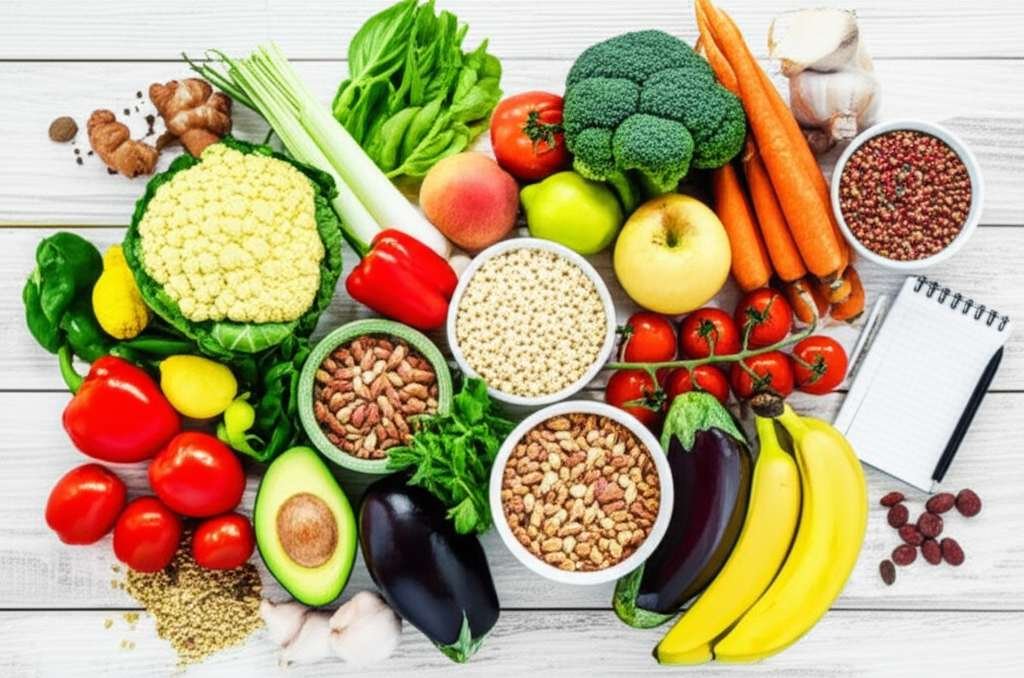
Before we jump into the meal plan, it’s important to understand that weight loss happens when you consistently consume fewer calories than your body uses. This is called a calorie deficit.
For a 28-day vegetarian diet plan for weight loss, we aim to create a moderate calorie deficit. This means reducing your intake without drastically cutting out essential nutrients.
Your individual calorie needs depend on factors like your age, sex, weight, height, and activity level. A good starting point for many women looking to lose weight is around 1500-1800 calories per day, and for men, 1800-2200 calories.
You can use online calculators, like those from the National Institutes of Health (NIH), to estimate your daily calorie needs for weight loss.
Key Components of the 28-Day Vegetarian Diet Plan
This plan focuses on whole, unprocessed foods to maximize nutrients and satiety.
1. Whole Grains
These are your energy powerhouses and provide essential fiber. Think brown rice, quinoa, oats, whole wheat bread, and barley.
2. Lean Protein Sources
Crucial for muscle building and keeping you full. Excellent vegetarian options include:
Legumes (beans, lentils, chickpeas)
Tofu and tempeh
Edamame
Nuts and seeds
Greek yogurt (if including dairy)
Eggs (if including lacto-ovo vegetarian)
3. Plenty of Fruits and Vegetables
These are packed with vitamins, minerals, antioxidants, and fiber. Aim for a wide variety of colors!
4. Healthy Fats
Important for hormone production and nutrient absorption. Include sources like:
Avocado
Nuts and seeds
Olive oil
5. Hydration
Water is your best friend. It aids digestion, metabolism, and helps you feel full.
Foods to Emphasize
Here’s a quick list of what to fill your plate with:
Vegetables: Broccoli, spinach, kale, bell peppers, carrots, tomatoes, zucchini, sweet potatoes, etc.
Fruits: Berries, apples, bananas, oranges, pears, melons, etc.
Legumes: Lentils, black beans, kidney beans, chickpeas, split peas.
Whole Grains: Oats, quinoa, brown rice, whole wheat pasta, whole grain bread.
Healthy Fats: Avocados, almonds, walnuts, chia seeds, flax seeds, olive oil.
Proteins: Tofu, tempeh, edamame, eggs, Greek yogurt (if applicable).
Foods to Limit or Avoid
To make this 28-day vegetarian diet plan for weight loss effective, it’s helpful to reduce or avoid certain foods:
Processed Foods: Packaged snacks, sugary cereals, white bread, fast food.
Sugary Drinks: Soda, sweetened juices, energy drinks.
Excessive Added Sugars: Found in desserts, candies, and some sauces.
Refined Grains: White rice, white pasta, white bread.
Fried Foods: Even vegetarian versions can be high in unhealthy fats and calories.
Your 28-Day Vegetarian Diet Plan: Week by Week
This plan provides a framework. Feel free to swap meals within the same day or between days if they fit your calorie and nutrient needs. Remember to listen to your body!
Week 1: Building the Foundation
This week is about getting comfortable with vegetarian meals and focusing on whole foods.
Day 1
Breakfast: Oatmeal with berries and a sprinkle of chia seeds.
Lunch: Lentil soup with a side salad (mixed greens, cucumber, tomatoes, olive oil dressing).
Dinner: Quinoa bowl with black beans, corn, salsa, and avocado.
Day 2
Breakfast: Scrambled eggs (or tofu scramble) with spinach and whole-wheat toast.
Lunch: Chickpea salad sandwich on whole-grain bread with lettuce and tomato.
Dinner: Vegetable stir-fry with brown rice (broccoli, carrots, bell peppers, snap peas with a light soy-ginger sauce).
Day 3
Breakfast: Greek yogurt (or soy yogurt) with granola and sliced banana.
Lunch: Leftover vegetable stir-fry.
Dinner: Baked sweet potato topped with chili (beans, tomatoes, onions, spices).
Day 4
Breakfast: Smoothie with spinach, banana, almond milk, and protein powder (optional).
Lunch: Large salad with mixed greens, cucumber, bell peppers, chickpeas, and a lemon-tahini dressing.
Dinner: Whole wheat pasta with marinara sauce and a side of steamed green beans.
Day 5
Breakfast: Oatmeal with chopped apples and walnuts.
Lunch: Leftover pasta with marinara sauce.
Dinner: Veggie burgers on whole wheat buns with a side of roasted broccoli.
Day 6
Breakfast: Whole-wheat toast with avocado and a sprinkle of red pepper flakes.
Lunch: Quinoa salad with chopped vegetables (cucumber, bell peppers, parsley) and a vinaigrette.
Dinner: Lentil shepherd’s pie (lentil base with mashed sweet potato topping).
Day 7
Breakfast: Smoothie with mixed berries, kale, and plant-based milk.
Lunch: Leftover lentil shepherd’s pie.
Dinner: Homemade vegetarian pizza on a whole wheat crust with plenty of vegetables.
Week 2: Increasing Variety and Flavor
We’ll introduce more diverse ingredients and cooking methods.
Day 8
Breakfast: Tofu scramble with black beans, salsa, and a side of avocado.
Lunch: Mediterranean quinoa salad with cucumber, tomatoes, olives, and lemon-tahini dressing.
Dinner: Baked falafel with a side salad and a small portion of hummus.
Day 9
Breakfast: Overnight oats made with almond milk, chia seeds, and topped with sliced peaches.
Lunch: Leftover falafel and salad.
Dinner: Hearty vegetable and barley soup.
Day 10
Breakfast: Whole-wheat pancakes (made with whole wheat flour) topped with berries.
Lunch: Leftover barley soup.
Dinner: Black bean burgers on whole wheat buns with a side of baked sweet potato fries.
Day 11
Breakfast: Greek yogurt with chopped mango and slivered almonds.
Lunch: Salad with grilled halloumi (if dairy is included) or grilled tofu, mixed greens, and a light dressing.
Dinner: Stuffed bell peppers with quinoa, corn, and black beans.
Day 12
Breakfast: Smoothie with banana, peanut butter, spinach, and plant-based milk.
Lunch: Leftover stuffed bell peppers.
Dinner: Chickpea curry with brown rice.
Day 13
Breakfast: Oatmeal with sliced pear and cinnamon.
Lunch: Leftover chickpea curry.
Dinner: Veggie and lentil loaf with mashed cauliflower and a side of steamed asparagus.
Day 14
Breakfast: Whole-wheat toast with almond butter and sliced banana.
Lunch: Salad with mixed greens, cucumber, bell peppers, edamame, and a ginger-sesame dressing.
Dinner: Mushroom risotto made with brown rice or arborio rice.
Week 3: Boosting Nutrients and Satisfaction
Focus on nutrient density and incorporating foods that keep you satisfied.
Day 15
Breakfast: Chia pudding made with almond milk, topped with raspberries and shredded coconut.
Lunch: Leftover mushroom risotto.
Dinner: Baked tofu with a side of roasted Brussels sprouts and quinoa.
Day 16
Breakfast: Scrambled eggs (or tofu scramble) with diced tomatoes and onions, served with a small avocado.
Lunch: Lentil and vegetable wrap in a whole wheat tortilla.
Dinner: Sweet potato and black bean tacos on corn tortillas with salsa and a dollop of plain Greek yogurt or cashew cream.
Day 17
Breakfast: Greek yogurt with blueberries and a sprinkle of pumpkin seeds.
Lunch: Leftover tacos.
Dinner: Minestrone soup packed with vegetables and beans.
Day 18
Breakfast: Oatmeal with chopped figs and pecans.
Lunch: Leftover minestrone soup.
Dinner: Shepherd’s pie with a lentil and vegetable base, topped with mashed sweet potato.
Day 19
Breakfast: Smoothie with kale, pineapple, ginger, and coconut water.
Lunch: Quinoa salad with roasted vegetables (zucchini, bell peppers, red onion) and a balsamic glaze.
Dinner: Tempeh stir-fry with mixed vegetables and brown rice.
Day 20
Breakfast: Whole-wheat toast with hummus and sliced cucumber.
Lunch: Leftover tempeh stir-fry.
Dinner: White bean and kale soup with a side of whole-grain bread.
Day 21
Breakfast: Greek yogurt with sliced kiwi and flax seeds.
Lunch: Salad with mixed greens, grilled portobello mushrooms, and a light vinaigrette.
Dinner: Vegetarian chili with cornbread.
Week 4: Reinforcing Habits and Enjoying Results
This week is about solidifying healthy habits and celebrating progress.
Day 22
Breakfast: Oatmeal with banana slices and a tablespoon of peanut butter.
Lunch: Leftover vegetarian chili.
Dinner: Baked falafel with a large, mixed green salad and tahini dressing.
Day 23
Breakfast: Tofu scramble with spinach and whole-wheat toast.
Lunch: Leftover falafel salad.
Dinner: Lentil shepherd’s pie with a sweet potato topping.
Day 24
Breakfast: Smoothie with berries, protein powder, and almond milk.
Lunch: Leftover lentil shepherd’s pie.
Dinner: Veggie skewers (cherry tomatoes, zucchini, bell peppers, onions, tofu cubes) grilled or baked, served with quinoa.
Day 25
Breakfast: Greek yogurt with chopped apple and walnuts.
Lunch: Quinoa bowl with chickpeas, roasted vegetables, and a lemon-herb dressing.
Dinner: Homemade vegetable and bean soup.
Day 26
Breakfast: Whole-wheat pancakes with berries.
Lunch: Leftover vegetable and bean soup.
Dinner: Black bean burgers on whole wheat buns with a side of baked sweet potato fries.
Day 27
Breakfast: Oatmeal with chia seeds and a handful of almonds.
Lunch: Salad with mixed greens, avocado, corn, black beans, and a lime dressing.
Dinner: Stuffed bell peppers with a quinoa and lentil filling.
Day 28
Breakfast: Smoothie with spinach, banana, and plant-based milk.
Lunch: Leftover stuffed bell peppers.
Dinner: Your favorite vegetarian meal from the past month, or a celebration of healthy eating!
Sample Meal Breakdown (Approximate Calories)
This is a general example and can be adjusted based on your specific calorie targets.
| Meal | Example Meal | Approximate Calories |
|---|---|---|
| Breakfast | 1/2 cup rolled oats cooked with water, 1/2 cup berries, 1 tbsp chia seeds | 250-300 |
| Lunch | 1.5 cups lentil soup, 2 cups mixed green salad with 1 tbsp olive oil dressing | 350-400 |
| Dinner | 1 cup cooked quinoa, 1/2 cup black beans, 1/4 cup corn, salsa, 1/4 avocado | 450-500 |
| Snack (Optional) | 1 apple or a small handful of almonds (approx. 15-20) | 100-150 |
| Total Daily Estimate | 1150 – 1350 (This is a lower calorie range for weight loss. Adjust portion sizes or add snacks if you need more.) |
Remember, portion control is key for weight loss. Even healthy foods have calories.
Tips for Success on Your 28-Day Journey
Making this plan work is about more than just the food. Here are some tips to help you succeed:
Stay Hydrated: Drink plenty of water throughout the day. Aim for at least 8 glasses.
Plan Ahead: Dedicate time each week to grocery shopping and meal prepping. This saves time and prevents last-minute unhealthy choices.
Listen to Your Body: Eat when you’re hungry and stop when you’re full. Don’t force yourself to eat if you’re not hungry.
Get Enough Sleep: Aim for 7-9 hours of quality sleep per night. Poor sleep can affect your hunger hormones and cravings.
Manage Stress: Find healthy ways to cope with stress, such as meditation, yoga, or spending time in nature.
Incorporate Physical Activity: While this plan focuses on diet, regular exercise significantly boosts weight loss and overall health. Aim for at least 150 minutes of moderate-intensity exercise per week. The Centers for Disease Control and Prevention (CDC) offers great guidance on this.
Be Patient: Weight loss is a journey, not a race. Celebrate small victories and don’t get discouraged by occasional slip-ups.
Common Challenges and How to Overcome Them
It’s normal to face a few bumps in the road. Here’s how to navigate them:
Cravings: If you crave something sweet or salty, try a piece of fruit, a small handful of nuts, or some air-popped popcorn. Often, these cravings pass quickly.
Feeling Hungry: Ensure you’re eating enough fiber and protein at each meal. If you’re truly hungry between meals, a healthy snack like a piece of fruit or a small portion of Greek yogurt can help.
Social Situations: If you’re going out to eat or to a social gathering, check the menu beforehand or plan to bring a healthy dish. Don’t be afraid to politely decline unhealthy options.
Lack of Time: Meal prepping is your best friend here. Spend an hour or two on the weekend chopping veggies, cooking grains, and portioning meals.
Frequently Asked Questions (FAQ)
Q1: Is this 28-day vegetarian diet plan suitable for complete beginners?
Absolutely! This plan is designed with beginners in mind. It uses simple, easy-to-find ingredients and provides clear meal suggestions. The focus is on building healthy habits gradually, making it approachable for anyone new to vegetarian eating or weight loss plans.
Q2: How much weight can I expect to lose on this 28-day vegetarian diet plan?
Weight loss varies from person to person based on factors like starting weight, metabolism, and adherence to the plan. A healthy and sustainable weight loss is typically 1-2 pounds per week. So, you could aim to lose between 4-8 pounds over the 28 days, but remember, consistency is key, and you might see even better results!
Q3: What if I’m not a strict vegetarian and eat eggs or dairy?
That’s perfectly fine! This plan is flexible. If you consume eggs and dairy (lacto-ovo vegetarian), you can incorporate them into your meals. For example, you could have eggs for breakfast or include Greek yogurt as a snack. Just ensure they fit within your overall calorie goals.
Q4: How can I make sure I’m getting enough protein on a vegetarian diet?
Protein is essential! This plan includes plenty of vegetarian protein sources like beans, lentils, chickpeas, tofu, tempeh, edamame, nuts, and seeds. If you include dairy, Greek yogurt and cottage cheese are great options. Eggs are also a complete protein source. Distributing these throughout your meals will help you meet your protein needs.
Q5: What should I do after the 28 days are over?
The goal is sustainable lifestyle change! After the 28 days, you can continue with a similar eating pattern. Focus on maintaining the healthy habits you’ve built. You might want to gradually increase your calorie intake slightly to maintain your weight, or continue with a slight deficit if you have more weight to lose. Keep experimenting with new vegetarian recipes!
Q6: Is it okay to swap meals from different days?
Yes, definitely! This plan is a template. If you prefer to have a dinner meal for lunch, or swap meals between days, feel free to do so. The most important thing is to stick to the types of whole, plant-based foods and portion sizes that support your weight loss goals.
Conclusion
Embarking on a 28-day vegetarian diet plan for weight loss can be a transformative experience. By focusing on nutrient-dense, whole foods, you’re not just aiming to shed pounds, but also to nourish your body, boost your energy, and build sustainable healthy habits.
This plan provides a clear roadmap, but remember that your journey is unique. Listen to your body, stay consistent, and be kind to yourself. You’ve got this!
As you complete these 28 days, you’ll likely notice not only changes on the scale but also improvements in how you feel day-to-day. You’ll feel more in control of your eating, more energized, and proud of the commitment you’ve made to yourself. Keep this momentum going, and continue to explore the delicious and rewarding world of vegetarian eating!
As an Amazon Associate, We earn from qualifying purchases. When you purchase a product through Amazon links on pulsefitguide.com, we may earn a small commission at no extra cost to you. This helps support the site and keep our content free.
