


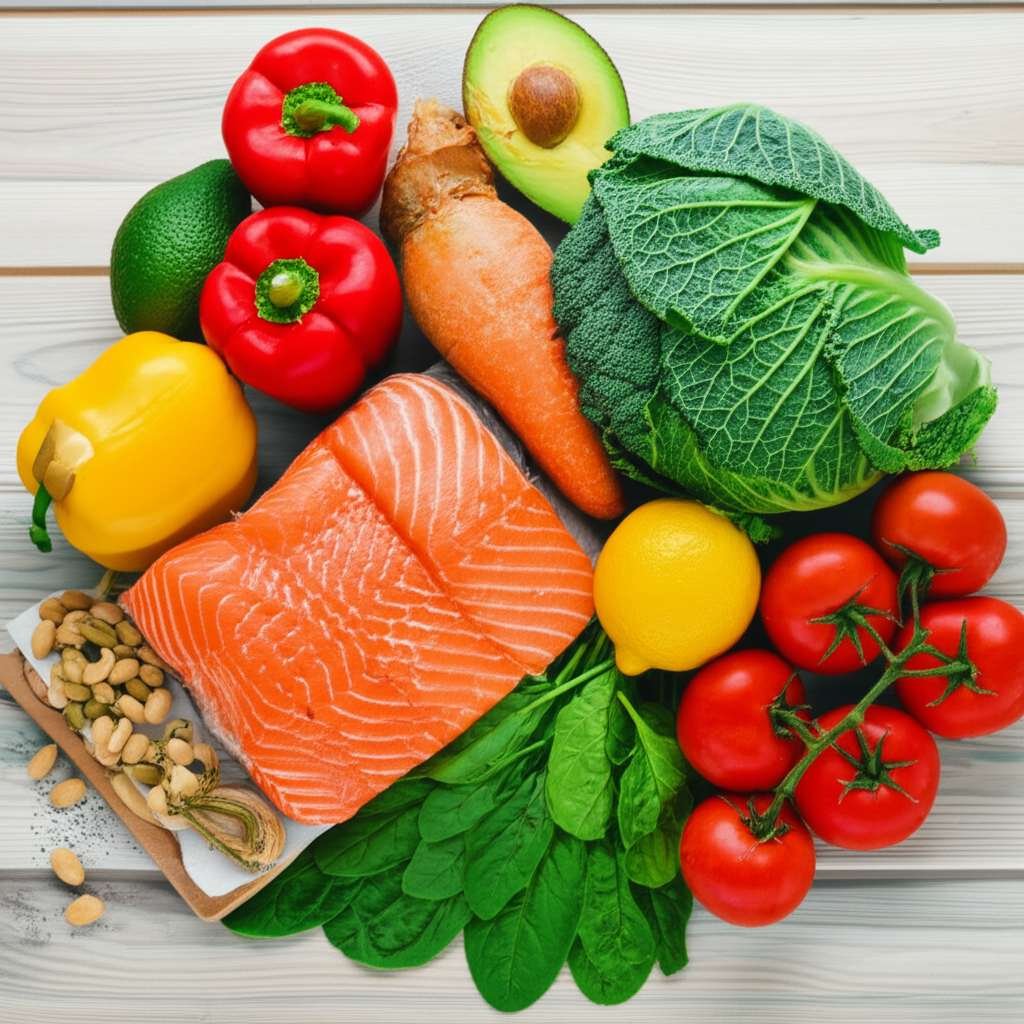
14 Day Weight Loss Meal Plan: Essential Guide
This 14-day weight loss meal plan provides a balanced, beginner-friendly approach to healthy eating. It focuses on whole foods and practical meal ideas to kickstart your journey. Get ready to feel more energized and confident with delicious, easy-to-prepare meals.
Losing weight can feel like a puzzle, especially when you’re just starting out. You might be wondering where to begin or what foods will actually help you reach your goals without feeling deprived.
It’s completely normal to feel a little confused. The good news is that weight loss doesn’t have to be complicated or restrictive. With a clear plan and some simple strategies, you can make real progress.
This guide is designed to give you a straightforward, step-by-step plan to follow for two weeks. We’ll break down what to eat, how to prepare it, and why it works, all in easy-to-understand terms.
Ready to simplify your journey and feel great? Let’s dive into your 14-day weight loss meal plan!
Why a 14-Day Meal Plan Works for Beginners
Starting a weight loss journey can be overwhelming. A 14-day meal plan offers a manageable timeframe to build healthy habits. It provides structure without feeling like a lifelong commitment.
This structured approach helps you understand portion control and balanced nutrition. By following a plan, you reduce decision fatigue and make healthier choices easier. It’s like having a roadmap for your meals.
For beginners, consistency is key. A 14-day plan allows you to experience success early on, boosting your motivation. You’ll start to see and feel the positive changes, making it easier to stick with healthier eating long-term.
Understanding the Basics of Weight Loss

Weight loss primarily happens when you consume fewer calories than your body uses. This is often referred to as a calorie deficit. It means your body needs to tap into stored fat for energy.
However, it’s not just about eating less; it’s about eating smart. Focusing on nutrient-dense foods fuels your body, keeps you feeling full, and supports overall health.
Key components for successful weight loss include:
- Balanced Macronutrients: Getting the right mix of protein, carbohydrates, and healthy fats. Protein helps you feel full and preserves muscle. Complex carbs provide sustained energy, and healthy fats are crucial for hormone function and satiety.
- Portion Control: Being mindful of how much you eat. Even healthy foods can lead to weight gain if eaten in excess.
- Hydration: Drinking enough water is vital. It aids digestion, metabolism, and can help you feel fuller.
- Regular Movement: While diet is crucial, incorporating physical activity burns extra calories and builds muscle, which boosts your metabolism.
According to the National Institute of Diabetes and Digestive and Kidney Diseases (NIDDK), a sustainable weight loss of 1 to 2 pounds per week is a healthy goal.
Your 14-Day Weight Loss Meal Plan: The Essentials
This meal plan is designed for simplicity and effectiveness. It focuses on whole, unprocessed foods that are easy to find and prepare. Remember, this is a template; feel free to swap meals within days if it suits your schedule better, but try to maintain similar nutritional profiles.
Week 1: Building the Foundation
Week one is all about establishing a routine and getting used to the new eating patterns. We’ll focus on lean proteins, plenty of vegetables, and complex carbohydrates.
Day 1
Breakfast: Oatmeal with berries and a sprinkle of almonds. Use rolled oats for slower energy release.
Lunch: Large mixed green salad with grilled chicken breast, cucumber, tomatoes, and a light vinaigrette dressing.
Dinner: Baked salmon with roasted broccoli and a small sweet potato.
Day 2
Breakfast: Scrambled eggs (2-3) with spinach and whole-wheat toast.
Lunch: Lentil soup with a side of whole-grain crackers.
Dinner: Lean ground turkey stir-fry with mixed vegetables (bell peppers, snap peas, carrots) and brown rice.
Day 3
Breakfast: Greek yogurt with a handful of mixed berries and a tablespoon of chia seeds.
Lunch: Leftover turkey stir-fry.
Dinner: Chicken breast, baked or grilled, with a large serving of steamed asparagus and quinoa.
Day 4
Breakfast: Smoothie made with spinach, banana, unsweetened almond milk, and a scoop of protein powder.
Lunch: Tuna salad (made with Greek yogurt instead of mayo) on whole-wheat bread with lettuce and tomato.
Dinner: Baked cod with lemon and herbs, served with a side of green beans and a small portion of roasted cauliflower.
Day 5
Breakfast: Oatmeal with sliced apple and cinnamon.
Lunch: Large salad with chickpeas, mixed greens, bell peppers, cucumber, and a lemon-tahini dressing.
Dinner: Lean beef and vegetable skewers (zucchini, bell peppers, onions) grilled, served with a small side salad.
Day 6
Breakfast: Scrambled tofu with turmeric and black pepper, with a side of sliced avocado.
Lunch: Leftover beef and vegetable skewers.
Dinner: Baked chicken thighs (skinless) with roasted Brussels sprouts and a small serving of wild rice.
Day 7
Breakfast: Whole-wheat pancakes (made with whole wheat flour) topped with fresh fruit.
Lunch: Quinoa salad with black beans, corn, chopped bell peppers, cilantro, and a lime dressing.
Dinner: Large omelet filled with mixed vegetables (mushrooms, onions, spinach) and a small side salad.
Week 2: Maintaining Momentum
Week two builds on the habits established in week one. We’ll introduce a few new meal ideas while keeping the focus on nutrient-rich, satisfying foods.
Day 8
Breakfast: Greek yogurt with sliced peaches and a sprinkle of flaxseeds.
Lunch: Turkey and veggie wrap using a whole-wheat tortilla, filled with sliced turkey breast, lettuce, tomato, and cucumber.
Dinner: Salmon patties (homemade with oats and herbs) with a large side of steamed broccoli and a small portion of mashed cauliflower.
Day 9
Breakfast: Oatmeal with chopped walnuts and a drizzle of honey.
Lunch: Leftover salmon patties with broccoli.
Dinner: Chicken breast, seasoned with paprika and garlic, served with roasted sweet potato wedges and a side of sautéed kale.
Day 10
Breakfast: Smoothie with kale, pineapple, unsweetened coconut water, and ginger.
Lunch: Hard-boiled eggs (2) with a side of mixed greens, cherry tomatoes, and a light balsamic vinaigrette.
Dinner: Lentil shepherd’s pie (lentil and vegetable base topped with mashed sweet potato).
Day 11
Breakfast: Scrambled eggs with a side of whole-wheat toast and a small grapefruit.
Lunch: Leftover lentil shepherd’s pie.
Dinner: Baked cod with a lemon-dill sauce, served with steamed green beans and a small portion of brown rice.
Day 12
Breakfast: Greek yogurt with a handful of blueberries and slivered almonds.
Lunch: Chicken salad (made with Greek yogurt) stuffed into bell pepper halves.
Dinner: Lean pork tenderloin, roasted, with a side of roasted asparagus and a small baked potato.
Day 13
Breakfast: Oatmeal with sliced banana and a tablespoon of peanut butter.
Lunch: Leftover pork tenderloin with asparagus.
Dinner: Large vegetable and bean chili (kidney beans, black beans, tomatoes, onions, peppers) topped with a dollop of plain Greek yogurt.
Day 14
Breakfast: Whole-wheat toast with mashed avocado and a sprinkle of red pepper flakes.
Lunch: Leftover vegetable and bean chili.
Dinner: Grilled chicken breast with a large mixed green salad and a side of quinoa.
Sample Daily Meal Breakdown (Example: Day 3)
Let’s break down Day 3 to see how the meals fit together and provide sustained energy.
| Meal | Food Item | Why it’s good for weight loss |
|---|---|---|
| Breakfast | Greek yogurt with mixed berries and chia seeds | High in protein for satiety, fiber from berries and chia seeds aids digestion and fullness. |
| Lunch | Leftover turkey stir-fry with mixed vegetables and brown rice | Lean protein, fiber-rich vegetables, and complex carbohydrates provide sustained energy without a sugar crash. |
| Dinner | Chicken breast with steamed asparagus and quinoa | Lean protein, low-calorie vegetables, and a whole grain offer a balanced, filling meal that supports muscle health and energy levels. |
Building Your Grocery List: Essential Ingredients
Having a shopping list makes grocery trips efficient and helps you stick to the plan. This list covers the core ingredients for the 14-day meal plan. You can adjust quantities based on your household size.
Proteins:
- Chicken breasts and thighs (skinless)
- Lean ground turkey
- Lean beef
- Salmon fillets
- Cod fillets
- Canned tuna (in water)
- Eggs
- Tofu
- Lentils (dried or canned)
- Chickpeas (canned or dried)
- Black beans (canned or dried)
- Kidney beans (canned or dried)
- Plain Greek yogurt
- Protein powder (optional, for smoothies)
Vegetables:
- Spinach
- Kale
- Broccoli
- Asparagus
- Green beans
- Bell peppers (various colors)
- Onions
- Carrots
- Snap peas
- Cucumber
- Tomatoes (fresh, cherry, canned diced)
- Mushrooms
- Zucchini
- Cauliflower
- Brussels sprouts
- Avocado
- Lettuce (mixed greens, romaine)
Fruits:
- Berries (strawberries, blueberries, raspberries)
- Banana
- Apple
- Peaches
- Grapefruit
- Lemon
- Lime
- Pineapple
Grains & Complex Carbohydrates:
- Rolled oats
- Brown rice
- Quinoa
- Wild rice
- Whole-wheat bread
- Whole-wheat tortillas
- Whole-grain crackers
- Sweet potatoes
Healthy Fats & Seeds:
- Almonds
- Walnuts
- Chia seeds
- Flaxseeds
- Olive oil
- Peanut butter (natural)
Pantry Staples & Seasonings:
- Herbs (fresh or dried: parsley, cilantro, dill, rosemary)
- Spices (garlic powder, onion powder, paprika, turmeric, cinnamon, red pepper flakes, black pepper)
- Salt
- Honey (optional, use sparingly)
- Vinegar (balsamic, apple cider)
- Mustard
- Soy sauce or tamari (low sodium)
- Ginger (fresh or ground)
- Garlic
- Unsweetened almond milk
- Unsweetened coconut water
Tips for Success and Sustainability
Sticking to a new meal plan can have its challenges, but with a few smart strategies, you can make it enjoyable and sustainable.
Hydration is Key
Drink plenty of water throughout the day. Aim for at least 8 glasses (about 2 liters). Water helps with digestion, metabolism, and can even curb hunger. Carry a reusable water bottle with you as a constant reminder.
Portion Awareness
Use smaller plates to help control portions visually. Learn to recognize appropriate serving sizes for different food groups. A general guide: half your plate should be non-starchy vegetables, a quarter lean protein, and a quarter complex carbohydrates.
Mindful Eating
Slow down when you eat. Pay attention to your body’s hunger and fullness cues. Try to eat without distractions like TV or your phone. This helps you savor your food and recognize when you’ve had enough.
Meal Prep
Dedicate some time, perhaps on a weekend, to prepare components of your meals. Wash and chop vegetables, cook grains like quinoa or brown rice, and pre-portion snacks. This saves time during busy weekdays and makes healthy choices more convenient.
Listen to Your Body
This plan is a guide, not a rigid set of rules. If you’re feeling overly hungry, add more non-starchy vegetables or a small healthy snack like a handful of nuts or some fruit. If a particular meal doesn’t appeal to you, swap it for another healthy option from the plan.
Incorporate Movement
While this plan focuses on diet, adding physical activity will amplify your results. Aim for at least 150 minutes of moderate-intensity aerobic activity per week, plus muscle-strengthening activities twice a week, as recommended by the U.S. Department of Health and Human Services. Even a brisk walk can make a difference.
Don’t Aim for Perfection
There will be days when you slip up, and that’s perfectly okay. Don’t let one “off” meal derail your entire progress. Just get back on track with your next meal. Consistency over perfection is the goal.
Frequently Asked Questions (FAQ)
Q1: Is this meal plan suitable for vegetarians or vegans?
This specific plan is not strictly vegetarian or vegan, as it includes animal proteins. However, it can be easily adapted. Replace meat and fish with plant-based proteins like tofu, tempeh, lentils, beans, and plant-based protein powders. Swap Greek yogurt for a plant-based alternative like soy or coconut yogurt.
Q2: Can I swap meals between days?
Yes, you can absolutely swap meals between days. The goal is to maintain a balance of macronutrients and focus on whole foods. If you prefer to have Tuesday’s dinner on Wednesday, that’s fine, as long as it fits within your overall nutritional goals for the day.
Q3: What if I feel hungry between meals?
If you feel hungry, it’s important to listen to your body. Opt for healthy, low-calorie snacks such as a piece of fruit, a handful of raw vegetables (like carrots or celery sticks), a small portion of nuts, or a hard-boiled egg. Ensure you are also drinking enough water.
Q4: How much water should I drink daily?
A general recommendation is to drink about 8 glasses (approximately 2 liters or half a gallon) of water per day. This can vary based on your activity level, climate, and individual needs. Carry a water bottle and sip throughout the day.
Q5: Do I need to count calories with this plan?
This meal plan is designed to be balanced and portion-controlled, which often leads to a natural reduction in calorie intake without strict counting. However, if you want to be more precise, you can use a calorie-tracking app or journal to monitor your intake. For most beginners, focusing on the food choices and portion sizes provided in the plan is sufficient.
Q6: What if I have dietary restrictions or allergies?
This plan is a general guide. If you have specific dietary restrictions, allergies (e.g., gluten, dairy, nuts), or health conditions, it’s crucial to consult with a registered dietitian or healthcare provider. They can help you tailor the plan to your individual needs and ensure it’s safe and effective for you.
Q7: How do I transition to a long-term healthy eating plan after these 14 days?
After completing the 14 days, continue incorporating the principles you’ve learned: focus on whole foods, balance your meals, practice portion control, and stay hydrated. You can repeat the 14-day plan, explore new healthy recipes, or gradually build your own customized meal plan based on your preferences and lifestyle.
Conclusion
Embarking on a weight loss journey can feel daunting, but having a clear, manageable plan like this 14-day meal guide can make all the difference. You’ve seen that healthy eating doesn’t have to be complicated or restrictive. By focusing on whole foods, balanced meals, and consistent habits, you’re setting yourself up for success.
Remember, this plan is a stepping stone. The real goal is to build sustainable healthy eating habits that you can carry forward long after these two weeks are over. Pay attention to how your body feels, celebrate your small victories, and don’t be afraid to adjust as needed.
You have the tools and the knowledge now to take control of your nutrition. Keep up the great work, stay hydrated, listen to your body, and enjoy the process of becoming healthier and stronger. You’ve got this!
As an Amazon Associate, We earn from qualifying purchases. When you purchase a product through Amazon links on pulsefitguide.com, we may earn a small commission at no extra cost to you. This helps support the site and keep our content free.
