


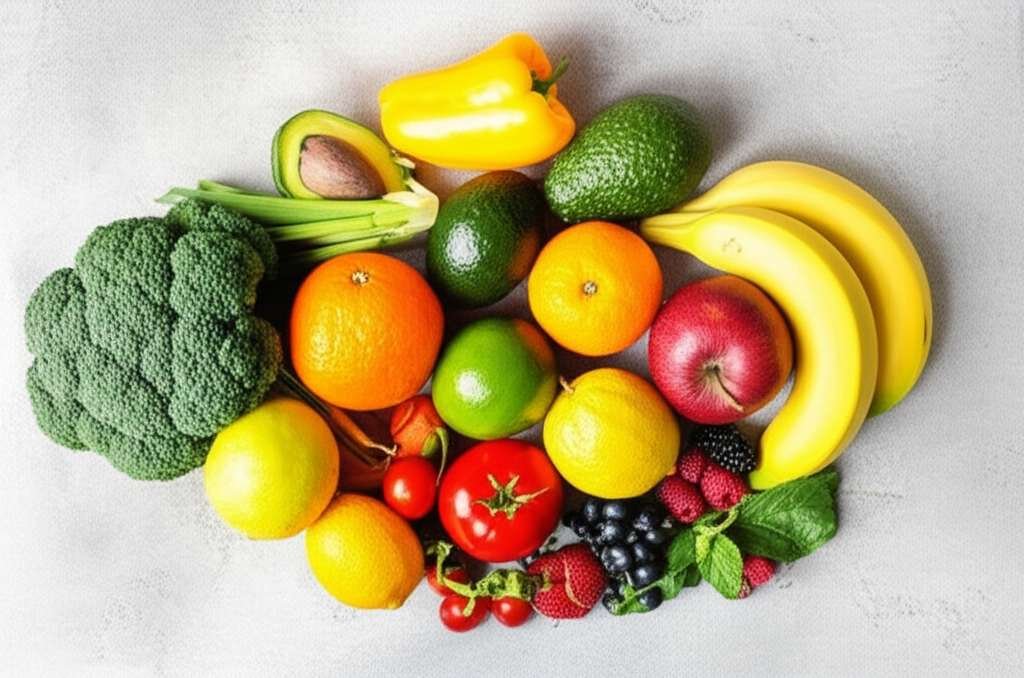
Achieve weight loss success in just 14 days with a simple, science-backed diet plan designed for beginners. This effortless approach focuses on whole foods and sustainable habits, making it easy to reach your goals without feeling overwhelmed.
Feeling a bit stuck with weight loss? You’re definitely not alone. Many of us find it tough to figure out what to eat, especially when life gets busy. It can feel like a puzzle with too many confusing pieces.
But what if losing weight didn’t have to be so complicated? Imagine a plan that’s clear, easy to follow, and actually works.
This 14-day plan is designed to do just that. We’ll break it down into simple steps, focusing on delicious foods that help you feel your best. Let’s get started on your journey to a healthier you!
Why a 14-Day Diet Plan Can Work Wonders
Starting a weight loss journey can feel like a huge mountain to climb. You might be wondering where to begin, what foods to choose, and how to stick with it. This is where a structured, short-term plan like a 14-day diet can be incredibly helpful.
A 14-day diet plan offers a clear roadmap. It removes the guesswork and provides a concrete structure for what to eat each day. This focused approach helps build momentum and can lead to noticeable changes quickly, which is super motivating for beginners.
By focusing on a limited timeframe, it feels less daunting than a lifelong commitment. This can make it easier to adopt new habits and see early successes, boosting your confidence to continue with healthier eating patterns.
Understanding the Basics of Weight Loss
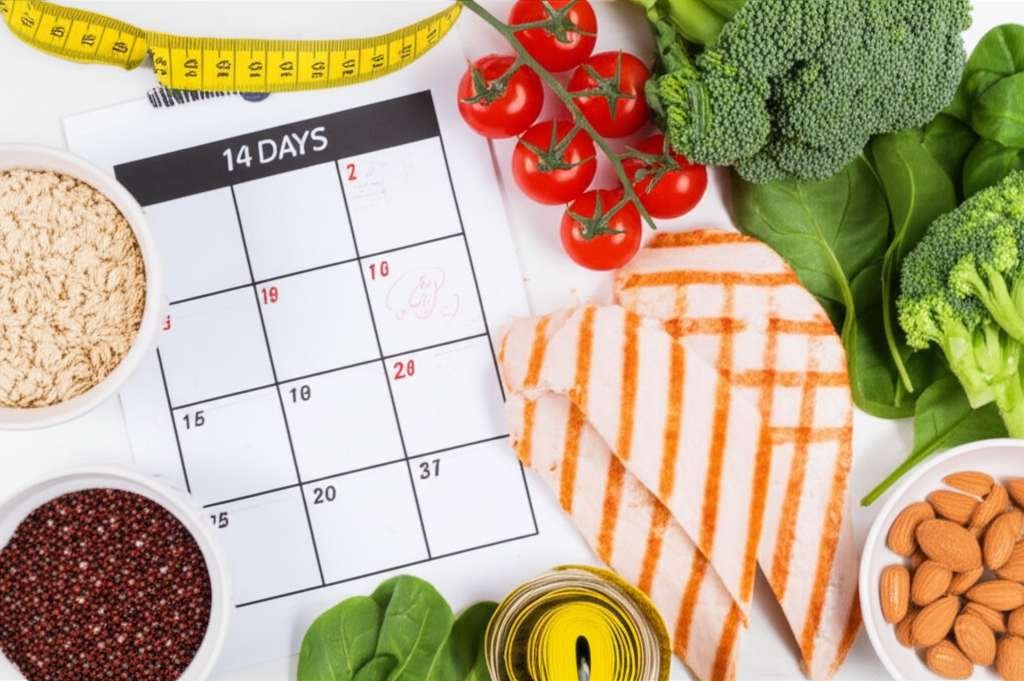
Before diving into the 14-day plan, let’s quickly touch on how weight loss actually happens. It’s simpler than it sounds!
Weight loss primarily occurs when you consistently consume fewer calories than your body uses. This is known as a calorie deficit. When your body doesn’t get enough energy from food, it starts to tap into stored fat for fuel.
Several factors influence how many calories your body burns, including your metabolism, activity level, and body composition. While exercise is a great way to increase calorie expenditure, it’s absolutely possible to create a calorie deficit through diet alone. This 14-day plan focuses on achieving that deficit through smart food choices.
The Science-Backed Principles Behind This Plan
This 14-day diet plan is built on simple, science-backed principles to ensure it’s effective and sustainable. We’re focusing on nutrient-dense foods that keep you feeling full and satisfied, helping you manage hunger and cravings naturally.
1. Whole Foods are Key
The foundation of this plan is whole, unprocessed foods. Think fruits, vegetables, lean proteins, and healthy fats. These foods are packed with vitamins, minerals, and fiber, which are essential for overall health and can aid in weight management.
2. Balanced Macronutrients
We’ll ensure each meal has a good balance of protein, carbohydrates, and fats. Protein helps you feel full and preserves muscle mass, healthy carbs provide energy, and fats are crucial for hormone function and satiety.
3. Hydration is Your Friend
Drinking enough water is vital for metabolism, appetite control, and overall bodily functions. Staying well-hydrated can also help differentiate between thirst and hunger, preventing unnecessary snacking.
4. Mindful Eating
Paying attention to your body’s hunger and fullness cues is a powerful tool. Eating slowly and savoring your food can help you recognize when you’ve had enough, preventing overeating.
5. Consistency Over Perfection
The goal is progress, not perfection. This plan provides structure, but if you slip up, don’t get discouraged. Just get back on track with your next meal.
Your Effortless 14-Day Diet Plan for Weight Loss

This plan is designed to be flexible and easy to follow. It emphasizes whole foods and simple meal ideas. Remember to adjust portion sizes based on your individual needs and hunger levels.
Important Notes Before You Start:
Hydration: Drink at least 8 glasses of water daily. Herbal teas and black coffee are also good options.
Seasoning: Use herbs, spices, lemon juice, and vinegar for flavor. Limit added salt and sugar.
Cooking Methods: Opt for baking, grilling, steaming, or stir-frying with minimal oil.
Flexibility: Feel free to swap meals within the same day or between days if it suits your schedule better.
Listen to Your Body: Eat when you’re hungry and stop when you’re comfortably full.
Week 1: Building Momentum
This week focuses on establishing a routine and getting your body used to nourishing foods.
Day 1
Breakfast: Scrambled eggs (2-3) with spinach and a side of berries.
Lunch: Large mixed green salad with grilled chicken breast, cucumber, tomatoes, and a light vinaigrette.
Dinner: Baked salmon with steamed broccoli and quinoa.
Snack (Optional): A handful of almonds.
Day 2
Breakfast: Greek yogurt with a sprinkle of chia seeds and a small piece of fruit.
Lunch: Lentil soup with a side of whole-grain crackers.
Dinner: Lean ground turkey stir-fry with mixed vegetables (bell peppers, onions, snap peas) and a small portion of brown rice.
Snack (Optional): Apple slices with a tablespoon of almond butter.
Day 3
Breakfast: Oatmeal made with water or unsweetened almond milk, topped with sliced banana and a dash of cinnamon.
Lunch: Tuna salad (made with Greek yogurt instead of mayo) served in lettuce cups with cherry tomatoes.
Dinner: Chicken breast baked with herbs, served with roasted asparagus and sweet potato.
Snack (Optional): A small pear.
Day 4
Breakfast: Smoothie made with spinach, unsweetened almond milk, protein powder, and half a banana.
Lunch: Leftover chicken and vegetable stir-fry.
Dinner: Baked cod with lemon and herbs, served with a large side salad.
Snack (Optional): A hard-boiled egg.
Day 5
Breakfast: Two slices of whole-grain toast with avocado and a sprinkle of red pepper flakes.
Lunch: Quinoa salad with chopped cucumber, bell peppers, parsley, and a lemon-olive oil dressing.
Dinner: Lean beef or tofu chili with plenty of vegetables (beans, tomatoes, onions).
Snack (Optional): A small bowl of berries.
Day 6
Breakfast: Scrambled tofu with turmeric and black salt (for eggy flavor) and a side of sliced tomatoes.
Lunch: Leftover chili.
Dinner: Grilled chicken skewers with zucchini and bell peppers, served with a side of cauliflower rice.
Snack (Optional): A small carrot with hummus.
Day 7
Breakfast: Greek yogurt with a handful of mixed berries and a few walnuts.
Lunch: Large salad with chickpeas, mixed greens, cucumber, and a tahini dressing.
Dinner: Roasted chicken with a side of green beans and a small portion of mashed cauliflower.
Snack (Optional): A small orange.
Week 2: Reinforcing Habits
This week continues with nutrient-rich meals, focusing on variety and maintaining consistency.
Day 8
Breakfast: Smoothie with kale, pineapple, unsweetened coconut milk, and a scoop of protein powder.
Lunch: Leftover roasted chicken salad (using Greek yogurt) in lettuce wraps.
Dinner: Baked salmon with roasted Brussels sprouts and a small serving of wild rice.
Snack (Optional): A handful of pistachios.
Day 9
Breakfast: Oatmeal with chopped apple, cinnamon, and a tablespoon of pumpkin seeds.
Lunch: Turkey and vegetable soup with a side of whole-grain toast.
Dinner: Shrimp scampi (made with olive oil and garlic, served over zucchini noodles).
Snack (Optional): A small peach.
Day 10
Breakfast: Scrambled eggs with mushrooms and onions, and a side of sliced avocado.
Lunch: Leftover shrimp and zucchini noodles.
Dinner: Lean pork tenderloin roasted with herbs, served with steamed green beans and a small baked sweet potato.
Snack (Optional): A small bunch of grapes.
Day 11
Breakfast: Greek yogurt with berries and a drizzle of honey (optional, small amount).
Lunch: Lentil and vegetable salad with a light lemon dressing.
Dinner: Chicken breast stuffed with spinach and feta cheese, served with a side of roasted bell peppers.
Snack (Optional): A rice cake with peanut butter.
Day 12
Breakfast: Whole-grain toast with almond butter and sliced strawberries.
Lunch: Leftover stuffed chicken breast.
Dinner: Baked cod with a side of asparagus and a small portion of barley.
Snack (Optional): A hard-boiled egg.
Day 13
Breakfast: Smoothie with spinach, banana, almond milk, and flax seeds.
Lunch: Tuna salad (Greek yogurt-based) with mixed greens and cucumber slices.
Dinner: Beef or mushroom burgers (on lettuce buns) with a large side salad.
Snack (Optional): A small apple.
Day 14
Breakfast: Scrambled eggs with a side of mixed berries.
Lunch: Leftover burgers and salad.
Dinner: Large, customizable Buddha bowl with brown rice, roasted sweet potatoes, black beans, steamed kale, and a tahini dressing.
Snack (Optional): A small handful of almonds.
Sample Meal Breakdown: What a Day Might Look Like
To give you a clearer picture, let’s break down a sample day from the plan. This focuses on simplicity and nutrient density.
Sample Day: Day 4
Breakfast: A vibrant smoothie. Blend 1 cup spinach, 1 cup unsweetened almond milk, 1 scoop of your favorite protein powder, and half a banana. This gives you greens, protein for fullness, and natural sweetness.
Lunch: Enjoy your leftovers! This makes meal prep easy and saves time. You’ll have the lean ground turkey stir-fry with mixed vegetables and a small portion of brown rice. It’s a balanced meal with protein, fiber, and complex carbs.
Dinner: Simple and delicious baked cod. Season a cod fillet with lemon juice, herbs like dill or parsley, and a pinch of black pepper. Bake until flaky. Serve with a generous portion of mixed green salad, including lettuce, tomatoes, cucumber, and a simple olive oil and vinegar dressing.
Snack (Optional): If you feel hungry between meals, a hard-boiled egg is a great protein-rich option that’s easy to prepare ahead of time.
This sample day illustrates how the plan combines whole foods, lean proteins, healthy fats, and plenty of vegetables to keep you satisfied and energized.
Tips for Success Without Exercise
You asked about a 14-day diet plan for weight loss without exercise, and it’s totally achievable! The key is to focus intensely on your nutrition.
Here’s how to maximize your results without hitting the gym:
Prioritize Protein and Fiber: These two are your best friends for satiety. Protein keeps you feeling full longer, and fiber aids digestion and helps stabilize blood sugar. Include lean protein sources (chicken, fish, beans, tofu) and fiber-rich foods (vegetables, fruits, whole grains) in every meal.
Control Portion Sizes: Even healthy foods have calories. Be mindful of how much you’re eating. Using smaller plates can sometimes trick your brain into feeling satisfied with less food.
Limit Liquid Calories: Sugary drinks, even juices, can add up quickly without providing much fullness. Stick to water, unsweetened tea, or black coffee.
Hydrate Consistently: Drinking water throughout the day can help manage hunger and boost your metabolism slightly. Aim for at least 2-3 liters.
Get Enough Sleep: Lack of sleep can disrupt hormones that regulate appetite, leading to increased hunger and cravings. Aim for 7-9 hours of quality sleep per night.
Manage Stress: High stress levels can lead to emotional eating and weight gain. Find healthy ways to cope with stress, like deep breathing exercises or a relaxing bath.
Mindful Eating Practices: Eat slowly, savor each bite, and pay attention to your body’s hunger and fullness signals. This helps prevent overeating.
By diligently following the dietary guidelines, you can create the necessary calorie deficit for weight loss, even without incorporating an exercise routine.
Grocery Shopping List Essentials
To make this 14-day plan super easy, here’s a sample grocery list. It focuses on versatile ingredients you can use across multiple meals.
Produce
Spinach
Mixed greens/lettuce
Broccoli
Asparagus
Bell peppers (various colors)
Onions
Tomatoes (cherry and regular)
Cucumber
Zucchini
Green beans
Sweet potatoes
Berries (strawberries, blueberries, raspberries)
Apples
Pears
Bananas
Lemons
Avocado
Mushrooms
Kale
Proteins
Eggs
Chicken breast
Salmon fillets
Cod fillets
Lean ground turkey
Tuna (canned in water)
Lean beef (for chili/burgers)
Tofu
Shrimp
Chickpeas (canned or dried)
Lentils (dried or canned)
Black beans (canned or dried)
Dairy & Alternatives
Plain Greek yogurt
Unsweetened almond milk (or other plant-based milk)
Pantry Staples
Quinoa
Brown rice
Wild rice
Oatmeal (rolled oats)
Whole-grain crackers
Whole-grain bread
Almonds
Walnuts
Pistachios
Chia seeds
Flax seeds
Pumpkin seeds
Almond butter
Peanut butter
Olive oil
Vinegar (balsamic, apple cider)
Herbs and spices (salt, pepper, cinnamon, turmeric, garlic powder, onion powder, Italian herbs)
Protein powder (optional, choose a clean source)
Tahini
* Quinoa
Frequently Asked Questions (FAQ)
Q1: Can I really lose weight in 14 days with this plan?
A1: Yes, this plan is designed to help you initiate weight loss within 14 days by creating a calorie deficit through healthy food choices. While individual results vary, you can expect to feel lighter and see positive changes. It’s a great way to kickstart your journey.
Q2: What if I’m very hungry between meals?
A2: It’s normal to feel hungry as your body adjusts. Focus on the optional snacks provided, choosing options high in protein and fiber like a hard-boiled egg, a small handful of nuts, or some raw vegetables. Ensure you’re drinking plenty of water, as thirst can sometimes be mistaken for hunger.
Q3: Can I swap meals or ingredients?
A3: Absolutely! This plan is flexible. You can swap meals between days if it suits your schedule. If you have an ingredient you dislike or can’t find, substitute it with a similar healthy option. For example, swap broccoli for cauliflower, or chicken for fish, keeping protein and vegetable content similar.
Q4: Do I have to avoid all carbs?
A4: Not at all! This plan includes healthy carbohydrates from sources like quinoa, brown rice, oats, and vegetables. These complex carbs provide energy and fiber. The focus is on limiting refined carbs like white bread, pastries, and sugary snacks.
Q5: Is this plan suitable for vegetarians or vegans?
A5: Yes, with a few simple substitutions! You can replace meat and fish with plant-based proteins like tofu, tempeh, beans, lentils, and chickpeas. For a vegan diet, ensure your protein powder is plant-based and replace Greek yogurt with a dairy-free alternative like coconut or almond yogurt.
Q6: What happens after the 14 days are over?
A6: This 14-day plan is a fantastic starting point! After completing it, you can continue with the same principles by incorporating these healthy meal ideas into your regular eating habits. Gradually increase portion sizes if needed and consider adding some gentle exercise to support your progress.
Making it Sustainable: Beyond the 14 Days
The real magic of this 14-day plan isn’t just the potential for quick results, but how it sets you up for long-term success. Think of these two weeks as a powerful training ground for your eating habits.
Once the 14 days are up, you’ll likely feel more energetic and more in tune with what your body needs. You can continue with the same meal structures, perhaps introducing more variety or slightly larger portions if your hunger levels increase and your goals shift.
The key is to integrate these healthy habits into your lifestyle. Don’t think of it as a restrictive diet you’ll abandon, but rather a new, more nourishing way of eating. Continue to prioritize whole foods, stay hydrated, and listen to your body.
Consider gradually adding physical activity that you enjoy. Even a 30-minute walk a few times a week can significantly boost your metabolism and overall well-being. Combining a healthy diet with regular movement is the ultimate recipe for sustainable weight management and a vibrant life.
Conclusion
Embarking on a weight loss journey can feel overwhelming, but it doesn’t have to be complicated. This 14-day diet plan is designed to be your simple, effective, and motivating guide to effortless success. By focusing on whole, nutrient-dense foods and establishing consistent healthy habits, you can create a calorie deficit and kickstart your weight loss journey without feeling deprived.
Remember, this plan is a stepping stone. The principles of balanced eating, hydration, and mindful consumption are tools you can use long after these two weeks are complete. Celebrate the progress you make, be kind to yourself if you stumble, and focus on building a sustainable lifestyle that makes you feel energized and confident. You’ve got this!
As an Amazon Associate, We earn from qualifying purchases. When you purchase a product through Amazon links on pulsefitguide.com, we may earn a small commission at no extra cost to you. This helps support the site and keep our content free.
