


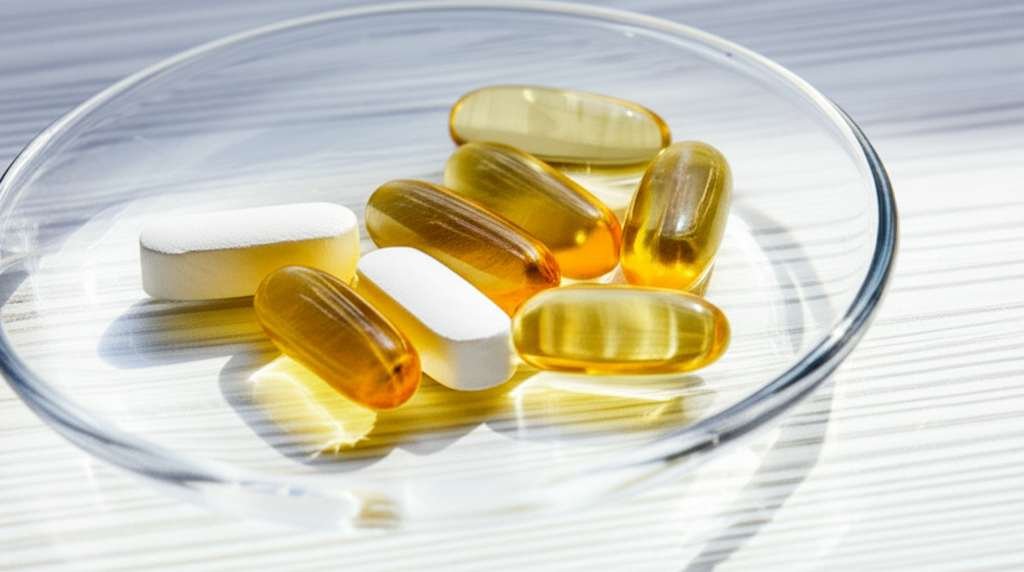
Quick Summary: The best vitamins for weight loss in men are B vitamins, Vitamin D, Magnesium, and Iron, which support metabolism, energy, and muscle function. They aren’t magic pills but work best alongside diet and exercise to help men achieve their weight loss goals more effectively.
Hey guys! Feeling a bit stuck on your weight loss journey? It’s totally normal to feel confused sometimes. There’s so much information out there, and it can be hard to know where to start.
You’re not alone in finding weight loss challenging. Many factors can make it feel like a tough puzzle to solve. But don’t worry, we’re going to break it down together.
This guide will walk you through the essential vitamins that can support your body’s natural processes for losing weight. We’ll keep it simple and actionable, just like we’re prepping for a big exam – clear, focused, and with a solid plan.
Ready to understand how vitamins can be your allies? Let’s dive in and make this journey clearer and more achievable for you!
Vitamins and Weight Loss for Men: The Essential Guide
So, you’re looking to shed a few pounds, and you’ve heard that vitamins might play a role. That’s a great question to ask! While no vitamin is a magic bullet for weight loss, certain nutrients are super important for your body to function optimally, which can definitely help you on your journey.
Think of your body like a well-oiled machine. For it to run smoothly and efficiently, it needs the right fuel and all its parts working together. Vitamins are like the essential oils and tiny components that keep everything ticking. When your body is working well, managing weight becomes a lot easier.
This guide is designed to cut through the confusion. We’ll explore which vitamins are particularly helpful for men trying to lose weight and why. We’ll explain what each one does in simple terms and how you can get them.
Understanding the Role of Vitamins in Weight Management
Weight loss isn’t just about burning more calories than you consume. It’s a complex process involving your metabolism, energy levels, muscle health, and even your mood. Vitamins are crucial micronutrients that support these fundamental bodily functions.
For men, especially, maintaining muscle mass is key to a healthy metabolism. Vitamins and minerals help your body build and repair muscle, which in turn helps you burn more calories even at rest. They also play a role in converting food into energy, meaning you feel more motivated to exercise and less likely to reach for unhealthy snacks.
When you’re deficient in certain vitamins, your body might not be able to process food efficiently, or you might feel too tired to be active. Addressing these deficiencies can therefore have a surprisingly big impact on your ability to lose weight.
Key Vitamins That Support Weight Loss in Men
Let’s look at the specific vitamins that can make a difference. These are the ones that science suggests can help your body work smarter, not harder, when it comes to weight loss.
B Vitamins: The Energy and Metabolism Boosters
The B vitamin family is a powerhouse when it comes to energy production and metabolism. There are eight different B vitamins, and they all work together to help your body convert the food you eat into usable energy.
Think of them as the spark plugs for your body’s engine. Without enough B vitamins, this conversion process slows down, leaving you feeling sluggish and making it harder for your body to break down fats and carbohydrates effectively.
Key B vitamins for weight loss include:
- B1 (Thiamine): Helps convert carbohydrates into energy.
- B2 (Riboflavin): Aids in energy production and fat metabolism.
- B3 (Niacin): Supports energy metabolism and can help improve cholesterol levels.
- B5 (Pantothenic Acid): Involved in fat metabolism and hormone production.
- B6 (Pyridoxine): Crucial for protein metabolism and neurotransmitter function, affecting mood and appetite.
- B7 (Biotin): Helps metabolize fats, carbohydrates, and proteins.
- B9 (Folate) and B12 (Cobalamin): Essential for cell growth and energy production, and deficiencies can lead to fatigue.
When your metabolism is running efficiently thanks to adequate B vitamins, your body is better equipped to use stored fat for energy and to process nutrients from your meals. This can lead to a more sustained energy level throughout the day, making it easier to stick to your exercise routine and resist cravings.
You can find B vitamins in a variety of foods like whole grains, lean meats, eggs, dairy products, leafy green vegetables, and legumes. For men, ensuring a consistent intake is vital for maintaining energy and metabolic function.
Vitamin D: The Mood and Muscle Connector
Vitamin D is often called the “sunshine vitamin” because your body produces it when your skin is exposed to sunlight. But it’s much more than just a mood booster; it plays a critical role in muscle function and can even influence fat cells.
Research suggests a link between Vitamin D levels and body weight. Low levels of Vitamin D have been observed in individuals who are overweight or obese. While the exact relationship is still being studied, some findings indicate that adequate Vitamin D might help regulate appetite and reduce fat storage.
For men, Vitamin D is also essential for muscle strength and function. Stronger muscles contribute to a higher resting metabolic rate, meaning you burn more calories even when you’re not actively exercising. This is a huge advantage in weight loss.
Getting enough Vitamin D can be tricky, especially if you live in a place with limited sunlight or spend a lot of time indoors. Good food sources include fatty fish (like salmon and mackerel), fortified milk and cereals, and egg yolks. However, many men may need to consider a supplement, especially during winter months or if they have limited sun exposure.
Magnesium: The Metabolism and Blood Sugar Regulator
Magnesium is a mineral involved in over 300 biochemical reactions in your body, including those related to energy production and blood sugar control. It’s a real unsung hero when it comes to overall health, and it can be a significant ally in your weight loss efforts.
Proper blood sugar regulation is incredibly important for weight management. When your blood sugar levels are stable, you’re less likely to experience energy crashes and intense cravings for sugary or high-carbohydrate foods. Magnesium helps your body use insulin more effectively, which is key to keeping blood sugar balanced.
Furthermore, magnesium is essential for muscle and nerve function. It helps your muscles contract and relax properly, which is vital for effective workouts. It also plays a role in protein synthesis, helping your body build and repair muscle tissue.
Deficiency in magnesium can lead to increased insulin resistance and inflammation, both of which can hinder weight loss. Ensuring you get enough magnesium can support your metabolism and help you feel more in control of your appetite.
Excellent sources of magnesium include leafy green vegetables (like spinach), nuts, seeds, whole grains, and dark chocolate. If your diet is lacking in these foods, a magnesium supplement might be beneficial.
Iron: The Energy and Oxygen Carrier
Iron might not be the first vitamin that comes to mind for weight loss, but it’s incredibly important for maintaining energy levels. Iron is a key component of hemoglobin, the protein in red blood cells that carries oxygen throughout your body.
When you don’t have enough iron, you can develop iron-deficiency anemia. Symptoms include extreme fatigue, weakness, and shortness of breath. This makes it very difficult to get through your day, let alone engage in regular physical activity, which is crucial for weight loss.
Adequate oxygen supply to your muscles is also vital for exercise performance and recovery. If your body isn’t getting enough oxygen due to iron deficiency, your workouts will suffer, and your overall energy expenditure will be lower.
For men, iron deficiency is less common than in women, but it can still occur, especially in vegetarians, vegans, or those with certain medical conditions. Ensuring you have sufficient iron levels can help combat fatigue and boost your stamina for exercise.
Rich sources of iron include red meat, poultry, fish, beans, lentils, and fortified cereals. If you’re considering an iron supplement, it’s best to talk to your doctor first, as too much iron can be harmful.
How Vitamins Support Your Weight Loss Efforts in Men
Let’s recap how these vitamins work together to support your weight loss goals:
Boosting Metabolism
B vitamins and magnesium are critical for your body’s metabolic processes. A healthy metabolism means your body efficiently converts food into energy and burns calories, even at rest.
Increasing Energy Levels
Iron and B vitamins are vital for oxygen transport and energy production. When you have more energy, you’re more likely to be active, exercise consistently, and feel motivated to make healthier choices.
Improving Muscle Function
Vitamin D and magnesium are essential for muscle health. Stronger muscles not only help you perform better during workouts but also increase your resting metabolic rate.
Regulating Appetite and Cravings
Stable blood sugar levels, supported by magnesium, can help reduce cravings for unhealthy foods. Some research also suggests Vitamin D might play a role in appetite regulation.
Supporting Hormone Balance
Several vitamins, including B vitamins and Vitamin D, are involved in the production and regulation of hormones that can influence weight, mood, and stress levels.
Vitamins and Weight Loss Foods for Men
The best way to get these essential vitamins is through a balanced diet. Focusing on nutrient-dense foods can provide all the vitamins you need while also supporting your weight loss goals.
Here’s a table highlighting some great food sources for each key vitamin:
| Vitamin/Mineral | Key Food Sources for Men | Why It Helps Weight Loss |
|---|---|---|
| B Vitamins (B1, B2, B3, B5, B6, B7, B9, B12) | Whole grains (oats, brown rice), lean meats (chicken, turkey), eggs, dairy, leafy greens (spinach, kale), legumes (beans, lentils), nuts, seeds. | Boost metabolism, convert food to energy, support muscle function. |
| Vitamin D | Fatty fish (salmon, mackerel), fortified milk/yogurt/cereals, egg yolks, mushrooms (some varieties). | Supports muscle strength, may influence fat cells and appetite regulation, improves mood for better adherence to diet/exercise. |
| Magnesium | Leafy greens (spinach), nuts (almonds, cashews), seeds (pumpkin, chia), whole grains, dark chocolate, avocados, bananas. | Helps regulate blood sugar and insulin, supports muscle function, aids in energy production. |
| Iron | Red meat, poultry, fish, beans, lentils, fortified cereals, spinach. (Note: Iron from plant sources is less easily absorbed). | Essential for oxygen transport, combats fatigue, boosts energy for workouts and daily activities. |
Remember, variety is key! Eating a diverse range of these foods ensures you’re getting a broad spectrum of nutrients that work synergistically to support your health and weight loss.
When to Consider Supplements for Men
While food should always be your primary source of nutrients, there are times when supplements can be a helpful addition. This is especially true if you have a restricted diet, known deficiencies, or find it hard to get enough of certain nutrients through food alone.
Here are a few scenarios where supplements might be considered:
- Limited Sun Exposure: If you live in a northern climate, work indoors extensively, or always use sunscreen, you might struggle to get enough Vitamin D.
- Dietary Restrictions: Vegans and vegetarians might need to supplement with B12 and potentially iron, as these are more readily available in animal products.
- Poor Appetite or Low Food Intake: If you’re not eating enough overall, you might not be getting sufficient vitamins and minerals.
- Diagnosed Deficiencies: If a doctor has identified a specific vitamin or mineral deficiency, a targeted supplement is often recommended.
- High Physical Demands: Athletes or men with very demanding physical jobs might have increased nutrient needs.
Important Note: Always consult with a healthcare professional or a registered dietitian before starting any new supplement. They can help you determine if you need a supplement, what dosage is appropriate, and ensure it doesn’t interact with any medications you’re taking. Over-supplementation can be harmful.
For instance, the National Institutes of Health (NIH) provides comprehensive information on vitamins and minerals, including recommended daily allowances and potential side effects of excessive intake. You can find detailed fact sheets on their website, such as their Vitamin D Fact Sheet for Health Professionals, which offers a deep dive into its functions and health implications.
Making Vitamins Work for Your Weight Loss Plan
Vitamins are not a substitute for a healthy diet and regular exercise. They are enhancers – tools that help your body perform at its best, making your weight loss efforts more effective and sustainable.
Here’s how to integrate vitamins into your overall weight loss strategy:
- Prioritize a Balanced Diet: Focus on whole, unprocessed foods rich in the vitamins discussed. Think lean proteins, plenty of vegetables, fruits, whole grains, and healthy fats.
- Stay Hydrated: Water is crucial for all bodily functions, including metabolism and nutrient absorption.
- Get Regular Exercise: Combine your healthy eating with a mix of cardio and strength training. Vitamins will help support your energy and muscle recovery.
- Manage Stress and Sleep: Chronic stress and poor sleep can disrupt hormones that regulate appetite and metabolism. Vitamins like B vitamins and magnesium can indirectly support better mood and sleep quality.
- Listen to Your Body: Pay attention to how you feel. If you’re consistently tired or experiencing cravings, it might be worth evaluating your nutrient intake.
- Consult Professionals: If you’re unsure about your nutrient status or considering supplements, talk to your doctor or a registered dietitian. They can provide personalized advice.
The goal is to create a healthy lifestyle that supports your body from the inside out. Vitamins are a vital part of that internal support system.
FAQ: Your Weight Loss Vitamin Questions Answered
Do vitamins alone cause weight loss?
No, vitamins alone do not cause weight loss. They are essential micronutrients that support your body’s metabolic processes, energy levels, and overall health, which can aid in weight loss when combined with a balanced diet and regular exercise.
How quickly can I expect to see results from taking vitamins for weight loss?
You won’t see rapid weight loss directly from vitamins. If you have a deficiency that’s impacting your energy or metabolism, correcting it might lead to gradual improvements in energy and exercise capacity, indirectly supporting weight loss over weeks and months. It’s a long-term strategy, not a quick fix.
Are there any vitamins that can help reduce appetite?
While not their primary function, some vitamins and minerals, like magnesium, can help stabilize blood sugar levels, which may reduce cravings for sugary or high-calorie foods. Vitamin D has also been explored for its potential role in appetite regulation, but more research is needed. Focusing on nutrient-dense foods is generally more effective for appetite control.
Can I get all the necessary vitamins from food for weight loss?
Ideally, yes. A varied and balanced diet rich in fruits, vegetables, whole grains, lean proteins, and healthy fats should provide most of the vitamins and minerals you need. However, individual needs, dietary restrictions, and modern food processing can sometimes make it challenging, making supplements a consideration for some.
Are multivitamins a good option for men trying to lose weight?
A good quality multivitamin can be a convenient way to ensure you’re covering your basic vitamin and mineral needs, especially if your diet is inconsistent. However, they aren’t a substitute for whole foods and may not provide specific high doses of certain nutrients that might be particularly beneficial for weight loss support. It’s always best to discuss with a healthcare provider.
What are the signs of vitamin deficiency that might affect weight loss?
Common signs include persistent fatigue, low energy, muscle weakness, poor concentration, increased cravings, and a general feeling of being unwell. For example, iron deficiency can cause extreme tiredness, making exercise difficult, while B vitamin deficiencies can impact energy metabolism.
Is it safe to take multiple vitamin supplements at once?
It can be safe if done under the guidance of a healthcare professional. However, taking too many supplements, especially fat-soluble vitamins (A, D, E, K) or minerals like iron, can lead to toxicity. Always consult your doctor before combining multiple supplements.
Conclusion: Your Path to Healthier Weight Management
Embarking on a weight loss journey can feel like a marathon, not a sprint. Understanding how vitamins fit into the picture is a smart step towards making that journey more effective and less overwhelming. By focusing on nutrient-rich foods and, when necessary, considering supplements under professional guidance, you’re equipping your body with the tools it needs to thrive.
Remember, vitamins like the B-complex, Vitamin D, Magnesium, and Iron are powerful allies. They support your metabolism, boost your energy, help maintain muscle mass, and can even influence your mood and cravings. These aren’t quick fixes, but they are fundamental building blocks for a healthier, more energetic you.
Your commitment to a balanced diet, regular physical activity, and a mindful approach to nutrition is the core of successful weight management. Think of these vitamins as the essential support crew that helps your primary game plan succeed. You’ve got this!
As an Amazon Associate, We earn from qualifying purchases. When you purchase a product through Amazon links on pulsefitguide.com, we may earn a small commission at no extra cost to you. This helps support the site and keep our content free.
