



For men aiming to lose weight, a good starting point is often a calorie deficit of 500-750 calories per day from your maintenance level. This typically means consuming around 1500-2000 calories daily, depending on your individual factors. Focus on nutrient-dense foods and sustainable habits for lasting results.
Figuring out weight loss can feel like trying to solve a puzzle with missing pieces. You hear different numbers and advice everywhere, and it’s easy to get overwhelmed. For men, understanding how calorie intake affects weight loss is key to making progress without feeling deprived.
This guide is here to clear things up. We’ll break down exactly how many calories men generally need for weight loss and, more importantly, how to figure out what’s right for you. No complicated jargon, just simple, actionable steps.
Ready to take the confusion out of your weight loss journey? Let’s dive into the essentials.
Understanding Calories and Weight Loss for Men
At its core, weight loss boils down to a simple principle: energy balance. Your body needs a certain amount of energy, measured in calories, to function. This is your daily calorie need, often called “maintenance calories.”
When you consume more calories than your body uses, the excess energy is stored, usually as fat. Conversely, when you consume fewer calories than your body uses, your body taps into stored fat for energy, leading to weight loss.
For men, calorie needs can differ significantly from women due to factors like muscle mass, metabolism, and body composition. Generally, men have more muscle mass, which burns more calories at rest. This means men often have higher maintenance calorie needs.
Why a Calorie Deficit is Essential
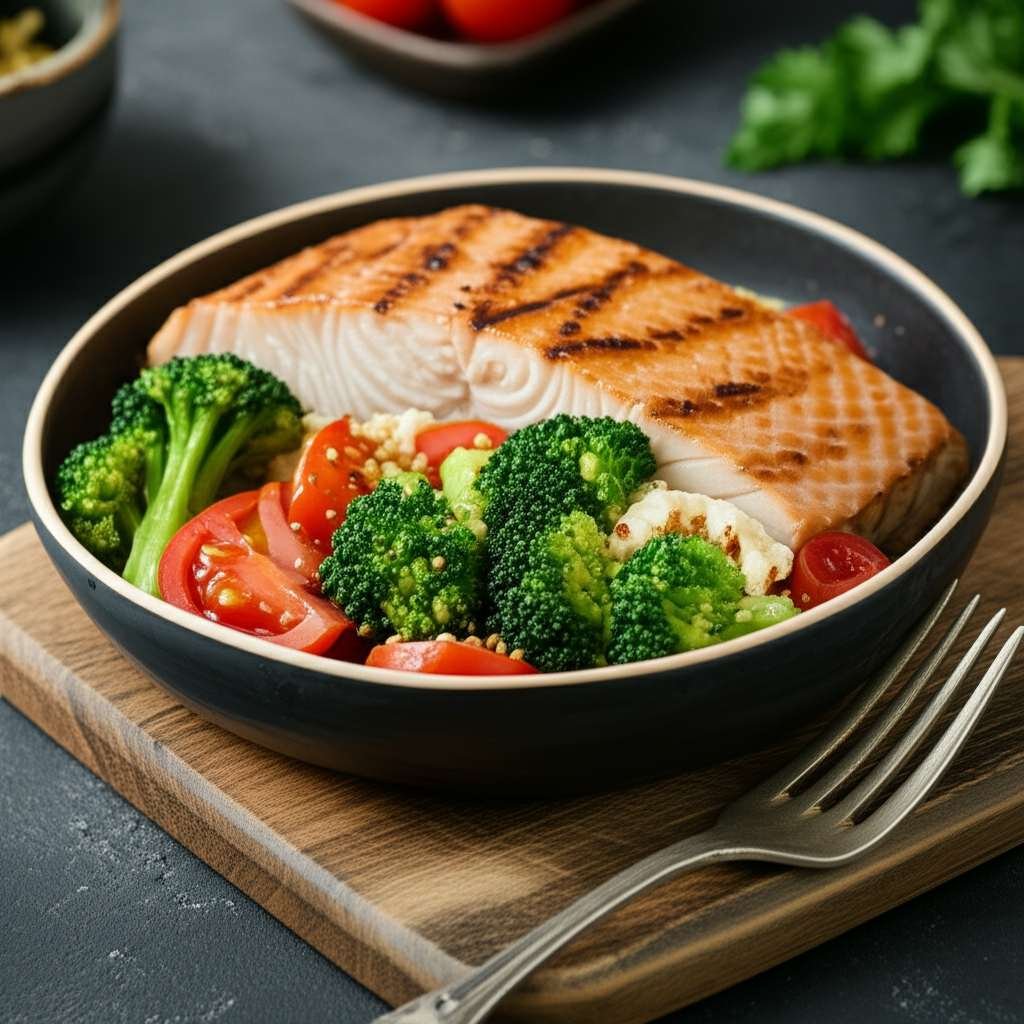
To lose weight, you must create a calorie deficit. This means consistently eating fewer calories than your body burns. Think of it like this: if your body needs 2500 calories to maintain its current weight, eating 2000 calories creates a deficit of 500 calories per day.
This deficit is what signals your body to start using stored fat for energy. A moderate deficit is usually best for sustainable weight loss. Trying to cut too many calories too quickly can be counterproductive and lead to muscle loss, fatigue, and nutrient deficiencies.
A safe and effective rate of weight loss is typically about 1-2 pounds per week. To lose one pound of fat, you need a deficit of approximately 3500 calories. Therefore, a daily deficit of 500-750 calories can lead to a loss of 1-1.5 pounds per week.
Estimating Your Maintenance Calories
Before you can create a deficit, you need to know roughly how many calories your body needs to maintain its current weight. This is your Total Daily Energy Expenditure (TDEE).
Your TDEE is influenced by several factors:
- Basal Metabolic Rate (BMR): The calories your body burns at rest just to keep vital functions going (like breathing, circulation, cell production).
- Thermic Effect of Food (TEF): The calories your body uses to digest, absorb, and process food.
- Physical Activity Level: The calories you burn through exercise and daily movement (non-exercise activity thermogenesis or NEAT).
Calculating your exact TDEE can be complex, but there are reliable formulas and online tools that provide a good estimate.
Basal Metabolic Rate (BMR) Calculation
The Harris-Benedict equation and the Mifflin-St Jeor equation are commonly used to estimate BMR. The Mifflin-St Jeor equation is generally considered more accurate.
For men, the Mifflin-St Jeor equation is:
BMR = (10 × weight in kg) + (6.25 × height in cm) – (5 × age in years) + 5
Let’s break this down:
- Weight in kg: To convert pounds to kilograms, divide your weight in pounds by 2.205.
- Height in cm: To convert inches to centimeters, multiply your height in inches by 2.54.
For example, if a man is 35 years old, weighs 200 lbs (90.7 kg), and is 5’10” (178 cm) tall:
BMR = (10 × 90.7) + (6.25 × 178) – (5 × 35) + 5
BMR = 907 + 1112.5 – 175 + 5
BMR = 1849.5 calories
Estimating Your Total Daily Energy Expenditure (TDEE)
Once you have your BMR, you multiply it by an activity factor to estimate your TDEE. Here are common activity factors:
| Activity Level | Description | Activity Factor |
|---|---|---|
| Sedentary | Little to no exercise, desk job | 1.2 |
| Lightly Active | Light exercise/sports 1-3 days/week | 1.375 |
| Moderately Active | Moderate exercise/sports 3-5 days/week | 1.55 |
| Very Active | Hard exercise/sports 6-7 days/week | 1.725 |
| Extra Active | Very hard exercise/sports, physical job, training twice a day | 1.9 |
Using our example man (BMR of 1849.5 calories) who is moderately active:
TDEE = BMR × Activity Factor
TDEE = 1849.5 × 1.55
TDEE ≈ 2867 calories
This means our example man needs approximately 2867 calories per day to maintain his current weight.
Note: These are estimates. Your metabolism can vary, and factors like genetics, hormones, and even sleep can influence your calorie needs. Online TDEE calculators can quickly provide these estimates for you. For a more precise understanding, consider consulting with a registered dietitian or certified nutritionist.
Calculating Your Target Calorie Intake for Weight Loss
Now that you have an estimate of your TDEE, you can determine your target calorie intake for weight loss. The goal is to create a sustainable calorie deficit.
General Recommendation: For men, a deficit of 500-750 calories per day is a good starting point for losing 1-1.5 pounds per week.
Using our example man with a TDEE of 2867 calories:
- To lose 1 lb/week (500 calorie deficit): 2867 – 500 = 2367 calories per day
- To lose 1.5 lbs/week (750 calorie deficit): 2867 – 750 = 2117 calories per day
So, for our example man, a target intake of around 2100-2350 calories per day would be appropriate for weight loss.
Important Considerations for Calorie Targets:
- Don’t go too low: It’s generally not recommended for men to drop below 1500 calories per day without medical supervision. Very low-calorie diets can lead to muscle loss, nutrient deficiencies, and a slowed metabolism.
- Listen to your body: If you feel excessively tired, hungry, or weak, your calorie target might be too low, or you might need to adjust your food choices.
- Adjust as needed: As you lose weight, your TDEE will decrease. You may need to recalculate your calories and adjust your intake periodically to continue losing weight.
The U.S. Department of Agriculture (USDA) provides dietary guidelines that can offer broader context on healthy eating patterns, which are crucial alongside calorie management.
What Does a 1500-2000 Calorie Diet Look Like for Men?
Let’s visualize what a day of eating might look like within the typical calorie ranges for men aiming for weight loss (1500-2000 calories). The key is to focus on nutrient density – foods that provide a lot of vitamins, minerals, and fiber for their calorie count.
Sample 1800 Calorie Day (Moderately Active Man)
This sample day prioritizes protein, fiber, and healthy fats to promote satiety and provide essential nutrients.
Breakfast (Approx. 450 calories):
- 1 cup (about 8 oz) Greek yogurt (non-fat, plain)
- 1/2 cup berries
- 1/4 cup granola
- 1 tablespoon chopped nuts (e.g., almonds)
Lunch (Approx. 550 calories):
- Large salad with mixed greens
- 4 oz grilled chicken breast or lean fish
- 1/2 cup cooked quinoa
- Assorted non-starchy vegetables (cucumber, tomatoes, bell peppers)
- 2 tablespoons light vinaigrette dressing
- 1/2 avocado
Snack (Approx. 200 calories):
- 1 medium apple
- 2 tablespoons peanut butter
Dinner (Approx. 600 calories):
- 5 oz baked salmon
- 1 cup roasted broccoli and asparagus
- 1/2 cup sweet potato (baked or mashed)
- Drizzle of olive oil and herbs
Sample 2000 Calorie Day (More Active Man or Slightly Higher Needs)
This plan includes slightly larger portions or an extra small meal/snack to reach the 2000 calorie mark.
Breakfast (Approx. 500 calories):
- 3 scrambled eggs
- 2 slices whole-wheat toast
- 1/4 avocado
- 1 cup spinach sautéed with eggs
Lunch (Approx. 600 calories):
- Turkey and vegetable wrap: 4 oz lean turkey breast, whole-wheat tortilla, lettuce, tomato, onion, mustard, and a thin layer of hummus.
- 1 cup lentil soup
- 1 small orange
Snack (Approx. 250 calories):
- 1 cup cottage cheese (low-fat)
- 1/2 cup pineapple chunks
- Small handful of walnuts
Dinner (Approx. 650 calories):
- 6 oz lean sirloin steak or chicken breast
- 1.5 cups steamed green beans with lemon
- 1 cup brown rice
- Small side salad with light dressing
These are just examples. The best diet for you will depend on your preferences, dietary restrictions, and how your body responds. Focusing on whole, unprocessed foods will make it easier to feel full and satisfied on fewer calories.
The Role of Macronutrients
While calories are king for weight loss, the macronutrient breakdown (protein, carbohydrates, and fats) plays a vital role in satiety, muscle preservation, and overall health. For men aiming to lose weight, a focus on adequate protein is particularly important.
Protein
Protein is crucial for building and repairing tissues, including muscle. When you’re in a calorie deficit, sufficient protein intake helps preserve lean muscle mass, which is important for metabolism. It also helps you feel fuller for longer.
- Recommended intake: Aim for 0.7 to 1 gram of protein per pound of body weight (or 1.5 to 2.2 grams per kilogram).
- Sources: Lean meats, poultry, fish, eggs, dairy, legumes, tofu, protein powder.
Carbohydrates
Carbohydrates provide energy. Opt for complex carbohydrates that are rich in fiber, as they release energy slowly and help manage blood sugar levels. These are generally found in whole grains, fruits, vegetables, and legumes.
- Recommended intake: Varies greatly depending on activity level, but typically makes up 40-50% of daily calories.
- Sources: Whole grains (oats, brown rice, quinoa), fruits, vegetables, legumes.
Fats
Healthy fats are essential for hormone production and nutrient absorption. Focus on unsaturated fats and limit saturated and trans fats.
- Recommended intake: Typically makes up 20-30% of daily calories.
- Sources: Avocados, nuts, seeds, olive oil, fatty fish.
Balancing these macronutrients can help you feel more satisfied and energetic during your weight loss journey. For example, a meal with lean protein, complex carbs, and healthy fats will likely keep you full longer than a meal high in refined carbohydrates.
Beyond Calories: Lifestyle Factors for Sustainable Weight Loss
While calorie counting is a powerful tool, sustainable weight loss involves more than just numbers on a scale or a food tracker. Lifestyle habits play a huge role in long-term success.
1. Prioritize Sleep
Lack of sleep can disrupt hormones that regulate appetite (ghrelin and leptin), making you feel hungrier and more prone to cravings. Aim for 7-9 hours of quality sleep per night. Poor sleep can also impact your energy levels for exercise.
2. Manage Stress
Chronic stress can lead to increased cortisol levels, which can promote fat storage, especially around the abdomen. Finding healthy ways to manage stress, such as meditation, deep breathing exercises, or hobbies, is beneficial.
3. Stay Hydrated
Drinking enough water is crucial. Sometimes, thirst can be mistaken for hunger. Water also supports metabolism and can help you feel fuller.
- Recommendation: Aim for at least 8 glasses (64 ounces) of water per day, and more if you are active or in a hot climate.
4. Incorporate Physical Activity
Exercise is vital for burning calories, building muscle mass (which boosts metabolism), and improving overall health. A combination of cardiovascular exercise (like running, swimming, cycling) and strength training is ideal.
- Cardio: Aim for at least 150 minutes of moderate-intensity or 75 minutes of vigorous-intensity aerobic activity per week.
- Strength Training: Engage in muscle-strengthening activities at least two days per week. The Centers for Disease Control and Prevention (CDC) offers excellent resources on physical activity guidelines.
5. Mindful Eating
Pay attention to your hunger and fullness cues. Eat slowly, savor your food, and avoid distractions like screens. This can help you recognize when you’re satisfied, preventing overeating.
6. Consistency Over Perfection
Weight loss is a journey, not a race. There will be days when you go over your calorie target or miss a workout. Don’t let it derail you. Acknowledge it, learn from it, and get back on track with your next meal or workout.
When to Seek Professional Help
While this guide provides essential information, there are times when consulting a professional is highly recommended:
- Underlying Health Conditions: If you have conditions like diabetes, heart disease, thyroid issues, or a history of eating disorders, consult your doctor before starting any weight loss program.
- Struggling to Lose Weight: If you’ve been consistent with calorie tracking and exercise for several weeks without seeing results, a registered dietitian or certified nutritionist can help identify potential roadblocks.
- Complex Nutritional Needs: For specialized diets, allergies, or intolerances, a professional can create a safe and effective plan.
- Need for Accountability and Support: A coach or therapist can provide motivation, accountability, and strategies for overcoming psychological barriers to weight loss.
Working with professionals ensures you’re pursuing weight loss safely and effectively, tailored to your unique needs and health status.
Frequently Asked Questions (FAQs)
Q1: How many calories should a man eat to lose 1 pound per week?
To lose 1 pound per week, you need a deficit of about 500 calories per day. So, subtract 500 calories from your estimated daily maintenance calories (TDEE). For example, if your TDEE is 2500 calories, aim for around 2000 calories per day.
Q2: Is 1200 calories enough for a man to lose weight?
For most adult men, 1200 calories is considered a very low-calorie diet and is generally not recommended for sustainable weight loss without medical supervision. It can lead to muscle loss, nutrient deficiencies, and metabolic slowdown. It’s best to aim for a deficit from your TDEE that results in an intake of at least 1500 calories.
Q3: How much protein do men need for weight loss?
Men aiming for weight loss should prioritize protein to help preserve muscle mass and promote satiety. A good target is between 0.7 to 1 gram of protein per pound of body weight (or 1.5 to 2.2 grams per kilogram). For example, a 200 lb man might aim for 140-200 grams of protein daily.
Q4: Does exercise change how many calories I need for weight loss?
Yes, exercise increases your TDEE, meaning you burn more calories. If you increase your exercise, you can either eat a bit more while maintaining your deficit, or you can maintain your calorie intake and achieve a larger deficit for faster (but still safe) weight loss. It also helps preserve muscle mass.
Q5: How long will it take for me to reach my goal weight?
The time it takes depends on your starting weight, your target weight, and the size of your calorie deficit. A safe and sustainable rate of weight loss is 1-2 pounds per week. So, if you need to lose 20 pounds, it could take anywhere from 10 to 20 weeks. Consistency is key.
Q6: Do I need to track calories perfectly?
While precise tracking is helpful for understanding your intake, perfection isn’t necessary. Aim for accuracy, but don’t let minor inaccuracies cause stress. Focus on making healthy choices most of the time. Over time, you’ll develop a better intuitive sense of portion sizes and calorie content.
Conclusion
Understanding how many calories men need for weight loss is a fundamental step toward achieving your health goals. It’s about finding a sustainable calorie deficit that aligns with your body’s needs and your lifestyle.
By estimating your maintenance calories, creating a moderate deficit, and focusing on nutrient-dense foods, you’re setting yourself up for success. Remember that protein intake, hydration, sleep, and stress management are just as important as the calorie count itself.
Weight loss is a personal journey. Be patient with yourself, celebrate your progress, and don’t be afraid to adjust your approach as you learn what works best for your body. With knowledge, consistency, and a supportive mindset, you can achieve lasting results and build a healthier future.
As an Amazon Associate, We earn from qualifying purchases. When you purchase a product through Amazon links on pulsefitguide.com, we may earn a small commission at no extra cost to you. This helps support the site and keep our content free.
