


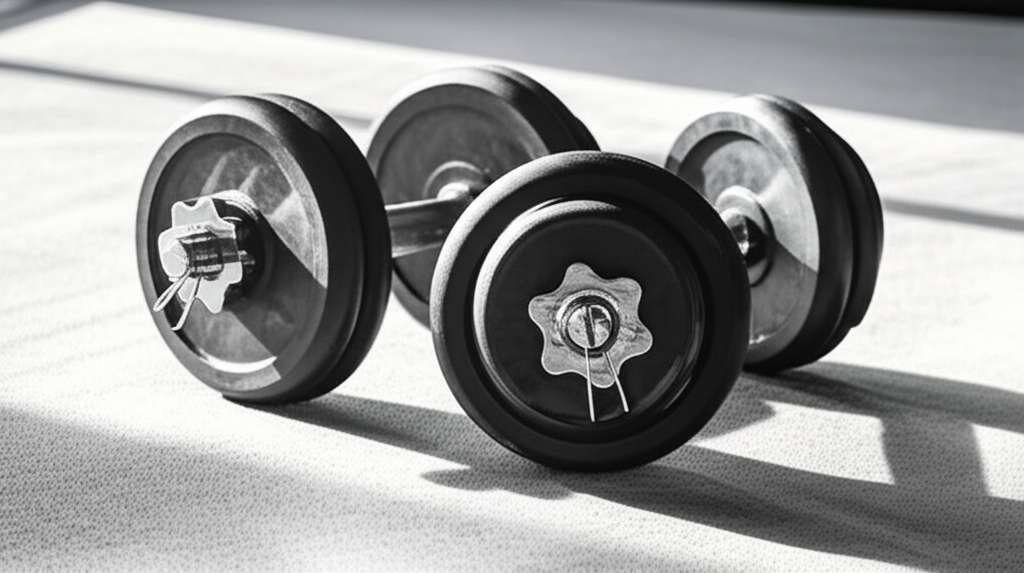
Lifting weights for weight loss in men is incredibly effective because it builds muscle, which boosts metabolism and burns more calories 24/7, even at rest. This guide provides a simple, science-backed plan to get started safely and see results.
Feeling stuck with weight loss? You’re not alone. Many men find it confusing to know where to start, especially when it comes to exercise.
You’ve probably heard that lifting weights is good for you, but maybe you’re not sure how it specifically helps with shedding pounds or if it’s too complicated for you right now.
Don’t worry! This guide breaks down exactly how lifting weights can help you reach your weight loss goals. We’ll go through it step-by-step, making it easy to understand and put into practice.
Let’s dive into how building muscle can transform your body and boost your metabolism, paving the way for sustainable weight loss.
Why Lifting Weights is a Game-Changer for Men’s Weight Loss
When you think about losing weight, cardio like running or cycling often comes to mind first. While cardio is great for burning calories during your workout, lifting weights offers a unique advantage for long-term weight loss: building muscle.
Muscle tissue is metabolically active, meaning it burns calories even when you’re not exercising. The more muscle you have, the higher your resting metabolic rate (RMR) will be. This means your body will burn more calories throughout the day, every day, helping you create a calorie deficit needed for weight loss.
Think of it like upgrading your body’s engine. A more powerful engine (more muscle) burns more fuel (calories) even when it’s just idling (at rest).
Furthermore, strength training can improve your body composition. This means you’ll lose fat while gaining muscle, leading to a leaner, more toned physique. This often feels more rewarding than just seeing a number drop on the scale.
According to the National Institute of Diabetes and Digestive and Kidney Diseases (NIDDK), a combination of diet and exercise, including strength training, is a cornerstone of effective weight management.
Understanding the Basics: Calories In vs. Calories Out

Weight loss boils down to a simple principle: you need to burn more calories than you consume. This is known as a calorie deficit.
For example, if you consume 2,500 calories in a day and burn 3,000 calories, you create a deficit of 500 calories. Over time, this deficit leads to weight loss.
Diet plays a huge role in managing the “calories in” side of the equation. However, lifting weights directly impacts the “calories out” side by increasing your metabolic rate. This makes it easier to maintain that calorie deficit without feeling overly restricted in your eating.
You can track your calorie intake using various apps and tools. Similarly, you can estimate your calorie expenditure through wearable devices or online calculators. The key is consistency in both aspects.
How Lifting Weights Boosts Your Metabolism
Your metabolism is the process your body uses to convert food and drinks into energy. It’s influenced by several factors, including your age, genetics, and muscle mass.
When you lift weights, you create tiny tears in your muscle fibers. Your body then works to repair these tears, a process that requires energy and calories. This repair process, known as muscle protein synthesis, can keep your metabolism elevated for up to 24-48 hours after your workout.
The more muscle mass you have, the more calories your body burns at rest. This is often referred to as your basal metabolic rate (BMR) or resting metabolic rate (RMR).
Studies have shown that individuals with higher muscle mass have significantly higher metabolic rates compared to those with lower muscle mass. This means that while you’re sleeping, working, or just relaxing, your body is working harder to burn calories.
The Role of Muscle Mass
Muscle is denser than fat, meaning it takes up less space. So, even if the number on the scale doesn’t change drastically at first, you might notice your clothes fitting better because you’re losing inches and gaining muscle definition.
A higher muscle mass also contributes to better insulin sensitivity, which helps your body manage blood sugar more effectively. This is important for overall health and can prevent conditions like type 2 diabetes.
Getting Started: A Beginner’s Guide to Lifting Weights for Weight Loss
Starting a new fitness routine can feel overwhelming, but it doesn’t have to be. The key is to begin with the basics, focus on proper form, and gradually increase the intensity and weight.
For men looking to lose weight, the goal is to build lean muscle while burning calories. This can be achieved through a combination of compound exercises, which work multiple muscle groups at once, and some isolation exercises.
1. Assess Your Current Fitness Level
Before you pick up any weights, take a moment to understand where you’re starting. Are you completely new to exercise, or do you have some experience? This will help determine the starting weight and intensity.
If you’re completely new, it’s wise to focus on learning the correct form with lighter weights or even just your body weight. This prevents injuries and builds a solid foundation.
2. Choose Your Exercises Wisely
For beginners, focusing on compound movements is highly recommended. These exercises engage multiple muscle groups, leading to a greater calorie burn and more efficient muscle building.
Here are some excellent beginner-friendly compound exercises:
- Squats: Works your quads, hamstrings, glutes, and core.
- Deadlifts: Engages your hamstrings, glutes, back, and core. (Start with light weight and focus on form!)
- Bench Press: Targets your chest, shoulders, and triceps.
- Overhead Press: Works your shoulders, triceps, and upper chest.
- Rows (e.g., Barbell Row, Dumbbell Row): Focuses on your back muscles, biceps, and forearms.
- Lunges: Excellent for legs and glutes, also improves balance.
You can also incorporate some isolation exercises that target specific muscles, like bicep curls or triceps extensions, but prioritize the compound movements first.
3. Select the Right Equipment
You don’t need a fancy gym to start. You can begin with:
- Dumbbells: Versatile for many exercises. Adjustable dumbbells are a great space-saving option.
- Barbells and Weight Plates: Essential for heavier compound lifts like squats and deadlifts.
- Resistance Bands: An affordable and portable option for warm-ups and light training.
- Kettlebells: Great for dynamic movements and full-body workouts.
- Bodyweight: Push-ups, squats, and lunges require no equipment.
If you’re joining a gym, you’ll have access to a wider variety of machines and free weights.
4. Focus on Proper Form
This is arguably the most critical step. Incorrect form can lead to injuries and reduced effectiveness. It’s better to lift lighter weight with perfect form than heavy weight with bad form.
Watch tutorial videos, consider hiring a trainer for a few sessions, or ask experienced gym-goers for guidance. Focus on controlled movements and feeling the target muscles work.
5. Structure Your Workouts
A good starting point for beginners is to work out 2-3 times per week, with at least one rest day between sessions. This allows your muscles to recover and grow.
A full-body workout routine is often ideal for beginners, as it hits all major muscle groups multiple times a week.
Here’s a sample full-body workout structure:
| Exercise | Sets | Reps | Rest Between Sets |
|---|---|---|---|
| Squats (bodyweight or light dumbbells) | 3 | 10-12 | 60-90 seconds |
| Push-ups (on knees or toes) | 3 | As many as possible (AMRAP) with good form | 60-90 seconds |
| Dumbbell Rows | 3 per arm | 10-12 | 60-90 seconds |
| Overhead Press (light dumbbells) | 3 | 10-12 | 60-90 seconds |
| Plank | 3 | Hold for 30-60 seconds | 60 seconds |
| Lunges (bodyweight or light dumbbells) | 3 per leg | 10-12 | 60-90 seconds |
As you get stronger, you can gradually increase the weight, the number of reps, or the number of sets.
6. Progressive Overload: The Key to Continuous Progress
To keep seeing results, you need to challenge your muscles over time. This is called progressive overload. Your body adapts to the stress placed upon it, so you need to increase that stress to keep improving.
Ways to achieve progressive overload include:
- Increasing the weight: The most common method.
- Increasing the reps: Doing more repetitions with the same weight.
- Increasing the sets: Doing more sets of an exercise.
- Decreasing rest time: Performing more work in less time.
- Improving form: Making the movement more challenging by perfecting technique.
- Increasing frequency: Training a muscle group more often.
Aim to make small, consistent increases over weeks and months. For example, if you can comfortably do 12 reps of an exercise, try increasing the weight slightly next time and aim for 8-10 reps.
7. Nutrition is Crucial
Lifting weights is only half the battle. Your diet needs to support your goals. To lose weight, you need to be in a calorie deficit. To build muscle, you need adequate protein.
Protein: Essential for muscle repair and growth. Aim for about 0.7-1 gram of protein per pound of body weight. Good sources include lean meats, poultry, fish, eggs, dairy, legumes, and protein powder.
Carbohydrates: Provide energy for your workouts. Focus on complex carbs like whole grains, fruits, and vegetables.
Healthy Fats: Important for hormone production and overall health. Include avocados, nuts, seeds, and olive oil.
Hydration is also key. Drink plenty of water throughout the day, especially before, during, and after your workouts.
For a deeper dive into nutrition, consider resources like the USDA’s Guidelines for Healthy Eating, which offer a solid foundation for balanced nutrition.
Sample Weekly Workout Schedule for Beginners
Here’s a sample schedule that balances strength training with rest and other activities. Remember to listen to your body and adjust as needed.
| Day | Activity | Notes |
|---|---|---|
| Monday | Full Body Strength Training | Focus on compound exercises. Aim for 3 sets of 10-12 reps. |
| Tuesday | Active Recovery / Light Cardio | Walking, light cycling, or stretching. Helps with muscle soreness and recovery. |
| Wednesday | Rest | Allow your body to repair and rebuild. |
| Thursday | Full Body Strength Training | Slightly increase weight or reps from Monday if possible. |
| Friday | Cardio / Activity of Choice | Moderate intensity cardio for 30-45 minutes (e.g., brisk walking, jogging, swimming). |
| Saturday | Active Recovery / Light Activity | Hiking, playing a sport, or a long walk. |
| Sunday | Rest | Complete rest day. |
As you progress, you can consider splitting your workouts into upper body and lower body days or training muscle groups more frequently.
Common Mistakes to Avoid
Even with the best intentions, beginners can fall into common traps that hinder progress. Being aware of these can save you time and prevent frustration.
- Skipping Warm-ups and Cool-downs: Always start with a 5-10 minute dynamic warm-up to prepare your muscles and finish with a 5-10 minute static stretch to improve flexibility and aid recovery.
- Lifting Too Much Too Soon: This is a recipe for injury. Start light and focus on mastering the movement.
- Ignoring Nutrition: You can’t out-train a bad diet. Weight loss requires a calorie deficit, supported by nutrient-dense foods.
- Not Getting Enough Rest: Muscles grow and repair during rest. Overtraining can lead to burnout and injury.
- Inconsistency: Showing up sporadically won’t yield consistent results. Aim for a regular schedule.
- Comparing Yourself to Others: Everyone’s journey is different. Focus on your own progress and celebrate your wins.
- Neglecting Compound Lifts: While isolation exercises have their place, compound movements are more efficient for calorie burning and muscle building.
Benefits Beyond Weight Loss
While weight loss is a primary goal, lifting weights offers a wealth of other benefits for men:
- Increased Strength and Power: Makes everyday tasks easier and improves athletic performance.
- Improved Bone Density: Reduces the risk of osteoporosis, especially as you age.
- Enhanced Mood and Reduced Stress: Exercise releases endorphins, which have mood-boosting effects.
- Better Sleep Quality: Regular physical activity can lead to more restful sleep.
- Reduced Risk of Chronic Diseases: Including heart disease, diabetes, and some cancers.
- Increased Confidence and Self-Esteem: Achieving fitness goals can significantly boost your mental well-being.
- Improved Posture: Strengthening core and back muscles can help you stand taller and reduce back pain.
The Harvard Health Publishing highlights strength training as a vital component of overall health, emphasizing its role in maintaining independence and vitality throughout life.
FAQ: Lifting Weights for Weight Loss Men
Frequently Asked Questions
Q1: How many times a week should I lift weights for weight loss?
For beginners aiming for weight loss, lifting weights 2-3 times per week is a great starting point. This allows your muscles enough time to recover and rebuild between sessions. As you get fitter, you can gradually increase the frequency if needed.
Q2: How much weight should I lift?
You should lift a weight that challenges you to complete your target number of reps (e.g., 10-12) with good form, but the last 1-2 reps should feel difficult. If you can easily do more reps than planned, the weight is too light. If you can’t complete the minimum reps with good form, it’s too heavy.
Q3: What if I don’t have access to a gym?
You can still achieve great results with bodyweight exercises (squats, push-ups, lunges, planks) and affordable equipment like resistance bands or a set of dumbbells. Many effective workouts can be done at home.
Q4: Will lifting weights make me bulky?
For most men, especially beginners, it’s very difficult to get “bulky” from weightlifting alone. Building significant muscle mass requires intense training, a very specific high-calorie diet rich in protein, and often, a genetic predisposition. For weight loss, lifting weights helps you build lean muscle, which actually helps you look leaner and more toned by burning more calories.
Q5: How long does it take to see results from lifting weights for weight loss?
You’ll likely start feeling stronger and notice small improvements in energy levels within a few weeks. Visible changes in body composition, like increased muscle definition and fat loss, typically become more noticeable after 4-8 weeks of consistent training and a healthy diet. Remember, sustainable weight loss is a marathon, not a sprint.
Q6: Should I do cardio or weights first?
For weight loss, the order can vary. Some prefer to lift weights first to deplete glycogen stores, making the body more likely to burn fat during subsequent cardio. Others prefer cardio first to warm up. The most important thing is to do both! If your primary goal is muscle building alongside weight loss, lifting weights first is often recommended to ensure you have enough energy for your strength training.
Conclusion
Lifting weights for weight loss is a powerful strategy for men looking to build muscle, boost their metabolism, and achieve a leaner physique. It’s not just about burning calories during your workout; it’s about transforming your body into a more efficient calorie-burning machine around the clock.
By focusing on proper form, choosing the right exercises, ensuring adequate nutrition, and being consistent, you can unlock the incredible benefits of strength training. Remember to start slowly, listen to your body, and celebrate your progress along the way.
This journey is about building sustainable healthy habits that will serve you well for years to come. You’ve got this!
As an Amazon Associate, We earn from qualifying purchases. When you purchase a product through Amazon links on pulsefitguide.com, we may earn a small commission at no extra cost to you. This helps support the site and keep our content free.
