



Weight loss for men in their 30s is achievable by focusing on sustainable diet and exercise habits. This guide breaks down science-backed strategies into simple steps, making it easy to understand and implement for lasting results. Get ready to build a healthier you!
Hitting your 30s can feel like a turning point. You might notice changes in your energy levels, metabolism, and how your body stores fat. It’s totally normal to feel a bit confused or frustrated when the weight doesn’t seem to budge like it used to.
But don’t worry! Losing weight in your 30s is absolutely possible, and it doesn’t have to be a complicated struggle. Think of me as your coach, here to simplify everything.
We’ll walk through practical, proven strategies together, step-by-step. You’ll learn exactly what to do, why it works, and how to make it fit into your busy life. Ready to feel your best? Let’s dive in!
Why Weight Loss Can Feel Trickier in Your 30s
As men enter their 30s, a few natural biological shifts can make weight management a bit more challenging than in their younger years. Understanding these changes is the first step to overcoming them.
One of the main culprits is a gradual decline in testosterone levels. While this is a natural process, lower testosterone can affect muscle mass and metabolism. Muscle tissue burns more calories at rest than fat tissue, so a decrease in muscle can slow down your metabolism.
Your metabolism itself tends to slow down slightly as you age. This means your body requires fewer calories to perform its basic functions. If your eating habits remain the same as when you were younger, you might start gaining weight because you’re consuming more calories than you’re burning.
Lifestyle factors also play a huge role. The 30s are often a busy decade filled with career advancements, family responsibilities, and social commitments. This can lead to increased stress, less time for exercise, and a greater reliance on convenient, often less healthy, food options.
Stress is another significant factor. Chronic stress can lead to elevated cortisol levels, a hormone that can promote fat storage, particularly around the abdomen. It can also trigger cravings for high-calorie, comfort foods.
Finally, sleep patterns can change. Many men in their 30s experience disruptions in sleep due to work, family, or stress. Poor sleep quality can negatively impact hormones that regulate appetite, making you feel hungrier and less satisfied after eating.
The Foundation: Understanding Calorie Balance
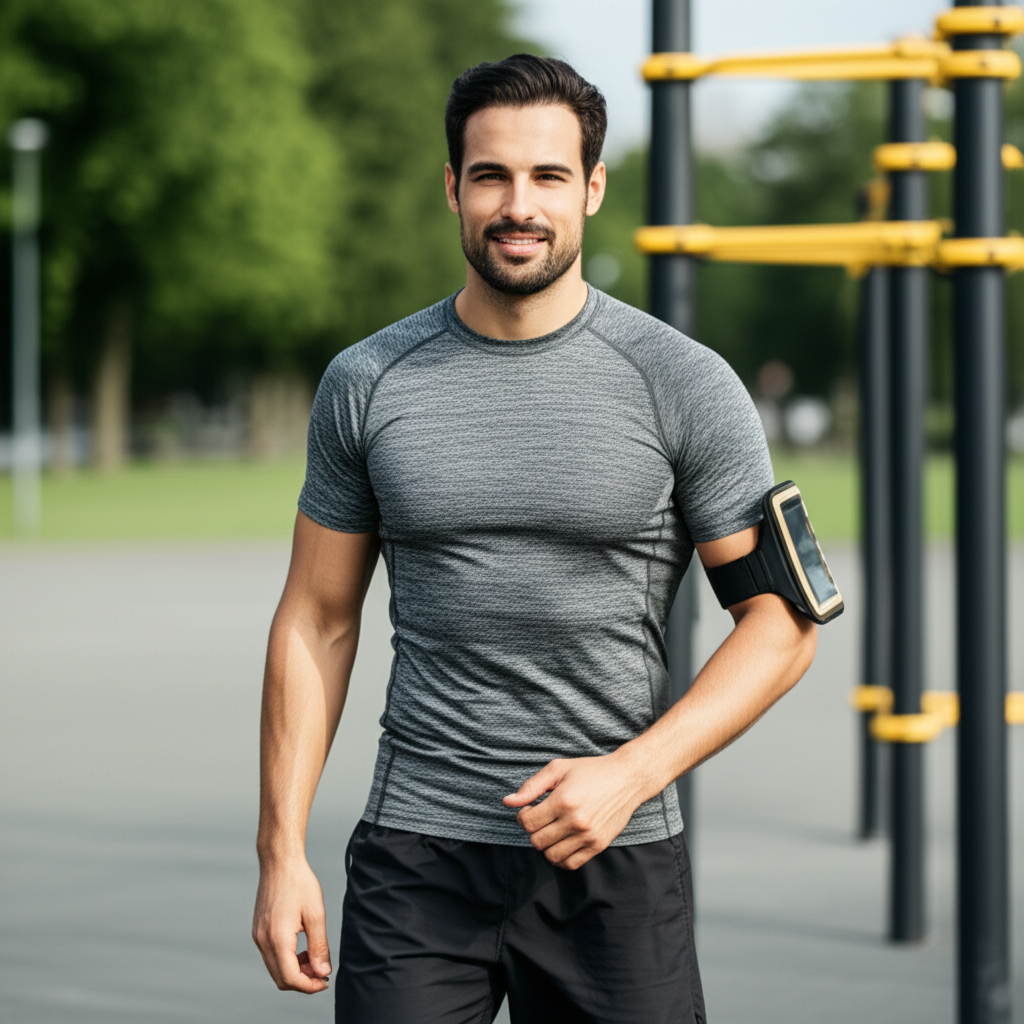
At its core, weight loss is about creating a calorie deficit. This means consuming fewer calories than your body uses. It sounds simple, but understanding how it works is key.
Your body needs a certain number of calories each day to function – this is your Total Daily Energy Expenditure (TDEE). This includes calories burned through basic bodily functions (Basal Metabolic Rate or BMR), physical activity, and digesting food. If you eat more calories than your TDEE, you gain weight. If you eat fewer, you lose weight.
Creating a deficit of about 500 calories per day typically leads to a loss of roughly one pound per week. This is a sustainable and healthy rate of weight loss. Trying to create a much larger deficit can be difficult to maintain and might lead to muscle loss or nutrient deficiencies.
You can create this calorie deficit in two main ways: by reducing your calorie intake (eating less) or by increasing your calorie expenditure (moving more), or ideally, a combination of both. For men in their 30s, finding the right balance is crucial for long-term success.
To get a rough idea of your TDEE, you can use online calculators. These tools consider your age, sex, weight, height, and activity level. Remember, these are estimates, and you may need to adjust based on your personal results. You can find reliable calculators on sites like the Calculator.net.
Step-by-Step Guide to Weight Loss for Men in Their 30s
Let’s break down exactly what you can do, one manageable step at a time.
Step 1: Set Realistic Goals
Before you start, it’s important to set goals that are achievable and motivating. Instead of a vague goal like “lose weight,” aim for something specific and measurable.
For instance, a good goal might be to “lose 10 pounds in 10 weeks” or “fit into my old jeans by summer.” Having clear targets helps you stay focused and track your progress. Remember, losing 1-2 pounds per week is a healthy and sustainable rate.
It’s also beneficial to set non-scale victories (NSVs). These are improvements that aren’t measured by the number on the scale, like having more energy, sleeping better, or feeling stronger during workouts. Celebrate these wins too!
Step 2: Focus on Nutrition – What to Eat
Diet is arguably the most critical component of weight loss. You can’t out-exercise a bad diet. The good news is that you don’t need to drastically cut out all your favorite foods. It’s about making smarter choices.
Prioritize Protein
Protein is a weight-loss superstar. It helps you feel full for longer, which can reduce overall calorie intake. It also plays a vital role in building and maintaining muscle mass, which is important for your metabolism.
Aim to include a source of lean protein in every meal. Good options include chicken breast, turkey, fish, lean beef, eggs, Greek yogurt, beans, and lentils. A general guideline is to aim for about 0.7 to 1 gram of protein per pound of body weight.
Load Up on Fiber-Rich Vegetables and Fruits
Vegetables and fruits are low in calories but packed with nutrients, vitamins, minerals, and, importantly, fiber. Fiber helps you feel satisfied and aids in digestion.
Fill at least half your plate with non-starchy vegetables like broccoli, spinach, kale, bell peppers, zucchini, and cauliflower. Fruits like berries, apples, and oranges are also great choices for snacks or dessert.
Choose Healthy Fats
Fats are essential for hormone production and nutrient absorption. Focus on unsaturated fats found in avocados, nuts, seeds, olive oil, and fatty fish like salmon.
These fats are more satiating than refined carbohydrates and can help manage hunger. Just be mindful of portion sizes, as fats are calorie-dense.
Select Whole Grains
Instead of refined grains like white bread and white pasta, opt for whole grains. These include brown rice, quinoa, oats, and whole wheat bread.
Whole grains provide more fiber and nutrients, helping you stay full longer and providing sustained energy. They are a great source of complex carbohydrates, which are your body’s primary energy source.
Stay Hydrated
Drinking enough water is crucial for many bodily functions, including metabolism and appetite control. Sometimes, thirst can be mistaken for hunger.
Aim to drink at least 8-10 glasses of water per day. Carrying a water bottle can help you keep track and stay reminded to drink throughout the day.
Step 3: Focus on Nutrition – What to Limit
Just as important as knowing what to eat is knowing what to limit. These are often the “hidden” calories that can derail your progress.
Sugary Drinks
Soda, fruit juices, energy drinks, and sweetened coffee beverages are major sources of empty calories. They don’t provide much nutritional value and can lead to rapid spikes and crashes in blood sugar.
Switching to water, unsweetened tea, or black coffee can save you hundreds of calories daily. If you need a touch of sweetness, try a small amount of fruit.
Processed Foods and Fast Food
Highly processed foods, like chips, cookies, pre-packaged meals, and fast food, are often high in unhealthy fats, sugar, and sodium, and low in nutrients and fiber.
These foods are designed to be hyper-palatable, making them easy to overeat. Whenever possible, choose whole, unprocessed foods.
Excessive Saturated and Trans Fats
While healthy fats are good, excessive amounts of saturated fats (found in red meat, butter, cheese) and trans fats (often in fried foods and baked goods) can be detrimental to health and contribute to weight gain.
Moderation is key. Opt for leaner cuts of meat and use healthier cooking methods.
Alcohol
Alcoholic beverages can be surprisingly high in calories and can also impair judgment, leading to poorer food choices.
If you drink, do so in moderation and be aware of the calorie content of your chosen drinks. Many alcoholic drinks can add significant calories without providing satiety.
Step 4: Incorporate Regular Exercise
Exercise is vital for burning calories, building muscle, improving cardiovascular health, and boosting your mood. A combination of strength training and cardiovascular exercise is ideal.
Strength Training
As mentioned, muscle burns more calories than fat. Strength training helps you build and maintain muscle mass, which boosts your metabolism even when you’re at rest. This is especially important in your 30s as muscle mass can naturally start to decline.
Aim for 2-3 strength training sessions per week. Focus on compound exercises that work multiple muscle groups at once, such as squats, deadlifts, bench presses, overhead presses, and rows. You can start with bodyweight exercises and gradually add resistance with weights.
For beginners, consider following a structured program. Resources like ACE Fitness offers guidelines for creating effective workout plans.
Cardiovascular Exercise (Cardio)
Cardio exercises are excellent for burning calories and improving heart health. Aim for at least 150 minutes of moderate-intensity aerobic activity or 75 minutes of vigorous-intensity aerobic activity per week.
Examples of cardio include brisk walking, running, cycling, swimming, rowing, or using an elliptical machine. Find activities you enjoy so you’re more likely to stick with them.
High-Intensity Interval Training (HIIT)
HIIT workouts involve short bursts of intense exercise followed by brief recovery periods. They are highly effective for burning calories in a shorter amount of time and can boost your metabolism for hours after your workout.
A typical HIIT session might involve 30 seconds of all-out effort followed by 30-60 seconds of rest or low-intensity movement, repeated for 15-20 minutes. Always warm up properly and cool down afterward.
Step 5: Prioritize Sleep and Stress Management
These often-overlooked factors significantly impact weight loss. Poor sleep and high stress can sabotage even the best diet and exercise plans.
Get Quality Sleep
Aim for 7-9 hours of quality sleep per night. Sleep is when your body repairs itself and regulates hormones. Lack of sleep can increase ghrelin (the hunger hormone) and decrease leptin (the satiety hormone), leading to increased appetite and cravings.
Establish a regular sleep schedule, create a relaxing bedtime routine, and ensure your bedroom is dark, quiet, and cool.
Manage Stress Effectively
Chronic stress leads to elevated cortisol levels, which can promote abdominal fat storage and increase cravings for unhealthy foods. Find healthy ways to cope with stress.
Techniques like deep breathing exercises, meditation, yoga, spending time in nature, or engaging in hobbies can be very effective. Even short breaks during the day can help.
Step 6: Track Your Progress and Stay Consistent
Consistency is king when it comes to weight loss. It’s about making sustainable lifestyle changes rather than following a temporary diet.
Monitor Your Intake (Initially)
Using a food diary or a tracking app for a week or two can be incredibly insightful. It helps you understand your current eating habits, identify areas where you can make improvements, and get a better sense of portion sizes and calorie counts.
Apps like MyFitnessPal or Lose It! can be helpful tools. The National Institute on Aging provides excellent resources on physical activity and weight management.
Regular Weigh-Ins and Measurements
Weigh yourself once a week, at the same time of day, preferably in the morning before eating or drinking. Don’t get discouraged by daily fluctuations, as these are normal.
Taking body measurements (waist, hips, chest) every few weeks can also be a great indicator of progress, especially if the scale isn’t moving but you’re losing inches.
Adjust as Needed
Weight loss isn’t always linear. There will be plateaus and times when progress slows. If you’re not seeing results after a few weeks of consistent effort, it might be time to re-evaluate your calorie intake or exercise routine.
Perhaps you need to slightly decrease your calorie intake or increase your activity level. Small, consistent adjustments are key.
Sample Meal Plan for a Day

This is a sample plan to give you an idea of what balanced, nutrient-dense meals can look like. Portion sizes should be adjusted based on your individual calorie needs.
| Meal | Breakfast | Lunch | Snack | Dinner |
|---|---|---|---|---|
| Option 1 | Oatmeal with berries and a scoop of protein powder | Grilled chicken salad with mixed greens, cucumber, tomatoes, and a light vinaigrette | A handful of almonds and an apple | Baked salmon with roasted broccoli and quinoa |
| Option 2 | Scrambled eggs (2-3) with spinach and whole-wheat toast | Lentil soup with a side of whole-grain bread | Greek yogurt with a few berries | Lean ground turkey stir-fry with mixed vegetables and brown rice |
Remember to drink plenty of water throughout the day with any meal plan.
Sample Weekly Workout Schedule
This is a sample schedule that balances strength training and cardio. Feel free to adjust it based on your preferences and fitness level.
| Day | Activity | Focus |
|---|---|---|
| Monday | Strength Training | Upper Body (e.g., Bench Press, Rows, Overhead Press, Bicep Curls, Triceps Extensions) |
| Tuesday | Cardio | Moderate Intensity (e.g., 30-45 minutes of brisk walking, cycling, or elliptical) |
| Wednesday | Rest or Active Recovery | Light stretching, yoga, or a leisurely walk |
| Thursday | Strength Training | Lower Body & Core (e.g., Squats, Deadlifts, Lunges, Planks, Crunches) |
| Friday | Cardio / HIIT | High-Intensity Interval Training (e.g., 20 minutes of sprints, burpees, jumping jacks) |
| Saturday | Active Recovery or Fun Activity | Hiking, swimming, playing a sport, or a long walk |
| Sunday | Rest | Focus on recovery and preparation for the week ahead |
Common Pitfalls to Avoid
Even with the best intentions, men in their 30s can fall into common traps that hinder weight loss. Being aware of these can help you steer clear of them.
- The “All-or-Nothing” Mindset: Believing that one slip-up means you’ve failed and giving up entirely. Remember, progress is more important than perfection. A single unhealthy meal doesn’t undo all your hard work.
- Over-Reliance on Supplements: While some supplements can be helpful, they are not magic pills. Focusing on whole foods and consistent habits is far more effective than relying solely on supplements.
- Ignoring Strength Training: Many men focus heavily on cardio, neglecting strength training. Building muscle is crucial for boosting metabolism and achieving a lean physique.
- Not Getting Enough Sleep: As mentioned, poor sleep sabotages weight loss efforts by affecting hormones that control appetite and metabolism.
- Unrealistic Expectations: Expecting to lose weight too quickly can lead to disappointment and burnout. Sustainable weight loss takes time and consistent effort.
- Skipping Meals: While it might seem like a way to cut calories, skipping meals can lead to extreme hunger later, often resulting in overeating and poor food choices.
- Not Hydrating Properly: Dehydration can be mistaken for hunger and can slow down your metabolism.
Frequently Asked Questions (FAQ)
Q1: How much weight should I aim to lose per week?
A healthy and sustainable rate of weight loss is typically 1-2 pounds per week. This rate is more likely to be maintained long-term and helps preserve muscle mass.
Q2: Is it possible to lose weight without giving up all my favorite foods?
Absolutely! The key is moderation and balance. You can incorporate your favorite foods in smaller portions or less frequently, while focusing on a nutritious diet the majority of the time. It’s about creating a sustainable lifestyle, not a restrictive diet.
Q3: How much protein do I really need for weight loss?
For men aiming for weight loss, a good target is around 0.7 to 1 gram of protein per pound of body weight. Protein helps you feel full, preserves muscle mass, and has a higher thermic effect, meaning your body burns more calories digesting it.
Q4: I’m busy with work and family. How can I fit exercise into my schedule?
Even short bursts of activity can make a difference. Try incorporating 20-30 minute workouts a few times a week, or break up your exercise into smaller sessions throughout the day. Prioritize compound strength exercises and efficient cardio like HIIT when time is limited.
Q5: Should I focus more on diet or exercise for weight loss?
Both are crucial, but diet typically has a larger impact on weight loss. You can’t out-exercise a consistently poor diet. However, exercise is vital for overall health, building muscle, boosting metabolism, and maintaining weight loss long-term.
Q6: What are some good, quick meal prep ideas for men in their 30s?
Prep large batches of staples like grilled chicken breast, hard-boiled eggs, cooked quinoa, and roasted vegetables on the weekend. You can then quickly assemble salads, wraps, or bowls during the week. Overnight oats or protein shakes are also fast breakfast options.
Q7: How important is sleep for weight loss?
Sleep is extremely important. Insufficient sleep can disrupt hormones that regulate appetite (ghrelin and leptin), leading to increased hunger and cravings, particularly for unhealthy foods. Aim for 7-9 hours of quality sleep per night.
Conclusion: Building Sustainable Habits for a Healthier You
Losing weight in your 30s is entirely achievable, and it’s about building smart, sustainable habits that fit into your life. By focusing on a balanced nutrition plan rich in protein, fiber, and healthy fats, and by incorporating regular strength training and cardio, you’re setting yourself up for success.
Remember to prioritize sleep and manage stress, as these are just as critical as diet and exercise. Don’t get discouraged by occasional setbacks; focus on consistency and celebrate your progress, both on and off the scale.
This journey is about more than just shedding pounds; it’s about improving your overall health, boosting your energy, and feeling more confident. Take it one step at a time, stay committed, and you’ll be well on your way to achieving your weight loss goals and enjoying a healthier, more vibrant life in your 30s and beyond.
As an Amazon Associate, We earn from qualifying purchases. When you purchase a product through Amazon links on pulsefitguide.com, we may earn a small commission at no extra cost to you. This helps support the site and keep our content free.
