


Weight loss for men is achievable by understanding calorie balance, making smart food choices, incorporating regular exercise, and building sustainable habits. This guide breaks down the science and provides practical steps for effective, long-term results.
Feeling a bit confused about why shedding those extra pounds as a man can feel like a puzzle? You’re definitely not alone. Many guys find that weight loss isn’t as straightforward as they expect.
It’s easy to get overwhelmed with conflicting advice. But the good news is, understanding the basics can make a huge difference. This guide is here to simplify everything for you.
We’ll walk through the essential “why” and the practical “how” of weight loss for men, making it easy to follow and even easier to start. Get ready to build a healthier you, step by step!
Why is Weight Loss Tricky for Men?
Let’s be honest, sometimes it feels like your body has a mind of its own when it comes to weight. For men, a few specific factors can play a role in how we store fat and how easily we can lose it.
Understanding these nuances can help you adjust your approach and see better results. It’s not about genetics being against you; it’s about working with your body’s natural tendencies.
Metabolism Differences
Men generally have a higher muscle mass than women. Muscle tissue burns more calories at rest than fat tissue. This means men often have a higher resting metabolic rate, which is the number of calories your body burns just to keep you alive.
However, this advantage can become a challenge if activity levels drop. A higher metabolism means you can eat more without gaining weight, but it also means you might need to be more mindful of calorie intake if you’re trying to lose weight.
Hormonal Influences
Testosterone plays a significant role in men’s health, including muscle mass and fat distribution. While higher testosterone levels can help build muscle, fluctuations or lower levels can sometimes make fat loss more challenging and contribute to fat storage, particularly around the abdomen.
The body’s natural hormonal balance is key. When it’s out of sync, it can affect energy levels and how your body uses food for fuel. This is why addressing overall health is crucial.
Lifestyle and Habits
Busy schedules, stress, and societal pressures can impact eating habits and activity levels. For many men, work, social life, and family commitments can make it hard to prioritize healthy eating and consistent exercise.
Grabbing quick, convenient food that might be high in calories and low in nutrients is a common trap. Recognizing these patterns is the first step to changing them.
The Core Principle: Calorie Balance
At its heart, weight loss boils down to a simple concept: calorie balance. This means the number of calories you consume versus the number of calories you burn.
Think of it like a bank account. If you deposit more than you withdraw, your balance goes up. If you withdraw more than you deposit, your balance goes down. Your body works similarly with calories.
Calories In vs. Calories Out
Calories In: These are the calories you get from food and drinks. Everything you consume has a calorie count, from a salad to a soda.
Calories Out: This is the total number of calories your body burns throughout the day. It includes calories burned through basic bodily functions (resting metabolism), digesting food, and physical activity (exercise and daily movement).
Creating a Calorie Deficit
To lose weight, you need to create a calorie deficit. This means consistently burning more calories than you consume. When your body doesn’t have enough incoming calories for energy, it starts to tap into stored body fat for fuel, leading to weight loss.
A deficit of about 500 calories per day can lead to a loss of roughly one pound per week. This is generally considered a healthy and sustainable rate of weight loss. Trying to create too large a deficit can be counterproductive and unhealthy.
You can achieve this deficit in two main ways:
- Reducing Calorie Intake: Eating fewer calories through smarter food choices.
- Increasing Calorie Expenditure: Burning more calories through physical activity.
The most effective approach usually involves a combination of both!
Practical Steps for Weight Loss for Men
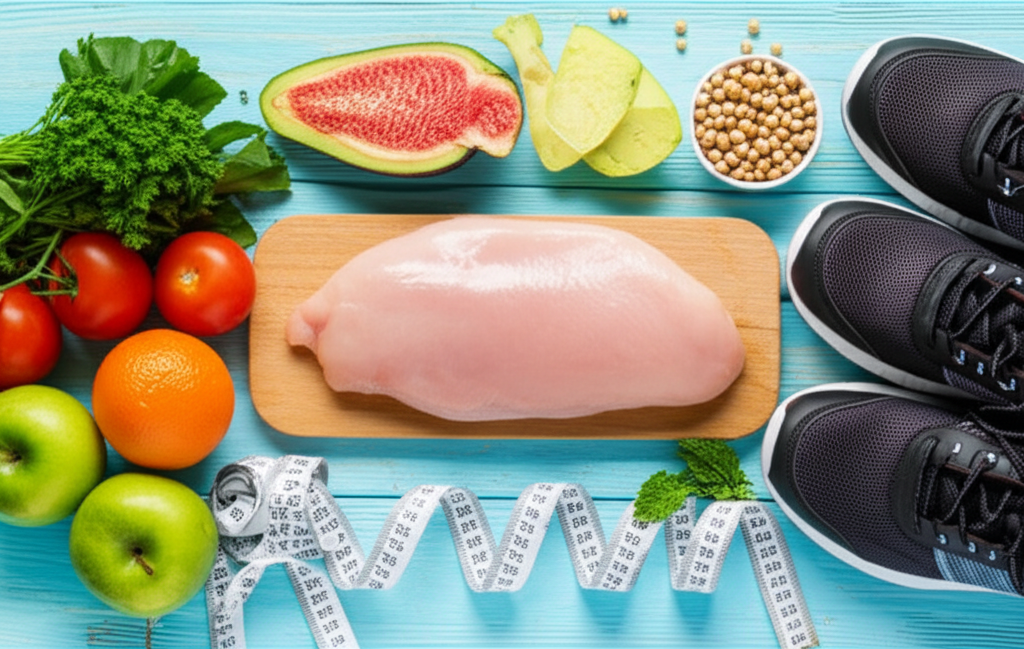
Now that we understand the “why,” let’s dive into the actionable “how.” These are straightforward, science-backed strategies you can start using today.
Remember, consistency is key. Small, sustainable changes add up to big results over time. Don’t aim for perfection; aim for progress.
1. Smart Nutrition Choices
What you eat is arguably the most significant factor in weight loss. Focusing on nutrient-dense foods will help you feel full and satisfied while keeping calorie intake in check.
The goal isn’t to starve yourself, but to nourish your body with what it needs to thrive and burn fat efficiently.
Focus on Whole Foods
- Lean Proteins: Chicken breast, turkey, fish, lean beef, eggs, beans, lentils, and tofu. Protein helps you feel full longer and supports muscle maintenance.
- Vegetables: Load up on non-starchy vegetables like broccoli, spinach, kale, peppers, and zucchini. They are low in calories and packed with vitamins, minerals, and fiber.
- Fruits: Berries, apples, oranges, bananas. They provide natural sweetness and essential nutrients.
- Healthy Fats: Avocados, nuts, seeds, olive oil. These are important for hormone production and satiety.
- Whole Grains: Oats, brown rice, quinoa, whole-wheat bread. They provide sustained energy and fiber.
Limit Processed Foods and Sugary Drinks
These are often high in calories, unhealthy fats, and added sugars, but low in nutrients. They contribute to weight gain without providing much nutritional benefit.
- Sugary Drinks: Sodas, sweetened juices, energy drinks. These liquid calories don’t fill you up and can lead to rapid weight gain.
- Processed Snacks: Chips, cookies, pastries, candy.
- Fast Food: Often high in sodium, unhealthy fats, and calories.
- Refined Grains: White bread, white rice, sugary cereals.
2. Hydration is Your Friend
Drinking enough water is crucial for many bodily functions, including metabolism and appetite control. Sometimes, thirst can be mistaken for hunger.
Aim to drink plenty of water throughout the day. Before meals, having a glass of water can help you feel fuller and eat less.
- Start your day with a glass of water.
- Carry a reusable water bottle with you.
- Replace sugary drinks with water.
3. Incorporate Regular Exercise
Exercise plays a dual role in weight loss: it burns calories directly and builds muscle mass, which boosts your metabolism long-term.
A combination of cardiovascular exercise and strength training is ideal for men looking to lose weight and improve body composition.
Cardiovascular Exercise (Cardio)
Cardio activities help burn calories and improve heart health. Aim for at least 150 minutes of moderate-intensity or 75 minutes of vigorous-intensity cardio per week.
- Examples: Brisk walking, jogging, running, cycling, swimming, dancing, hiking.
- Intensity: Moderate means you can talk but not sing. Vigorous means you can only say a few words without pausing for breath.
Strength Training
Building muscle is essential for men’s weight loss. More muscle means a higher resting metabolic rate, meaning you burn more calories even when you’re not exercising.
- Frequency: Aim for at least two full-body strength training sessions per week.
- Exercises: Focus on compound movements that work multiple muscle groups at once.
- Examples: Squats, deadlifts, bench presses, overhead presses, rows, pull-ups.
You don’t need a gym to start. Bodyweight exercises like push-ups, lunges, and planks are excellent for building strength.
4. Prioritize Sleep
Getting enough quality sleep is often overlooked but is vital for weight management. Lack of sleep can disrupt hormones that control appetite, leading to increased hunger and cravings for unhealthy foods.
Aim for 7-9 hours of quality sleep per night. Good sleep hygiene includes a consistent sleep schedule, a dark and quiet room, and avoiding screens before bed.
5. Manage Stress Levels
Chronic stress can lead to increased levels of cortisol, a hormone that can promote fat storage, especially around the abdomen. It can also trigger emotional eating.
Find healthy ways to manage stress:
- Meditation or mindfulness
- Deep breathing exercises
- Spending time in nature
- Hobbies you enjoy
- Talking to friends or a therapist
6. Track Your Progress (Mindfully)
Monitoring your food intake, activity, and weight can provide valuable insights and keep you motivated. However, it’s important to do this in a way that feels supportive, not restrictive.
Food Journaling: Use an app or a notebook to log what you eat. This helps you become aware of your eating patterns and identify areas for improvement.
Weight Tracking: Weigh yourself once a week, at the same time of day, to get a consistent reading. Don’t get discouraged by daily fluctuations; focus on the overall trend.
Non-Scale Victories: Celebrate achievements like increased energy, clothes fitting better, improved fitness levels, or better sleep. These are just as important as the number on the scale.
Sample Meal Plan for Men (Beginner-Friendly)
Creating healthy meals doesn’t have to be complicated or expensive. Here’s a sample day that focuses on balanced nutrition and satiety, perfect for beginners.
This is a template; feel free to swap foods with similar nutritional profiles.
| Meal | Breakfast | Lunch | Dinner | Snacks (Optional) |
|---|---|---|---|---|
| Option 1 | Oatmeal (1/2 cup dry) with berries and a sprinkle of nuts. | Grilled chicken salad with mixed greens, cucumber, tomatoes, and a light vinaigrette. | Baked salmon with roasted broccoli and a small portion of quinoa. | Apple slices with a tablespoon of almond butter; Greek yogurt. |
| Option 2 | Scrambled eggs (2-3) with spinach and whole-wheat toast (1 slice). | Lentil soup with a side of whole-wheat bread. | Lean ground turkey stir-fry with mixed vegetables (peppers, onions, snap peas) and brown rice (1/2 cup cooked). | Handful of almonds; a piece of fruit. |
| Option 3 | Greek yogurt (plain, 1 cup) with granola (low sugar) and chia seeds. | Tuna salad (made with Greek yogurt or light mayo) on whole-wheat crackers or lettuce wraps. | Chicken breast (baked or grilled) with a large side salad and a sweet potato. | Hard-boiled egg; carrot sticks with hummus. |
Remember to drink plenty of water throughout the day. Portion sizes are important, so use smaller plates and listen to your body’s hunger and fullness cues.
Common Mistakes to Avoid
Even with the best intentions, beginners can sometimes fall into common weight loss traps. Being aware of these can help you steer clear of them.
1. Drastic Calorie Cutting
Cutting calories too drastically can slow down your metabolism, lead to nutrient deficiencies, and make you feel deprived, increasing the likelihood of binge eating. A moderate deficit is more sustainable.
2. Over-Reliance on “Diet” Foods
Many “diet” or “low-fat” processed foods are loaded with artificial sweeteners, sodium, and other additives to compensate for taste. Focusing on whole, unprocessed foods is generally a healthier and more effective strategy.
3. Skipping Meals
While it might seem like a way to save calories, skipping meals can lead to overeating later in the day and can disrupt your metabolism and blood sugar levels.
4. Inconsistent Exercise Routine
Sporadic workouts won’t yield the same results as a consistent routine. Aim to build exercise into your weekly schedule like any other important appointment.
5. Expecting Overnight Results
Sustainable weight loss takes time. Be patient with yourself and focus on building healthy habits rather than chasing quick fixes.
When to Seek Professional Help
While this guide provides a solid foundation, there are times when consulting a professional can be incredibly beneficial. They can offer personalized advice and support.
Consider seeking help from:
- Registered Dietitian (RD) or Nutritionist: For personalized meal plans and dietary advice tailored to your specific needs and health conditions. You can find resources through organizations like the Academy of Nutrition and Dietetics.
- Certified Personal Trainer: To develop a safe and effective exercise program, especially if you’re new to fitness or have any physical limitations.
- Doctor: If you have underlying health conditions, suspect hormonal imbalances, or need medical clearance before starting a new diet or exercise program.
A professional can help you navigate challenges, overcome plateaus, and ensure your weight loss journey is healthy and safe.
Frequently Asked Questions (FAQ)
Q1: How many calories should a man aim for to lose weight?
A1: A common starting point for men is to aim for a deficit of 500 calories per day from their maintenance level. A general range might be between 1,800 to 2,200 calories, but this varies greatly based on age, activity level, and metabolism. Consulting a dietitian or using an online calculator can help estimate your needs.
Q2: Is it better to focus on cardio or strength training for weight loss?
A2: Both are crucial! Cardio burns more calories during the workout itself, while strength training builds muscle, which boosts your metabolism long-term. A combination of both provides the best results for fat loss and body composition. Aim for both regularly.
Q3: Can I still eat my favorite foods while trying to lose weight?
A3: Absolutely! Sustainable weight loss is about balance, not deprivation. You can enjoy your favorite foods in moderation. The key is to plan for them, adjust your intake elsewhere in the day, and ensure your overall diet is still nutritious.
Q4: How long does it typically take to see results?
A4: Healthy weight loss is typically 1-2 pounds per week. So, you might start noticing changes within a few weeks, with more significant results appearing over a few months. Consistency is more important than speed.
Q5: What are some easy ways to increase protein intake?
A5: Include lean protein sources with every meal: eggs for breakfast, chicken or fish for lunch and dinner, and snacks like Greek yogurt, hard-boiled eggs, or a handful of nuts. Protein powder can also be a convenient option.
Q6: How can I stay motivated when I feel like giving up?
A6: Focus on your “why,” celebrate non-scale victories, find an accountability partner, remind yourself of your progress, and remember that setbacks are normal. Revisit your goals and adjust your plan if needed.
Conclusion
Embarking on a weight loss journey as a man doesn’t have to be complicated or overwhelming. By understanding the fundamental principles of calorie balance and applying practical strategies for nutrition, exercise, sleep, and stress management, you can achieve your goals.
Remember, this is about building a healthier lifestyle, not just a temporary fix. Focus on making sustainable changes, be patient with yourself, and celebrate every step of progress along the way. You have the power to create lasting positive changes for your health and well-being.
As an Amazon Associate, We earn from qualifying purchases. When you purchase a product through Amazon links on pulsefitguide.com, we may earn a small commission at no extra cost to you. This helps support the site and keep our content free.
