



Quick Summary: Weight loss in men primarily occurs when they consistently burn more calories than they consume, a process called a calorie deficit. This is achieved through a combination of healthier eating habits and increased physical activity, focusing on sustainable lifestyle changes rather than quick fixes.
Struggling to understand why the numbers on the scale aren’t moving the way you’d hoped? You’re not alone. Figuring out what causes weight loss can feel like a puzzle, especially when you’re just starting out.
It’s completely normal to feel a bit confused. The good news is, weight loss for men isn’t some secret code. It boils down to a few key, science-backed principles that we can break down together.
Think of me as your friendly coach, ready to guide you through the essential facts. We’ll cover the “why” and the “how” in simple terms, so you can feel confident about your journey.
Ready to unlock the secrets to effective weight loss? Let’s dive in and learn what really makes the difference for men.
The Core Principle: Energy Balance
At its heart, weight loss is all about something called “energy balance.” This is the fundamental concept that governs how our bodies manage weight. Simply put, it’s the relationship between the energy you take in (from food and drinks) and the energy you use (through daily activities and bodily functions).
For weight loss to happen, you need to be in what’s called a “calorie deficit.” This means you’re consistently burning more calories than you’re consuming. Your body then has to tap into stored fat for energy, leading to a decrease in body weight.
It’s like a bank account for your body. If you deposit more than you withdraw, your balance grows (weight gain). If you withdraw more than you deposit, your balance shrinks (weight loss).
Understanding Calories In vs. Calories Out
Let’s break down these “calories” a bit more. A calorie is simply a unit of energy. When we talk about calories in food, we’re talking about the energy your body gets from eating it. Calories out refers to the energy your body expends to perform all its functions.
Your body uses energy for everything: breathing, thinking, digesting food, and especially for physical activity. The more active you are, the more calories you burn. Conversely, the more calories you consume through food and drinks, the more energy you’re taking in.
To lose weight, the “calories out” must be greater than the “calories in.” This might sound straightforward, but achieving it consistently is where many people find challenges. We’ll explore practical ways to influence both sides of this equation.
Factors Influencing Calorie Expenditure (Calories Out)
How many calories your body burns each day is influenced by several factors. Understanding these can help you make smarter choices to increase your “calories out” number. It’s not just about hitting the gym; your daily life plays a huge role.
1. Basal Metabolic Rate (BMR)
Your Basal Metabolic Rate (BMR) is the number of calories your body needs to perform basic life-sustaining functions at rest. This includes things like breathing, circulation, and cell production. It’s the energy your body burns just to stay alive.
BMR is a significant portion of your total daily energy expenditure. For most people, it accounts for about 60-75% of the calories burned each day. This means that even on days you don’t do much, your body is still working hard and burning calories.
Factors that influence BMR include:
- Age: BMR generally decreases with age.
- Gender: Men typically have a higher BMR than women due to more muscle mass.
- Body Composition: Muscle tissue burns more calories at rest than fat tissue. The more muscle you have, the higher your BMR.
- Body Size: Larger individuals generally have higher BMRs.
- Genetics: Some people naturally have faster or slower metabolisms.
2. Thermic Effect of Food (TEF)
The Thermic Effect of Food (TEF) is the energy your body uses to digest, absorb, and metabolize the food you eat. Think of it as the “cost” of processing your meals. This effect is relatively small compared to BMR and physical activity, but it does contribute to your total calorie expenditure.
Different types of macronutrients have different TEF values. Protein has the highest TEF, meaning your body burns more calories digesting protein than it does digesting carbohydrates or fats. This is one reason why diets higher in protein can sometimes be beneficial for weight management.
On average, TEF accounts for about 10% of your total daily calorie intake. So, if you eat 2000 calories, your body will use roughly 200 calories to digest it.
3. Physical Activity
This is the most variable component of your total daily energy expenditure and offers the most potential for increasing your “calories out.” Physical activity includes everything from structured exercise like running or weightlifting to non-exercise activity thermogenesis (NEAT).
Structured Exercise: This refers to planned physical activity done with the goal of improving fitness or health. Examples include going to the gym, playing sports, swimming, or cycling. The intensity, duration, and type of exercise all influence how many calories you burn.
Non-Exercise Activity Thermogenesis (NEAT): This is the energy expended for everything we do that is not sleeping, eating, or planned exercise. It includes activities like walking to your car, fidgeting, typing, doing chores, and even standing. NEAT can vary significantly between individuals and can make a substantial difference in overall calorie expenditure.
A study published in the American Journal of Physiology – Endocrinology and Metabolism highlights how variations in NEAT can account for significant differences in daily energy expenditure between individuals.
Factors Influencing Calorie Intake (Calories In)
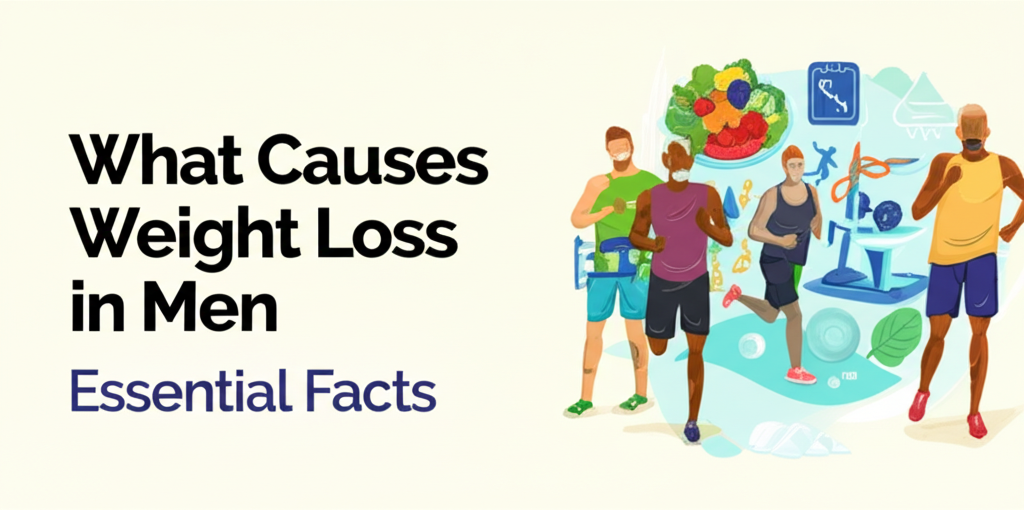
Controlling calorie intake is the other half of the energy balance equation. It involves making conscious choices about what and how much you eat and drink. This is often where many people find their biggest hurdles.
1. Food Choices
The types of foods you choose have a big impact on your calorie intake. Nutrient-dense foods, like fruits, vegetables, lean proteins, and whole grains, tend to be lower in calories but higher in volume and nutrients, helping you feel full and satisfied.
Conversely, highly processed foods, sugary drinks, and foods high in unhealthy fats are often calorie-dense. This means they pack a lot of calories into a small serving, making it easy to overconsume calories without feeling very full.
Consider this comparison:
| Food Item | Approximate Calories | Nutrient Density |
|---|---|---|
| 1 medium apple | 95 | High (vitamins, fiber) |
| 1 cup of broccoli | 31 | High (vitamins, minerals, fiber) |
| 4 oz grilled chicken breast | 165 | High (protein) |
| 1 can (12 oz) regular soda | 150 | Very Low (empty calories) |
| 1 small bag (1 oz) potato chips | 160 | Low (fat, sodium) |
2. Portion Sizes
Even healthy foods can contribute to weight gain if eaten in excessive portions. Understanding appropriate portion sizes is crucial for managing calorie intake. Many people overestimate what a standard serving size is, especially when eating out.
Using smaller plates, measuring food, or simply being mindful of how much you’re serving yourself can make a significant difference. It’s not about deprivation, but about mindful consumption.
3. Liquid Calories
Don’t forget about the calories you drink! Sugary drinks, like soda, fruit juices, sweetened coffees and teas, and alcoholic beverages, can add a substantial amount of calories to your diet without providing much satiety. These are often referred to as “empty calories” because they offer little to no nutritional value.
Choosing water, unsweetened tea, or black coffee can significantly reduce your daily calorie intake. Staying hydrated with water is also essential for overall health and can sometimes help manage hunger cues.
4. Meal Timing and Frequency
While the total number of calories consumed is the most important factor for weight loss, some evidence suggests that meal timing and frequency can play a role for some individuals. Eating regular meals can help manage hunger and prevent overeating later in the day. Skipping meals might lead to more intense hunger and poorer food choices.
Some research, including studies on intermittent fasting, explores how the timing of meals can impact metabolism and weight. However, for beginners, focusing on the total daily calorie intake from nutritious foods is usually the most effective starting point. You can explore different meal timings once you have a solid foundation.
The Role of Macronutrients
Macronutrients – carbohydrates, proteins, and fats – are the building blocks of our diet and provide the calories we consume. The balance of these macros can influence satiety, energy levels, and even how our bodies store fat.
1. Protein
Protein is a powerhouse for weight loss. It’s highly satiating, meaning it helps you feel fuller for longer, which can reduce overall calorie intake. As mentioned, protein also has a higher thermic effect of food compared to carbs and fats, meaning your body burns more calories digesting it.
Furthermore, adequate protein intake is crucial for preserving muscle mass, especially when you’re in a calorie deficit. Maintaining muscle is important because muscle tissue burns more calories at rest than fat tissue, helping to keep your metabolism higher.
Good sources of protein include:
- Lean meats (chicken, turkey, lean beef)
- Fish
- Eggs
- Dairy products (Greek yogurt, cottage cheese)
- Legumes (beans, lentils)
- Tofu and tempeh
- Nuts and seeds (in moderation due to calorie density)
2. Carbohydrates
Carbohydrates are your body’s primary source of energy. It’s important to differentiate between types of carbohydrates. “Complex” or “whole” carbohydrates are found in whole grains, fruits, vegetables, and legumes. They are digested more slowly, providing sustained energy and fiber, which aids in satiety and digestive health.
“Simple” or “refined” carbohydrates, found in white bread, pastries, sugary cereals, and sodas, are digested quickly. They can lead to rapid spikes and crashes in blood sugar, potentially causing increased hunger and cravings.
Prioritizing complex carbohydrates over refined ones is key for weight management. They contribute essential nutrients and fiber.
3. Fats
Fats are essential for hormone production, nutrient absorption, and overall health. However, they are also calorie-dense, with 9 calories per gram compared to 4 calories per gram for carbohydrates and protein. This means you can consume a lot of calories from fat quickly.
Focus on healthy fats, such as those found in avocados, nuts, seeds, olive oil, and fatty fish (like salmon). These fats are beneficial for your health and can contribute to satiety. Limit saturated and trans fats, which are often found in fried foods, processed snacks, and fatty cuts of meat.
The Importance of Exercise for Weight Loss
While diet plays the most significant role in weight loss (because it’s easier to cut 500 calories from your diet than to burn 500 calories through exercise), exercise is a crucial partner. It’s not just about burning calories; it offers numerous other benefits.
1. Burning Extra Calories
The most direct way exercise contributes to weight loss is by increasing your total daily energy expenditure. When you engage in physical activity, your body burns calories. The more intense and longer your workout, the more calories you’ll burn, contributing to that all-important calorie deficit.
For example, a brisk 30-minute walk can burn around 150-200 calories, while a 30-minute run might burn 300-400 calories or more, depending on your weight and pace. This extra calorie burn can significantly speed up your progress.
2. Building Muscle Mass
Strength training (lifting weights, bodyweight exercises) is particularly important for men seeking to lose weight. Building muscle mass increases your BMR. Muscle tissue is metabolically active, meaning it burns more calories at rest than fat tissue. So, the more muscle you have, the more calories you burn throughout the day, even when you’re not exercising.
This effect is often called the “afterburn effect” or EPOC (Excess Post-exercise Oxygen Consumption). Strength training sessions, especially intense ones, can keep your metabolism elevated for hours after your workout as your body repairs and builds muscle tissue.
3. Improving Overall Health
Beyond weight loss, exercise has profound benefits for your health. It improves cardiovascular health, reduces the risk of chronic diseases like type 2 diabetes and heart disease, boosts mood and reduces stress, and improves sleep quality. These benefits contribute to a better quality of life and can make sticking to a healthy lifestyle much easier.
Recommended Exercise Types for Men:
- Cardiovascular Exercise: Aim for at least 150 minutes of moderate-intensity aerobic activity or 75 minutes of vigorous-intensity aerobic activity per week. This includes brisk walking, running, cycling, swimming, and dancing.
- Strength Training: Incorporate strength training exercises at least two days per week. Focus on compound movements that work multiple muscle groups, such as squats, deadlifts, push-ups, and rows.
- Flexibility and Mobility: While not directly impacting calorie burn significantly, activities like yoga or stretching can improve your range of motion and prevent injuries, allowing you to exercise more consistently.
Lifestyle Factors That Influence Weight Loss

Weight loss isn’t just about diet and exercise. Several other lifestyle factors can significantly impact your success. Addressing these can create a more supportive environment for achieving your goals.
1. Sleep
Getting enough quality sleep is critical for weight management. When you’re sleep-deprived, your body releases more of the hormone ghrelin, which stimulates appetite, and less of the hormone leptin, which signals fullness. This can lead to increased hunger and cravings, particularly for high-calorie, unhealthy foods.
Lack of sleep can also affect your energy levels, making you less likely to exercise, and can disrupt hormones that regulate metabolism and fat storage. Aim for 7-9 hours of quality sleep per night.
2. Stress Management
Chronic stress can be a major roadblock to weight loss. When you’re stressed, your body releases cortisol, a hormone that can increase appetite, particularly for sugary and fatty foods. It can also signal your body to store more fat, especially around the abdomen.
Finding healthy ways to manage stress is essential. This could include mindfulness, meditation, deep breathing exercises, spending time in nature, or engaging in hobbies you enjoy. Exercise itself is also a great stress reliever.
3. Hydration
Drinking enough water is fundamental for overall health and can aid in weight loss. Water is calorie-free and can help you feel fuller, potentially reducing the amount you eat. Sometimes, thirst can be mistaken for hunger, so drinking water before meals can help manage appetite.
Staying hydrated is also essential for optimal metabolic function and can help your body process nutrients and eliminate waste products efficiently.
4. Consistency and Patience
Perhaps the most crucial factor is consistency. Sustainable weight loss is a marathon, not a sprint. It requires making consistent healthy choices day after day, week after week. There will be ups and downs, but staying consistent with your eating habits and exercise routine is key.
Patience is also vital. Rapid weight loss is often unsustainable and can be unhealthy. Aim for a gradual, steady loss of 1-2 pounds per week. This approach is more likely to lead to long-term success and allows your body to adapt to new, healthier habits.
Putting It All Together: A Step-by-Step Approach for Beginners
Now that you understand the essential facts, let’s put it into action. This step-by-step guide is designed for beginners looking to make practical changes.
Step 1: Assess Your Current Habits
Before you make any big changes, take a moment to understand where you’re starting from. For a week, try to honestly track what you eat and drink, and how much you move. You can use a journal or a free app.
This isn’t about judgment; it’s about gathering information. You might be surprised by how many calories are in certain drinks or how much you’re snacking without realizing it. Knowing your baseline is the first step to improvement.
Step 2: Set Realistic Goals
Once you have a clearer picture, set achievable goals. Instead of aiming to lose 50 pounds in a month, focus on smaller, manageable targets. For example, aim to lose 1-2 pounds per week, or commit to drinking 8 glasses of water a day, or going for a 30-minute walk three times a week.
SMART goals (Specific, Measurable, Achievable, Relevant, Time-bound) are excellent for this. For example, “I will walk for 30 minutes, 4 times this week” is a SMART goal.
Step 3: Focus on Nutrition Improvements
Start by making small, sustainable changes to your diet. Don’t try to overhaul everything at once.
- Increase Protein: Add a source of lean protein to each meal (e.g., eggs for breakfast, chicken for lunch, fish for dinner).
- Choose Whole Foods: Swap refined grains for whole grains (e.g., brown rice instead of white rice, whole wheat bread instead of white bread).
- Add More Veggies: Aim to fill half your plate with non-starchy vegetables at lunch and dinner.
- Limit Sugary Drinks: Gradually replace soda, juice, and other sugary beverages with water, unsweetened tea, or black

As an Amazon Associate, We earn from qualifying purchases. When you purchase a product through Amazon links on pulsefitguide.com, we may earn a small commission at no extra cost to you. This helps support the site and keep our content free.
