


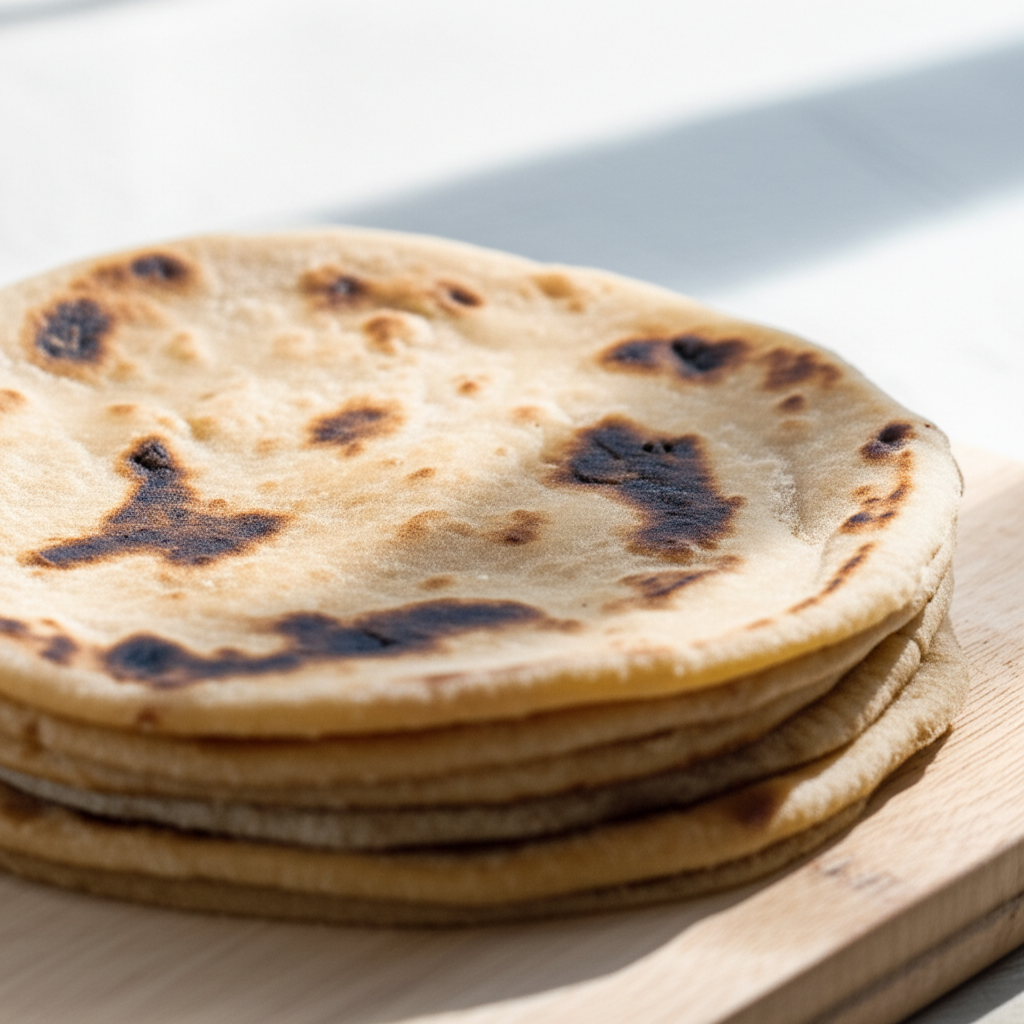
Roti calorie count typically ranges from 60 to 150 calories per piece, depending on ingredients, size, and cooking method. Whole wheat roti is generally healthier and lower in calories than refined flour versions.
Navigating the world of food and calories can sometimes feel like trying to solve a puzzle, especially when you’re just starting out on your health journey. You see delicious foods like roti and wonder, “How many calories are in that?” It’s a completely normal question, and the answer isn’t always straightforward. Many people find it confusing because ingredients and preparation can change the numbers quite a bit. But don’t worry, understanding this is easier than you think! We’re going to break down the calorie count of roti in a simple, step-by-step way so you can feel confident making informed choices. Get ready to understand exactly what’s in your roti and how it fits into your goals.
Understanding Roti and Its Calorie Variations
Roti, a staple flatbread in many South Asian cuisines, is loved for its versatility and comforting presence in meals. It’s typically made from flour, water, and sometimes a little salt or oil. The primary ingredient, flour, is the biggest factor influencing its calorie content. Different types of flour have different nutritional profiles, which directly impacts the final calorie count of your roti.
The way roti is cooked also plays a role. While traditionally cooked on a griddle (tawa) with minimal or no oil, some modern preparations might include a light brushing of ghee or oil for extra flavor and softness. The size of the roti matters too; a small, thin roti will naturally have fewer calories than a large, thick one.
Key Ingredients and Their Impact on Calories
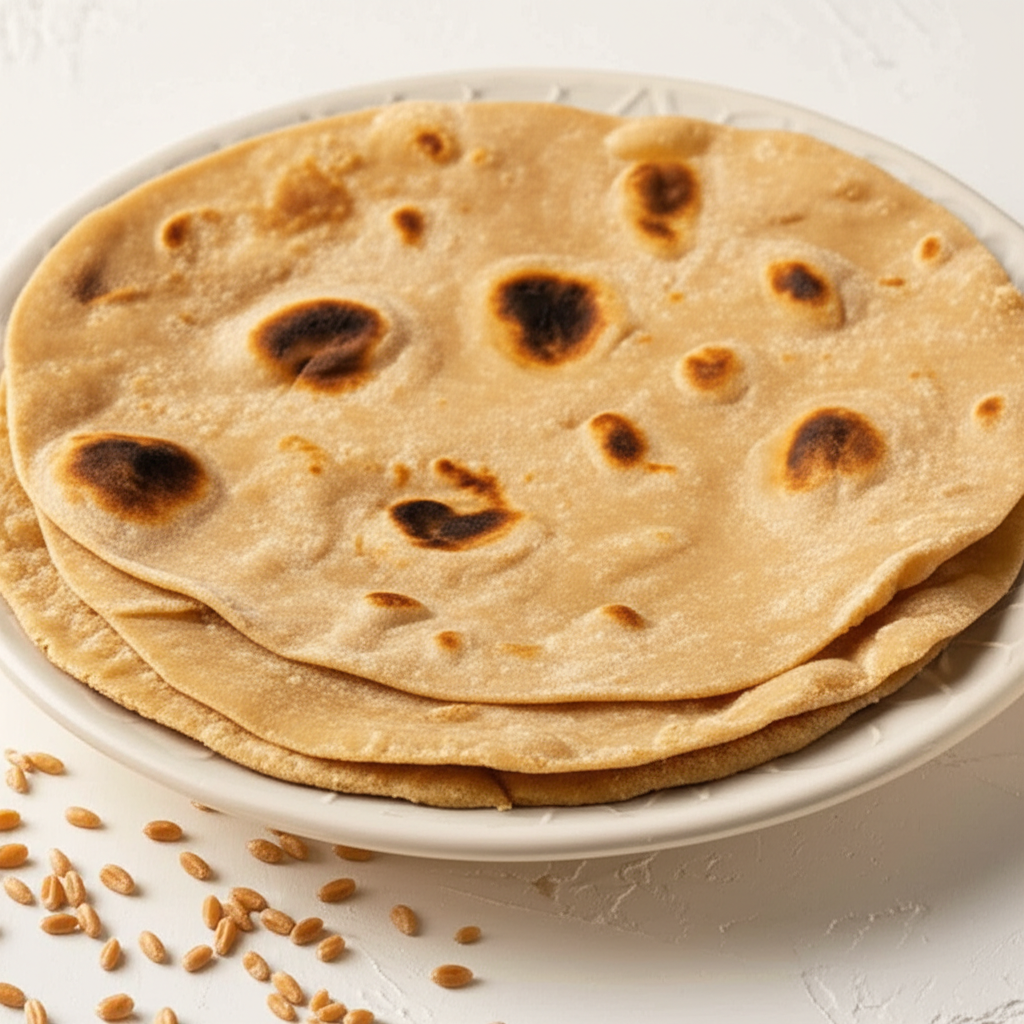
The magic, and sometimes the calorie mystery, of roti lies in its simple ingredients. Let’s look at how each one contributes:
- Flour Type: This is the star player. The type of flour used significantly changes the calorie and nutrient profile.
- Water: Essential for binding the dough, water adds no calories.
- Salt: Used for flavor, salt adds negligible calories.
- Oil/Ghee: Added for taste, texture, or during cooking, oil and ghee are calorie-dense and can increase the overall count.
Whole Wheat Flour (Atta)
Whole wheat flour, also known as atta, is made from the entire wheat kernel, including the bran, germ, and endosperm. This means it’s packed with fiber, vitamins, and minerals. Because it’s less processed, whole wheat flour generally contains more nutrients and can be more filling than refined flour.
A typical 6-inch whole wheat roti, made with just flour and water, usually contains around 60-80 calories. This makes it a fantastic choice for those looking to manage their weight or simply eat healthier. The fiber content helps with digestion and keeps you feeling satisfied for longer, which can prevent overeating.
Refined Flour (Maida)
Refined flour, or maida, is made from wheat that has had the bran and germ removed. This process results in a whiter, finer flour that has a softer texture but loses much of its natural fiber and nutrients. Because it’s less fibrous, refined flour can lead to quicker spikes in blood sugar and may not keep you feeling full for as long.
A roti made with refined flour of the same size can have a slightly higher calorie count, often ranging from 80-100 calories. While the difference might seem small per roti, it can add up over multiple servings or meals, especially if you’re tracking your intake closely for weight management.
Other Flours
Beyond whole wheat and refined flour, other flours can be used to make roti-like flatbreads, each with its own calorie count:
- Oat Flour: Roti made with oat flour can be around 70-90 calories, offering a good dose of soluble fiber.
- Gram Flour (Besan): Chickpea flour rotis (like Puran Poli, though that often includes sugar) can vary greatly, but plain besan roti might be in the 70-90 calorie range.
- Multigrain Flour: This is a mix of various grains like wheat, barley, oats, and millets. The calorie count can be similar to whole wheat or slightly higher, depending on the grain blend, typically 70-100 calories.
Calorie Breakdown: A Closer Look
To give you a clearer picture, let’s break down the typical calorie contribution of ingredients in a standard roti. Remember, these are approximations and can vary.
Consider a standard 6-inch diameter roti made from 30 grams of whole wheat flour. The flour itself contributes most of the calories.
- Whole Wheat Flour (30g): Approximately 100-110 calories.
- Water: 0 calories.
- Salt: 0 calories.
If a teaspoon (about 5g) of oil or ghee is added to the dough or brushed on top during cooking:
- Oil/Ghee (5g): Approximately 45 calories.
This means a plain whole wheat roti (no added oil) is around 100-110 calories. If you add a little oil or ghee, it could push the total to 145-155 calories.
For refined flour (maida), the calorie count for the same amount might be slightly higher due to its density, potentially around 110-120 calories for 30g. So, a refined flour roti with a bit of oil could reach 155-165 calories.
Factors Affecting Roti Calorie Count
Beyond the type of flour, several other factors can influence how many calories end up on your plate.
Size and Thickness
It’s simple math: a bigger roti means more dough, and more dough means more calories. A very thin, small roti might only be 3-4 inches in diameter and contain as little as 50-60 calories. Conversely, a large, thick roti, perhaps 8-10 inches across, could easily contain 150-200 calories or even more, especially if oil is used.
Cooking Method
The traditional method of cooking roti on a dry tawa or with a tiny amount of oil is the lowest-calorie option. When oil or ghee is generously brushed onto the roti during or after cooking, it significantly increases the calorie count. For example, a teaspoon of ghee adds about 45 calories, and a tablespoon adds around 135 calories.
Added Ingredients
Sometimes, recipes call for adding ingredients like yogurt, milk, or seeds to the dough. While these can add nutritional value, they also add calories. Yogurt can add protein and fat, milk adds fat and sugar (lactose), and seeds contribute healthy fats and fiber, all of which have calorie implications.
Typical Calorie Counts: A Comparison Table
To make things even clearer, here’s a table showing the estimated calorie counts for different types of rotis. These are based on standard portion sizes (approximately 6-inch diameter) and common preparation methods.
| Roti Type | Primary Flour | Approx. Calories (Plain) | Approx. Calories (with 1 tsp Oil/Ghee) | Notes |
|---|---|---|---|---|
| Whole Wheat Roti | Whole Wheat Flour (Atta) | 70-90 | 115-135 | Good source of fiber. |
| Refined Flour Roti | All-Purpose Flour (Maida) | 80-100 | 125-145 | Lower in fiber and nutrients. |
| Multigrain Roti | Mixed Grains (Wheat, Oats, Barley, etc.) | 75-95 | 120-140 | Nutrient profile varies by grain blend. |
| Oat Flour Roti | Oat Flour | 70-90 | 115-135 | Rich in soluble fiber. |
| Jowar Roti (Sorghum) | Jowar Flour | 60-80 | 105-125 | Gluten-free, good source of fiber. |
| Bajra Roti (Pearl Millet) | Bajra Flour | 60-80 | 105-125 | Gluten-free, rich in minerals. |
As you can see, even small changes in ingredients or preparation can affect the calorie count. For instance, choosing a jowar or bajra roti can offer a lower calorie count while providing different nutrients, and they are naturally gluten-free, which is a bonus for many.
Making Healthier Roti Choices
If you’re mindful of your calorie intake, you can easily make choices that support your goals without sacrificing the enjoyment of roti.
Tips for Lower-Calorie Roti
- Prioritize Whole Grains: Always opt for whole wheat flour (atta) or other whole grain flours like jowar, bajra, or ragi. These are more filling and nutritious.
- Control Portion Size: Make your rotis a moderate size. If you’re unsure, use a smaller bowl as a guide when rolling.
- Minimize Added Fats: Try to cook your roti on a non-stick tawa with minimal or no oil. If you prefer a little richness, use just a tiny brush of oil or ghee, or skip it altogether.
- Watch Your Pairings: While the roti itself has a certain calorie count, what you eat it with matters. Lighter curries and vegetable dishes will keep the overall meal calories lower than rich, creamy gravies.
- Read Labels (if buying pre-made): If you purchase roti or roti mix, check the nutrition labels for calorie and ingredient information.
Making these small adjustments can significantly impact your daily calorie intake over time, contributing positively to your health and weight management efforts. For more information on making informed food choices, resources like the Dietary Guidelines for Americans from the USDA offer excellent foundational knowledge.
Roti and Weight Management
Understanding the calorie content of roti is particularly important if you’re focused on weight management. Roti can absolutely be part of a healthy weight loss plan, but it’s about making smart choices.
Whole wheat roti, with its high fiber content, can help you feel fuller for longer. This is a key factor in weight loss, as it can reduce overall calorie intake by curbing hunger and preventing snacking. The fiber also helps to regulate blood sugar levels, avoiding the sharp spikes and crashes that can lead to cravings.
However, if your diet consists of many refined flour rotis, especially those cooked with generous amounts of oil or ghee, and paired with calorie-dense dishes, it can contribute to weight gain. It’s all about balance and moderation. By choosing whole grains, controlling portion sizes, and being mindful of added fats, you can enjoy roti as part of a calorie-controlled diet.
For beginners, focusing on replacing refined flour products with whole grain alternatives is a fantastic first step. This single change can boost fiber intake and nutrient density without feeling like a drastic diet overhaul. Remember, sustainable weight loss is about building healthy habits, not deprivation.
Frequently Asked Questions (FAQ)
Q1: Is roti healthy for weight loss?
Yes, whole wheat roti can be healthy for weight loss. Its fiber content promotes satiety, helping you feel full and eat less. The key is to choose whole wheat or other whole grain flours and consume it in moderation, being mindful of added fats and portion sizes.
Q2: How many calories are in a typical roti without oil?
A typical 6-inch whole wheat roti made without any added oil usually contains between 70 to 90 calories. This can vary slightly based on the exact amount of flour used and its density.
Q3: Can I eat roti if I am trying to lose weight?
Absolutely! Roti, especially whole wheat, can be a part of a weight loss diet. Focus on portion control, choose whole grain options, and limit the amount of oil or ghee used during cooking. Pair it with balanced meals that include lean protein and plenty of vegetables.
Q4: What is the difference in calories between whole wheat roti and refined flour roti?
A refined flour (maida) roti typically has slightly more calories than a whole wheat roti of the same size, often around 10-20 calories more per piece. This is because whole wheat flour retains more of its natural nutrients and fiber, which can impact density and energy content.
Q5: Does adding ghee or oil to roti significantly increase calories?
Yes, adding ghee or oil does significantly increase calories. One teaspoon of ghee or oil contains approximately 45 calories. If you add this to your roti, you’re adding a substantial number of calories to your meal, so it’s best to use them sparingly if you’re watching your intake.
Q6: Are gluten-free rotis (like Jowar or Bajra) lower in calories?
Rotis made from gluten-free flours like Jowar (sorghum) or Bajra (pearl millet) are often comparable in calories to whole wheat rotis, typically ranging from 60-80 calories for a plain, medium-sized one. They are excellent alternatives, especially for those with gluten sensitivities, and offer unique nutritional benefits.
Conclusion
So, there you have it! We’ve explored the world of roti calories, from the simple flour to the cooking methods. Remember, a typical 6-inch whole wheat roti usually sits between 70-90 calories, while refined flour versions might be a bit higher. Adding a touch of oil or ghee can add around 45 calories per teaspoon, so it’s worth being mindful of that if you’re tracking your intake.
The good news is that roti can absolutely be a healthy and delicious part of your diet, whether your goal is weight management or simply enjoying nutritious meals. By choosing whole grain flours, controlling portion sizes, and being smart about added fats, you can enjoy this staple food with confidence. Understanding these details empowers you to make informed choices that align with your health goals, making your journey feel more manageable and less confusing. Keep exploring, keep learning, and keep enjoying your food!
As an Amazon Associate, We earn from qualifying purchases. When you purchase a product through Amazon links on pulsefitguide.com, we may earn a small commission at no extra cost to you. This helps support the site and keep our content free.
