


Which Food Is Good For Weight Loss: Essential Guide
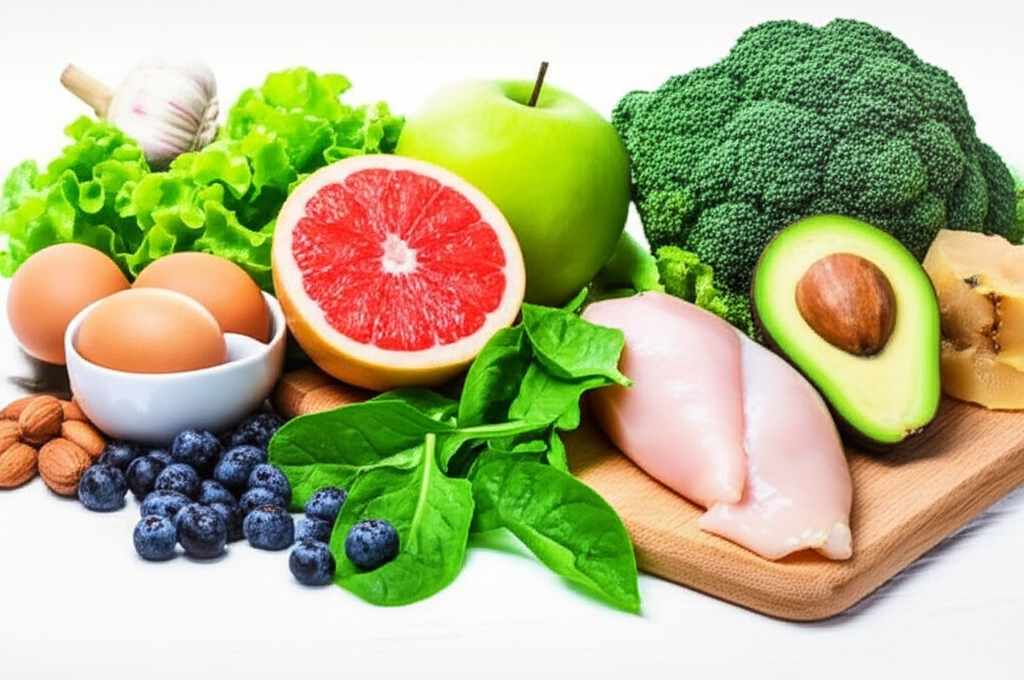
Losing weight can feel confusing, but the right foods make it much simpler! Focus on nutrient-dense, filling options like lean proteins, fiber-rich vegetables, fruits, and healthy fats. These foods help you feel satisfied, manage hunger, and provide essential nutrients without excess calories. Think whole, unprocessed foods that nourish your body.
Hey there! Welcome to your guide on choosing the best foods for weight loss. It’s totally normal to feel a bit lost when you’re starting out. There’s so much information out there, and it can be overwhelming! But guess what? You don’t need complicated diets or expensive supplements. The secret lies in understanding what your body needs and picking foods that help you feel full, energized, and satisfied.
We’re going to break down exactly which foods are your best friends on this journey. We’ll cover easy swaps, smart choices, and how to build meals that actually work for you. Get ready to feel confident about what’s on your plate!
Why Food Choices Matter for Weight Loss
Weight loss isn’t just about eating less; it’s about eating smarter. The foods you choose have a huge impact on your hunger levels, energy, and metabolism. When you eat foods that keep you feeling full and satisfied, you’re less likely to overeat or crave unhealthy snacks. This is key to creating a calorie deficit, which is the foundation of weight loss. Your body also needs the right nutrients to function optimally, even when you’re trying to lose weight.
Think of it this way: if you eat a sugary donut, you might feel a quick burst of energy, but then you’ll likely feel hungry again soon after. On the other hand, if you eat a meal with lean protein and vegetables, you’ll feel full for much longer. This is because different foods affect your hormones and digestion differently. Understanding these effects helps you make choices that support your goals, making the process feel less like a struggle and more like a natural shift.
The Power of Nutrient Density
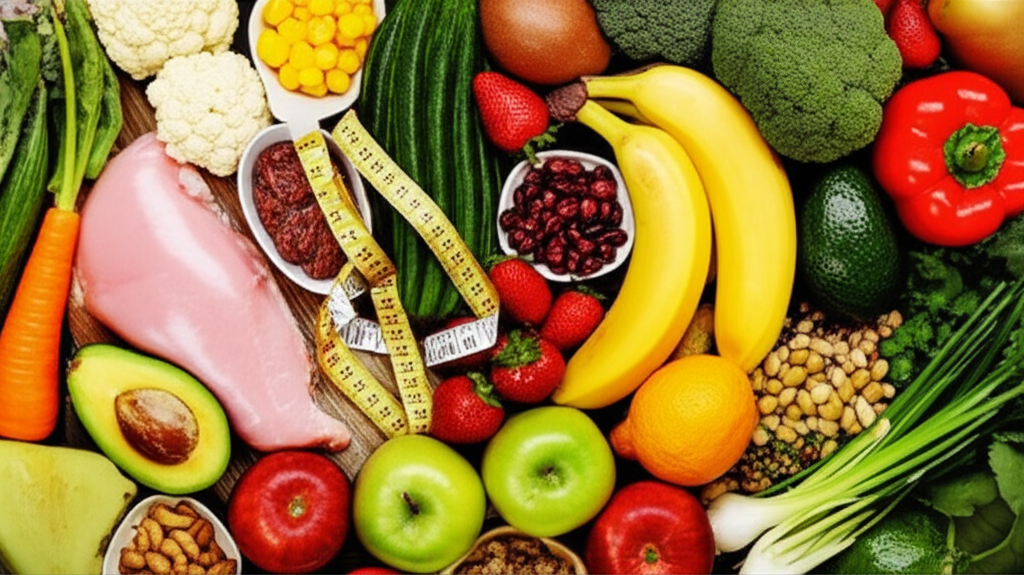
Nutrient density is a fancy term for foods that pack a lot of vitamins, minerals, and other good stuff into a relatively low number of calories. When you’re trying to lose weight, you want to get the most nutritional bang for your caloric buck. This means focusing on foods that offer sustained energy and essential nutrients without adding a lot of extra calories that can hinder your progress.
Why is this so important? Because when you cut calories, your body needs to be sure it’s still getting everything it needs to run smoothly. Nutrient-dense foods help prevent nutrient deficiencies that can lead to fatigue, cravings, and even health problems. They also tend to be more filling, which is a win-win for weight loss. For example, a large bowl of leafy greens provides far more nutrients and fiber than a small bag of chips for the same amount of calories.
Key Food Groups for Weight Loss
When we talk about which food is good for weight loss, it’s helpful to think in terms of food groups. Each group plays a vital role in keeping you full, providing energy, and supplying your body with essential nutrients. Focusing on these groups will build a balanced and effective weight loss plan.
1. Lean Proteins
Protein is a superstar when it comes to weight loss. It helps you feel full and satisfied for longer, which can reduce overall calorie intake. Protein also plays a crucial role in building and repairing muscle tissue. Having more muscle can boost your metabolism, meaning you burn more calories even at rest.
When you consume protein, your body uses more energy to digest it compared to fats or carbohydrates – this is called the thermic effect of food. This means a portion of the calories from protein are burned off during the digestion process itself. It’s a natural metabolism booster!
Examples of Lean Proteins:
- Chicken breast (skinless)
- Turkey breast (skinless)
- Fish (salmon, tuna, cod, tilapia)
- Lean beef (sirloin, tenderloin)
- Eggs
- Tofu and tempeh
- Legumes (beans, lentils, chickpeas)
- Greek yogurt (plain, non-fat)
Aim to include a source of lean protein in every meal and snack. This helps maintain stable blood sugar levels and prevents those energy crashes that can lead to unhealthy cravings. For instance, starting your day with eggs or Greek yogurt can keep you feeling satisfied until lunch.
2. Non-Starchy Vegetables
These are your weight loss best friends! Non-starchy vegetables are incredibly low in calories and carbohydrates but packed with fiber, vitamins, minerals, and water. The high fiber content makes them very filling, helping you feel satisfied with fewer calories. They add volume to your meals without significantly increasing the calorie count.
Think of vegetables as the foundation of your plate. They provide essential nutrients and antioxidants that support overall health, which is vital during a weight loss journey. Their natural crispness and variety also add enjoyment to your meals, preventing boredom. Plus, many of them can be eaten raw or lightly cooked, making meal prep quick and easy.
Examples of Non-Starchy Vegetables:
- Leafy greens (spinach, kale, lettuce, arugula)
- Broccoli and cauliflower
- Bell peppers
- Cucumbers
- Tomatoes
- Zucchini and squash
- Asparagus
- Green beans
- Mushrooms
- Onions
Don’t be afraid to load up on these! They are crucial for providing your body with the nutrients it needs while keeping your calorie intake in check. A large salad with grilled chicken, or a side of steamed broccoli with your fish, are excellent examples of how to incorporate them.
3. Fruits
Fruits are nature’s candy, and thankfully, they are great for weight loss when eaten in moderation. They offer natural sweetness, fiber, vitamins, and antioxidants. The fiber in fruits helps slow down digestion, keeping you feeling fuller for longer and preventing rapid spikes in blood sugar.
While fruits contain natural sugars (fructose), they are packaged with fiber, water, and nutrients, making them a much healthier choice than processed sweets. Eating whole fruits is generally better than drinking fruit juice, as juice often lacks fiber and concentrates the sugars. Including a variety of colorful fruits ensures you get a wide range of beneficial compounds.
Examples of Fruits Good for Weight Loss:
- Berries (strawberries, blueberries, raspberries, blackberries) – High in fiber and antioxidants, lower in sugar.
- Apples and Pears – Excellent sources of fiber.
- Grapefruit – Known for its low calorie count and potential metabolism-boosting properties.
- Melons (watermelon, cantaloupe) – High water content makes them very hydrating and filling.
- Oranges and other citrus fruits – Good source of Vitamin C and fiber.
A good rule of thumb is to consume fruits as part of a balanced meal or snack, perhaps paired with a protein or healthy fat source to further enhance satiety. For example, a handful of berries with a small amount of nuts or a slice of apple with peanut butter.
4. Healthy Fats
Fats often get a bad rap, but healthy fats are essential for your body and can actually help with weight loss. They are crucial for hormone production, nutrient absorption, and they contribute to feelings of fullness. Including healthy fats in your diet can help manage appetite and prevent overeating.
When you eat fats, your body takes longer to digest them than carbohydrates. This means they help keep you feeling satisfied after a meal, reducing the urge to snack between meals. However, fats are calorie-dense, so portion control is important. A little goes a long way!
Examples of Healthy Fats:
- Avocado
- Nuts (almonds, walnuts, pistachios)
- Seeds (chia seeds, flaxseeds, pumpkin seeds)
- Olive oil (extra virgin)
- Fatty fish (salmon, mackerel, sardines)
Incorporate these in moderation. For example, a quarter of an avocado in a salad, a small handful of nuts as a snack, or using olive oil to dress your vegetables. These additions make your meals more satisfying and nutrient-rich.
5. Whole Grains and Complex Carbohydrates
Carbohydrates are your body’s primary source of energy, and choosing the right kind is important for weight loss. Whole grains and complex carbohydrates are digested slowly, providing a steady release of energy and helping you feel full for longer. They are also rich in fiber and essential nutrients.
Unlike refined carbohydrates (like white bread and sugary cereals), which can cause sharp spikes and crashes in blood sugar, complex carbs help maintain stable energy levels. This stability is crucial for preventing cravings and maintaining consistent energy throughout the day, making it easier to stick to your healthy eating plan.
Examples of Whole Grains and Complex Carbs:
- Oats (rolled oats, steel-cut oats)
- Quinoa
- Brown rice
- Whole wheat bread and pasta
- Barley
- Sweet potatoes
- Legumes (beans, lentils, chickpeas – also a great protein source!)
Portion control is still important with these foods, as they do contain carbohydrates. However, they should be a staple in your diet for sustained energy and satiety. A serving of oatmeal for breakfast or quinoa as a side dish can be very beneficial.
Foods to Limit or Avoid for Weight Loss
While focusing on the good stuff is key, it’s also helpful to know which foods can hinder your weight loss efforts. These are often foods that are high in calories, low in nutrients, and don’t keep you feeling full. Reducing your intake of these items can make a significant difference.
Many processed foods are designed to be hyper-palatable, meaning they are very tasty and can easily lead to overconsumption. They often contain added sugars, unhealthy fats, and sodium, which can contribute to weight gain and negatively impact your health. Making conscious choices to limit these can support your journey.
1. Sugary Drinks
Liquid calories from sugary drinks are a major culprit in weight gain. Sodas, sweetened teas, fruit juices (even 100% juice can be high in sugar), and energy drinks provide calories without any significant nutritional value or feeling of fullness. Your body doesn’t register liquid calories the same way it does solid food, making it easy to consume large amounts without realizing it.
These drinks cause rapid spikes in blood sugar, leading to energy crashes and subsequent cravings for more sugary foods. Over time, consistently consuming sugary drinks can contribute to weight gain, increased risk of type 2 diabetes, and other health issues. Water is always the best choice for hydration!
2. Processed Snacks and Sweets
Things like cookies, cakes, pastries, chips, and candy are typically high in refined sugars, unhealthy fats, and sodium, while being very low in fiber and essential nutrients. They offer little in the way of satiety, meaning you can eat a lot of them without feeling full, which easily leads to overeating and excess calorie intake.
These foods are often calorie-dense, meaning a small portion can contain a significant number of calories. They also tend to cause blood sugar spikes and crashes, leading to more cravings. Choosing whole, unprocessed snacks instead can help manage hunger and provide sustained energy.
3. Fried Foods
Frying foods adds a significant amount of unhealthy fats and calories. While delicious, items like french fries, fried chicken, and donuts absorb a lot of oil during the cooking process. This dramatically increases their calorie content and can contribute to unhealthy fat intake.
The high-fat content can also slow down digestion, but not in a way that promotes lasting satiety. Instead, it can lead to feelings of sluggishness. Opting for baked, grilled, steamed, or roasted versions of your favorite foods can significantly reduce calories and fat while preserving nutrients.
4. Refined Grains
White bread, white rice, white pasta, and most breakfast cereals are made from refined grains. During the refining process, the bran and germ are removed, stripping away most of the fiber, vitamins, and minerals. This leaves behind a carbohydrate that is quickly digested, leading to blood sugar spikes and crashes.
Because they lack fiber, refined grains are not very filling. This can lead to increased hunger and a tendency to eat more throughout the day. Swapping these for their whole-grain counterparts is a simple yet effective way to improve satiety and nutrient intake.
Creating Balanced Meals for Weight Loss
The best way to approach weight loss through food is by building balanced meals. A balanced meal includes a good mix of lean protein, healthy fats, fiber-rich vegetables, and a sensible portion of complex carbohydrates. This combination ensures you feel satisfied, get sustained energy, and consume a wide range of nutrients.
Think of your plate as a canvas. Aim to fill half of it with non-starchy vegetables, a quarter with lean protein, and a quarter with whole grains or starchy vegetables. Add a small amount of healthy fat for flavor and satiety. This visual guide makes it easy to create healthy, filling meals without having to meticulously count every calorie.
The Plate Method
The Plate Method is a simple, visual way to build balanced meals that support weight loss. It’s incredibly beginner-friendly and doesn’t require weighing food or complex calculations.
Here’s how it works:
- Half Your Plate: Non-Starchy Vegetables. Fill half of your plate with colorful vegetables like broccoli, spinach, peppers, tomatoes, or a salad.
- One Quarter of Your Plate: Lean Protein. Choose a source of lean protein like chicken breast, fish, beans, or tofu.
- One Quarter of Your Plate: Complex Carbohydrates/Whole Grains. Add a portion of whole grains like brown rice, quinoa, or sweet potato.
- Add Healthy Fats: A small amount of healthy fat can be added to any component – like avocado on your salad, a drizzle of olive oil on vegetables, or nuts with your protein.
This method ensures you get plenty of fiber, protein, and nutrients, which are key for feeling full and satisfied, thus supporting weight loss. It naturally encourages lower-calorie, nutrient-dense food choices.
Sample Meal Ideas
Here are some easy meal ideas following the Plate Method to give you a practical start:
Breakfast Ideas:
- Oatmeal Power Bowl: Rolled oats (complex carb) topped with berries (fruit/fiber) and a sprinkle of chia seeds (healthy fat/fiber). Add a side of Greek yogurt (protein) for extra staying power.
- Scrambled Eggs with Veggies: Two to three eggs (protein/fat) scrambled with spinach and mushrooms (non-starchy veggies). Serve with a small slice of whole-wheat toast (complex carb).
- Smoothie: Blend unsweetened almond milk or water with a scoop of protein powder (protein), a handful of spinach (non-starchy veggie), half a banana or berries (fruit/complex carb), and a tablespoon of almond butter (healthy fat).
Lunch Ideas:
- Large Salad with Protein: Mixed greens, cucumber, tomatoes, bell peppers (non-starchy veggies) topped with grilled chicken breast or canned tuna (protein). Add a small portion of chickpeas (complex carb/protein) and a light vinaigrette made with olive oil (healthy fat).
- Lentil Soup with Whole Grain Bread: A hearty lentil soup (complex carb/protein/fiber) packed with vegetables. Serve with a small slice of 100% whole-wheat bread (complex carb).
- Turkey Lettuce Wraps: Lean ground turkey (protein) seasoned and served in large lettuce leaves (non-starchy veggie) with chopped celery and carrots. Add a drizzle of tahini sauce (healthy fat).
Dinner Ideas:
- Baked Salmon with Roasted Broccoli and Quinoa: Baked salmon fillet (protein/healthy fat), roasted broccoli (non-starchy veggie) seasoned with garlic and olive oil (healthy fat), and a portion of quinoa (complex carb).
- Chicken Stir-fry: Sliced chicken breast (protein) stir-fried with a variety of colorful vegetables like broccoli, bell peppers, and snap peas (non-starchy veggies) in a light soy or tamari sauce. Serve with a small portion of brown rice (complex carb).
- Lean Beef and Vegetable Skewers: Cubes of lean sirloin steak (protein) threaded onto skewers with cherry tomatoes, zucchini chunks, and bell pepper pieces (non-starchy veggies). Grill or bake and serve with a side of baked sweet potato (complex carb).
Remember to drink plenty of water throughout the day. Water is essential for metabolism, helps you feel full, and is calorie-free!
Hydration and Its Role in Weight Loss
Don’t underestimate the power of water! Staying well-hydrated is a simple yet incredibly effective strategy for weight loss. Water plays a crucial role in nearly every bodily function, including metabolism and appetite regulation. Sometimes, thirst can be mistaken for hunger, so drinking water before meals can help you feel fuller and potentially eat less.
Furthermore, drinking enough water is essential for your body to efficiently process nutrients and burn calories. When you’re dehydrated, your metabolism can slow down. Water also helps your kidneys flush out waste products, which is important when your body is breaking down fat during weight loss. Aim for at least 8 cups (about 2 liters) of water per day, and even more if you’re active or in a warm climate.
Making Sustainable Changes
The most effective weight loss strategies are those that you can maintain long-term. Instead of drastic diets, focus on making gradual, sustainable changes to your eating habits. This means choosing foods you enjoy, finding healthy recipes that fit your lifestyle, and building a consistent routine.
It’s also important to be patient with yourself. Weight loss is a journey, and there will be ups and downs. Celebrate small victories, learn from any setbacks, and focus on building healthy habits that will serve you for a lifetime. Small, consistent efforts add up to significant results over time.
Frequently Asked Questions (FAQ)
Q1: What is the single best food for weight loss?
A1: There isn’t one single “magic” food, but lean protein sources like chicken breast, fish, and legumes are highly beneficial because they promote satiety and have a higher thermic effect. Pairing them with high-fiber vegetables is a winning combination.
<
As an Amazon Associate, We earn from qualifying purchases. When you purchase a product through Amazon links on pulsefitguide.com, we may earn a small commission at no extra cost to you. This helps support the site and keep our content free.
