



For weight loss, focus on protein-rich, fiber-filled breakfasts that keep you full and energized, like eggs with veggies, Greek yogurt with berries, or oatmeal with nuts. This approach stabilizes blood sugar and curbs cravings, setting you up for a successful day.
Starting your day right can make a huge difference when you’re trying to lose weight. Sometimes, figuring out what to eat for breakfast feels confusing, especially with so much information out there. You might wonder if skipping breakfast is better, or if certain foods will sabotage your efforts. It’s totally normal to feel this way! But the good news is, with a few simple strategies, you can create breakfasts that are both delicious and effective for weight loss. We’ll break it down step-by-step, making it easy to understand and put into practice. Get ready to discover how your morning meal can become your weight loss ally!
Why Your Breakfast Choice Matters for Weight Loss
Think of breakfast as the fuel that kickstarts your metabolism and sets the tone for your entire day. When you eat a balanced breakfast, you’re not just satisfying hunger; you’re influencing your energy levels, mood, and even your food choices later on.
For weight loss, the right breakfast can:
- Boost Metabolism: Eating soon after waking up signals to your body that it’s time to start burning calories.
- Control Cravings: A satisfying breakfast, rich in protein and fiber, helps you feel fuller for longer, reducing the urge to snack on less healthy options later.
- Stabilize Blood Sugar: This prevents the energy crashes and mood swings that can lead to overeating.
- Improve Focus: Proper nutrition in the morning can enhance concentration and cognitive function throughout the day.
On the flip side, a breakfast high in refined sugars and low in nutrients can lead to a quick energy spike followed by a crash, leaving you hungry and craving more sugary foods. This cycle can make weight loss feel like an uphill battle. The key is to choose foods that provide sustained energy and keep you feeling satisfied.
The Science Behind Filling Breakfasts for Weight Loss
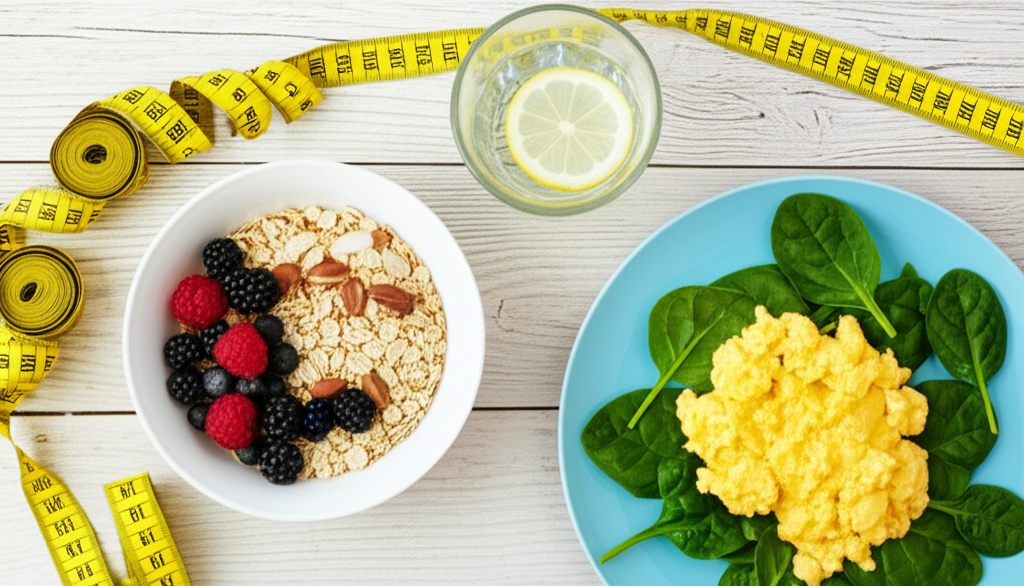
Weight loss is fundamentally about creating a calorie deficit – burning more calories than you consume. However, how you achieve that deficit matters for sustainability and overall health. Focusing on nutrient-dense foods that promote satiety (the feeling of fullness) is crucial, especially at breakfast.
Protein and fiber are your best friends when it comes to feeling full and satisfied. Protein takes longer to digest, helping to keep hunger at bay, and it also plays a role in muscle repair and growth, which is important for boosting your metabolism. Fiber, found in fruits, vegetables, and whole grains, adds bulk to your meals and slows down digestion, further contributing to satiety. Together, they create a powerful duo for weight management.
According to the Harvard T.H. Chan School of Public Health, a diet rich in whole foods, including lean proteins and fiber-rich carbohydrates, is key for healthy weight loss. This approach focuses on quality over quantity, ensuring your body gets the nutrients it needs while managing calorie intake effectively.
Furthermore, research suggests that eating a protein-rich breakfast can help increase thermogenesis, the process by which your body burns calories to digest food. This means that a well-chosen breakfast can actually help you burn more calories throughout the day.
Key Components of a Weight-Loss Friendly Breakfast
To create a breakfast that supports your weight loss goals, focus on incorporating these essential components:
1. Lean Protein
Protein is vital for satiety and metabolism. It helps you feel full for longer, reducing the likelihood of overeating later in the day. It also aids in muscle preservation, which is important for maintaining a healthy metabolism.
Examples of lean protein sources for breakfast:
- Eggs (scrambled, boiled, poached)
- Greek yogurt (plain, unsweetened)
- Cottage cheese
- Lean turkey or chicken breast (in moderation)
- Tofu or tempeh
- Protein powder (whey, plant-based)
- Legumes (like black beans or lentils, often used in savory breakfasts)
2. Fiber-Rich Carbohydrates
Complex carbohydrates provide sustained energy without the blood sugar spikes associated with refined grains. Fiber is particularly important as it aids digestion and promotes fullness.
Examples of fiber-rich carbohydrates:
- Oatmeal (rolled oats or steel-cut oats)
- Whole-wheat toast or bread
- Quinoa
- Berries (strawberries, blueberries, raspberries)
- Apples
- Bananas
- Sweet potatoes
- Vegetables (spinach, kale, bell peppers, onions)
3. Healthy Fats
Healthy fats are essential for hormone production and nutrient absorption. They also contribute to satiety, making your breakfast more satisfying.
Examples of healthy fats:
- Avocado
- Nuts (almonds, walnuts, chia seeds, flax seeds)
- Seeds (sunflower seeds, pumpkin seeds)
- Nut butters (natural, unsweetened peanut butter, almond butter)
4. Fruits and Vegetables
These add vitamins, minerals, antioxidants, and more fiber to your meal. They contribute to volume without adding significant calories, helping you feel full.
Incorporating them:
- Add berries to yogurt or oatmeal.
- Include spinach or mushrooms in scrambled eggs.
- Blend fruits and vegetables into smoothies.
- Serve a side of sliced fruit with your breakfast.
Delicious & Easy Breakfast Ideas for Weight Loss
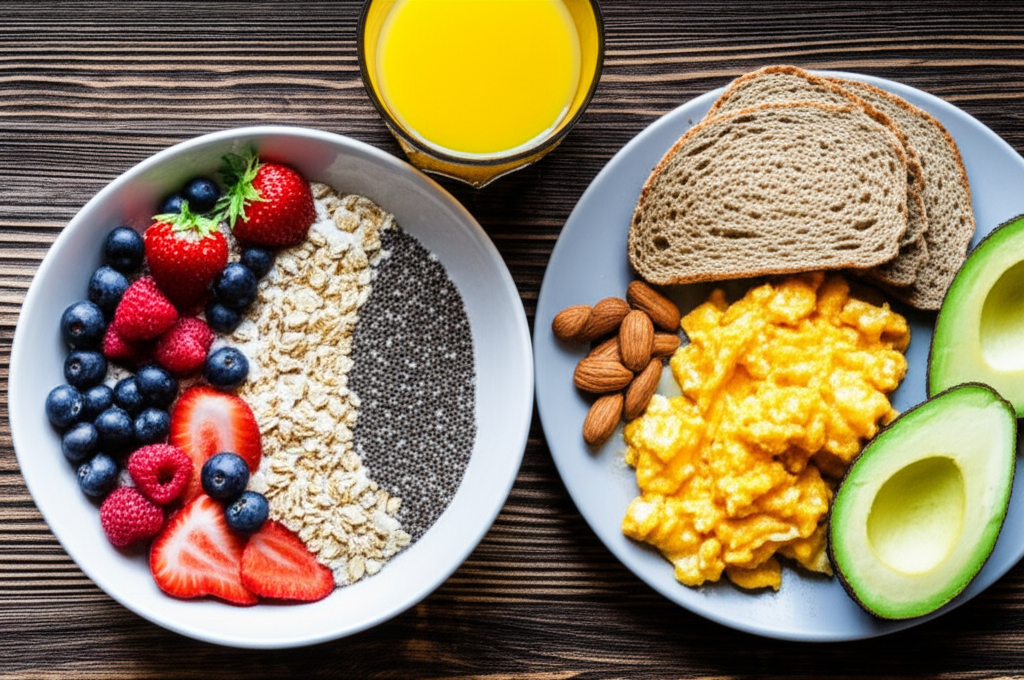
Let’s put these components into action with some simple, tasty, and effective breakfast ideas. These are designed to be beginner-friendly, affordable, and adaptable to your taste.
Idea 1: Scrambled Eggs with Spinach and Whole-Wheat Toast
This classic is a powerhouse of protein and fiber.
Why it works: Eggs are packed with high-quality protein. Spinach adds vitamins, minerals, and fiber with very few calories. Whole-wheat toast provides complex carbohydrates for sustained energy.
How to make it:
- Whisk 2-3 eggs with a splash of milk or water, salt, and pepper.
- Sauté a handful of fresh spinach in a lightly oiled non-stick pan until wilted.
- Pour in the eggs and scramble until cooked through.
- Serve with 1-2 slices of whole-wheat toast.
Optional additions: A few slices of avocado for healthy fats, or a sprinkle of red pepper flakes for a kick.
Idea 2: Greek Yogurt Parfait with Berries and Nuts
This is a quick, no-cook option that’s incredibly versatile.
Why it works: Plain Greek yogurt is high in protein. Berries offer antioxidants and fiber. Nuts provide healthy fats and a satisfying crunch.
How to make it:
- Start with a base of plain, unsweetened Greek yogurt (about 1 cup).
- Layer with a handful of mixed berries (fresh or frozen).
- Top with a small portion of chopped nuts or seeds (like almonds, walnuts, or chia seeds).
Tip: Avoid pre-sweetened yogurts, which can be loaded with sugar. If you need a touch of sweetness, add a tiny drizzle of honey or a sprinkle of stevia.
Idea 3: Oatmeal with Fruit and Seeds
Oatmeal is a whole-grain champion that’s both filling and nutritious.
Why it works: Oats are a fantastic source of soluble fiber, which helps you feel full and can lower cholesterol. Adding fruit boosts fiber and nutrients, while seeds add healthy fats and protein.
How to make it:
- Cook 1/2 cup of rolled oats or steel-cut oats with water or unsweetened plant-based milk according to package directions.
- Stir in a handful of berries or a sliced banana.
- Top with 1-2 tablespoons of chia seeds, flax seeds, or chopped nuts.
Flavor Boost: Add a dash of cinnamon for flavor without extra calories.
Idea 4: Smoothie with Protein and Greens
Smoothies are a fantastic way to pack a lot of nutrients into one easy-to-drink meal.
Why it works: You can control the ingredients to maximize protein, fiber, and micronutrients while keeping sugar low. It’s also quick and portable.
How to make it:
- In a blender, combine:
- 1 scoop of protein powder (whey or plant-based)
- 1 cup of unsweetened almond milk or water
- A large handful of spinach or kale
- 1/2 cup of frozen berries or 1/4 banana
- 1 tablespoon of chia seeds or flax seeds
- Blend until smooth. Add more liquid if needed to reach desired consistency.
Pro Tip: Freezing your spinach or kale beforehand can make your smoothie extra cold and thick.
Idea 5: Cottage Cheese with Fruit and Cinnamon
A simple, protein-rich option that’s satisfying and quick.
Why it works: Cottage cheese is an excellent source of casein protein, which digests slowly and keeps you feeling full. Fruit adds natural sweetness and fiber.
How to make it:
- Serve 1 cup of low-fat cottage cheese.
- Top with 1/2 cup of fresh berries or sliced peaches.
- Sprinkle with cinnamon.
Variations: Add a small handful of chopped walnuts for healthy fats.
Foods to Limit or Avoid for Breakfast Weight Loss
While focusing on what to eat is important, knowing what to limit is equally crucial for successful weight loss. Certain breakfast foods can hinder your progress by spiking blood sugar, leading to cravings, and providing empty calories.
Here’s a look at common breakfast culprits to be mindful of:
Sugary Cereals and Pastries
Many breakfast cereals, especially those marketed towards children, are loaded with added sugars and refined carbohydrates. These cause a rapid rise and fall in blood sugar, leading to an energy crash and increased hunger shortly after eating.
- Examples: Frosted flakes, sugary loops, doughnuts, croissants, muffins, sweetened granola.
Processed Meats
While some meats can be part of a healthy breakfast, highly processed options often contain high levels of sodium and unhealthy fats. Some research also links processed meat consumption to increased health risks.
- Examples: Bacon, breakfast sausages (check labels for lower-fat, less processed options if consuming).
Sugary Drinks and Juices
Fruit juices, even 100% juice, can be very high in natural sugars and lack the fiber of whole fruit. Sugary coffee drinks and sodas provide empty calories and contribute to sugar spikes.
- Examples: Orange juice, apple juice, sweetened coffee drinks, energy drinks.
White Bread and Refined Grains
These are quickly broken down into sugar in the body, similar to sugary cereals. They don’t provide the sustained energy or fullness needed for effective weight loss.
- Examples: White toast, bagels (unless whole grain), pancakes made with white flour.
The general rule of thumb is to prioritize whole, unprocessed foods. When in doubt, read the nutrition labels and look for options lower in added sugars and higher in protein and fiber. According to the American Heart Association, limiting added sugars is a key recommendation for improving heart health and overall well-being, which directly supports weight management goals.
Creating a Sustainable Breakfast Routine
Weight loss is a journey, not a race. Building sustainable habits is key to long-term success. Here’s how to make your healthy breakfast routine stick:
1. Plan Ahead: Spend a few minutes each week planning your breakfasts. This could be as simple as deciding what you’ll have each morning or prepping ingredients like chopping fruit or portioning out oats.
2. Prep in Advance: Dedicate some time on the weekend to prep. You could hard-boil eggs, make a batch of overnight oats, or portion out smoothie ingredients into freezer bags. This saves valuable time on busy mornings.
3. Keep it Simple: You don’t need gourmet meals every day. Simple combinations of protein, fiber, and healthy fats are perfectly effective. Don’t overcomplicate things, especially when you’re starting out.
4. Listen to Your Body: Pay attention to how different breakfasts make you feel. Do you have sustained energy? Do you feel hungry an hour later? Adjust your choices based on your body’s signals.
5. Be Flexible: Life happens! If you can’t have your ideal breakfast one day, don’t beat yourself up. Just get back on track with your next meal. Consistency over perfection is the goal.
6. Hydrate: Don’t forget to drink water with your breakfast. Staying hydrated is crucial for overall health and can also help with feelings of fullness.
Building these habits gradually will make healthy eating feel less like a chore and more like a natural part of your day. The goal is to create a routine that you can realistically maintain, leading to lasting results.
Sample Weekly Breakfast Plan for Weight Loss
Here’s a sample plan to give you a concrete idea of how to structure your breakfasts throughout the week. Remember, this is a template, and you can swap meals based on your preferences and what you have on hand.
| Day | Breakfast Idea | Key Components | Notes |
| :——– | :————————————————— | :———————————————- | :——————————————————————— |
| Monday | Scrambled Eggs with Spinach & Whole-Wheat Toast | Protein, Fiber, Complex Carbs | Quick to make, keeps you full until lunch. |
| Tuesday | Greek Yogurt Parfait with Berries & Almonds | Protein, Fiber, Healthy Fats | No cooking required, great for busy mornings. |
| Wednesday | Oatmeal with Chia Seeds & Sliced Banana | Fiber, Complex Carbs, Healthy Fats, Potassium | Filling and provides sustained energy. |
| Thursday | Protein Smoothie (Protein Powder, Spinach, Berries) | Protein, Fiber, Vitamins, Minerals | Portable and customizable. |
| Friday | Cottage Cheese with Peaches & Walnuts | Protein, Fiber, Healthy Fats | Satisfying and easy to prepare. |
| Saturday | Veggie Omelet (Bell Peppers, Onions, Mushrooms) | Protein, Fiber, Vitamins | A bit more time to cook, great for a relaxed weekend morning. |
| Sunday | Leftover healthy dinner option or Avocado Toast with Egg | Protein, Fiber, Healthy Fats, Complex Carbs | Utilizes leftovers or a simple, nutrient-dense option. |
This plan focuses on variety to ensure you’re getting a range of nutrients and to prevent boredom. The emphasis remains on protein, fiber, and healthy fats to keep you satisfied and support your weight loss efforts.
Frequently Asked Questions (FAQ)
Here are some common questions beginners have about breakfast for weight loss.
Q1: Is it really necessary to eat breakfast for weight loss?
A1: While not strictly mandatory for everyone, eating a balanced breakfast can significantly aid weight loss. It helps regulate appetite, prevent overeating later in the day, and kickstart your metabolism. Skipping breakfast can sometimes lead to intense hunger and poor food choices later on.
Q2: How much protein should I aim for at breakfast?
A2: Aim for at least 20-30 grams of protein at breakfast. This amount is generally considered optimal for promoting satiety and supporting muscle mass, which is beneficial for metabolism. Foods like eggs, Greek yogurt, cottage cheese, and protein powder are great sources.
Q3: Can I have fruit for breakfast? Is it too much sugar?
A3: Yes, you can absolutely have fruit! Whole fruits contain natural sugars, but they also come packed with fiber, vitamins, and antioxidants. The fiber helps slow down sugar absorption, preventing drastic blood sugar spikes. Pair fruit with a protein source like yogurt or eggs to create a more balanced meal.
Q4: What if I don’t have much time in the morning?
A4: That’s where preparation comes in! Overnight oats, pre-portioned smoothie packs, hard-boiled eggs, or a simple Greek yogurt with berries are all quick options that require minimal morning prep. Even a piece of whole-wheat toast with peanut butter can be a good, fast choice.
Q5: Are breakfast bars a good option for weight loss?
A5: Many breakfast bars are highly processed and can be surprisingly high in sugar and calories, offering little in terms of sustained fullness. It’s best to check the nutrition label carefully. Look for bars with minimal added sugar, at least 5-10 grams of protein, and a good amount of fiber. Whole foods are generally a better choice.
Q6: Can I drink coffee or tea with my breakfast?
A6: Plain coffee or tea (without added sugar or excessive cream) is generally fine and can even offer some metabolic benefits. However, be mindful of sugary additions like syrups, whipped cream, and large amounts of sugar or milk, which can add significant calories and sugar.
Conclusion
Embarking on a weight loss journey can feel overwhelming, but your breakfast is a powerful tool you can use right from the start of your day. By focusing on protein-rich, fiber-filled foods, you can create morning meals that not only taste great but also keep you feeling satisfied, energized, and in control of your appetite. Remember, it’s not about strict rules, but about making smart, consistent choices.
We’ve explored the science behind why breakfast matters, the key
As an Amazon Associate, We earn from qualifying purchases. When you purchase a product through Amazon links on pulsefitguide.com, we may earn a small commission at no extra cost to you. This helps support the site and keep our content free.
