


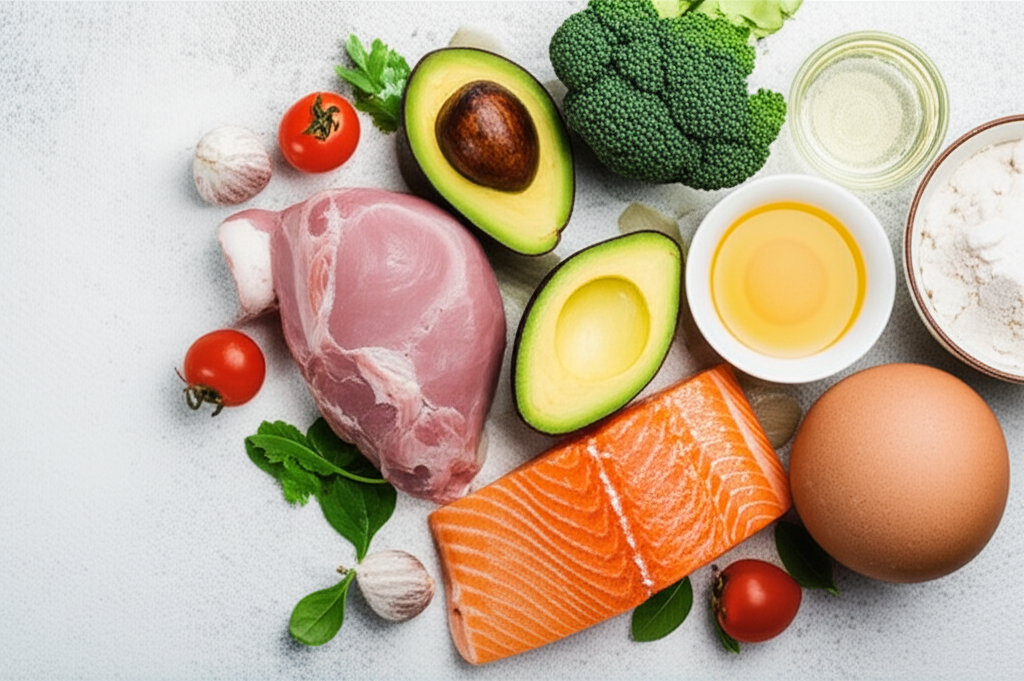
High protein foods are essential for feeling full, building muscle, and supporting weight loss. Top picks include lean meats, fish, eggs, dairy, legumes, nuts, and seeds. Incorporating these into your meals makes it easier to meet your protein goals and feel satisfied longer.
Feeling like weight loss is a puzzle you just can’t solve? You’re not alone! So many of us find it confusing and frustrating. The good news is, understanding a few key things can make a big difference. One of the most powerful tools in your weight loss kit is protein. Getting enough protein can help you feel fuller, keep your muscles strong, and even boost your metabolism. This guide is here to break down exactly what high protein foods are and which ones are your best friends on your journey. We’ll make it simple and clear, step-by-step.
Why Protein is a Weight Loss Superstar
Think of protein as your body’s building block and a satiety superhero. When you eat protein, it takes longer for your body to digest compared to carbs or fats. This means you stay feeling full and satisfied for a longer period after a meal. Less hunger often leads to fewer cravings and less snacking on less healthy options, which is a huge win for weight loss.
Beyond just fullness, protein plays a vital role in maintaining and building muscle mass. Muscle tissue is metabolically active, meaning it burns calories even when you’re at rest. The more muscle you have, the more calories your body burns throughout the day. This is crucial because during weight loss, we want to shed fat, not muscle. High protein foods help ensure that the weight you lose is primarily fat.
Furthermore, the thermic effect of food (TEF) is higher for protein. This means your body uses more energy to digest, absorb, and metabolize protein compared to fats and carbohydrates. While it’s not a magic bullet, this extra calorie burn from digestion contributes to your overall daily energy expenditure, making weight loss a little more efficient.
What Exactly Are High Protein Foods?

High protein foods are those that provide a significant amount of protein relative to their calorie content. There’s no single, strict definition, but generally, foods that offer at least 15-20% of their calories from protein are considered good sources. For weight loss, we often focus on “lean” protein sources, meaning they are lower in saturated fat.
These foods are also often nutrient-dense, meaning they pack a lot of vitamins, minerals, and other beneficial compounds alongside the protein. This ensures that as you focus on increasing protein, you’re also fueling your body with essential nutrients. Understanding the difference between complete and incomplete proteins is also helpful. Complete proteins contain all nine essential amino acids your body needs but can’t produce on its own. Animal products are typically complete, while plant-based proteins can be combined to form complete proteins.
For beginners, the easiest approach is to think about including a protein source at every meal and snack. This consistent intake helps manage hunger, supports muscle, and keeps your metabolism humming. Let’s dive into the top picks that make this easy and delicious.
Top High Protein Foods: Your Beginner’s Guide
Choosing the right protein sources can feel overwhelming with so many options out there. We’ve compiled a list of the best, most accessible, and versatile high protein foods to help you get started. We’ll cover animal-based and plant-based options so everyone can find something they love.
Animal-Based Protein Powerhouses
These are often the most straightforward sources of complete protein. They are generally easy to find, prepare, and can be incredibly satisfying.
1. Lean Meats
Chicken breast and turkey breast are classic go-to options. They are incredibly lean, versatile, and can be cooked in countless ways. Whether grilled, baked, stir-fried, or added to salads, they provide a substantial protein boost with minimal fat.
Leaner cuts of beef and pork are also excellent choices. Look for cuts like sirloin, tenderloin, or flank steak for beef, and pork loin or tenderloin. These offer great flavor and a good dose of protein. Remember to trim visible fat before cooking for the leanest result.
- Chicken Breast: Approximately 31 grams of protein per 100g (cooked).
- Turkey Breast: Similar to chicken, around 30 grams of protein per 100g (cooked).
- Lean Beef (e.g., Sirloin): Around 25-30 grams of protein per 100g (cooked).
- Lean Pork (e.g., Loin): Around 25-30 grams of protein per 100g (cooked).
2. Fish and Seafood
Fish is a fantastic source of protein and often comes packed with heart-healthy omega-3 fatty acids, especially fatty fish. This makes it a double win for overall health and weight management.
Salmon, mackerel, and sardines are rich in omega-3s. Other excellent options include tuna (canned or fresh), cod, tilapia, and shrimp. Seafood is typically quick to cook and can be enjoyed in many dishes, from simple baked fillets to hearty stews.
- Salmon: About 20-25 grams of protein per 100g (cooked), plus omega-3s.
- Tuna (light, canned in water): Around 25-30 grams of protein per 100g (drained).
- Cod: Approximately 20-23 grams of protein per 100g (cooked).
- Shrimp: About 20-24 grams of protein per 100g (cooked).
3. Eggs
Eggs are a nutritional powerhouse and one of the most affordable complete protein sources available. A single large egg contains about 6 grams of high-quality protein and is packed with vitamins and minerals.
They are incredibly versatile – boiled, scrambled, poached, or in an omelet, they can be a quick breakfast, lunch, or even dinner. The yolk contains healthy fats and nutrients, so don’t shy away from it!
- Large Egg: Approximately 6 grams of protein.
4. Dairy Products
Dairy is a great source of protein, particularly casein and whey, which are absorbed at different rates, providing sustained energy and satiety. It also offers calcium, which is important for bone health.
- Greek Yogurt: This is a concentrated protein source. Plain, non-fat Greek yogurt can have up to 20 grams of protein per cup, significantly more than regular yogurt.
- Cottage Cheese: Another protein champion, cottage cheese offers about 25 grams of protein per cup. It’s great on its own or as a base for savory or sweet toppings.
- Milk: A glass of milk provides about 8 grams of protein. Choose skim or low-fat options for fewer calories.
- Cheese: Hard cheeses like cheddar or Parmesan offer a good protein punch, though they can be higher in fat and calories, so portion control is key.
Plant-Based Protein Powerhouses
For vegetarians, vegans, or anyone looking to diversify their protein intake, plant-based options are abundant and incredibly beneficial. Combining different plant proteins throughout the day ensures you get all essential amino acids.
1. Legumes (Beans, Lentils, Peas)
Legumes are nutritional superstars. They are packed with protein, fiber, and complex carbohydrates, making them very filling and excellent for sustained energy. Their fiber content also aids digestion and helps manage blood sugar levels.
Lentils cook quickly and are perfect for soups, stews, and salads. Beans like black beans, kidney beans, and chickpeas are versatile and can be used in chilis, tacos, dips, and salads. Edamame (young soybeans) are a complete protein source and a fantastic snack.
- Lentils: About 18 grams of protein per cup (cooked).
- Black Beans/Kidney Beans: Around 15 grams of protein per cup (cooked).
- Chickpeas: Approximately 14-15 grams of protein per cup (cooked).
- Edamame: About 17 grams of protein per cup (shelled, cooked).
2. Tofu, Tempeh, and Edamame
These soy-based products are complete protein sources and are incredibly versatile in cooking. Tofu is mild and absorbs flavors well, making it suitable for stir-fries, scrambles, and even desserts. Tempeh is fermented, giving it a firmer texture and a slightly nutty flavor, and is great grilled or added to dishes.
Edamame, as mentioned, are young soybeans and can be enjoyed steamed in their pods or shelled as a snack or addition to meals. They are a complete protein, meaning they contain all nine essential amino acids.
- Tofu (firm): About 10-15 grams of protein per half-cup.
- Tempeh: Around 15-20 grams of protein per half-cup.
- Edamame: (See legumes above)
3. Nuts and Seeds
Nuts and seeds are dense in nutrients, including protein, healthy fats, and fiber. While they are calorie-dense, a small portion can provide a significant protein boost and help with satiety. They are perfect for snacks, salad toppings, or blended into smoothies.
Almonds, walnuts, peanuts (technically a legume but often grouped with nuts), pumpkin seeds, chia seeds, and flaxseeds are all excellent choices. Nut butters are also a convenient way to consume nuts and seeds.
- Almonds: About 6 grams of protein per ounce (approx. 23 nuts).
- Peanut Butter: Around 8 grams of protein per 2 tablespoons.
- Pumpkin Seeds: Roughly 9 grams of protein per ounce.
- Chia Seeds: About 4 grams of protein per 2 tablespoons.
4. Quinoa
Quinoa is a unique grain that is actually a seed, and it’s a complete protein source. It’s also rich in fiber, vitamins, and minerals. It makes a great base for salads, bowls, or as a side dish instead of rice or pasta.
- Quinoa: Approximately 8 grams of protein per cup (cooked).
Putting High Protein Foods into Your Meals
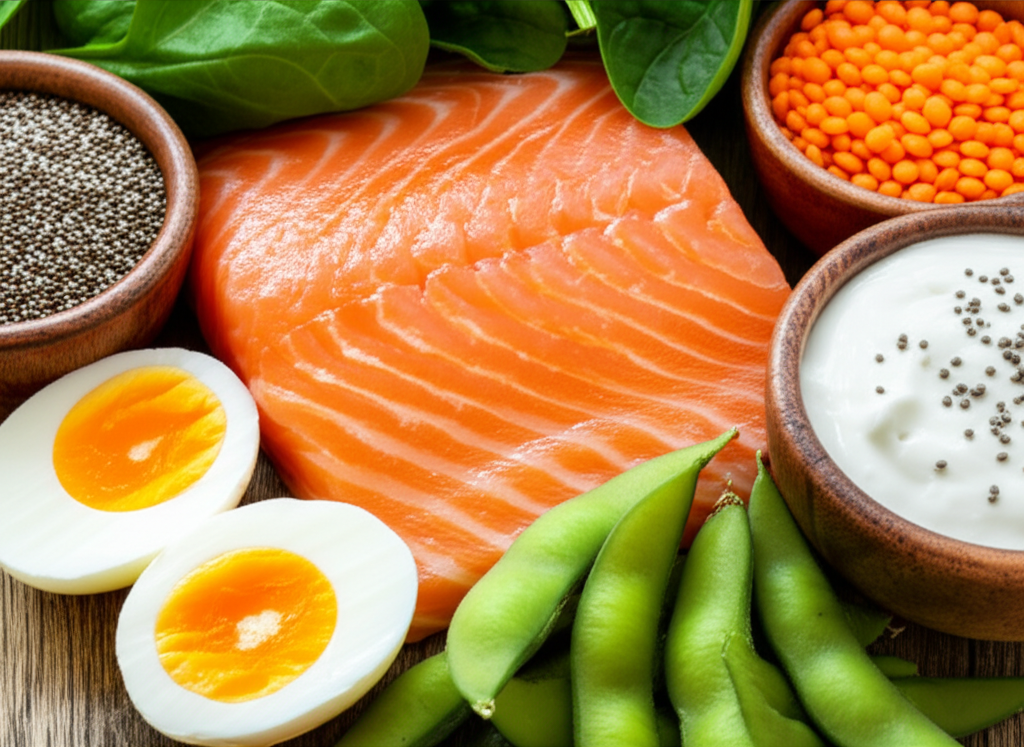
The key to success is consistency. Aim to include a protein source in every meal and snack. This helps manage hunger throughout the day and prevents you from getting overly hungry, which can lead to poor food choices.
Breakfast Ideas
Start your day with protein to set a positive tone for your eating habits.
- Scrambled eggs with spinach and a side of whole-wheat toast.
- Greek yogurt with berries and a sprinkle of nuts or seeds.
- A protein smoothie made with milk or plant-based milk, protein powder, fruit, and a tablespoon of chia seeds.
- Cottage cheese with sliced peaches or pineapple.
Lunch Ideas
Keep your energy up and hunger at bay with a protein-rich lunch.
- Grilled chicken or tuna salad (made with Greek yogurt instead of mayo) on whole-grain bread or over a bed of greens.
- Lentil soup with a side salad.
- A large salad topped with chickpeas, grilled tofu, or lean turkey slices.
- Leftovers from a protein-rich dinner.
Dinner Ideas
Your evening meal is a great opportunity to load up on protein.
- Baked salmon with roasted vegetables like broccoli and sweet potatoes.
- Lean beef stir-fry with plenty of colorful vegetables and a small portion of brown rice.
- Chicken breast with a side of quinoa and steamed green beans.
- Black bean burgers on whole-wheat buns with a side salad.
Snack Ideas
Don’t underestimate the power of protein-rich snacks to bridge the gap between meals and prevent overeating.
- A handful of almonds or walnuts.
- A hard-boiled egg.
- A small container of cottage cheese or Greek yogurt.
- Edamame (steamed).
- Apple slices with peanut butter.
Protein and Weight Loss: What You Need to Know
As we’ve discussed, protein is a fantastic ally for weight loss. It helps you feel full, preserves muscle mass, and slightly boosts your metabolism. However, it’s important to remember that weight loss is about creating a calorie deficit – burning more calories than you consume. Protein helps make this process more manageable and sustainable.
When aiming for weight loss, focus on lean protein sources and be mindful of portion sizes, especially with calorie-dense options like nuts and cheese. Combining adequate protein intake with a balanced diet rich in fruits, vegetables, and whole grains, along with regular physical activity, is the most effective strategy for long-term success. For more information on understanding caloric needs and energy balance, the National Institute of Diabetes and Digestive and Kidney Diseases (NIDDK) offers comprehensive resources.
Don’t strive for perfection; aim for progress. If you have a meal that’s lower in protein, don’t worry! Just focus on getting back on track with your next meal or snack. Small, consistent steps lead to big changes over time.
Frequently Asked Questions About High Protein Foods
Q1: How much protein do I need per day for weight loss?
A1: General recommendations suggest around 0.7 to 1 gram of protein per pound of body weight for active individuals aiming for weight loss. However, this can vary based on your activity level, age, and individual needs. It’s best to consult with a healthcare professional or registered dietitian for personalized advice.
Q2: Can I get enough protein from a vegetarian or vegan diet?
A2: Absolutely! Vegetarian and vegan diets can be very high in protein. By incorporating legumes, tofu, tempeh, edamame, nuts, seeds, and whole grains like quinoa, you can easily meet your protein needs. It’s important to eat a variety of these foods to ensure you get all the essential amino acids.
Q3: Are all protein sources equal?
A3: Protein sources differ in their “completeness” (containing all essential amino acids) and nutrient profile. Animal sources are typically complete proteins. Plant-based sources like soy, quinoa, and buckwheat are also complete. Other plant proteins can be combined throughout the day (e.g., beans and rice) to provide all essential amino acids. Additionally, consider the fat and calorie content of protein sources.
Q4: Is it possible to eat too much protein?
A4: While protein is essential, excessive intake, especially from animal sources high in saturated fat, can be a concern for some individuals, particularly those with kidney issues. For most healthy adults, moderate to high protein intake within recommended ranges is generally safe and beneficial for weight management. Staying hydrated is also important when consuming higher amounts of protein.
Q5: Do I need to eat protein every few hours?
A5: While spreading protein intake throughout the day can help manage hunger and muscle protein synthesis, there’s no strict rule that you must eat protein every few hours. The most important factor is meeting your total daily protein goal. However, including protein at meals and snacks often makes it easier to reach that goal and manage hunger effectively.
Q6: How can I incorporate more protein without adding a lot of extra calories?
A6: Focus on lean protein sources like chicken breast, turkey breast, fish, egg whites, Greek yogurt, and legumes. When choosing plant-based proteins, opt for those that are naturally lower in fat. Using cooking methods like baking, grilling, steaming, or poaching instead of frying can also help keep calories in check. For example, choose grilled chicken over fried chicken.
Q7: What are some quick and easy high-protein snacks?
A7: Great options include Greek yogurt, cottage cheese, hard-boiled eggs, a handful of nuts (almonds, walnuts), a small can of tuna (in water), edamame, or jerky (look for low-sodium, lean options). Protein bars can also be convenient, but check the sugar content.
Conclusion: Building a Healthier You, One Protein-Packed Meal at a Time
Navigating the world of healthy eating and weight loss can seem daunting, but focusing on high protein foods is a powerful and effective strategy that’s surprisingly simple to implement. By understanding why protein is so beneficial—its role in satiety, muscle preservation, and metabolism—you’re already ahead of the game.
We’ve explored a fantastic array of both animal and plant-based protein sources, from the everyday staples like chicken breast and eggs to the versatile powerhouses like lentils and tofu. The key takeaway is that incorporating these foods into your breakfast, lunch, dinner, and even snacks makes hitting your protein goals achievable and enjoyable. Remember, it’s not about strict rules, but about making consistent, informed choices that support your body and your weight loss journey.
Start small, experiment with new recipes, and find what works best for your lifestyle and taste preferences. Building a healthier you is a marathon, not a sprint, and with high protein foods as your allies, you’re well on your way to feeling more satisfied, stronger, and closer to your goals. Keep up the great work, and celebrate every step forward!
As an Amazon Associate, We earn from qualifying purchases. When you purchase a product through Amazon links on pulsefitguide.com, we may earn a small commission at no extra cost to you. This helps support the site and keep our content free.
