


Lose 5 kgs in 2 weeks with practical, science-backed strategies. Focus on simple diet tweaks and easy movement to achieve noticeable results without extreme measures. This guide provides a clear, step-by-step plan for beginners.
Feeling overwhelmed by weight loss goals? You’re not alone! Many people find it tough to know where to start, especially when aiming for quick, visible changes. But what if losing 5 kgs in just two weeks felt less like a struggle and more like a natural, achievable part of your routine? It’s possible with the right approach. We’ll break down exactly what you need to do, step-by-step, using simple, practical tips that actually work. Get ready to feel lighter and more confident as we guide you through this journey, making healthy habits feel easy and rewarding.
Understanding Weight Loss: The Basics
Losing weight, at its core, is about creating a calorie deficit. This means you need to burn more calories than you consume. While it sounds simple, many factors can make it feel complicated. Your metabolism, hormones, daily habits, and even your stress levels play a role. For beginners, focusing on these basics is key to seeing results without getting bogged down in complex science.
A common misconception is that drastic calorie restriction is the only way to lose weight quickly. However, this often leads to feeling deprived, losing muscle mass, and a rebound weight gain. Our goal is to create a sustainable deficit through smart food choices and gentle activity that supports your body and makes you feel good. Remember, consistency is more important than perfection!
The Calorie Deficit Explained
To lose weight, you need to consume fewer calories than your body uses. A kilogram of fat is roughly equivalent to 7,700 calories. So, to lose 5 kgs, you’d need to create a deficit of about 38,500 calories over the two weeks. This might sound like a lot, but it breaks down to about 2,750 calories per day. This is achieved by eating less and moving more. We’ll aim for a healthy, manageable deficit that doesn’t leave you feeling starved or exhausted.
Instead of cutting calories drastically, we focus on nutrient-dense foods that keep you full and energized. This approach ensures you’re nourishing your body while still achieving your calorie goals. The U.S. Department of Health and Human Services provides excellent resources on understanding energy balance and healthy weight management.
Key takeaway: A calorie deficit is essential, but it should be achieved healthily and sustainably. We’ll focus on making smart choices that add up without extreme deprivation.
Your 2-Week Action Plan: Simple Steps to Success

Ready to dive in? This plan is designed to be easy to follow, even if you’re new to health and fitness. We’ll cover nutrition, hydration, and movement. Think of these two weeks as a focused period to build momentum and see what your body can achieve with a little intentional effort.
Step 1: Smart Eating for Maximum Impact
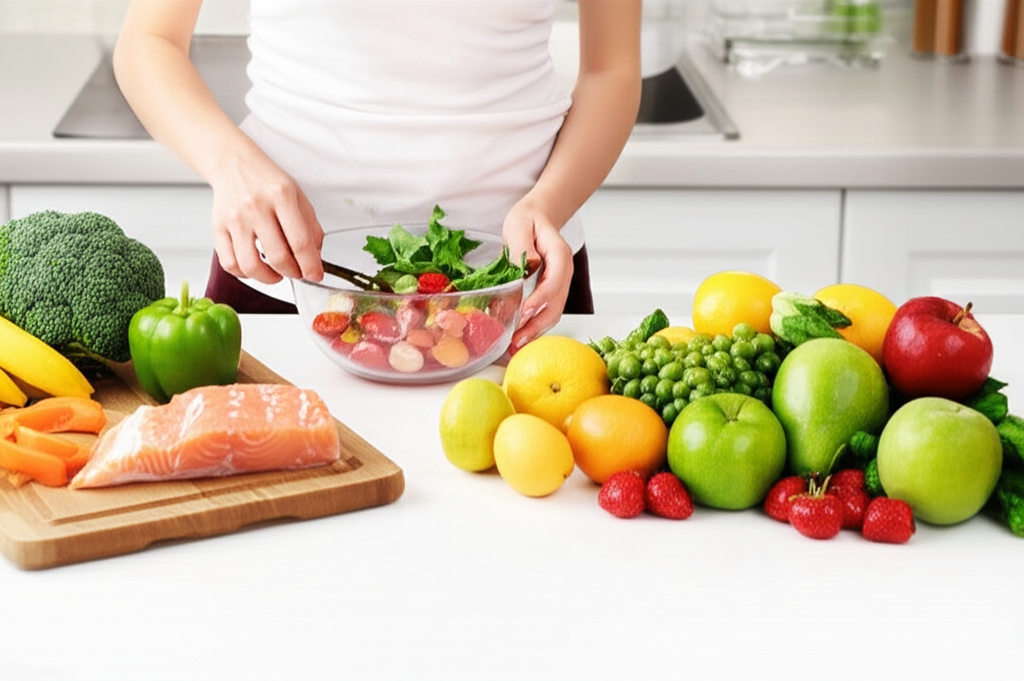
Nutrition is the cornerstone of weight loss. For these two weeks, we’ll focus on whole, unprocessed foods that are packed with nutrients and help you feel satisfied. This isn’t about dieting; it’s about making smarter choices that fuel your body and support your goals.
Focus on Whole Foods
Prioritize foods in their natural state. These are generally lower in calories and higher in fiber, vitamins, and minerals, helping you feel full and satisfied.
- Lean Proteins: Chicken breast, fish, tofu, beans, lentils, eggs. Protein helps you feel full and preserves muscle mass.
- Plenty of Vegetables: Leafy greens, broccoli, bell peppers, cucumbers, carrots. They are low in calories and high in fiber and nutrients. Aim to fill half your plate with them!
- Fruits: Berries, apples, oranges, bananas. Great for snacks and a source of natural sweetness and fiber.
- Healthy Fats: Avocado, nuts, seeds, olive oil. These are important for hormone function and satiety, but use them in moderation as they are calorie-dense.
- Whole Grains: Oats, quinoa, brown rice. Choose these over refined grains for sustained energy and fiber.
What to Limit or Avoid
Reducing your intake of certain foods can significantly impact your calorie intake and overall health.
- Sugary Drinks: Soda, fruit juices, sweetened coffees and teas. These are empty calories that don’t fill you up.
- Processed Snacks: Chips, cookies, pastries, candy. They are high in calories, sugar, and unhealthy fats.
- Refined Grains: White bread, white pasta, white rice. They lack fiber and can cause blood sugar spikes.
- Excessive Fried Foods: These are loaded with unhealthy fats and calories.
- Alcohol: It contains empty calories and can lower inhibitions, leading to poorer food choices.
Portion Control is Key
Even healthy foods have calories. Being mindful of portion sizes is crucial for creating that calorie deficit.
- Use smaller plates to make portions look larger.
- Measure out serving sizes, especially for calorie-dense foods like nuts and grains.
- Listen to your body’s hunger and fullness cues. Eat when you’re hungry and stop when you’re comfortably full, not stuffed.
Step 2: Hydration Habits for a Boost
Water is your best friend on this weight loss journey. It plays a vital role in metabolism, helps you feel full, and is essential for overall bodily functions.
- Drink Water Throughout the Day: Aim for at least 2-3 liters (about 8-12 cups) of water daily.
- Drink Water Before Meals: This can help you feel fuller and eat less.
- Replace Sugary Drinks with Water: This is one of the easiest ways to cut significant calories.
- Herbal Teas: Unsweetened herbal teas can also contribute to your fluid intake and offer a variety of flavors.
According to the U.S. National Academies of Sciences, Engineering, and Medicine, adequate daily fluid intake is about 3.7 liters for men and 2.7 liters for women, with a significant portion coming from water. Staying hydrated is not just about weight loss; it’s about optimal health.
Step 3: Gentle Movement for Calorie Burn
You don’t need to become a marathon runner overnight. Incorporating consistent, enjoyable movement will help burn extra calories and boost your mood.
Daily Activity Goals
Aim for at least 30-60 minutes of moderate-intensity activity most days of the week. This could include:
- Brisk Walking: A fantastic, accessible way to burn calories and improve cardiovascular health.
- Jogging or Running: If you enjoy it, this is a great calorie burner.
- Cycling: Indoors or outdoors, cycling is a great full-body workout.
- Swimming: A low-impact option that works many muscle groups.
- Dancing: Fun and effective for burning calories.
Strength Training (Optional but Recommended)
While not strictly necessary for 5kg loss in 2 weeks, adding some light strength training can help preserve muscle mass. Muscle burns more calories than fat, even at rest. You can start with bodyweight exercises like squats, lunges, and push-ups.
Step 4: Prioritize Sleep and Manage Stress
Don’t underestimate the power of good sleep and stress management! Both can significantly impact your weight loss efforts.
- Aim for 7-9 Hours of Sleep: Poor sleep can disrupt hormones that regulate appetite, leading to increased hunger and cravings.
- Stress Reduction Techniques: Try deep breathing, meditation, yoga, or spending time in nature. High stress levels can lead to emotional eating and fat storage.
The Centers for Disease Control and Prevention (CDC) highlights the importance of sleep for overall health, including weight management.
Putting It All Together: A Sample Day
To make it even clearer, here’s a look at what a day following this plan might look like. Remember, this is a template; feel free to adjust it based on your preferences and dietary needs.
| Meal | Option 1 | Option 2 |
|---|---|---|
| Breakfast | Oatmeal with berries and a few almonds | Scrambled eggs with spinach and whole-wheat toast |
| Mid-Morning Snack | An apple or a handful of grapes | A small Greek yogurt |
| Lunch | Large salad with grilled chicken or chickpeas, lots of veggies, and a light vinaigrette | Lentil soup with a side of mixed greens |
| Afternoon Snack | Carrot sticks with a small amount of hummus | A small pear or a handful of walnuts |
| Dinner | Baked salmon with steamed broccoli and quinoa | Lean ground turkey stir-fry with mixed vegetables and a small portion of brown rice |
| Evening (if needed) | A cup of herbal tea | A few slices of cucumber |
Important Note: This is just a sample. Adjust portion sizes based on your individual needs and activity levels. Listen to your body. If you’re feeling overly hungry, consider slightly larger portions of lean protein and vegetables.
Frequently Asked Questions (FAQ)
Here are some common questions beginners have about losing weight quickly and effectively.
Can I really lose 5 kgs in 2 weeks?
Yes, it’s possible for many individuals, especially those who are new to making significant lifestyle changes. It depends on your starting weight, metabolism, and how consistently you follow the plan. However, remember that rapid weight loss can sometimes include water weight and isn’t always sustainable long-term. The focus here is on creating healthy habits that lead to noticeable results.
Will I be hungry all the time?
If you focus on nutrient-dense, high-fiber foods like vegetables, lean proteins, and whole grains, you should feel satisfied. Drinking plenty of water also helps manage hunger. The key is to eat filling foods, not just low-calorie ones.
Is this plan safe?
This plan focuses on healthy eating and moderate activity, which is generally safe for most adults. However, if you have any underlying health conditions, it’s always best to consult with your doctor or a registered dietitian before making significant changes to your diet or exercise routine.
What if I miss a workout or have a slip-up with my diet?
Don’t worry! One missed workout or one less-than-perfect meal won’t derail your progress. Just get back on track with your next meal or workout. Consistency over time is what matters most. Be kind to yourself and learn from any slip-ups.
How can I make this plan affordable?
Focus on budget-friendly staples like beans, lentils, oats, eggs, seasonal vegetables, and frozen fruits. Buying in bulk when possible and cooking meals at home instead of eating out can save a lot of money.
What’s the best way to stay motivated for two weeks?
Set small, achievable daily goals. Track your progress (e.g., how you feel, energy levels, measurements) rather than just the scale. Find an accountability partner, and remind yourself why you started. Celebrate small wins along the way!
Is it okay to have a treat occasionally?
Yes, it is! For a two-week plan, you might choose to be very strict. However, for long-term success, incorporating occasional treats in moderation is crucial. If you feel you need a small treat, have it mindfully and then return to your plan. For this specific two-week goal, you might choose to save treats for after the initial push.
Maintaining Your Progress
Two weeks is a fantastic start, but the real win is making these healthy habits stick. Once you’ve reached your 5kg goal, the key is to continue with the principles you’ve learned. Gradually reintroduce a wider variety of foods while maintaining a mindful approach to portion sizes and choosing nutrient-rich options.
Continue with regular physical activity. Find activities you genuinely enjoy so they don’t feel like a chore. Listen to your body; it will tell you when it’s hungry and when it’s full. If you notice the scale creeping up, you can always revisit the strategies from these two weeks to get back on track.
Weight management is a journey, not a destination. By building a strong foundation of healthy eating and regular movement, you’re setting yourself up for long-term success and a healthier, happier you. Remember to be patient and celebrate your achievements, big or small!
As an Amazon Associate, We earn from qualifying purchases. When you purchase a product through Amazon links on pulsefitguide.com, we may earn a small commission at no extra cost to you. This helps support the site and keep our content free.
