


Dal for Weight Loss: Incredible Results
Yes, dal is an excellent food for weight loss! It’s packed with protein and fiber, which help you feel full longer, manage cravings, and support a healthy metabolism. This guide shows you how to easily incorporate dal into your diet for amazing weight loss results.
Feeling like weight loss is a puzzle you just can’t solve? You’re not alone! Many of us find it confusing and frustrating. But what if I told you a simple, affordable, and delicious food could be your secret weapon? We’re talking about dal, also known as lentils. It’s a staple in many cultures for a reason, and today, we’ll explore exactly why it’s so good for shedding those extra pounds. Get ready to unlock the power of dal for incredible weight loss results, step by step!
Why Dal is a Weight Loss Champion
Dal isn’t just a tasty side dish; it’s a nutritional powerhouse that naturally supports your weight loss goals. Its magic lies in its impressive nutrient profile, specifically its high content of protein and fiber.
The Power of Protein
Protein is crucial for weight loss. It helps you feel fuller for longer, which means you’re less likely to overeat or snack on unhealthy foods. Protein also plays a vital role in building and maintaining muscle mass. More muscle means a faster metabolism, so your body burns more calories even when you’re resting. Dal is an excellent plant-based source of protein, making it a fantastic option for everyone, especially vegetarians and vegans.
Fiber: Your Fullness Friend
Fiber is another superhero for weight loss. It slows down digestion, helping to regulate blood sugar levels and prevent those energy crashes that lead to cravings. Think of fiber as a gentle brake on your appetite. It adds bulk to your meals without adding many calories, making you feel satisfied with less food. Lentils are loaded with both soluble and insoluble fiber, working together to keep your digestive system happy and your hunger at bay.
Low Glycemic Index (GI) Goodness
Foods with a low glycemic index are digested slowly, causing a gradual rise in blood sugar. This is great news for weight loss! Stable blood sugar levels prevent sharp spikes and subsequent crashes, which often trigger hunger and cravings for sugary, high-calorie foods. Dal has a low GI, making it a smart choice for sustained energy and appetite control.
Nutrient Density, Not Calorie Density
Dal is incredibly nutrient-dense. This means it’s packed with vitamins, minerals, and antioxidants without being loaded with calories. You get a lot of nutritional bang for your caloric buck. This allows you to eat satisfying meals that nourish your body while staying within your calorie goals for weight loss.
How Dal Supports Your Weight Loss Journey: A Deeper Dive
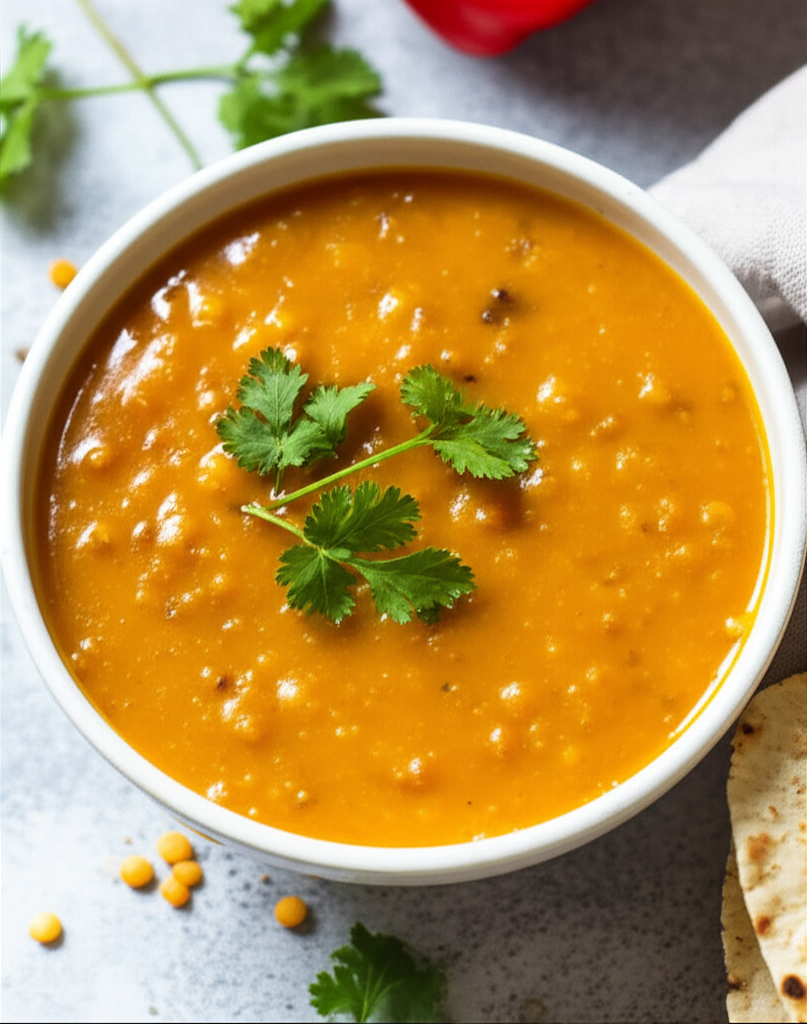
Let’s break down exactly how incorporating dal can make a real difference in your weight loss efforts. It’s not just about eating it; it’s about understanding its effects on your body and your eating habits.
1. Enhances Satiety (Feeling Full)
The combination of protein and fiber in dal is a dynamic duo for satiety. When you eat dal, these components work together to signal to your brain that you’re full and satisfied. This reduces the urge to snack between meals and helps you eat smaller portions during mealtimes. A study published in the Journal of Nutrition highlighted that legumes, like lentils, significantly increase feelings of fullness.
2. Aids in Fat Loss and Muscle Preservation
When you lose weight, it’s important to lose fat, not muscle. Protein from dal helps preserve your lean muscle mass during calorie restriction. This is crucial because muscle is metabolically active, meaning it burns calories. By maintaining muscle, you keep your metabolism humming, which is essential for long-term weight loss success.
3. Stabilizes Blood Sugar Levels
As mentioned earlier, the low glycemic index of dal means it doesn’t cause rapid blood sugar spikes. This steady release of glucose into your bloodstream prevents the “sugar roller coaster.” When your blood sugar is stable, your body is less likely to store excess energy as fat, and you’re less prone to energy dips that lead to unhealthy snacking.
4. Boosts Metabolism
While not as potent as exercise, the thermic effect of food (TEF) plays a role in metabolism. Protein has a higher TEF than carbohydrates or fats, meaning your body burns more calories digesting it. Since dal is rich in protein, it contributes a modest boost to your overall calorie expenditure.
5. Supports Gut Health
The fiber in dal acts as a prebiotic, feeding the beneficial bacteria in your gut. A healthy gut microbiome is increasingly linked to better weight management, improved metabolism, and even reduced inflammation. A happy gut can make your weight loss journey smoother.
6. Versatile and Affordable Meal Option
Weight loss doesn’t have to be expensive or boring! Dal is one of the most affordable protein sources available. Plus, it’s incredibly versatile. You can prepare it in countless ways, making it easy to fit into any meal plan and preventing dietary fatigue.
Nutritional Breakdown of Common Dals
Different types of dal offer slightly varied nutritional profiles, but all are excellent choices for weight loss. Here’s a look at some popular varieties and their benefits.
| Dal Type | Key Benefits for Weight Loss | Approximate Nutritional Value per 100g (Cooked) |
|---|---|---|
| Toor Dal (Split Pigeon Peas) | Good source of protein and fiber, helps in sustained energy release. | Calories: ~105 Protein: ~7g Fiber: ~4g |
| Masoor Dal (Red Lentils) | Cooks quickly, rich in iron and folate, excellent for satiety. | Calories: ~115 Protein: ~8g Fiber: ~5g |
| Moong Dal (Mung Beans) | Easily digestible, high in protein and fiber, good for gut health. | Calories: ~100 Protein: ~7g Fiber: ~4g |
| Chana Dal (Split Chickpeas) | Higher in fiber and protein compared to some other dals, very filling. | Calories: ~120 Protein: ~8g Fiber: ~6g |
| Urad Dal (Black Gram Lentils) | Good protein source, aids in muscle building and repair. | Calories: ~115 Protein: ~8g Fiber: ~5g |
Note: Nutritional values are approximate and can vary based on cooking methods and added ingredients.
Incorporating Dal into Your Weight Loss Diet: Practical Steps
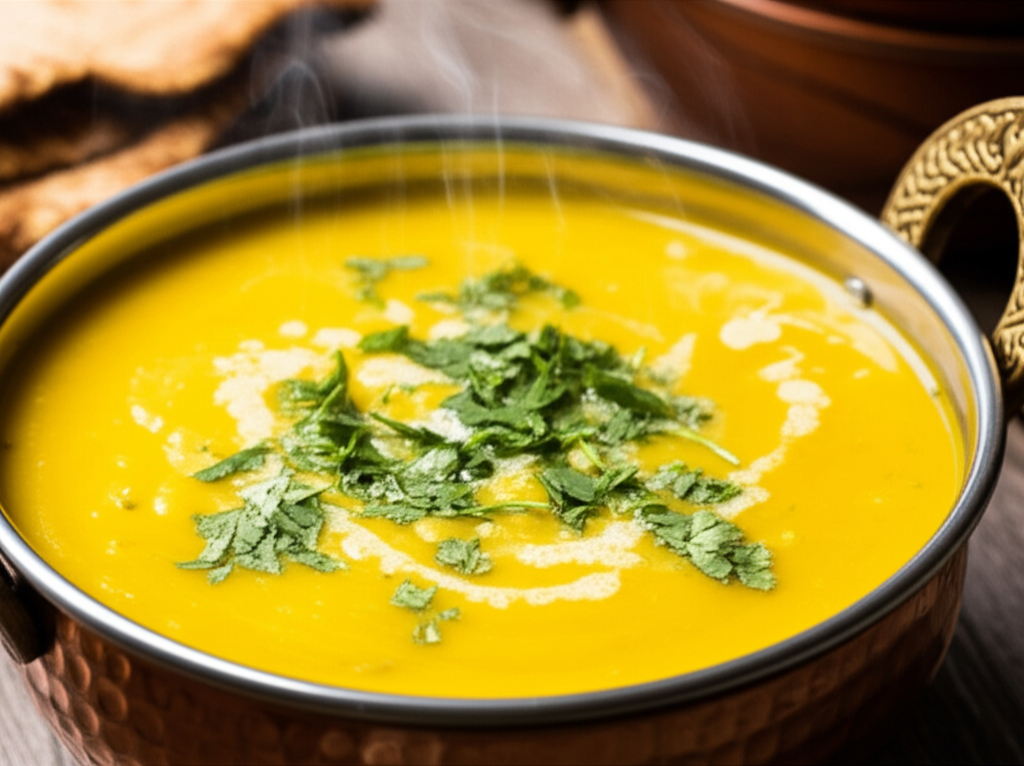
Ready to make dal a regular part of your healthy eating plan? Here’s how to do it effectively, keeping your weight loss goals in mind.
Step 1: Choose Your Dal Wisely
All dals are good, but some preparation methods are better for weight loss than others. Opt for whole or split dals rather than processed versions.
Step 2: Master Simple Cooking Techniques
The key is to cook dal with minimal added fats and unhealthy ingredients.
Boiling/Pressure Cooking: This is the healthiest method. Simply cook dal with water, salt, and a few basic spices.
Flavor Boosters: Use aromatics like onions, garlic, ginger, tomatoes, and a variety of herbs and spices (turmeric, cumin, coriander, chili) to add flavor without calories.
Healthy Fats: If you use oil for tempering (tadka/chaunk), use a small amount of healthy oil like olive oil or coconut oil and incorporate it at the end.
Step 3: Portion Control is Key
Even healthy foods need to be eaten in appropriate portions. A standard serving of cooked dal is typically about 1/2 to 1 cup. This provides a good amount of protein and fiber without overdoing the calories.
Step 4: Pair Dal with Smart Carbs and Veggies
To make dal a complete and balanced meal, pair it with:
Whole Grains: Brown rice, quinoa, or whole wheat roti (chapati) in moderation.
Plenty of Vegetables: Add a generous side of steamed, sautéed, or raw vegetables. This boosts fiber, nutrients, and volume, making your meal more satisfying.
Lean Protein (Optional): If you’re not vegetarian, you can add a small portion of lean chicken or fish alongside your dal.
Step 5: Make Dal a Meal Staple
Aim to include dal in your diet at least 3-5 times a week. It can be a main course, a side dish, or even incorporated into soups and salads.
Healthy Dal Recipes for Weight Loss
Let’s get cooking! Here are some simple, beginner-friendly recipes that highlight dal’s weight loss benefits.
1. Simple Lemon-Ginger Moong Dal Soup
This is incredibly light, easy to digest, and packed with flavor.
Ingredients:
1/2 cup moong dal, rinsed
3 cups water or vegetable broth
1/2 inch ginger, grated
1 clove garlic, minced
1/4 tsp turmeric powder
Salt to taste
Juice of 1/2 lemon
Fresh cilantro for garnish
Instructions:
1. Combine moong dal, water/broth, ginger, garlic, and turmeric in a pot.
2. Bring to a boil, then reduce heat and simmer for 20-25 minutes, or until dal is soft.
3. Mash dal slightly if you prefer a thicker soup.
4. Season with salt.
5. Stir in lemon juice just before serving. Garnish with cilantro.
2. Spiced Red Lentil (Masoor Dal) with Spinach
This is a hearty and nutrient-dense meal that’s quick to prepare.
Ingredients:
1/2 cup masoor dal, rinsed
2 cups water
1 cup fresh spinach, chopped
1/4 tsp cumin seeds
1/4 tsp mustard seeds
1 small onion, finely chopped
1 tomato, finely chopped
1/2 tsp ginger-garlic paste
1/4 tsp red chili powder (optional)
Salt to taste
1 tsp olive oil (optional, for tempering)
Instructions:
1. Cook masoor dal with water and salt until soft (about 15-20 minutes).
2. In a separate small pan, heat olive oil (if using). Add cumin seeds and mustard seeds. Let them splutter.
3. Add chopped onion and sauté until translucent.
4. Add ginger-garlic paste and chopped tomato. Cook until tomatoes soften.
5. Stir in red chili powder and chopped spinach. Cook until spinach wilts.
6. Add this tempering mixture to the cooked dal. Mix well.
7. Simmer for another 5 minutes. Serve hot.
3. Chana Dal Salad with Cucumber and Mint
A refreshing and filling salad perfect for lunch or a light dinner.
Ingredients:
1 cup cooked chana dal (boiled until tender but not mushy)
1/2 cup cucumber, finely chopped
1/4 cup red onion, finely chopped
1/4 cup fresh mint leaves, chopped
1 tbsp fresh cilantro, chopped
Dressing: Juice of 1 lemon, 1 tsp olive oil, salt, and pepper to taste.
Instructions:
1. In a bowl, combine the cooked chana dal, cucumber, red onion, mint, and cilantro.
2. In a small bowl, whisk together lemon juice, olive oil, salt, and pepper.
3. Pour the dressing over the salad and toss gently to combine.
4. Let it sit for 10 minutes for flavors to meld before serving.
Tips for Maximum Weight Loss Results with Dal
To truly leverage dal for your weight loss goals, consider these extra tips:
Prioritize Fiber: Always choose whole dals or split dals over refined versions. The more fiber, the better for satiety.
Minimize Added Fats: Be mindful of how much oil or ghee you use. A little goes a long way. Tempering with spices in water or broth is a great low-fat alternative.
Watch Your Portions of Rice/Roti: While whole grains are good, overconsumption can add excess calories. Focus on making dal and vegetables the stars of your plate.
Hydrate: Drink plenty of water throughout the day. This aids digestion, helps you feel full, and supports overall metabolism.
Combine with Exercise: Dal is a powerful dietary tool, but pairing it with regular physical activity will accelerate your results and improve your overall health.
* Listen to Your Body: Pay attention to how different dals and preparations make you feel. Some might digest better for you than others.
Common Questions About Dal and Weight Loss
Here are some common questions beginners have about using dal for weight loss:
Is dal healthy for weight loss?
Yes, dal is very healthy for weight loss! It’s rich in protein and fiber, which help you feel full, manage hunger, and boost your metabolism. It’s also packed with nutrients and is relatively low in calories.
How much dal should I eat per day for weight loss?
A good portion size for weight loss is typically around 1/2 to 1 cup of cooked dal per serving. Aim to include it in your diet several times a week as part of a balanced meal.
Can I eat dal every day for weight loss?
You can eat dal every day if you enjoy it and it fits into your overall calorie goals. Variety is still important, so pair it with different vegetables and other healthy foods.
What is the best dal for weight loss?
All dals are beneficial! Moong dal and masoor dal are often considered very easy to digest and excellent choices. Chana dal is also a great option due to its high fiber content.
Are there any side effects of eating dal?
Some people might experience gas or bloating when first introducing more fiber into their diet. Soaking dals before cooking and starting with smaller portions can help. Ensure you drink plenty of water.
How do I make dal taste good without adding many calories?
Use plenty of spices like turmeric, cumin, coriander, ginger, garlic, and chili. Fresh herbs like cilantro and mint, along with a squeeze of lemon or lime juice, add great flavor without calories.
Can dal help reduce belly fat?
While no single food can target belly fat specifically, dal’s protein and fiber content help create a calorie deficit and improve satiety, which are key to overall fat loss, including belly fat. A healthy diet and exercise are essential.
Conclusion
Embarking on a weight loss journey can sometimes feel overwhelming, but incorporating simple, whole foods like dal can make a significant difference. Dal offers a powerful combination of protein and fiber that naturally supports your goals by keeping you feeling full, stabilizing your blood sugar, and providing essential nutrients without excess calories.
By understanding its benefits and learning how to prepare it healthily, you can easily make dal a delicious and effective part of your weight loss strategy. Remember to focus on portion control, pair it with plenty of vegetables, and enjoy the incredible, sustainable results that come from nourishing your body with wholesome foods. You’ve got this!
As an Amazon Associate, We earn from qualifying purchases. When you purchase a product through Amazon links on pulsefitguide.com, we may earn a small commission at no extra cost to you. This helps support the site and keep our content free.
