


Achieve your fastest weight loss results with simple, science-backed strategies for effortless success. Focus on sustainable habits, not quick fixes, for lasting change.
Feeling like losing weight is a puzzle you just can’t solve? You’re not alone! Many of us find the world of diets and fitness confusing. It’s easy to get discouraged when results don’t appear quickly. But what if I told you that achieving your weight loss goals can feel less like a struggle and more like a natural, enjoyable journey?
As a weight loss coach, I’ve helped countless people just like you simplify the process. Forget extreme diets and punishing workouts. We’re going to focus on smart, easy-to-follow steps that fit into your real life. Ready to discover how to make weight loss feel effortless and see amazing results? Let’s dive in!
The Truth About “Fastest” Weight Loss: What Really Works
When people ask about the “fastest way to lose weight,” they often imagine a magic pill or a drastic, unsustainable plan. While it’s true that some methods lead to rapid initial weight loss, these are rarely the best for long-term success. True, sustainable weight loss is about building healthy habits that you can maintain. It’s about understanding your body and making choices that nourish it, rather than depriving it.
The fastest effective weight loss comes from a combination of smart nutrition, consistent movement, and mindful habits. It’s not about deprivation; it’s about optimization. We’ll explore how to make small, powerful changes that add up to big results, making the journey feel smoother and more rewarding.
Understanding the Basics: Energy In vs. Energy Out
At its core, weight loss is a simple equation: energy balance. Your body uses energy (calories) for everything it does, from breathing and thinking to walking and exercising. When you consume more calories than your body uses, the excess is stored as fat. When you consume fewer calories than your body uses, it starts to tap into those fat stores for energy, leading to weight loss.
This concept is known as a calorie deficit. To lose weight, you need to create a deficit where you burn more calories than you eat. The key to making this “fast” and “effortless” is to achieve this deficit through sustainable means, not by drastically cutting calories to unhealthy levels.
For a deeper dive into energy balance and metabolism, the National Institutes of Health (NIH) offers valuable, science-based information on weight management: NIDDK Weight Management Resources.
Why Extreme Diets Fail (And What to Do Instead)
You’ve probably heard of or tried diets that promise incredibly fast results, like cutting out entire food groups or eating only a few specific foods. While these might lead to a quick drop on the scale initially, they often backfire. Your body needs a variety of nutrients to function well. Restrictive diets can lead to:
- Muscle loss (instead of fat loss)
- Nutrient deficiencies
- Unpleasant side effects like fatigue, headaches, and irritability
- A rebound effect where you regain the weight (and sometimes more) once you stop the diet.
The most effective approach is to focus on nutrient-dense foods that keep you full and satisfied. This means incorporating lean proteins, plenty of vegetables and fruits, and healthy fats into your daily meals. This strategy supports your body, provides sustained energy, and makes healthy eating a pleasure, not a chore.
Effortless Weight Loss Strategy 1: Master Your Nutrition

Nutrition is the cornerstone of any successful weight loss plan. When you fuel your body with the right foods, you naturally feel more satisfied, have more energy, and make healthier choices without feeling deprived. The goal isn’t just about eating less; it’s about eating smarter.
Focus on Whole, Unprocessed Foods
Whole foods are foods in their natural state, or as close to it as possible. Think fruits, vegetables, lean meats, fish, eggs, nuts, seeds, and whole grains. These foods are packed with vitamins, minerals, and fiber, which help you feel full and provide sustained energy.
Processed foods, on the other hand, are often high in added sugars, unhealthy fats, and sodium, while being low in nutrients and fiber. They can be less filling, leading you to eat more. Making a conscious effort to choose whole foods over processed ones is a powerful step.
Prioritize Protein at Every Meal
Protein is a weight loss superpower! It’s incredibly satisfying, meaning it helps you feel full for longer after eating. This can significantly reduce cravings and overall calorie intake. Protein also requires more energy for your body to digest compared to carbohydrates and fats, a process known as the thermic effect of food.
Excellent sources of lean protein include:
- Chicken breast
- Turkey
- Fish (salmon, tuna, cod)
- Eggs
- Greek yogurt
- Beans and lentils
- Tofu
- Lean beef
Aim to include a source of protein in every meal and snack to keep your hunger at bay and support muscle health, which is crucial for metabolism.
Load Up on Fiber-Rich Vegetables and Fruits
Vegetables and fruits are low in calories but high in fiber, water, vitamins, and antioxidants. The fiber content is key – it adds bulk to your meals, promoting a feeling of fullness and aiding digestion. This means you can eat a larger volume of food without consuming a lot of calories, making it easier to stick to a calorie deficit.
Try to fill at least half of your plate with colorful vegetables at lunch and dinner. Include fruits in your breakfast, as snacks, or as a healthy dessert. Examples include berries, apples, pears, broccoli, spinach, carrots, and bell peppers.
Smart Carbohydrate Choices
Carbohydrates are your body’s primary source of energy. The key is to choose complex, whole-grain carbohydrates over refined ones. Complex carbs are digested more slowly, leading to a gradual release of sugar into your bloodstream and helping to prevent energy crashes and cravings.
Good sources of complex carbohydrates include:
- Oats
- Quinoa
- Brown rice
- Whole wheat bread and pasta
- Sweet potatoes
- Legumes (beans, lentils)
Limit refined carbohydrates like white bread, white rice, sugary cereals, and pastries, as they are quickly digested and can lead to blood sugar spikes and subsequent energy dips.
Don’t Fear Healthy Fats
Fats are essential for hormone production, nutrient absorption, and keeping you feeling satisfied. The trick is to choose healthy fats and consume them in moderation, as they are calorie-dense. Healthy fats can help slow digestion, keeping you full and reducing the urge to snack.
Incorporate these healthy fat sources:
- Avocados
- Nuts and seeds (almonds, walnuts, chia seeds, flaxseeds)
- Olive oil
- Fatty fish (salmon, mackerel)
Avoid trans fats and limit saturated fats found in processed foods, fried items, and fatty cuts of meat.
Hydration: Your Secret Weight Loss Ally
Drinking enough water is surprisingly important for weight loss. Water can help boost your metabolism, suppress your appetite, and is essential for all bodily functions. Sometimes, feelings of hunger are actually just thirst.
Aim to drink plenty of water throughout the day. A good starting point is about 8 glasses (64 ounces) per day, but this can vary based on your activity level and climate. Water is calorie-free and essential for your body’s processes.
Tip: Keep a reusable water bottle with you at all times. You can also add a slice of lemon, lime, or cucumber for flavor.
Effortless Weight Loss Strategy 2: Move Your Body Smarter
While nutrition is paramount, regular physical activity plays a vital role in weight loss and overall health. Exercise helps burn calories, builds muscle (which boosts your metabolism), improves mood, and enhances your overall well-being. The “effortless” part comes from finding activities you enjoy and integrating them consistently.
Find Activities You Genuinely Enjoy
The key to consistent exercise is enjoyment. If you dread your workouts, you’re unlikely to stick with them. Think about what kind of movement makes you happy. Do you love dancing? Hiking? Swimming? Playing a sport?
Experiment with different activities until you find something that feels more like fun than a chore. This could be:
- Dancing to your favorite music at home
- Going for brisk walks in a park
- Joining a local sports league
- Practicing yoga or Pilates
- Cycling
- Gardening
The more you enjoy it, the more likely you are to do it regularly.
Incorporate Strength Training
Strength training is crucial for weight loss, even if your primary goal isn’t to build huge muscles. Building muscle mass increases your resting metabolic rate, meaning your body burns more calories even when you’re not exercising. This is a game-changer for long-term weight management.
You don’t need a gym membership to start. You can use:
- Your own bodyweight (squats, push-ups, lunges, planks)
- Resistance bands
- Dumbbells or kettlebells (can be a modest initial investment)
Aim for 2-3 strength training sessions per week, focusing on all major muscle groups. Resources like the American Council on Exercise (ACE) provide excellent guides for beginner-friendly strength training exercises: ACE Bodyweight Exercises for Beginners.
Embrace Cardiovascular Exercise
Cardio, or aerobic exercise, is excellent for burning calories and improving heart health. It raises your heart rate and breathing, getting your cardiovascular system working. The intensity and duration can be adjusted to suit your fitness level.
Examples of cardio include:
- Brisk walking
- Jogging or running
- Cycling
- Swimming
- Dancing
- Using an elliptical machine or treadmill
Aim for at least 150 minutes of moderate-intensity cardio per week, or 75 minutes of vigorous-intensity cardio, spread throughout the week.
Make Movement a Daily Habit
Beyond dedicated workouts, look for opportunities to move more throughout your day. This is often referred to as NEAT (Non-Exercise Activity Thermogenesis) – the calories you burn from everyday activities outside of sleeping, eating, and planned exercise. Increasing your NEAT can significantly contribute to your daily calorie expenditure.
Simple ways to increase daily movement:
- Take the stairs instead of the elevator.
- Park further away from your destination.
- Get up and walk around for a few minutes every hour.
- Do chores like vacuuming or gardening with more energy.
- Play actively with children or pets.
- Stand while talking on the phone.
These small bursts of activity add up and make your weight loss journey feel more integrated into your life.
Effortless Weight Loss Strategy 3: Mindset and Habits
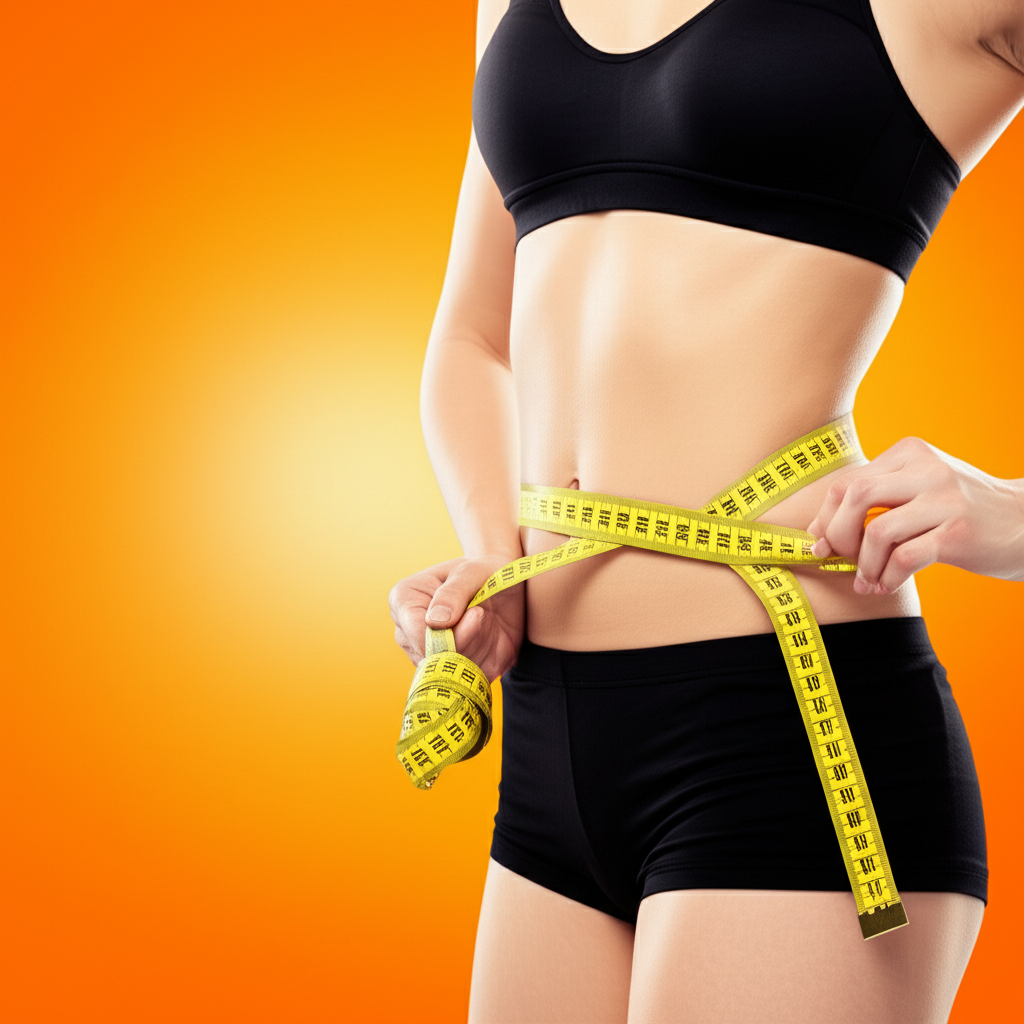
The fastest and most sustainable weight loss is deeply connected to your mindset and the habits you cultivate. It’s not just about what you eat or how much you move, but why you do it and how you approach challenges.
Set Realistic Goals
The desire for fast results is understandable, but setting unrealistic goals can lead to disappointment. A healthy and sustainable rate of weight loss is typically 1-2 pounds per week. This pace allows your body to adapt and ensures you’re losing fat, not just water or muscle.
Break down your larger goals into smaller, achievable steps. For example, instead of “lose 30 pounds,” aim for “lose 5 pounds this month” or “incorporate a vegetable into every lunch this week.” Celebrating these small wins builds momentum and motivation.
Practice Mindful Eating
Mindful eating means paying full attention to the experience of eating and drinking, as well as to your body’s signals of hunger and fullness. This helps you develop a healthier relationship with food and recognize when you’re truly hungry versus eating out of habit, stress, or boredom.
Try these mindful eating techniques:
- Eat slowly and savor each bite.
- Eliminate distractions like TV or phone during meals.
- Notice the textures, smells, and tastes of your food.
- Pay attention to your body’s cues – stop eating when you feel comfortably full, not stuffed.
- Ask yourself if you are truly hungry before reaching for a snack.
This practice can help prevent overeating and improve digestion.
Prioritize Sleep
Sleep is a critical, yet often overlooked, component of weight loss. Lack of sleep can disrupt hormones that regulate appetite, leading to increased hunger and cravings, particularly for high-calorie, unhealthy foods. It can also affect your energy levels, making you less likely to exercise.
Aim for 7-9 hours of quality sleep per night. Establish a regular sleep schedule, create a relaxing bedtime routine, and make your bedroom a conducive environment for sleep.
Manage Stress Effectively
Chronic stress can lead to weight gain, particularly around the abdomen. Stress triggers the release of cortisol, a hormone that can increase appetite and promote fat storage. Finding healthy ways to manage stress is essential for both your mental and physical health.
Effective stress management techniques include:
- Deep breathing exercises
- Meditation or mindfulness
- Yoga
- Spending time in nature
- Engaging in hobbies
- Talking to a friend, family member, or therapist
Finding what works for you can significantly impact your weight loss journey.
Track Your Progress (But Don’t Obsess)
Monitoring your progress can be a powerful motivator. This can involve tracking your weight, measurements, how your clothes fit, your energy levels, or even how many days you’ve hit your exercise goals. However, it’s important not to become fixated on the numbers, especially daily fluctuations.
A simple food journal can also be incredibly insightful. It helps you become more aware of your eating patterns, identify trigger foods, and ensure you’re meeting your nutritional needs. There are many apps available to make this easier, or you can use a simple notebook.
The U.S. Department of Health & Human Services provides great advice on setting healthy weight goals: Setting Healthy Weight Goals.
Sample Weekly Meal Plan Framework
Here’s a sample framework to illustrate how you can put these principles into practice. This is a template, and you should adjust it based on your preferences, dietary needs, and cultural background. The key is variety, balance, and prioritizing whole foods.
| Meal | Monday | Tuesday | Wednesday | Thursday | Friday | Saturday | Sunday |
|---|---|---|---|---|---|---|---|
| Breakfast | Oatmeal with berries and almonds | Scrambled eggs with spinach and whole-wheat toast | Greek yogurt with granola and fruit | Smoothie (spinach, banana, protein powder, almond milk) | Whole-wheat pancakes with fruit | Oatmeal with berries and almonds | Scrambled eggs with avocado and salsa |
| Lunch | Large salad with grilled chicken, mixed greens, veggies, and olive oil vinaigrette | Lentil soup with a side of whole-grain bread | Tuna salad (made with Greek yogurt) on whole-wheat crackers with veggie sticks | Quinoa bowl with black beans, corn, salsa, and avocado | Leftover chicken stir-fry with brown rice | Large salad with grilled salmon, mixed greens, and lemon dressing | Turkey and vegetable wrap on a whole-wheat tortilla |
| Dinner | Baked salmon with roasted broccoli and sweet potato | Lean turkey chili with kidney beans | Chicken stir-fry with mixed vegetables and brown rice | Lentil shepherd’s pie with a side salad | Baked cod with steamed asparagus and quinoa | Lean beef and vegetable skewers with a side of mixed greens | Roasted chicken breast with roasted root vegetables (carrots, parsnips) |
| Snacks (Optional) | Apple slices with peanut butter | Handful of almonds | Carrot sticks with hummus | Hard-boiled egg | Greek yogurt | Berries | Orange |
Tips for Success with Your Meal Plan
- Prep Ahead: Spend some time on the weekend washing and chopping vegetables, cooking grains, or portioning out snacks. This makes weekday meal preparation much faster.
- Stay Hydrated: Drink water throughout the day.
- Listen to Your Body: Adjust portion sizes based on your hunger and fullness cues.
- Be Flexible: If you have a social event or a craving, don’t view it as a failure. Enjoy it mindfully and get back on track with your next meal.
Frequently Asked Questions (FAQ)
What is the fastest healthy way to lose weight?
The fastest healthy way to lose weight involves creating a moderate calorie deficit through a balanced diet rich in whole foods and regular physical activity. Aiming for 1-2 pounds of weight loss per week is sustainable and promotes fat loss rather than muscle loss. Focus on consistency with nutritious eating and enjoyable movement.
Can I lose weight without giving up my favorite foods?
Absolutely! The key is moderation and balance. Instead of complete elimination, focus on enjoying your favorite foods in smaller
As an Amazon Associate, We earn from qualifying purchases. When you purchase a product through Amazon links on pulsefitguide.com, we may earn a small commission at no extra cost to you. This helps support the site and keep our content free.
