


The best time to eat for weight loss isn’t a strict clock, but rather a balanced approach focusing on consistency, listening to your body, and aligning meals with your lifestyle and natural rhythms. Eating consistently and mindfully, especially when it comes to your evening meals, can support your weight loss goals more effectively than rigid timing rules.
Feeling confused about when to eat for weight loss? You’re not alone! Many of us have heard conflicting advice, making it hard to know what’s right. Should you skip breakfast? Eat dinner super early? It can feel like a puzzle with missing pieces.
But here’s the good news: it doesn’t have to be complicated. The science behind weight loss and meal timing is more about creating healthy habits that fit your life, rather than following a rigid schedule. We’ll break down what really matters, making it simple and achievable for you.
Let’s explore how timing your meals can actually help you reach your weight loss goals, without the stress!
Understanding the Connection: Meal Timing and Weight Loss
Why does when you eat matter for weight loss? It’s all about how your body uses energy and responds to food throughout the day. Our bodies have internal clocks, called circadian rhythms, that influence everything from sleep to digestion and metabolism.
When we eat in sync with these rhythms, our bodies are generally better at processing food and managing energy. Eating late at night, for example, might mean your body is less efficient at burning calories because it’s preparing for rest. This can sometimes lead to storing more of that energy as fat.
Think of it like this: your body is more like a daytime worker. It’s best equipped to handle fuel and get things done during daylight hours. As evening approaches, it starts to wind down, and so should our eating.
The Importance of Consistency
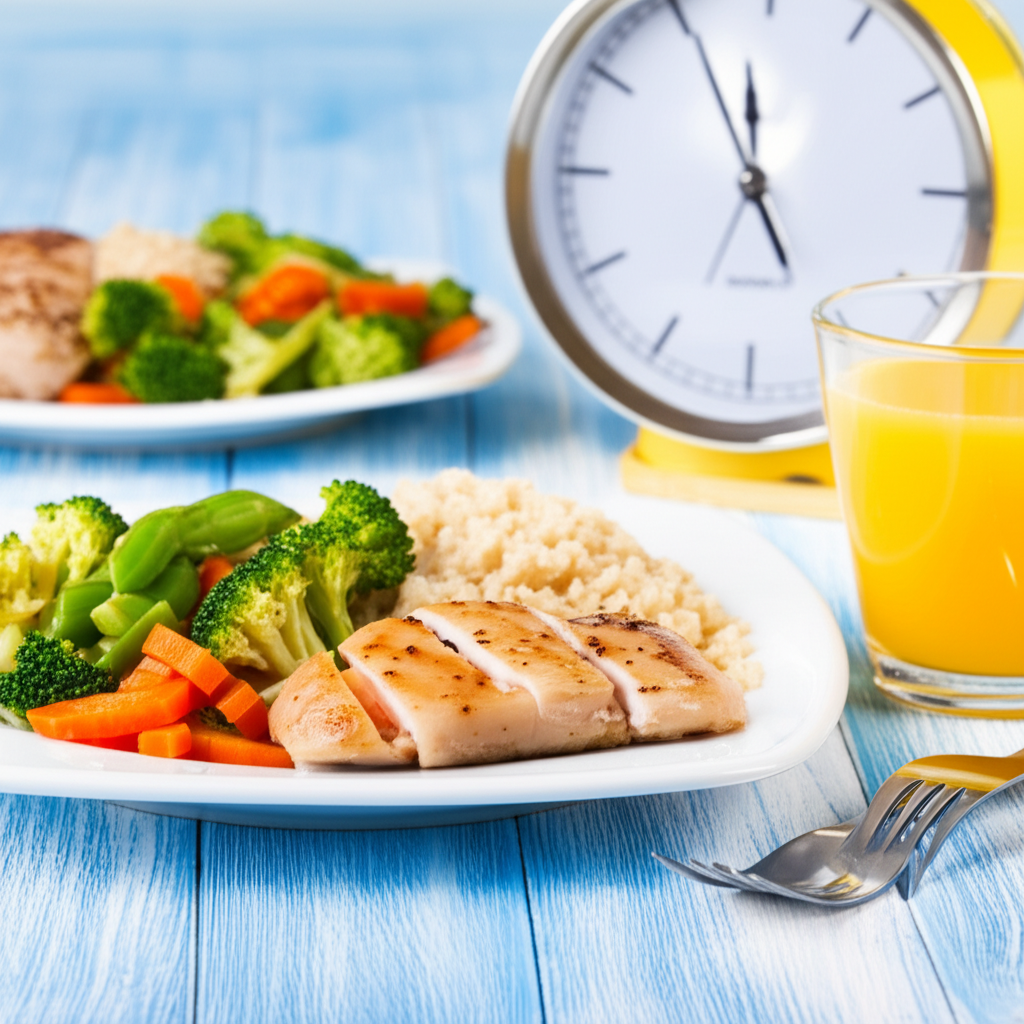
One of the biggest factors in successful weight loss isn’t just what you eat, but when you eat it consistently. When you eat meals at roughly the same times each day, you help regulate your body’s hunger hormones (like ghrelin and leptin) and your metabolism.
This consistency can prevent those extreme hunger pangs that lead to overeating or reaching for less healthy options. It also helps your digestive system work more efficiently. Imagine your body having a predictable schedule for needing and processing food – it’s a recipe for smoother digestion and better energy levels.
A consistent eating pattern can also help manage blood sugar levels, preventing the sharp spikes and crashes that can leave you feeling tired and craving sweets. This steady energy flow is crucial for maintaining a healthy metabolism and supporting your weight loss journey.
Key Principles for Meal Timing in Weight Loss
While there’s no single “magic” time for everyone, some general principles can guide you. These are science-backed strategies that focus on working with your body, not against it.
The goal is to create a sustainable eating pattern that supports your energy needs, aids digestion, and helps you manage hunger effectively. Let’s look at the core ideas:
- Align with your natural wake-sleep cycle: Your body is generally more efficient at digesting and processing food during your active, waking hours.
- Prioritize breakfast: Starting your day with a balanced meal can kickstart your metabolism and set a positive tone for your eating habits.
- Mindful evening eating: Pay attention to your last meal or snack of the day, aiming to finish eating a few hours before bed.
- Listen to your hunger cues: While consistency is key, it’s also important to eat when you’re genuinely hungry and stop when you’re comfortably full.
When Should You Eat Breakfast for Weight Loss?
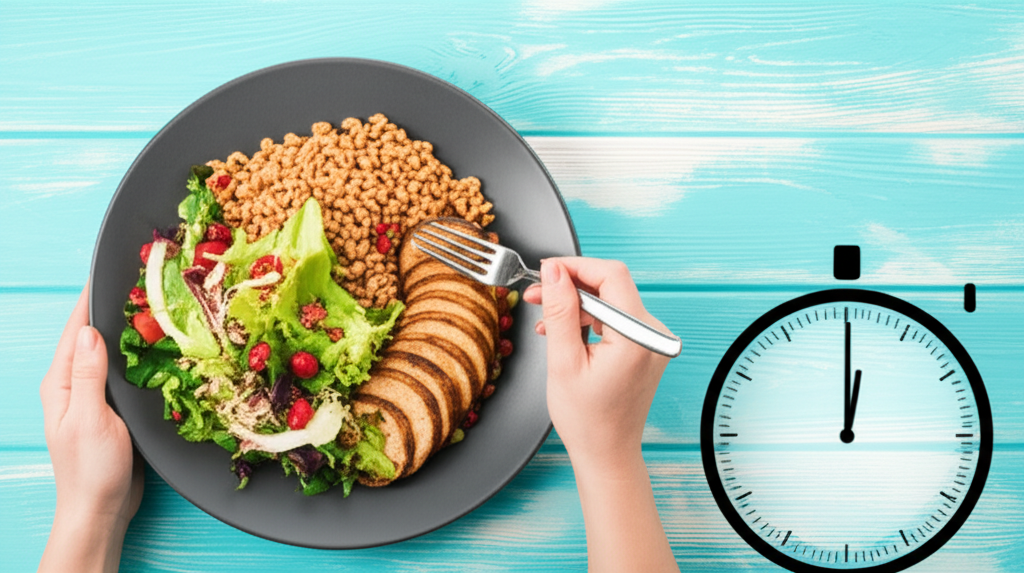
Breakfast is often called the most important meal of the day, and for weight loss, it can be a powerful ally. Eating breakfast within a couple of hours of waking up can help:
- Boost Metabolism: It signals to your body that the day has begun, prompting it to start burning calories.
- Control Hunger: A protein and fiber-rich breakfast can keep you feeling full longer, reducing the urge to snack unhealthily mid-morning.
- Improve Focus: Stable blood sugar from a good breakfast can enhance concentration and energy levels throughout the day.
Research from institutions like Harvard T.H. Chan School of Public Health suggests that breakfast eaters tend to have healthier diets overall. The key is to choose a balanced meal. Think whole grains, lean protein, and healthy fats.
Examples of healthy breakfasts:
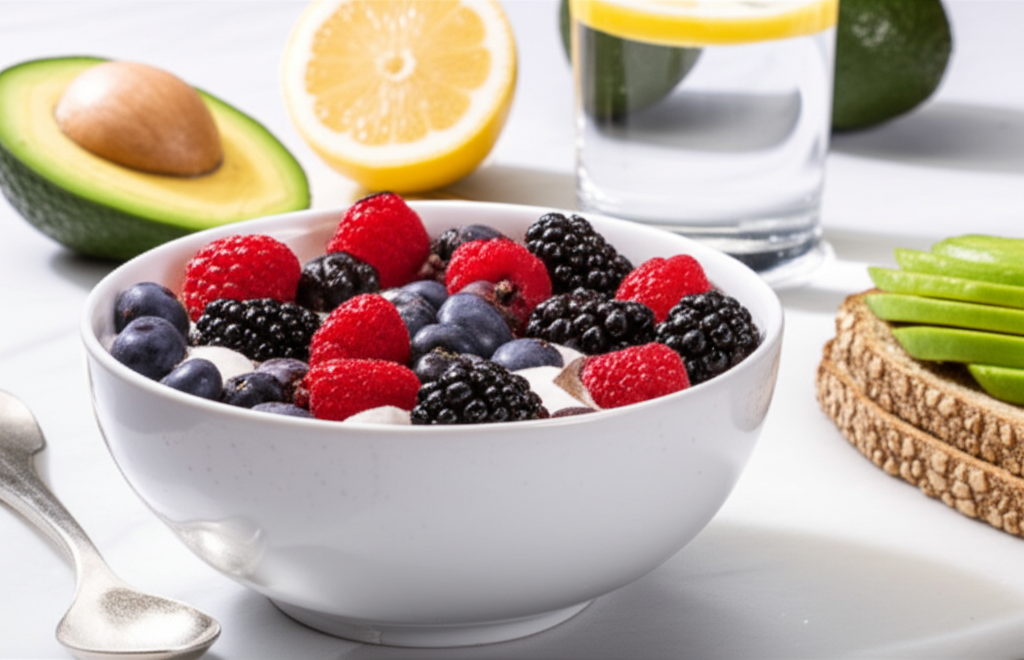
- Oatmeal with berries and nuts
- Scrambled eggs with spinach and whole-wheat toast
- Greek yogurt with fruit and chia seeds
Aim to eat breakfast within 1-2 hours of waking up. This allows your body to break its overnight fast and start using energy effectively.
The Role of Lunch in Your Weight Loss Plan
Lunch is your mid-day refueling station. It should provide sustained energy to keep you going through the afternoon without causing a post-meal slump.
Eating a balanced lunch can prevent overeating later in the day. When you skip or skimp on lunch, you might find yourself ravenous by dinner, leading to poor food choices and larger portions. A good lunch typically includes lean protein, complex carbohydrates, and plenty of vegetables.
Benefits of a timely and balanced lunch:
- Sustained Energy: Prevents the afternoon energy dip.
- Hunger Management: Helps regulate appetite for dinner.
- Nutrient Intake: Provides essential vitamins and minerals.
A common time for lunch is between 12 PM and 2 PM. This timing fits well with most work or school schedules and allows a good gap after breakfast. Focus on meals that combine protein (like chicken, fish, beans, or tofu), whole grains (like quinoa or brown rice), and a generous serving of colorful vegetables.
Navigating Dinner Timing for Weight Loss
Dinner timing is where many people get confused. The general advice for weight loss is to eat your last substantial meal a few hours before you go to sleep. Why? Your body’s metabolism tends to slow down in the evening as it prepares for rest.
Eating a large meal right before bed can mean that the calories you consume are more likely to be stored as fat, as your body isn’t actively using that energy. It can also interfere with sleep quality, which is also crucial for weight management.
The National Institutes of Health (NIH) has published research indicating that late-night eating patterns can be associated with weight gain and metabolic issues. While the exact timing can vary, finishing your last meal 2-3 hours before bed is a widely recommended guideline.
Consider these points for dinner:
- Finish by 7-8 PM: For most people, this means finishing dinner by 7 or 8 PM, allowing time for digestion before sleep.
- Lighter Meals: Opt for a lighter, balanced meal in the evening compared to lunch.
- Avoid Late-Night Snacking: If you are truly hungry after dinner, choose a light, healthy snack like a small handful of nuts or a piece of fruit.
Snacking Wisely: Timing and Choices
Snacking isn’t inherently bad for weight loss. It can be a useful tool to manage hunger between meals and prevent overeating at main meal times. The key is what you snack on and when you choose to snack.
If you find yourself getting overly hungry between meals, a healthy snack can be beneficial. However, mindless snacking – eating out of boredom, stress, or habit – can easily add extra calories without providing much nutritional value.
Smart snacking strategies:
- Listen to your body: Snack only when you feel genuinely hungry, not just because it’s a certain time or you see food.
- Choose nutrient-dense options: Opt for snacks that combine protein and fiber, like fruits with nut butter, vegetables with hummus, or a small Greek yogurt.
- Control portions: Be mindful of how much you’re eating. Pre-portioning snacks can help.
- Avoid late-night snacking: As mentioned, try to avoid snacking close to bedtime to allow your digestive system to rest.
A good time for a snack might be mid-morning if your breakfast was early, or mid-afternoon if lunch was early and you won’t be eating dinner for a while. The goal is to bridge the gaps without adding excessive calories.
The Concept of Time-Restricted Eating (Intermittent Fasting)
You might have heard of intermittent fasting (IF). This is less about what you eat and more about when you eat it, by cycling between periods of eating and voluntary fasting. Time-restricted eating (TRE) is a popular form of IF.
With TRE, you choose an eating window during the day and fast for the remaining hours. For example, a common TRE pattern is the 16:8 method, where you fast for 16 hours and have an 8-hour eating window. Many people find this means eating from noon to 8 PM, or 10 AM to 6 PM.
Potential benefits of TRE for weight loss:
- Reduced Calorie Intake: A shorter eating window can naturally lead to consuming fewer calories.
- Improved Insulin Sensitivity: Some studies suggest IF can improve how your body uses insulin, which is beneficial for weight management.
- Metabolic Flexibility: It may encourage your body to become more efficient at burning stored fat for energy.
It’s important to note that TRE isn’t for everyone, and it’s crucial to consult with a healthcare provider before starting, especially if you have underlying health conditions. The Mayo Clinic provides a good overview of the different approaches and considerations for intermittent fasting.
If you choose to try TRE, focus on nutrient-dense foods during your eating window to ensure you’re getting all the necessary vitamins and minerals. The timing of your eating window can be flexible to fit your lifestyle, but aligning it with your natural waking hours is often most effective.
Individualizing Your Meal Timing
While science provides guidelines, the “best” time to eat is ultimately what works for you. Your lifestyle, work schedule, social life, and personal preferences all play a role. The goal is to create a pattern that you can stick to long-term.
Factors to consider when personalizing your schedule:
- Your Work/School Schedule: When do you have time for meals?
- Your Sleep Schedule: When do you naturally feel tired?
- Your Activity Levels: When do you exercise? It’s often beneficial to fuel before and refuel after workouts.
- Your Hunger Patterns: When do you genuinely feel hungry?
Don’t be afraid to experiment a little. Try shifting your meal times by an hour or two and see how you feel. Do you have more energy? Are you less hungry between meals? This kind of self-experimentation can lead to discovering your optimal eating rhythm.
For example, if you’re an early riser and a night owl, a 10 AM to 6 PM eating window might work better than noon to 8 PM. If you work a night shift, your “daytime” and “nighttime” are reversed, and your meal timing should reflect that.
Putting It All Together: A Sample Healthy Eating Schedule
To make this more concrete, here’s a sample schedule that incorporates the principles we’ve discussed. Remember, this is a template; feel free to adjust it to fit your life!
| Time | Meal/Snack | Focus |
|---|---|---|
| 7:00 AM – 8:00 AM | Breakfast | Balanced meal with protein, fiber, and healthy fats (e.g., oatmeal with fruit and nuts, eggs with veggies). |
| 10:00 AM – 11:00 AM | Optional Snack | If genuinely hungry, a small, nutrient-dense option (e.g., apple with a spoonful of almond butter, a small Greek yogurt). |
| 12:30 PM – 1:30 PM | Lunch | Substantial, balanced meal with lean protein, complex carbs, and plenty of vegetables (e.g., grilled chicken salad with quinoa, lentil soup with whole-grain bread). |
| 3:30 PM – 4:30 PM | Optional Snack | If needed to prevent overeating at dinner (e.g., a handful of almonds, a hard-boiled egg, a piece of fruit). |
| 6:30 PM – 7:30 PM | Dinner | Lighter, balanced meal, ideally finished 2-3 hours before bed. Focus on lean protein and vegetables. (e.g., baked salmon with roasted broccoli, stir-fried tofu with mixed vegetables). |
| 8:00 PM onwards | No Meals/Snacks | Allow digestive rest before sleep. Hydrate with water or herbal tea. |
This schedule emphasizes consistent meal times, a focus on nutrient-dense foods, and an early dinner. It also includes optional snacks to manage hunger, but only if needed.
FAQs About Meal Timing for Weight Loss
Q1: Do I have to eat breakfast to lose weight?
Not necessarily. While breakfast can be beneficial for kickstarting metabolism and managing hunger, the most important factor is your overall daily calorie intake and the quality of your food. If you genuinely don’t feel hungry in the morning or prefer to eat later, that’s okay, as long as you’re meeting your nutritional needs and managing your hunger effectively throughout the day.
Q2: Is it bad to eat late at night?
Eating very close to bedtime can disrupt digestion and sleep, and the calories consumed might be more readily stored as fat since your body is preparing for rest. It’s generally recommended to finish your last meal 2-3 hours before you plan to go to sleep. However, listen to your body; a small, healthy snack might be better than going to bed overly hungry.
Q3: Can eating at specific times help me lose weight faster?
Focusing on consistent meal timing can support weight loss by regulating hormones and metabolism. However, the speed of weight loss is primarily determined by a calorie deficit (burning more calories than you consume) over time, combined with a balanced diet and regular physical activity. Meal timing is a supportive strategy, not a magic bullet for rapid weight loss.
Q4: What if my schedule is irregular (e.g., shift work)?
If you have an irregular schedule, focus on consistency within your available waking hours. Try to eat your meals at similar times each “day” or “shift.” Listen to your body’s hunger cues and aim for balanced meals. Time-restricted eating might also be adapted by setting an eating window that fits your work schedule, but it’s wise to discuss this with a healthcare professional.
Q5: Should I eat before or after exercise?
For most people, eating a light, balanced meal or snack containing carbohydrates and a little protein 1-3 hours before exercise can provide energy. If you exercise first thing in the morning and prefer to eat after, that’s also fine, as long as you refuel with a nutritious meal within a couple of hours to aid recovery. Experiment to see what feels best for your performance and digestion.
Q6: How important is meal prep for timing?
Meal prepping can be incredibly helpful for sticking to a meal timing schedule. When you have healthy meals and snacks ready to go, it’s much easier to eat at your planned times and avoid impulsive, unhealthy choices when you’re busy or hungry. It takes the guesswork out of “what to eat” and “when to eat it.”
Conclusion
Navigating the best time to eat for weight loss doesn’t require a stopwatch or strict adherence to rigid rules. Instead, it’s about building a mindful, consistent eating pattern that aligns with your body’s natural rhythms and your unique lifestyle.
By focusing on starting your day with a balanced breakfast, refueling with a substantial lunch, and keeping your evening meals lighter and earlier, you can significantly support your metabolism and hunger management. Remember to listen to your body’s cues and allow for flexibility. Whether you explore time-restricted eating or simply aim for consistent meal times, the ultimate goal is to create sustainable habits that empower you on your weight loss journey.
Embrace these principles, experiment to find what works best for you, and celebrate the progress you make! Your body will thank you for it.
As an Amazon Associate, We earn from qualifying purchases. When you purchase a product through Amazon links on pulsefitguide.com, we may earn a small commission at no extra cost to you. This helps support the site and keep our content free.
