


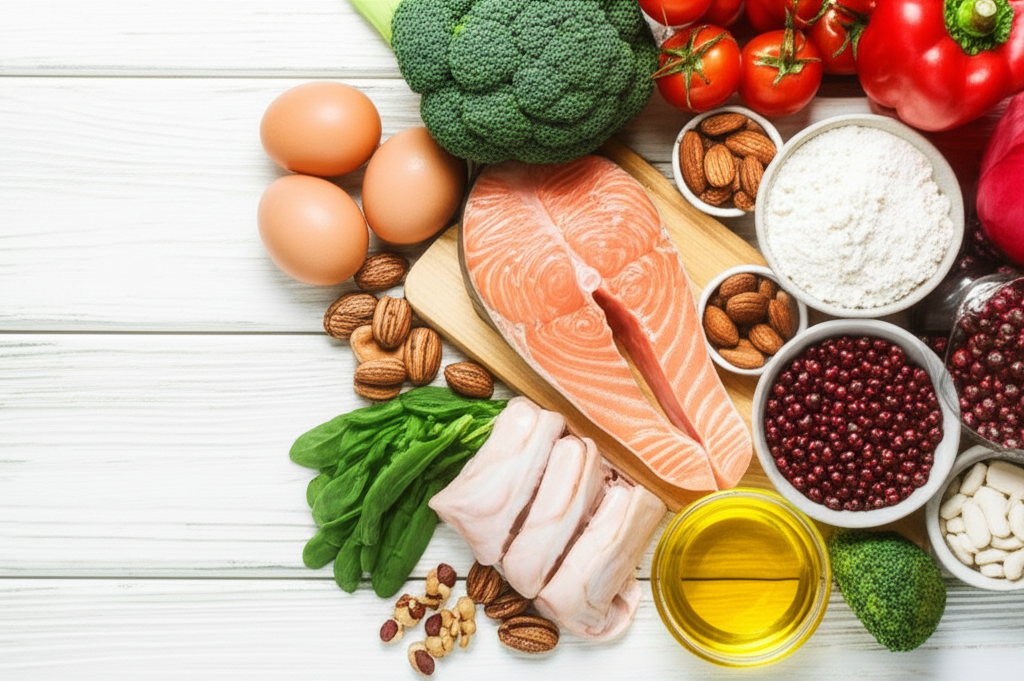
To lose weight, aim for about 0.7 to 1 gram of protein per pound of your target body weight daily. This helps you feel full, preserve muscle, and boost metabolism, making weight loss more effective and sustainable.
Feeling confused about weight loss is totally normal! It can feel like there’s a lot of information out there, and not all of it makes sense. One question that pops up a lot is about protein. How much do you actually need when you’re trying to shed a few pounds? It might seem complicated, but we’re going to break it down simply. By understanding your protein needs, you can make smarter food choices that help you reach your goals without feeling deprived. Ready to get clear on protein and weight loss? Let’s dive in!
Why Protein is Your Weight Loss Buddy
When you’re trying to lose weight, you might think about cutting calories, and that’s part of it. But what you eat matters just as much as how much. Protein plays a superhero role in your weight loss journey. It’s not just for building muscles; it helps you feel full longer, keeps your metabolism humming, and makes sure you lose fat, not precious muscle.
The Power of Feeling Full (Satiety)
Ever eaten a meal and felt satisfied for hours? That’s often thanks to protein. Compared to carbs and fats, protein takes longer to digest. This means it stays in your stomach longer, sending signals to your brain that say, “Hey, I’m full!” This can help you avoid those tempting mid-afternoon snacks or late-night cravings that can derail your progress.
Muscle Preservation: Your Metabolism’s Engine
When you lose weight, especially if you’re not eating enough or exercising, your body might break down muscle for energy. This is the opposite of what we want! Muscle tissue is metabolically active, meaning it burns calories even when you’re resting. By eating enough protein, you give your body the building blocks it needs to keep your muscles strong and your metabolism working efficiently. This helps ensure the weight you lose is primarily fat.
The Thermic Effect of Food (TEF)
Did you know that your body actually burns calories to digest food? This is called the thermic effect of food (TEF). Protein has the highest TEF among the macronutrients (protein, carbs, and fats). This means your body works harder, and burns more calories, digesting protein than it does digesting carbs or fats. While it’s not a magic bullet, this small calorie burn adds up over time and gives protein another edge in weight loss.
How Much Protein Do You Really Need?
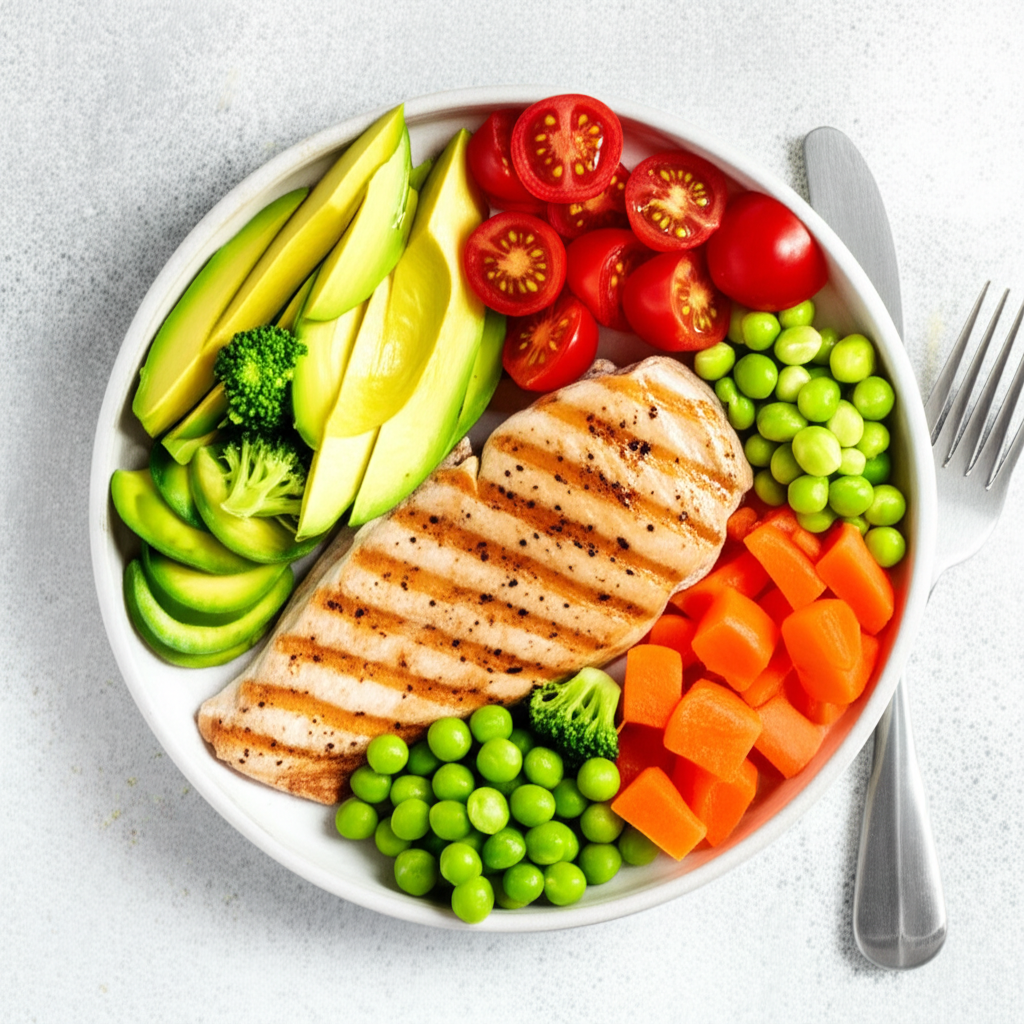
This is the million-dollar question! The amount of protein you need can depend on a few things, like your activity level, age, and overall health. However, for most people looking to lose weight, a good starting point is often higher than the general recommendation.
General vs. Weight Loss Protein Needs
The Recommended Dietary Allowance (RDA) for protein is about 0.8 grams per kilogram of body weight per day for the average adult. This is the minimum to prevent deficiency. But when your goal is weight loss, especially fat loss while preserving muscle, you’ll likely benefit from more.
Many studies and experts suggest that for weight loss, aiming for a higher protein intake can be more beneficial.
A common and effective range for weight loss is:
- 0.7 to 1 gram of protein per pound of your target body weight.
For example, if your target weight is 150 pounds, you’d aim for roughly 105 to 150 grams of protein per day.
Calculating Your Protein Goal
Let’s make this super simple.
- Determine Your Target Body Weight: What weight do you want to reach? Be realistic and healthy with this goal.
- Multiply by Your Protein Factor: Take your target weight (in pounds) and multiply it by a number between 0.7 and 1.0.
Example:
- Target Weight: 130 lbs
- Lower end: 130 lbs 0.7 = 91 grams of protein per day
- Higher end: 130 lbs 1.0 = 130 grams of protein per day
So, for this person, aiming for 91-130 grams of protein daily would be a great goal for weight loss.
What About Body Fat Percentage?
If you have a higher body fat percentage, some experts suggest using your lean body mass (total weight minus fat weight) to calculate protein needs. However, for simplicity and beginner-friendliness, using your target body weight is usually a great starting point. As you progress and learn more, you can refine this!
Factors Influencing Your Protein Needs
While the 0.7-1.0g/lb target is a fantastic guideline, a few things can nudge your personal needs up or down slightly.
Activity Level
If you’re hitting the gym regularly, doing cardio, or engaging in strength training, your protein needs might be on the higher end of the range, or even slightly above. Exercise, especially strength training, breaks down muscle tissue, and protein is essential for repairing and rebuilding it stronger.
Age
As we age, our bodies may become less efficient at using protein to build and maintain muscle. Older adults, especially those trying to lose weight, may benefit from a slightly higher protein intake to combat age-related muscle loss (sarcopenia).
Overall Health and Medical Conditions
Certain medical conditions, like kidney disease, can affect protein recommendations. If you have any health concerns, it’s always best to chat with your doctor or a registered dietitian before making significant changes to your diet. They can provide personalized advice. You can find more information on protein and health from the USDA National Agricultural Library.
Best Protein Sources for Weight Loss
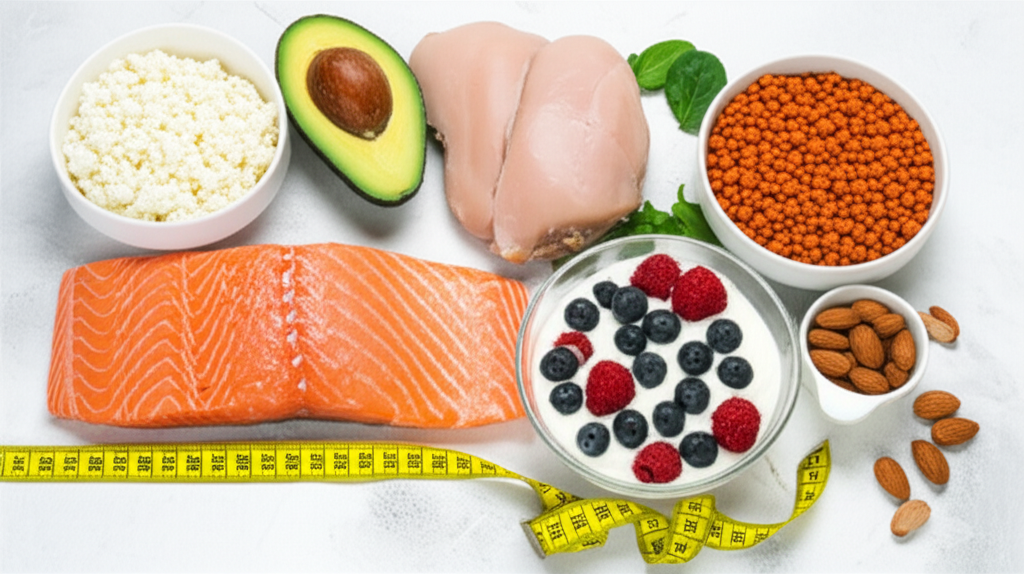
Now that you know how much protein to aim for, let’s talk about where to get it! Focusing on lean, whole-food protein sources is key for weight loss because they often come packed with other beneficial nutrients and are lower in unhealthy fats and calories.
Lean Animal Proteins
These are excellent sources of complete protein, meaning they contain all nine essential amino acids your body needs.
- Chicken Breast and Turkey Breast: Skinless is best for reducing fat.
- Fish: Salmon, tuna, cod, tilapia. Fatty fish like salmon also provide healthy omega-3 fats.
- Lean Beef: Cuts like sirloin, round, or flank steak.
- Pork Tenderloin: A leaner cut of pork.
- Eggs: A complete protein powerhouse, versatile and affordable.
- Greek Yogurt: Higher in protein than regular yogurt, and creamy!
- Cottage Cheese: Another dairy option that’s a protein star.
Plant-Based Protein Sources
Don’t forget the amazing plant-based options! They are often rich in fiber, which is also great for weight loss and satiety.
- Legumes: Lentils, beans (black beans, kidney beans, chickpeas), and peas.
- Tofu and Tempeh: Made from soybeans, they are versatile and absorb flavors well.
- Edamame: Young soybeans, great as a snack or addition to meals.
- Nuts and Seeds: Almonds, walnuts, chia seeds, flaxseeds, pumpkin seeds. (Note: these are also higher in calories, so portion control is important).
- Quinoa: A complete protein grain.
- Seitan: Made from wheat gluten, it’s a high-protein option for vegetarians.
Protein Powders: A Convenient Option?
Protein powders (like whey, casein, soy, or plant-based blends) can be a helpful tool, especially if you struggle to meet your protein goals through food alone. They are quick, convenient, and easy to incorporate into smoothies or shakes.
- Pros: Convenient, quick to consume, helps meet high protein targets.
- Cons: Can be expensive, may contain added sugars or artificial ingredients, not a whole food.
If you choose to use protein powder, look for options with minimal added sugars and a good ingredient list. Always remember that whole foods should be your primary source of protein.
Creating a High-Protein Meal Plan for Weight Loss
Putting it all together can seem like a puzzle, but it’s more about simple adjustments than a complete overhaul. The goal is to distribute your protein intake throughout the day to maximize its benefits.
Distributing Protein Throughout the Day
Instead of loading up on protein in one meal, aim to include a good source of protein in every meal and snack. This helps keep you feeling satisfied and can prevent overeating later in the day.
Sample Daily Protein Distribution:
Let’s say your goal is 120 grams of protein per day.
- Breakfast: 25-30 grams (e.g., 2-3 eggs with spinach, or Greek yogurt with berries and nuts)
- Lunch: 30-40 grams (e.g., Grilled chicken salad, or lentil soup with a side of cottage cheese)
- Dinner: 35-45 grams (e.g., Baked salmon with roasted vegetables, or tofu stir-fry with brown rice)
- Snacks: 15-20 grams total (e.g., A handful of almonds, a protein shake, or a hard-boiled egg)
This distribution ensures a steady supply of protein, which can help manage hunger and support your metabolism.
Meal Ideas to Boost Your Protein Intake
Here are some easy meal ideas to help you hit those protein targets:
Breakfast Ideas:
- Scrambled eggs with cottage cheese and a side of whole-wheat toast.
- Overnight oats made with milk or protein powder, topped with nuts and seeds.
- A smoothie with Greek yogurt, a scoop of protein powder, spinach, and fruit.
Lunch Ideas:
- Large salad topped with grilled chicken, tuna, or chickpeas.
- Tuna salad (made with Greek yogurt instead of mayo) in lettuce wraps.
- Leftover dinner portions.
- Black bean soup with a dollop of Greek yogurt.
Dinner Ideas:
- Lean steak or chicken breast with a large portion of steamed or roasted vegetables.
- Baked fish with a side of quinoa and a green salad.
- Lentil shepherd’s pie (using lentils instead of meat).
- Chicken or tofu stir-fry with plenty of colorful vegetables.
Snack Ideas:
- A handful of almonds or walnuts.
- Apple slices with peanut butter.
- Hard-boiled eggs.
- Edamame (steamed).
- A small container of cottage cheese or Greek yogurt.
Understanding Macronutrient Ratios
While protein is crucial, remember that it’s just one part of the puzzle. Carbohydrates and fats are also essential for energy, hormone production, and nutrient absorption. For weight loss, focusing on a balanced intake of all three macronutrients is important.
Protein, Carbs, and Fats: The Big Three
Protein: Essential for building and repairing tissues, satiety, and metabolism.
Carbohydrates: Your body’s primary source of energy. Focus on complex carbs like whole grains, fruits, and vegetables.
* Fats: Important for hormone production, nutrient absorption, and energy. Choose healthy fats from sources like avocados, nuts, seeds, and olive oil.
A Balanced Approach to Weight Loss
A common approach for weight loss involves setting a protein target and then filling the rest of your calorie needs with healthy carbohydrates and fats. There’s no single “perfect” ratio for everyone, as it depends on your individual preferences and how your body responds. However, many successful weight loss plans emphasize a higher protein intake, moderate healthy fats, and controlled complex carbohydrates.
A general guideline for a balanced diet, even during weight loss, might look something like this:
| Macronutrient | Role in Weight Loss | General Percentage Range (of total calories) |
|---|---|---|
| Protein | Satiety, muscle preservation, metabolism boost | 25-35% |
| Carbohydrates | Energy source, fiber for digestion and fullness | 35-45% |
| Fats | Hormone support, nutrient absorption, satiety | 20-30% |
Remember, these are just general ranges. The most important thing is to find a balance that works for YOU and helps you feel energized and satisfied while creating a calorie deficit for weight loss. Resources like the CDC’s Healthy Weight page offer broader guidance on weight management.
Common Mistakes to Avoid
Even with the best intentions, it’s easy to stumble. Here are a few common pitfalls to watch out for when increasing your protein intake for weight loss.
Mistake 1: Focusing ONLY on Protein
While protein is a star player, don’t forget about other essential nutrients. Cutting out entire food groups or not eating enough healthy fats and complex carbs can leave you feeling tired, irritable, and missing out on important vitamins and minerals. A balanced approach is key for long-term success and overall health.
Mistake 2: Overestimating Protein Needs
More isn’t always better. Consuming significantly more protein than your body needs won’t necessarily lead to faster weight loss and can put unnecessary strain on your kidneys if you have pre-existing conditions. Stick to the recommended range based on your target body weight.
Mistake 3: Choosing High-Fat Protein Sources
Not all protein sources are created equal. Opting for fatty cuts of meat, fried chicken, or processed meats can add a lot of extra calories and unhealthy saturated fats, undermining your weight loss efforts. Always choose lean options.
Mistake 4: Ignoring Calorie Intake
Even with a high-protein diet, you still need to be in a calorie deficit to lose weight. Protein helps manage hunger and preserve muscle, but if you’re eating more calories than you burn, you won’t lose weight. Track your intake if you’re unsure. You can use a tool like the BMR Calculator to get an estimate of your daily calorie needs.
FAQs: Your Protein Questions Answered
Here are some common questions beginner’s have about protein and weight loss.
Q1: Will eating more protein make me gain weight?
No, not necessarily. Protein itself doesn’t cause weight gain. In fact, it can help with weight loss by making you feel fuller and boosting your metabolism. Weight gain happens when you consistently consume more calories than your body burns, regardless of the source. Focusing on lean protein sources and managing your overall calorie intake is key.
Q2: Is it okay to eat protein powder every day?
For most people, it’s perfectly fine to consume protein powder daily as a supplement to reach your protein goals, especially if you find it difficult to get enough from food alone. However, it’s best to prioritize whole food protein sources. If you have any underlying health conditions, it’s always wise to consult with a healthcare professional.
Q3: How can I increase my protein without eating meat?
Absolutely! There are many excellent plant-based protein sources. Lentils, beans, chickpeas, tofu, tempeh, edamame, nuts, seeds, and quinoa are all great options. Combining different plant proteins throughout the day can help ensure you get all the essential amino acids.
Q4: Does protein help with belly fat?
While no single food can target belly fat specifically, a higher protein intake can contribute to overall fat loss, including belly fat. Protein helps you feel more satisfied, reducing the likelihood of overeating, and it supports muscle mass, which keeps your metabolism higher. Both of these factors are beneficial for reducing body fat.
Q5: How soon will I see results from eating more protein?
Results vary from person to person. You might notice increased feelings of fullness and reduced cravings within a few days. Visible weight loss will depend on your overall calorie deficit, activity level, and consistency. For sustainable results, focus on building healthy habits rather than expecting overnight changes.
Q6: What if I feel bloated after eating protein?
Bloating can sometimes occur if you drastically increase your protein intake quickly or if you have a sensitivity to certain protein sources (like dairy or legumes). Try spreading your protein intake more evenly throughout the day, ensuring you’re drinking enough water, and gradually increasing your intake. If you suspect a specific food is causing issues, try eliminating it temporarily to see if symptoms improve.
Conclusion: Your Protein Power Plan
Understanding how much protein to eat for weight loss is a game-changer. By aiming for that sweet spot of 0.7 to 1 gram per pound of your target body weight, you’re setting yourself up for success. Remember, protein isn’t just about filling up; it’s about fueling your body, preserving muscle, and keeping your metabolism on track.
Don’t get overwhelmed. Start by making small, consistent changes. Focus on incorporating lean protein sources into every meal and snack. Pay attention to how your body feels – more satisfied, more energized. Celebrate the small wins, like choosing a protein-rich breakfast or opting for a protein-packed snack.
Weight loss is a journey, and building healthy habits around nutrition, like understanding your protein needs, is what leads to lasting results. You’ve got this! Keep learning, keep experimenting with delicious and healthy foods, and most importantly, be kind to yourself along the way.
As an Amazon Associate, We earn from qualifying purchases. When you purchase a product through Amazon links on pulsefitguide.com, we may earn a small commission at no extra cost to you. This helps support the site and keep our content free.
