



Burn 1000 calories daily with a mix of enjoyable activities and smart food choices. This guide offers practical, beginner-friendly steps to boost your calorie expenditure without feeling overwhelmed, making your fitness journey achievable and sustainable.
Feeling like you’re trying to lose weight but not seeing results? You’re not alone! Many people find it confusing to figure out how to actually burn calories. It can feel like a big puzzle. But what if I told you that burning 1000 calories a day isn’t as hard as it sounds, and it doesn’t have to mean hours of grueling exercise? We’ll break it down into simple, manageable steps that fit into your busy life. Get ready to discover how to make burning calories a natural part of your day.
Why Burning Calories Matters (and How It Works!)
Burning calories is like spending money from your body’s energy bank. When you use more energy (burn more calories) than you take in through food, your body starts to tap into its stored energy, which is fat. To burn 1000 calories a day, we need to find ways to increase this “spending.” It’s not just about intense workouts; it’s a combination of what you do, how you move, and even what you eat!
Think of your body as a car. To keep it running, it needs fuel (food). The faster you drive or the more you use the engine, the more fuel you burn. Similarly, the more active you are, the more calories you burn. But just like a car can run efficiently or guzzle fuel, our bodies can burn calories in different ways and at different rates.
The goal of burning 1000 calories daily is a significant target. For many people, this amount can contribute to a calorie deficit needed for weight loss. A pound of fat is roughly equivalent to 3,500 calories. So, consistently burning an extra 1000 calories per day could, in theory, lead to losing close to two pounds of fat per week, alongside any dietary changes. It’s important to approach this goal in a healthy, sustainable way, focusing on activities you enjoy and that fit your lifestyle.
Is Burning 1000 Calories a Day Realistic for Beginners?
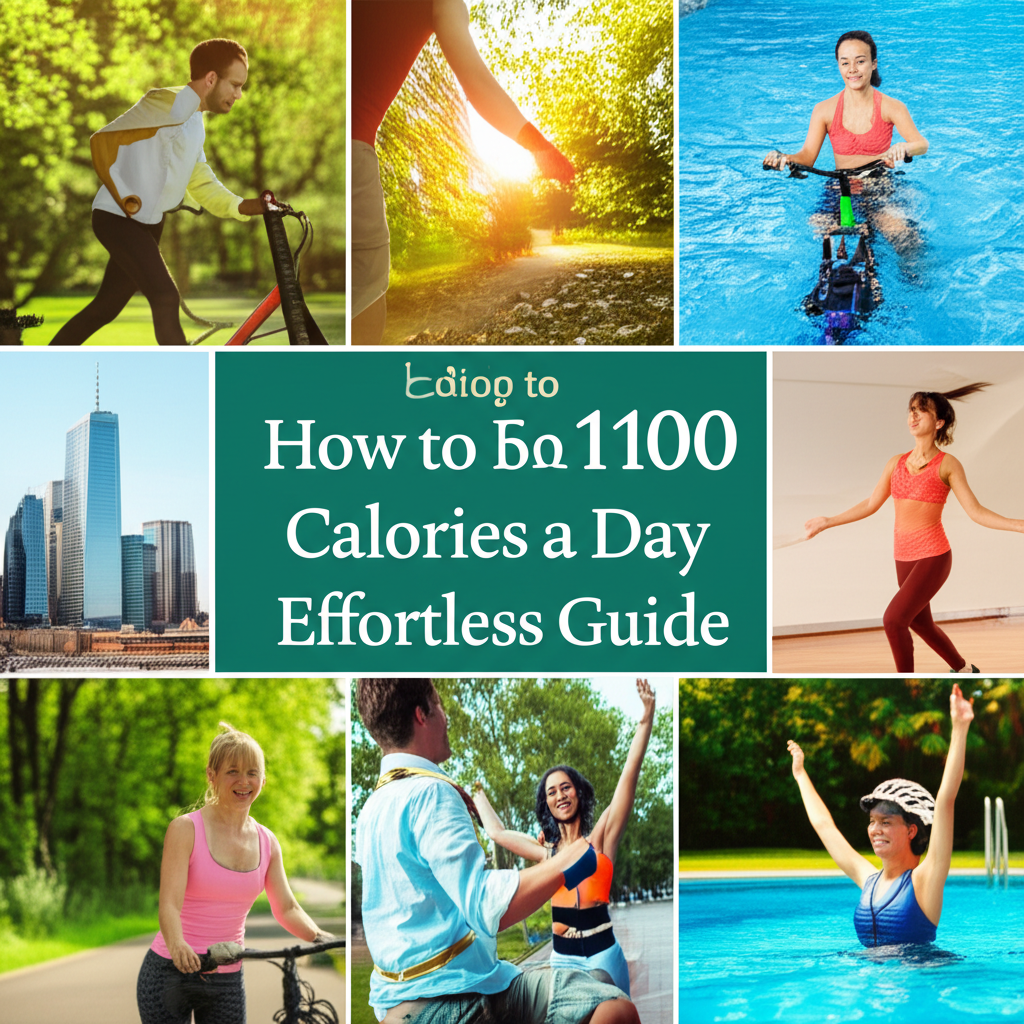
Yes, it is! But it’s crucial to understand that “effortless” doesn’t mean “doing nothing.” It means finding enjoyable, sustainable ways to increase your calorie burn without feeling like you’re punishing yourself. For beginners, jumping into extreme routines can be discouraging. We’ll focus on building habits gradually and incorporating activities that feel more like fun than a chore.
The key is to combine different strategies. Burning 1000 calories can be achieved through a mix of:
- Increasing your daily activity (NEAT): This is Non-Exercise Activity Thermogenesis, which includes all the calories you burn from daily movements like walking, fidgeting, and standing.
- Structured exercise: Planned workouts like cardio, strength training, or sports.
- Dietary thermogenesis: The calories your body burns to digest food.
We’ll explore each of these to create a balanced plan that works for you. It’s about making smart choices and finding movement you actually look forward to!
Your Effortless Guide: How to Burn 1000 Calories a Day
Let’s break down how to reach that 1000-calorie goal. Remember, this is a guide, and you can mix and match activities to find what works best for you. Consistency is key!
Step 1: Boost Your Everyday Movement (NEAT)
This is where the “effortless” part really shines! NEAT is the energy expended for everything we do that is not sleeping, eating, or planned exercise. It can account for a significant portion of your daily calorie burn.
- Walk More: Aim for extra steps throughout your day. Park further away, take the stairs, go for a short walk during your lunch break, or even pace while you’re on the phone. A brisk walk can burn approximately 300-500 calories per hour, depending on your weight and pace.
- Stand Up Frequently: If you have a desk job, set a timer to stand up and move around for a few minutes every hour. Standing burns more calories than sitting.
- Fidget: It might sound odd, but fidgeting, tapping your feet, or shifting your weight can add up!
- Active Chores: Gardening, cleaning your house vigorously, or even playing with pets actively can burn a good number of calories. For example, an hour of vigorous house cleaning can burn around 200-400 calories.
Calorie Burn Potential from NEAT: You can easily add 200-500 calories to your daily burn by consciously increasing your NEAT. This is a fantastic starting point because it doesn’t require dedicated workout time.
Step 2: Incorporate Enjoyable Exercise
This is where you can really ramp up your calorie burn. The best exercise is one you’ll stick with, so choose activities you genuinely enjoy!
- Brisk Walking/Jogging: A 30-minute brisk walk can burn around 150-250 calories. Jogging for the same duration can burn 300-400 calories.
- Cycling: Riding a bike at a moderate pace for 30 minutes can burn 250-400 calories.
- Swimming: A fantastic full-body workout that burns around 300-500 calories in 30 minutes, depending on intensity.
- Dancing: An hour of energetic dancing can burn anywhere from 300-600 calories. Put on your favorite playlist and let loose!
- Hiking: Depending on the terrain and pace, hiking can burn 300-500 calories per hour.
- Team Sports: Playing sports like basketball, soccer, or tennis can burn 400-700 calories per hour.
Example Workout to Burn ~500 Calories:
- 30 minutes of jogging: ~350 calories
- 20 minutes of brisk walking: ~150 calories
- Total: ~500 calories
For more precise estimates, you can use online calorie calculators that factor in your weight, age, and activity intensity. Websites like Harvard Health Publishing offer detailed charts on calorie expenditure for various activities.
Step 3: Add Strength Training
While strength training might not burn as many calories during the workout as intense cardio, it’s crucial for building muscle. Muscle burns more calories at rest than fat does, boosting your metabolism long-term. It also helps sculpt your body and improve overall fitness.
- Bodyweight Exercises: Squats, lunges, push-ups, and planks can be done anywhere and burn calories while building strength.
- Weightlifting: Using dumbbells, barbells, or resistance bands.
- Circuit Training: Moving quickly from one strength exercise to another with minimal rest can increase your heart rate and calorie burn.
Aim for 2-3 strength training sessions per week. Even a 30-minute session can burn 150-300 calories, plus the added benefit of increased resting metabolism.
Step 4: Consider Your Diet and Digestion (Thermic Effect of Food – TEF)
Your body burns calories just to digest the food you eat. This is called the Thermic Effect of Food (TEF). Different foods have different TEFs.
- Protein: Has the highest TEF, meaning your body burns more calories digesting protein compared to fats or carbs. Including lean protein sources like chicken breast, fish, beans, and tofu in your meals can help increase your daily calorie burn.
- Fiber: Foods high in fiber, like vegetables and whole grains, also require more energy to digest.
While TEF typically accounts for about 10% of your total daily calorie intake, prioritizing protein and fiber-rich foods can subtly contribute to your overall calorie expenditure.
Step 5: Mindful Habits and Hydration
Small habits can make a big difference:
- Drink Plenty of Water: Drinking cold water can temporarily boost your metabolism as your body works to warm it up. It also helps you feel fuller, potentially reducing calorie intake.
- Get Enough Sleep: Lack of sleep can disrupt hormones that regulate appetite, leading to increased cravings and potentially hindering calorie burn.
- Manage Stress: High stress levels can lead to hormonal changes that promote fat storage.
Sample Daily Plan to Burn ~1000 Calories

Here’s a sample plan that combines various activities. Remember to adjust based on your preferences and capabilities.
| Activity | Duration | Estimated Calories Burned |
|---|---|---|
| Morning Walk (Brisk Pace) | 45 minutes | ~300-400 calories |
| Strength Training (Circuit) | 30 minutes | ~200-300 calories |
| Active Lunch Break (Walk) | 20 minutes | ~100-150 calories |
| Evening Activity (e.g., Dancing, Cycling, or another walk) | 30 minutes | ~250-350 calories |
| Increased NEAT (Standing, Fidgeting, Active Chores) | Throughout the day | ~100-200 calories |
| Total Estimated Daily Burn | – | ~950-1400 calories |
This table shows how different activities can add up. The key is variety and consistency. Even if one day you don’t hit exactly 1000, you’re still making significant progress!
Important Considerations for Beginners
Reaching a 1000-calorie burn daily is ambitious, especially when starting. Here are some tips to make it safe and effective:
- Listen to Your Body: Don’t push yourself too hard too soon. Rest is just as important as activity.
- Stay Hydrated: Drink water before, during, and after exercise.
- Fuel Your Body: Ensure you’re eating enough nutritious food to support your increased activity levels. A severe calorie deficit can be detrimental.
- Consult a Professional: If you have any underlying health conditions or are unsure where to start, talk to your doctor or a certified personal trainer.
- Focus on Progress, Not Perfection: Some days will be easier than others. Celebrate small wins!
The Centers for Disease Control and Prevention (CDC) recommends at least 150 minutes of moderate-intensity aerobic activity or 75 minutes of vigorous-intensity aerobic activity per week, plus muscle-strengthening activities twice a week. Burning 1000 calories a day goes beyond these general recommendations and should be approached mindfully.
Frequently Asked Questions
Q1: Can I really burn 1000 calories just by exercising?
A: Yes, you can, but it requires significant effort and time. For example, running at a 10-minute mile pace burns roughly 600-800 calories per hour. To reach 1000 calories solely through running, you’d need to run for about 1.5 to 2 hours. Combining different types of activities throughout the day, including NEAT, makes it more manageable and less demanding than one long, intense session.
Q2: Is it safe to burn 1000 calories every day?
A: For most healthy individuals, it can be safe when done progressively and with adequate nutrition. However, it’s a substantial amount. If you’re new to exercise or have health concerns, it’s wise to start with a lower goal and gradually increase it. Always listen to your body and consult a healthcare provider if you have doubts.
Q3: How can I burn calories without intense workouts?
A: Focus on increasing your Non-Exercise Activity Thermogenesis (NEAT). This includes things like taking the stairs, walking more, standing while you work, fidgeting, and doing active chores around the house. These everyday movements add up significantly and contribute to calorie burn without feeling like a formal workout.
Q4: Will eating certain foods help me burn more calories?
A: Yes, to a small extent. Protein has a higher thermic effect than carbohydrates or fats, meaning your body burns more calories digesting it. Foods high in fiber also require more energy to break down. Incorporating lean proteins and plenty of vegetables and whole grains can slightly boost your metabolism through the thermic effect of food.
Q5: How long will it take to see results if I burn 1000 calories a day?
A: Results vary greatly depending on your starting point, diet, and consistency. However, a deficit of 1000 calories per day can lead to approximately 2 pounds of weight loss per week. You might start noticing changes in energy levels and how your clothes fit within a few weeks. For visible weight loss, it might take 4-8 weeks or longer.
Q6: What if I can’t burn 1000 calories on some days?
A: That’s perfectly okay! Don’t get discouraged. Focus on consistency over perfection. Aim for your goal most days, but allow for rest and recovery. Even burning 500-700 extra calories on a less active day is still a fantastic achievement and contributes to your overall progress. Life happens, and flexibility is key to long-term success.
Conclusion: Your Journey to a Healthier You
Burning 1000 calories a day is an achievable goal that can significantly contribute to your health and fitness journey. By blending increased everyday movement (NEAT) with enjoyable exercise, strength training, and mindful eating habits, you can create a sustainable calorie-burning routine. Remember that this isn’t about strict regimens or deprivation; it’s about making smart, active choices that fit into your life.
Start small, celebrate your progress, and don’t be afraid to experiment with different activities to find what truly motivates you. Your body is capable of amazing things, and with a little planning and consistency, you can absolutely reach your calorie-burning goals and build a healthier, more energetic you. Keep moving, stay positive, and enjoy the journey!
As an Amazon Associate, We earn from qualifying purchases. When you purchase a product through Amazon links on pulsefitguide.com, we may earn a small commission at no extra cost to you. This helps support the site and keep our content free.
