


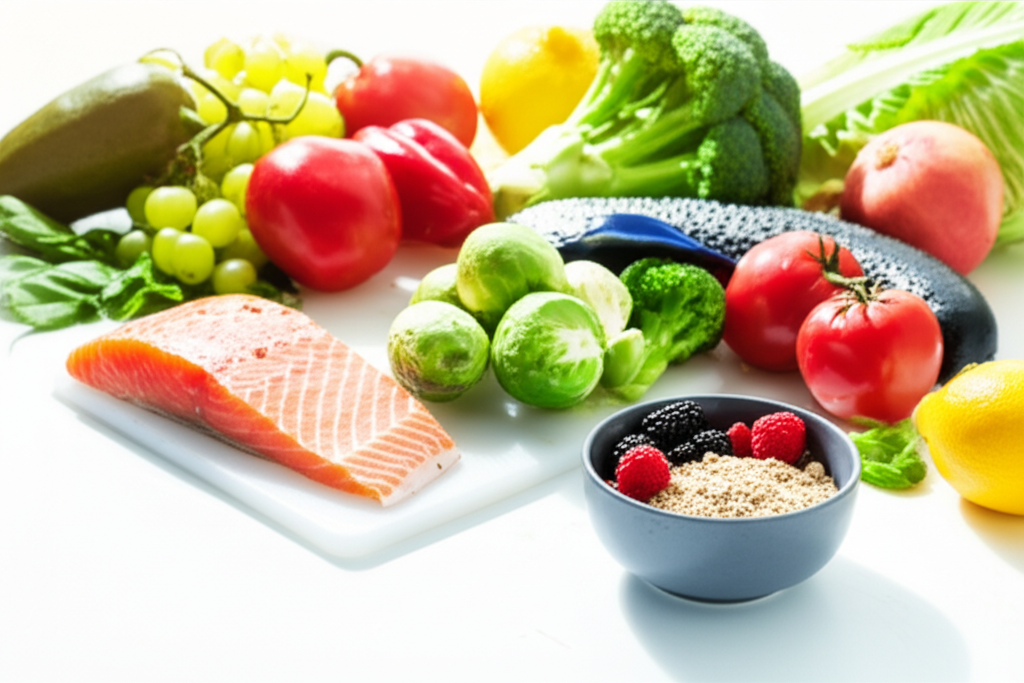
The secret to weight loss is creating a sustainable calorie deficit through balanced nutrition and regular physical activity, focusing on building healthy habits rather than quick fixes. It’s about consistency, patience, and understanding your body’s needs for long-term success.
Feeling confused about weight loss? You’re not alone! It often seems like there are a million different diets and exercise plans, each promising to be the “secret” to shedding pounds. It can be overwhelming, especially when you’re just starting out and want clear, simple answers. But what if the real secret isn’t a magic pill or a complicated diet, but something much more straightforward and achievable?
This guide is designed for you – someone who wants to understand weight loss without the jargon. We’ll break down the science into easy steps, focusing on practical, affordable ways to make lasting changes. Get ready to discover the essential, no-nonsense guide to achieving your weight loss goals.
The Core Principle: Energy Balance
At its heart, weight loss is all about energy. Think of your body like a simple energy system. You take in energy from the food and drinks you consume, and you use energy through your daily activities, exercise, and even just by breathing and keeping your body functioning. This is called energy balance.
When you consistently take in more energy (calories) than your body uses, the extra energy is stored, primarily as body fat. Conversely, when you consistently use more energy than you consume, your body starts to tap into those stored fat reserves for fuel. This is the fundamental concept behind weight loss: creating an energy deficit.
Understanding Calories In vs. Calories Out
This is the most crucial part of the weight loss puzzle. It’s often simplified as “calories in, calories out.”
- Calories In: This is the total number of calories you consume from all food and beverages throughout the day.
- Calories Out: This is the total number of calories your body burns. This includes:
- Basal Metabolic Rate (BMR): The calories your body burns at rest just to keep vital functions going (like breathing, circulation, cell production). This is the largest portion of your daily calorie expenditure.
- Thermic Effect of Food (TEF): The calories your body burns to digest, absorb, and process the food you eat.
- Activity Energy Expenditure (AEE): The calories you burn through all physical activity, from walking and chores to structured exercise.
To lose weight, you need to ensure that your “Calories In” are consistently less than your “Calories Out.” This difference is your calorie deficit. A deficit of about 3,500 calories typically results in the loss of one pound of fat.
The U.S. Department of Health and Human Services provides excellent resources on understanding energy balance and its role in weight management. You can explore their guidance here: HHS.gov: Energy In, Energy Out.
Building Your Weight Loss Strategy: The Pillars
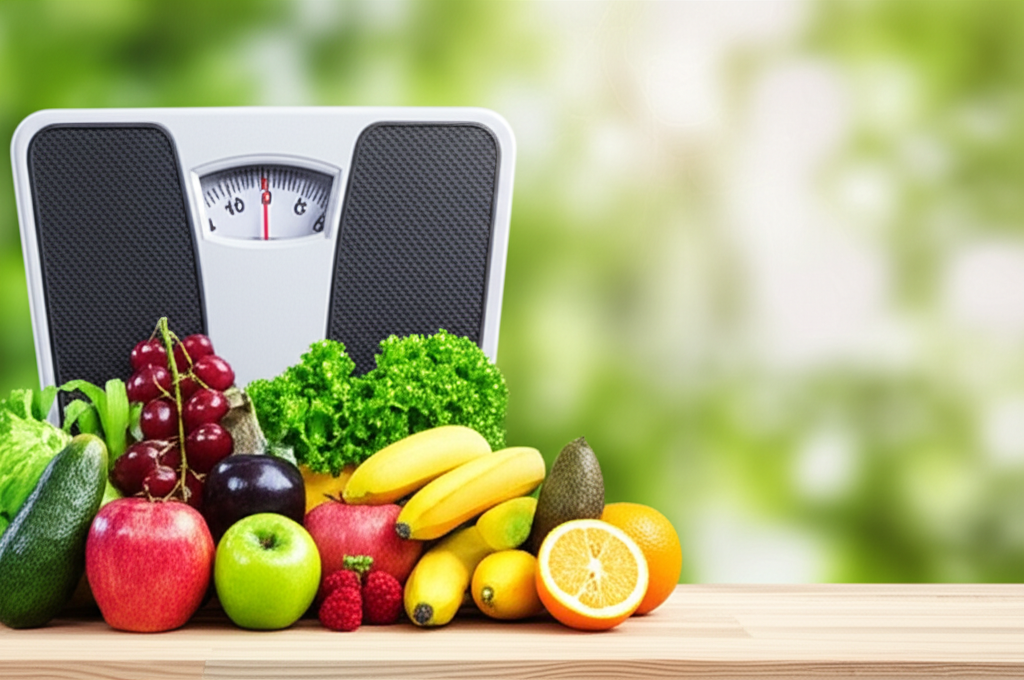
Creating a calorie deficit doesn’t mean you have to starve yourself or run marathons every day. The most effective and sustainable way to achieve this is by focusing on two main pillars: Nutrition and Physical Activity. We also need to consider a third, often overlooked, pillar: Lifestyle and Mindset.
Pillar 1: Smart Nutrition
Nutrition is about fueling your body with the right kinds of energy. It’s not just about cutting calories; it’s about choosing nutrient-dense foods that keep you feeling full, energized, and satisfied. This helps make your calorie deficit feel less like a struggle.
Focus on Whole Foods
Whole foods are foods that are as close to their natural state as possible. They are packed with vitamins, minerals, and fiber, which are essential for health and can help you feel full longer.
- Lean Proteins: Chicken breast, turkey, fish, beans, lentils, tofu, eggs. Protein helps you feel full and preserves muscle mass during weight loss.
- Fruits and Vegetables: All types! They are low in calories, high in fiber and water, and full of nutrients. Aim to fill half your plate with them.
- Whole Grains: Oats, brown rice, quinoa, whole wheat bread. These provide sustained energy and fiber.
- Healthy Fats: Avocados, nuts, seeds, olive oil. Fats are important for hormone production and nutrient absorption, and they contribute to satiety.
What to Limit (Not Eliminate!)
This isn’t about “forbidden” foods, but about being mindful of those that are calorie-dense and less nutrient-rich. Enjoying them in moderation is key for sustainability.
- Sugary Drinks: Soda, sweetened juices, energy drinks. These add calories without providing much fullness.
- Processed Snacks: Chips, cookies, pastries. Often high in unhealthy fats, sugar, and sodium.
- Excessive Saturated and Trans Fats: Found in fried foods, fatty meats, and some baked goods.
- Refined Grains: White bread, white pasta, sugary cereals.
Portion Control and Mindful Eating
Even healthy foods have calories! Understanding appropriate portion sizes is vital. You don’t need fancy scales; start by using your hand as a guide:
- A serving of protein is about the size of your palm.
- A serving of vegetables or fruit is about the size of your fist.
- A serving of grains or starchy vegetables is about the size of your cupped hand.
Mindful eating involves paying attention to your hunger and fullness cues. Eat slowly, savor your food, and stop when you feel comfortably satisfied, not stuffed. This can significantly help manage calorie intake without strict counting.
Pillar 2: Strategic Physical Activity
Physical activity is your partner in creating that calorie deficit. It burns calories directly, but its benefits go far beyond that. Regular exercise also boosts your metabolism, improves your mood, and builds strength and endurance.
Cardiovascular Exercise (Cardio)
Cardio activities get your heart rate up and burn a significant number of calories. Aim for at least 150 minutes of moderate-intensity or 75 minutes of vigorous-intensity aerobic activity per week, as recommended by the U.S. Department of Health and Human Services.
- Moderate Intensity: You can talk but not sing. Examples: Brisk walking, cycling on level ground, dancing, water aerobics.
- Vigorous Intensity: You can only speak a few words without pausing for breath. Examples: Running, swimming laps, hiking uphill, high-intensity interval training (HIIT).
Strength Training
This is incredibly important for weight loss, even if your primary goal is to lose fat. Building muscle mass increases your resting metabolic rate, meaning you burn more calories even when you’re not exercising. Muscle also gives your body a more toned appearance.
- Bodyweight Exercises: Squats, push-ups, lunges, planks.
- Resistance Bands: Versatile and affordable.
- Free Weights: Dumbbells, kettlebells.
- Weight Machines: Available at most gyms.
Aim for at least two days a week of strength training, working all major muscle groups. You don’t need to lift heavy weights to see benefits, especially when starting.
Everyday Movement (NEAT)
Don’t underestimate the power of Non-Exercise Activity Thermogenesis (NEAT). This is all the calories you burn from activities that aren’t formal exercise. Things like walking to your car, taking the stairs, fidgeting, and gardening all add up!
- Park further away from your destination.
- Take short walking breaks during study or work sessions.
- Use the stairs whenever possible.
- Stand up and move around while talking on the phone.
Increasing your NEAT can significantly boost your daily calorie expenditure without feeling like a workout.
Pillar 3: Lifestyle and Mindset
This is where the “secret” often lies for long-term success. Weight loss isn’t just about what you eat or how much you move; it’s about how you live and think about your health.
Sleep is Crucial
Lack of sleep can wreak havoc on your weight loss efforts. It disrupts hormones that control appetite (ghrelin and leptin), making you feel hungrier and less satisfied after eating. It can also increase cravings for high-calorie, sugary foods.
- Aim for 7-9 hours of quality sleep per night.
- Establish a regular sleep schedule, even on weekends.
- Create a relaxing bedtime routine.
- Make your bedroom dark, quiet, and cool.
Stress Management
Chronic stress can lead to increased levels of cortisol, a hormone that can promote fat storage, especially around the abdomen. It can also trigger emotional eating.
- Practice deep breathing exercises or meditation.
- Spend time in nature.
- Engage in hobbies you enjoy.
- Talk to friends or family.
Consistency Over Perfection
You will have days where you don’t eat perfectly or miss a workout. That’s completely normal! The key is not to let one “off” day derail your entire progress. Acknowledge it, learn from it, and get back on track with your next meal or next planned activity. Sustainable weight loss is built on consistency, not perfection.
Patience and Realistic Expectations
Healthy weight loss is a gradual process. Aiming for 1-2 pounds of weight loss per week is generally considered safe and sustainable. Rapid weight loss often leads to muscle loss and is harder to maintain. Celebrate small victories along the way!
Putting It All Together: Your Action Plan
Now that you understand the core principles, let’s build a practical plan. This isn’t about drastic changes overnight, but about making small, manageable steps.
Step 1: Assess Your Starting Point
Before you make changes, understand where you are. This isn’t about judgment, but about gaining awareness.
- Track Your Current Eating Habits: For a few days, honestly record everything you eat and drink. You can use a notebook or a free app like MyFitnessPal or Lose It! This helps identify patterns and areas for improvement.
- Assess Your Activity Level: How much do you currently move? Are you sedentary, lightly active, moderately active, or very active?
- Set Realistic Goals: What weight do you want to reach? More importantly, what lifestyle changes do you want to make (e.g., “I want to be able to walk for 30 minutes without getting tired,” or “I want to feel more energetic”)?
Step 2: Make Gradual Nutrition Changes
Don’t try to overhaul your entire diet at once. Pick one or two small changes to start.
- Example: If you drink a lot of sugary sodas, start by replacing one soda a day with water.
- Example: If you skip breakfast, try adding a simple, protein-rich breakfast like eggs or Greek yogurt.
- Example: Aim to add one extra serving of vegetables to your dinner each day.
Use tools like the Harvard Healthy Eating Plate to visualize a balanced meal: Harvard T.H. Chan School of Public Health: The Healthy Eating Plate.
Step 3: Integrate More Movement
Find activities you genuinely enjoy. If you hate running, don’t force yourself to run!
- Start Small: If you’re currently inactive, begin with 15-20 minute walks a few times a week.
- Incorporate NEAT: Make a conscious effort to take the stairs or walk more throughout your day.
- Find a Workout Buddy: Exercising with a friend can provide accountability and make it more fun.
- Try Different Activities: Explore dance classes, hiking, swimming, or team sports to find what you love.
Step 4: Prioritize Sleep and Stress Management
These are often the first things to go when life gets busy, but they are critical for weight loss success.
- Schedule Your Sleep: Treat sleep like an important appointment.
- Practice Relaxation Techniques: Even 5-10 minutes of deep breathing daily can make a difference.
- Set Boundaries: Learn to say no to commitments that will overextend you.
Step 5: Monitor Progress and Adjust
Regularly check in with yourself. This helps you stay motivated and make necessary adjustments.
- Weigh Yourself (Optional): If you choose to weigh yourself, do so at the same time of day (e.g., first thing in the morning after using the restroom) and no more than once a week. Don’t let the number dictate your mood.
- Take Measurements: Sometimes your body composition changes even if the scale doesn’t budge much. Measure your waist, hips, and other areas.
- Note How You Feel: Are you more energetic? Sleeping better? Clothes fitting differently? These are important indicators of progress!
- Adjust as Needed: If you’re not seeing progress after a few weeks, gently re-evaluate your calorie intake or activity level. If you’re struggling, it might be time to seek professional advice.
Common Myths About Weight Loss Debunked

The world of weight loss is full of misinformation. Let’s clear up a few common myths:
Myth 1: You Need to Eliminate Entire Food Groups
Truth: Unless you have a diagnosed allergy or intolerance, you don’t need to cut out entire food groups like carbs or fats. A balanced diet includes all macronutrients. The key is moderation and choosing nutrient-dense options.
Myth 2: “Fat-Burning” Foods Will Melt Fat Away
Truth: While some foods can slightly boost metabolism (like spicy peppers or green tea), no single food has the power to magically burn fat. Weight loss is driven by the overall calorie deficit, not individual “miracle” foods.
Myth 3: You Must Work Out for Hours Every Day
Truth: Consistency is more important than duration. Shorter, regular workouts are more sustainable and effective than sporadic, marathon sessions. Plus, remember NEAT!
Myth 4: You Can Target Fat Loss in Specific Areas (Spot Reduction)
Truth: Unfortunately, you can’t choose where your body loses fat. Doing hundreds of crunches won’t specifically burn belly fat; overall fat loss will eventually lead to a reduction in abdominal fat.
Myth 5: Skipping Meals Helps You Lose Weight Faster
Truth: While skipping a meal might temporarily reduce calorie intake, it can lead to extreme hunger later, often resulting in overeating. It can also slow down your metabolism.
Tools and Resources to Support Your Journey
You don’t have to go it alone. Many tools can help make your weight loss journey smoother and more informed.
| Tool/Resource | What It Does | Beginner-Friendly Use |
|---|---|---|
| Food & Activity Trackers (e.g., MyFitnessPal, Lose It!, Cronometer) | Log food intake and exercise to monitor calorie and nutrient consumption. | Start by logging meals for a week to see your typical intake. Use barcode scanners for easy logging. |
| Water Bottles with Time Markers | Encourage consistent hydration throughout the day. | Simply refill the bottle as directed by the markers. Hydration is key for metabolism and satiety. |
| Fitness Apps (e.g., Nike Training Club, Couch to 5K, Peloton App) | Provide guided workouts for various fitness levels and preferences. | Many offer free beginner programs and low-impact options. Find classes that match your interests. |
| Portion Control Containers | Pre-portioned containers to help manage meal sizes. | Fill containers with appropriate food types (e.g., one for protein, one for veggies) for balanced meals. |
| Wearable Fitness Trackers (e.g., Fitbit, Apple Watch) | Monitor steps, heart rate, sleep, and calorie burn. | Focus on hitting step goals or moving more throughout the day. Use sleep tracking to identify patterns. |
| Online Health Resources (e.g., CDC, NIH, reputable health blogs) | Provide evidence-based information on nutrition, exercise, and health. | Use these to verify information and learn more about healthy practices. Look for .gov or .edu sites for high authority. |
Frequently Asked Questions (FAQ)
Q1: How quickly can I expect to lose weight?
A: Healthy and sustainable weight loss is typically 1-2 pounds per week. This rate allows your body to adapt and reduces the risk of regaining the weight. Some initial weight loss might be faster due to water loss, but consistent progress is key.
Q2: Do I really need to count calories?
A: Not necessarily! While calorie counting can be a useful tool for understanding intake, it’s not the only way. Focusing on whole foods, portion control, and mindful eating can also create a calorie deficit effectively. Many people find success without strict calorie tracking.
Q3: What if I have a busy schedule and no time to exercise?
A: Even small amounts of activity add up! Focus on incorporating more movement into your day (NEAT): take the stairs, walk during breaks, or do a quick 15-minute home workout. Consistency with shorter bursts of activity is better than no activity at all.
Q4: Is it okay to have “cheat meals”?
A: The term “cheat meal” can have negative connotations. Instead, think of them as “flexible meals” or
As an Amazon Associate, We earn from qualifying purchases. When you purchase a product through Amazon links on pulsefitguide.com, we may earn a small commission at no extra cost to you. This helps support the site and keep our content free.
