



For many, the question of “which is better for you: Wegovy or Zepbound?” has a simple answer: it depends on your individual needs and what works best with your doctor’s guidance. Both are powerful, effective medications for weight management, but they have key differences in how they work and their approval status. Your doctor is your best resource to determine the right choice for you.
Feeling stuck with your weight loss journey can be incredibly frustrating. You might be trying your best with diet and exercise, but seeing the results you want feels like an uphill battle. It’s completely normal to feel confused when there are so many options out there, especially when medications like Wegovy and Zepbound come into the picture. They promise significant results, but understanding how they differ and which one might be right for you can feel like decoding a secret language. Don’t worry, we’re going to break it all down in a way that makes sense, step-by-step. We’ll look at what makes them tick, who they’re for, and how to approach this decision with your doctor. Ready to get a clearer picture?
Understanding the Big Picture: Why Are These Medications a Game Changer?
For a long time, weight loss often felt like a purely willpower-based challenge. But science has shown us it’s much more complex. Our bodies have intricate systems that regulate appetite and metabolism, and sometimes these systems need a little help. This is where medications like Wegovy and Zepbound come in. They work by mimicking hormones that tell your brain you’re full and help slow down digestion, which naturally leads to eating less and, over time, losing weight.
These aren’t magic pills that let you ignore healthy habits. Instead, they act as powerful tools that can significantly boost the effectiveness of diet and exercise. Think of them as giving your healthy lifestyle a supercharge, making it easier to stick to your goals and see more sustainable results. This can be a huge relief for many people who have struggled for years without success.
Meet the Players: Wegovy and Zepbound
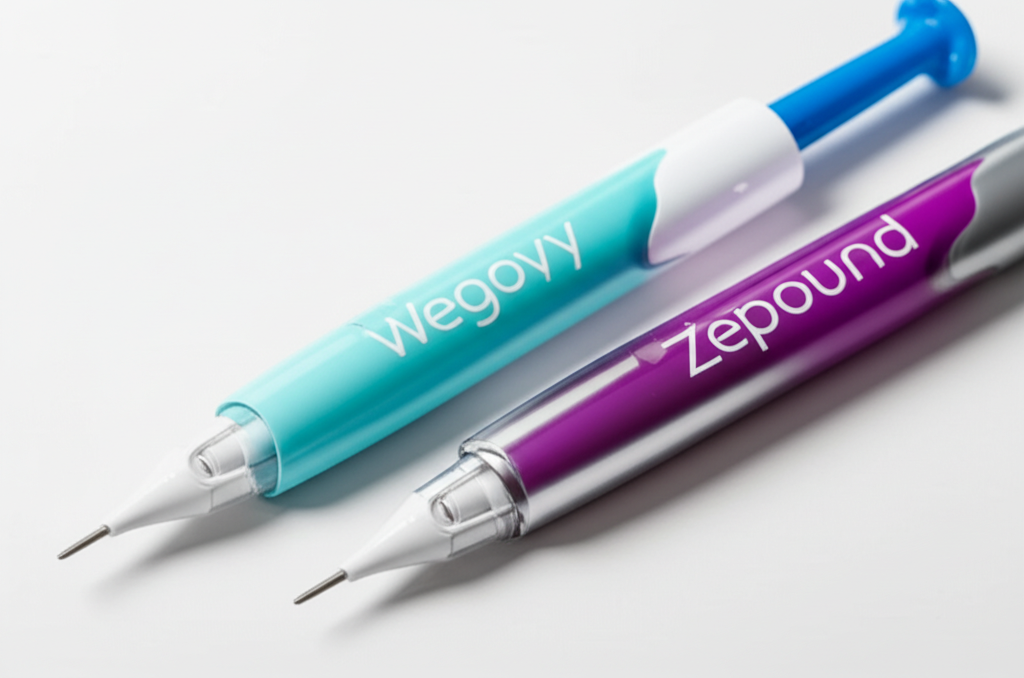
Let’s get to know our two main contenders. Both Wegovy and Zepbound are injectable medications that have shown remarkable success in clinical trials and real-world use for weight management. However, they are based on slightly different active ingredients, which leads to some key distinctions.
Wegovy: The Pioneer
Wegovy is the brand name for semaglutide. It’s a GLP-1 receptor agonist. This means it mimics a natural hormone called glucagon-like peptide-1 (GLP-1), which is released in your gut after you eat. GLP-1 does a few important things:
- It tells your brain you’re full: This helps reduce your appetite and cravings, making you feel satisfied with less food.
- It slows down stomach emptying: This means food stays in your stomach longer, further contributing to feeling full and reducing the desire to snack between meals.
- It can affect blood sugar: For people with type 2 diabetes, GLP-1 agonists can also help improve blood sugar control.
Wegovy is approved by the U.S. Food and Drug Administration (FDA) for chronic weight management in adults with obesity (BMI ≥ 30) or overweight (BMI ≥ 27) who have at least one weight-related condition, such as high blood pressure, type 2 diabetes, or high cholesterol. It’s also approved for chronic weight management in adolescents aged 12 and older who have obesity and weigh more than 132 pounds (60 kg).
Zepbound: The New Contender
Zepbound is the brand name for tirzepatide. What makes tirzepatide unique is that it’s a dual-acting medication. It’s not just a GLP-1 receptor agonist like semaglutide; it’s also a GIP receptor agonist. GIP stands for glucose-dependent insulinotropic polypeptide, another hormone released in your gut after eating.
By targeting both GLP-1 and GIP receptors, tirzepatide offers a potentially more powerful effect on weight loss. Here’s how it works:
- Enhanced Appetite Control: Like semaglutide, it significantly reduces appetite and cravings by acting on the GLP-1 pathway.
- Improved Metabolism: The GIP component may also play a role in metabolism and fat storage, potentially leading to greater fat loss.
- Blood Sugar Benefits: Similar to semaglutide, tirzepatide is also very effective at improving blood sugar control in people with type 2 diabetes.
Zepbound is also FDA-approved for chronic weight management in adults with obesity or overweight with at least one weight-related condition. It’s important to note that tirzepatide is also available under the brand name Mounjaro, but Mounjaro is specifically approved for improving blood sugar control in adults with type 2 diabetes. While Mounjaro and Zepbound contain the same active ingredient (tirzepatide), Zepbound is the indication for weight management in individuals without type 2 diabetes, or for those who also have type 2 diabetes and want the dual benefit of weight loss and blood sugar control.
Head-to-Head Comparison: Wegovy vs. Zepbound
Now that we know what they are, let’s put them side-by-side to see how they stack up. This comparison will help you understand the key differences and similarities, making it easier to discuss with your doctor.
| Feature | Wegovy (Semaglutide) | Zepbound (Tirzepatide) |
|---|---|---|
| Active Ingredient | Semaglutide | Tirzepatide |
| Mechanism of Action | GLP-1 receptor agonist | Dual GIP and GLP-1 receptor agonist |
| Primary Focus | Weight Management | Weight Management (also approved for Type 2 Diabetes as Mounjaro) |
| Targeted Hormones | Glucagon-Like Peptide-1 (GLP-1) | Glucose-Dependent Insulinotropic Polypeptide (GIP) and GLP-1 |
| FDA Approval for Weight Management | Yes (Adults & Adolescents 12+) | Yes (Adults) |
| Typical Dosing Schedule | Once weekly injection | Once weekly injection |
| Clinical Trial Results (Weight Loss) | Significant weight loss, typically around 15% of body weight on average at the highest dose. | Generally showed higher average weight loss in clinical trials compared to semaglutide, often exceeding 20% of body weight at the highest dose. |
| Potential Side Effects | Nausea, vomiting, diarrhea, constipation, abdominal pain, headache, fatigue. (Often mild and temporary). | Similar to Wegovy: nausea, vomiting, diarrhea, constipation, abdominal pain, headache, fatigue. (Often mild and temporary). |
| Cost & Insurance Coverage | Varies widely. May be covered by insurance if criteria are met. Can be expensive out-of-pocket. | Varies widely. May be covered by insurance if criteria are met. Can be expensive out-of-pocket. Newer drug, so coverage might still be evolving. |
| Availability | Widely available. | Increasingly available, as it’s a newer medication. |
What the Science Says: Weight Loss Effectiveness
Clinical trials are crucial for understanding how effective these medications are. For Wegovy (semaglutide), studies like the STEP trials showed that participants on the highest dose lost an average of about 15% of their body weight over 68 weeks. This is a substantial amount of weight and has been life-changing for many.
Zepbound (tirzepatide) has also been studied extensively. In its clinical trials (like the SURMOUNT-1 trial), participants taking tirzepatide achieved even greater average weight loss, often exceeding 20% of their body weight at the highest dose. This suggests that for some individuals, tirzepatide might offer a more significant reduction in body weight due to its dual-acting mechanism.
It’s important to remember that these are averages. Individual results can vary based on many factors, including genetics, adherence to lifestyle changes, and the specific dose taken. However, the data indicates that both are highly effective, with Zepbound potentially offering a slight edge in terms of the percentage of weight lost for many.
Who is a Good Candidate for Wegovy or Zepbound?
These medications are powerful tools, but they are not for everyone. Your doctor will assess several factors to determine if you are a good candidate. Generally, candidates include:
- Individuals with Obesity: This is typically defined as a Body Mass Index (BMI) of 30 or higher. You can calculate your BMI using online tools from reputable health organizations like the Centers for Disease Control and Prevention (CDC).
- Individuals who are Overweight with Weight-Related Health Conditions: This includes people with a BMI of 27 or higher who also have conditions like high blood pressure, type 2 diabetes, high cholesterol, or sleep apnea.
- Individuals Committed to Lifestyle Changes: These medications work best when combined with a reduced-calorie diet and increased physical activity. You should be prepared to make these healthy lifestyle modifications.
- Individuals Without Certain Contraindications: Your doctor will check if you have any personal or family history of certain thyroid cancers (like medullary thyroid carcinoma) or Multiple Endocrine Neoplasia syndrome type 2 (MEN 2), as these are usually reasons to avoid these medications.
Your doctor will conduct a thorough medical history review, including checking for any pre-existing conditions, current medications, and previous weight loss attempts, to make the best recommendation.
Navigating the Decision: Wegovy or Zepbound? Your Doctor is Key!
Choosing between Wegovy and Zepbound isn’t a decision to make alone. Your healthcare provider is your most valuable partner in this process. Here’s why and how to approach that conversation:
Why Your Doctor’s Opinion is Crucial
While we can compare features and clinical trial data, your doctor has a comprehensive understanding of your unique health profile. They can:
- Assess Your Medical History: They know your past health issues, current conditions, and any potential risks associated with these medications.
- Evaluate Your Specific Goals: Are you aiming for significant weight loss, better blood sugar control, or both? Your doctor can tailor the recommendation to your primary objectives.
- Consider Potential Drug Interactions: They can ensure the chosen medication won’t negatively interact with any other prescriptions you’re taking.
- Monitor Your Progress and Side Effects: Once you start a medication, your doctor will guide you through the titration (dose increase) process and help manage any side effects.
How to Prepare for Your Doctor’s Appointment
To make the most of your visit, come prepared:
- Know Your Numbers: Bring your current weight, height, and any known BMI calculations.
- List Your Health Conditions: Write down any diagnosed medical conditions, especially those related to weight (e.g., high blood pressure, diabetes, high cholesterol, sleep apnea).
- List Your Medications: Include all prescription drugs, over-the-counter medications, vitamins, and supplements.
- Understand Your Lifestyle: Be ready to discuss your current eating habits, exercise routine, and any challenges you face.
- Ask Questions: Prepare a list of questions about Wegovy, Zepbound, their benefits, risks, costs, and how they fit into your overall health plan.
The Practicalities: Getting Started and Staying on Track
Once you and your doctor decide on a medication, the journey truly begins. Here’s what you can expect and how to set yourself up for success.
The Starting Process: Titration is Key
Both Wegovy and Zepbound are administered via weekly injections. A crucial part of starting these medications is a process called “titration.” This means you start with a low dose and gradually increase it over several weeks or months. Why? To help your body adjust and minimize potential side effects, especially nausea.
- Week 1-4: Starting Dose. You’ll begin with a very low dose.
- Week 5-8: Dose Increase. If tolerated, the dose will be increased.
- Continuing Increases: This gradual increase continues until you reach the effective maintenance dose.
Your doctor will provide specific instructions on the titration schedule. It’s vital to follow this schedule precisely and communicate any side effects you experience.
Lifestyle: The Essential Partner to Medication
As mentioned before, these medications are most effective when paired with healthy lifestyle changes. They are not a substitute for them, but rather a powerful aid. Think of it this way: the medication helps you manage your appetite and reduce calorie intake more easily, but you still need to make healthy choices about what you eat and how you move your body.
- Nutrition: Focus on a balanced diet rich in whole foods, lean proteins, fruits, vegetables, and healthy fats. Portion control remains important.
- Physical Activity: Aim for regular exercise that you enjoy. This could be walking, swimming, dancing, or strength training. The CDC recommends at least 150 minutes of moderate-intensity aerobic activity per week.
- Behavioral Support: Consider working with a registered dietitian, a therapist, or joining a support group. Behavioral strategies can help address emotional eating, build sustainable habits, and provide accountability.
Managing Side Effects
The most common side effects for both Wegovy and Zepbound are gastrointestinal. These often occur when starting the medication or increasing the dose and tend to improve over time as your body adjusts.
- Nausea: Try eating smaller, more frequent meals. Avoid greasy or very spicy foods. Stay hydrated.
- Vomiting/Diarrhea/Constipation: These can also be managed with dietary adjustments and adequate hydration. Your doctor may suggest fiber supplements for constipation or other remedies.
- Abdominal Pain: Often related to digestion. Eating slowly and avoiding gas-producing foods can help.
If side effects are severe or persistent, contact your doctor immediately. They can help adjust your dose, offer management strategies, or explore other options.
Cost and Insurance Considerations
The cost of weight loss medications can be a significant factor. Both Wegovy and Zepbound are typically expensive when purchased out-of-pocket. However, insurance coverage can make a big difference.
- Insurance Coverage: Coverage varies widely by insurance plan. Some plans may cover these medications if you meet specific criteria (e.g., BMI thresholds, presence of comorbidities). It’s essential to check with your insurance provider directly.
- Manufacturer Programs: Pharmaceutical companies often offer savings cards or patient assistance programs that can help reduce out-of-pocket costs for eligible individuals. Visit the official Wegovy and Zepbound websites for details on these programs.
- Prior Authorization: Many insurance plans require a prior authorization from your doctor before they will cover the medication. Your doctor’s office will usually handle this process.
Don’t let cost be an immediate barrier to discussion. Talk to your doctor and your insurance company to explore all available options and potential financial assistance.
Frequently Asked Questions (FAQ)
Q1: Can I switch between Wegovy and Zepbound?
Yes, you can switch between them, but it’s crucial to do so under the guidance of your doctor. They will advise on the best way to transition, which might involve stopping one medication for a period before starting the other, or starting the new medication at a low dose to manage potential side effects.
Q2: Are Wegovy and Zepbound the same as Mounjaro?
No, they are not exactly the same, but they are related. Mounjaro and Zepbound both contain the active ingredient tirzepatide. Mounjaro is FDA-approved for managing blood sugar in people with type 2 diabetes, while Zepbound is FDA-approved for weight management in adults. Wegovy contains semaglutide and is approved for weight management.
Q3: How long do I need to take Wegovy or Zepbound?
These medications are intended for long-term use as part of a chronic weight management plan. Weight loss typically occurs while on the medication, and weight regain can occur if the medication is stopped, especially if lifestyle changes are not maintained. Your doctor will discuss the long-term plan with you.
Q4: Can I drink alcohol while taking Wegovy or Zepbound?
Moderate alcohol consumption is generally considered acceptable, but it’s best to discuss this with your doctor. Alcohol can contain a lot of calories, and excessive drinking can interfere with weight loss efforts and potentially worsen some side effects like nausea.
Q5: What if I miss a dose of Wegovy or Zepbound?
If you miss a dose, take it as soon as you remember, provided your next dose is more than two days away. If your next dose is due within two days, skip the missed dose and take your next dose at your regularly scheduled time. Do not take two doses at the same time. Always refer to your medication’s instructions or ask your doctor.
Q6: Are there any long-term risks associated with these medications?
The most common risks are the gastrointestinal side effects mentioned earlier. For semaglutide (Wegovy) and tirzepatide (Zepbound), there is a boxed warning regarding the risk of thyroid C-cell tumors, observed in rodent studies. It is not known if these medications cause these tumors in humans. Your doctor will discuss all potential risks and benefits with you based on your individual health profile.
Conclusion: Your Personalized Path to Health
Deciding between Wegovy and Zepbound is a significant step in your weight management journey. Both are highly effective medications that work by helping you feel fuller and manage your appetite, but they operate on slightly different mechanisms. Wegovy (semaglutide) targets GLP-1, while Zepbound (tirzepatide) targets both GIP and GLP-1, potentially offering greater weight loss for some individuals.
Ultimately, the question of “which is better for you: Wegovy or Zepbound?” doesn’t have a universal answer. The “better” option is the one that aligns best with your specific health needs, medical history, and the guidance of your trusted healthcare provider. By understanding how these medications work, discussing your health openly with your doctor, and committing to the essential lifestyle changes, you can confidently choose the path that will lead you towards your health and weight management goals.
As an Amazon Associate, We earn from qualifying purchases. When you purchase a product through Amazon links on pulsefitguide.com, we may earn a small commission at no extra cost to you. This helps support the site and keep our content free.
