


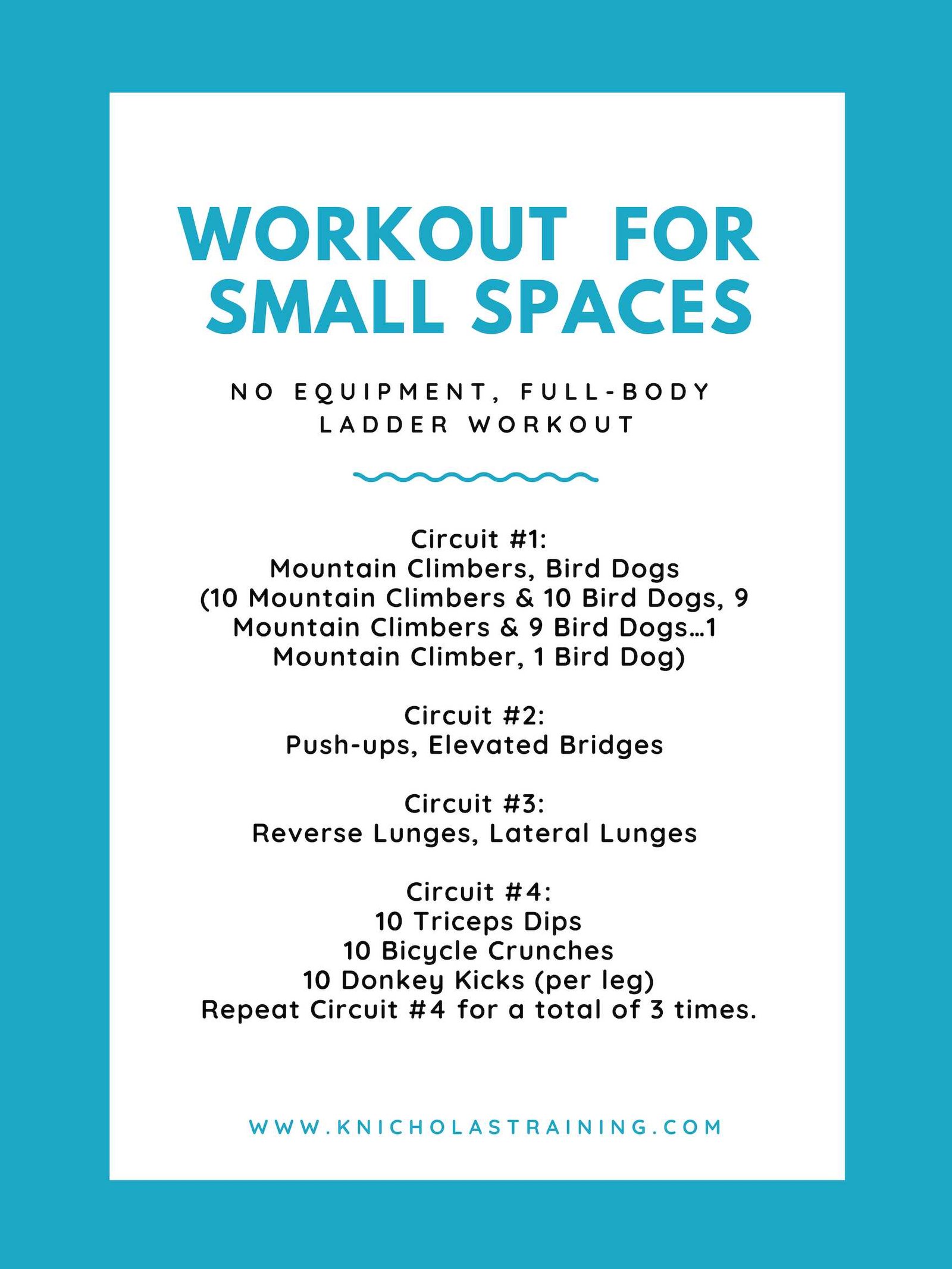
Looking for an effective full-body workout that fits into your tiny apartment or small corner? The key is to focus on exercises that maximize space and target multiple muscle groups at once. A good small-space workout involves bodyweight moves like squats, push-ups, lunges, and planks, which need minimal room and equipment but deliver great results. Incorporating high-intensity interval training (HIIT) can make your sessions efficient and challenging, even in a compact area. The trick is to choose versatile exercises that engage various muscles simultaneously, making every square inch count. Whether you’re limited on space or just want a quick, effective routine, there’s a way to stay fit without a gym or bulky equipment. Let’s explore some simple yet powerful movements you can do anywhere to stay strong and energized.

What is a good full body small space workout?
Living in a small space does not mean you have to skip your workout. You can get a great full-body exercise session right in your home, even in the tiniest of areas. The key is choosing the right movements that work multiple muscle groups at once without the need for bulky equipment.
Understanding the Benefits of a Full Body Small Space Workout
A full-body workout efficiently targets all major muscle groups in one session. This helps save time, which is perfect for busy schedules or limited space. Additionally, working multiple muscles simultaneously boosts your metabolism and improves overall strength.
Small space workouts also increase consistency. Since you don’t need to travel to a gym, you’re more likely to stick with your routine. Plus, it’s flexible—work out whenever your schedule allows, without any barriers.
Key Elements of an Effective Small Space Full Body Workout
To maximize results in a tiny area, focus on compound movements that engage several muscles. Use your body weight for resistance, making exercises easier to do without equipment. Keep your workout varied to prevent boredom and promote balanced strength.
It’s also essential to include proper warm-up and cool-down routines. This helps prevent injuries and promotes recovery. Aim for at least 30 minutes of activity, three to five times a week.
Choosing the Right Exercises for Your Small Space Workout
Bodyweight Exercises
Bodyweight exercises are ideal for small spaces because they require no equipment. They are versatile, effective, and easy to modify for different fitness levels. Some key exercises include:
- Squats: Target your thighs, hips, and buttocks.
- Push-ups: Strengthen your chest, shoulders, and arms.
- Lunges: Work your legs and improve balance.
- Planks: Engage your core muscles and enhance stability.
- Burpees: Combine cardio and strength for a full-body challenge.
Adding Variations for Progression
As your fitness improves, increase the difficulty by trying variations such as elevated push-ups, jump squats, or side planks. These adjustments keep your workout challenging and engaging.
Sample Full Body Small Space Workout Plan
Warm-up (5 minutes)
- Jumping jacks
- Arm circles
- Light jogging in place
Main Workout (3 rounds)
- Squats: 15 repetitions
- Push-ups: 12 repetitions
- Lunges: 10 repetitions per leg
- Plank: Hold for 30 seconds
- Jumping jacks: 20 repetitions
Rest and Recovery
Take a 1-minute break between rounds. Use this time for deep breaths and hydration. End with a light stretching session to improve flexibility and prevent soreness.
Creating a Functional Workout Space at Home
Designate a corner or a small area in your home where you can comfortably perform exercises. Clear enough space for movement and ensure the floor is suitable—preferably a non-slip surface or mat.
Keep your equipment minimal; a yoga mat, resistance bands, or a sturdy chair can add variety. Organize your space so it’s inviting and free from clutter, making it easier to stay motivated.
Incorporating Equipment for Increased Challenge
Resistance Bands
Resistance bands are lightweight and versatile, adding resistance to exercises without taking up space. They are perfect for assisted push-ups, glute bridges, or shoulder presses.
Small Dumbbells or Water Bottles
If space permits, small dumbbells or filled water bottles can intensify workouts. Use them for bicep curls, overhead presses, or weighted lunges.
Stability Ball or Chair
A stability ball improves core engagement, while a sturdy chair can be used for dips or step-ups. These tools offer added variety and help target different muscles.
Time-Efficient Workout Strategies
If time is limited, try circuit training. Move quickly between different exercises with minimal rest. This keeps your heart rate elevated and maximizes calorie burning.
High-Intensity Interval Training (HIIT) is another effective approach. Alternate intense exercise bursts with short recovery periods, making workouts shorter but intense.
Tracking Progress and Staying Motivated
Use a workout journal or app to record your exercises, repetitions, and duration. Seeing your progress keeps you motivated and helps set new goals.
Set achievable milestones, like increasing plank hold time or adding more repetitions. Celebrate small victories to stay committed to your fitness journey.
Additional Tips for Success
- Maintain consistency. Schedule your workouts at the same time each day.
- Focus on proper form over speed to prevent injuries.
- Stay hydrated and fuel your body with nutritious food.
- Mix up your routine every few weeks to prevent plateauing.
Remember, a good full-body workout in a small space combines variety, consistency, and proper technique. Even in tight quarters, you can build strength, improve endurance, and stay energized with the right plan. Prioritize your health and commit to regular exercise, and you’ll see positive changes over time.
Full Body Workout Without Equipment
Frequently Asked Questions
What are some effective exercises I can do in a small space to work my entire body?
Effective full-body exercises for small spaces include bodyweight movements like squats, lunges, push-ups, and planks. These exercises target multiple muscle groups simultaneously and require minimal or no equipment. Incorporate variations such as jump squats or mountain climbers to add intensity and keep your workout engaging.
How can I structure a quick full-body workout in limited space?
Design a circuit that alternates between different exercises with little to no rest in between. For example, perform a set of push-ups, followed by squats, then lunges, and planks. Repeat this circuit 3-4 times, completing each exercise for 30-45 seconds. Keeping the workout short but intense ensures you maximize your training in a small area.
What equipment, if any, is necessary for a full-body workout in a confined space?
You can perform a comprehensive workout in a small space using only your body weight. However, incorporating minimal equipment like resistance bands or a set of dumbbells can add variety and challenge. Resistance bands are portable and easy to store, making them ideal for small areas.
How often should I perform a full-body workout in a limited space to see progress?
Engage in a full-body workout at least three times a week, allowing for rest days in between to recover. Consistency, combined with proper intensity, helps improve strength, flexibility, and endurance over time. Adjust the frequency based on your fitness level and goals for optimal results.
What are common mistakes to avoid during a small space full-body workout?
Avoid neglecting proper form to prevent injuries. Also, don’t skip warm-up or cool-down routines, as they help prepare your body and reduce soreness. Overloading your workout or not giving your muscles enough rest can hinder progress, so listen to your body and progress gradually.
Final Thoughts
A good full body small space workout involves bodyweight exercises like squats, push-ups, and planks. These movements work multiple muscle groups simultaneously, maximizing efficiency in limited space. Incorporate short bursts of high-intensity activity to boost calorie burn and endurance.
Consistency is key; perform this workout 3-4 times a week to see results. Keep it simple, focus on proper form, and challenge yourself with variations.
What is a good full body small space workout? It combines effective exercises with manageable routines, perfect for maintaining fitness anywhere.
As an Amazon Associate, We earn from qualifying purchases. When you purchase a product through Amazon links on pulsefitguide.com, we may earn a small commission at no extra cost to you. This helps support the site and keep our content free.
