



Weight loss injections work by mimicking natural hormones that regulate appetite, making you feel fuller for longer, reducing cravings, and slowing stomach emptying. This helps you eat less and lose weight, often with proven results when combined with healthy lifestyle changes.
Are you feeling a bit confused about weight loss? It’s totally normal! So many of us try different diets and exercise plans, only to feel stuck or unsure why the scale isn’t budging. It can be really frustrating when you’re putting in the effort but not seeing the results you hoped for. But what if there was a science-backed way to help your body feel more in control of hunger and cravings? That’s where weight loss injections come in, and they’re not as complicated as they might sound. We’re going to break down exactly how they work, what makes them effective, and what you can expect, all in a way that makes sense. Get ready to understand a proven approach that could be a game-changer for your weight loss journey!
Understanding How Weight Loss Injections Work: A Beginner’s Guide
It’s great that you’re curious about how weight loss injections work! Think of your body like a complex system, and sometimes, a little help can make a big difference. These injections are designed to work with your body’s natural processes, particularly those related to hunger and fullness. They’re not magic pills, but rather tools that can support your efforts when used correctly.
The Science Behind the Hunger Hormone: GLP-1
To understand how these injections work, we need to talk about a special hormone called GLP-1 (Glucagon-Like Peptide-1). You actually produce this hormone naturally in your gut after you eat. GLP-1 does a few super important things:
- It tells your brain you’re full: GLP-1 signals to your brain that it’s time to stop eating, helping you feel satisfied sooner.
- It slows down digestion: It makes your stomach empty more slowly, so food stays with you longer, contributing to that feeling of fullness.
- It helps regulate blood sugar: GLP-1 also plays a role in how your body uses insulin, which is important for managing energy levels and preventing sugar spikes.
The problem for many people trying to lose weight is that their natural GLP-1 levels might not be enough to effectively control appetite and cravings, especially when stress or habit leads to overeating. This is where the injections come into play.
How Weight Loss Injections Mimic GLP-1
Weight loss injections, often called GLP-1 receptor agonists, are medications that are designed to act just like your body’s natural GLP-1. They essentially “trick” your body into thinking it has more of this helpful hormone.
When you receive a weight loss injection, the active medication enters your bloodstream and goes to work in several key areas:
- Brain: It binds to GLP-1 receptors in your brain, specifically in the areas that control appetite. This sends stronger signals of fullness and satiety, making you feel less hungry overall.
- Stomach: It slows down the rate at which your stomach empties its contents into your small intestine. This means you stay feeling full for a longer period after eating, reducing the urge to snack between meals.
- Pancreas: It can also help improve insulin sensitivity, which is beneficial for metabolism.
By doing these things, the injections help you naturally eat less food without feeling constantly deprived or hungry. This reduction in calorie intake is the primary driver of weight loss.
Popular Types of Weight Loss Injections and How They Work
You might have heard of some specific names when it comes to weight loss injections. The most common and well-researched ones belong to the GLP-1 receptor agonist class. Here’s a closer look at how some of these work:
Semaglutide (Wegovy, Ozempic)
Semaglutide is a very popular GLP-1 receptor agonist. It’s known for its effectiveness in helping people lose weight. The brand names you might see for weight loss are Wegovy, and Ozempic (though Ozempic is primarily prescribed for type 2 diabetes, it also has weight loss benefits and is sometimes used off-label for this purpose).
How Semaglutide Works:
- It binds strongly to GLP-1 receptors, mimicking the action of natural GLP-1.
- This leads to a significant reduction in appetite, increased feelings of fullness, and a slower rate of stomach emptying.
- Studies have shown that people using semaglutide can achieve substantial weight loss, often in conjunction with diet and exercise. For example, the STEP clinical trials for Wegovy demonstrated an average weight loss of around 15% of body weight over 68 weeks. You can find more information on these trials from the National Institutes of Health (NIH).
Semaglutide is typically administered as a once-weekly injection.
Liraglutide (Saxenda)
Liraglutide is another GLP-1 receptor agonist that has been approved for weight management. The brand name for this is Saxenda.
How Liraglutide Works:
- Similar to semaglutide, liraglutide activates GLP-1 receptors.
- It helps to reduce hunger, increase satiety, and slow gastric emptying.
- Clinical trials for Saxenda have shown it can lead to a significant percentage of body weight loss compared to placebo. The FDA has reviewed data showing that Saxenda, when used with a reduced-calorie diet and increased physical activity, can lead to an average weight loss of about 5% to 10% of body weight.
Liraglutide is usually taken as a daily injection.
Tirzepatide (Mounjaro, Zepbound)
Tirzepatide is a newer medication that works differently by targeting two hormone receptors: GLP-1 and GIP (glucose-dependent insulinotropic polypeptide). GIP is another incretin hormone that works alongside GLP-1 to regulate blood sugar and appetite.
How Tirzepatide Works:
- By activating both GLP-1 and GIP receptors, tirzepatide offers a dual action that can be very effective for weight loss.
- It significantly reduces appetite, promotes fullness, and slows digestion.
- Clinical trials for tirzepatide (under the brand name Mounjaro for diabetes, and Zepbound for weight loss) have shown some of the most significant weight loss results seen with any medication to date, with some participants losing over 20% of their body weight. The SURMOUNT clinical program details these impressive outcomes.
Tirzepatide is also typically given as a once-weekly injection.
The Process: What to Expect with Weight Loss Injections
Starting any new treatment can bring up questions about the process. Here’s a step-by-step look at what you can generally expect when considering and using weight loss injections:
1. Consultation with a Healthcare Provider
This is the most crucial first step! You’ll need to see a doctor or a qualified healthcare professional who specializes in weight management. They will:
- Review your medical history, including any existing health conditions (like diabetes, heart disease, or kidney issues) and medications you’re taking.
- Discuss your weight loss goals and past attempts.
- Perform a physical examination.
- Determine if you are a good candidate for weight loss injections based on criteria like BMI and the presence of weight-related health conditions.
- Explain the potential benefits, risks, and side effects of the specific medication recommended for you.
This consultation ensures the treatment is safe and appropriate for your individual needs. Organizations like the National Institute of Diabetes and Digestive and Kidney Diseases (NIDDK) offer excellent resources on medical weight management approaches.
2. Prescription and Starting the Medication
If approved, your doctor will write a prescription for the medication. The starting dose is usually very low and is gradually increased over several weeks. This gradual increase helps your body adjust to the medication and minimizes potential side effects.
3. Self-Administration of Injections
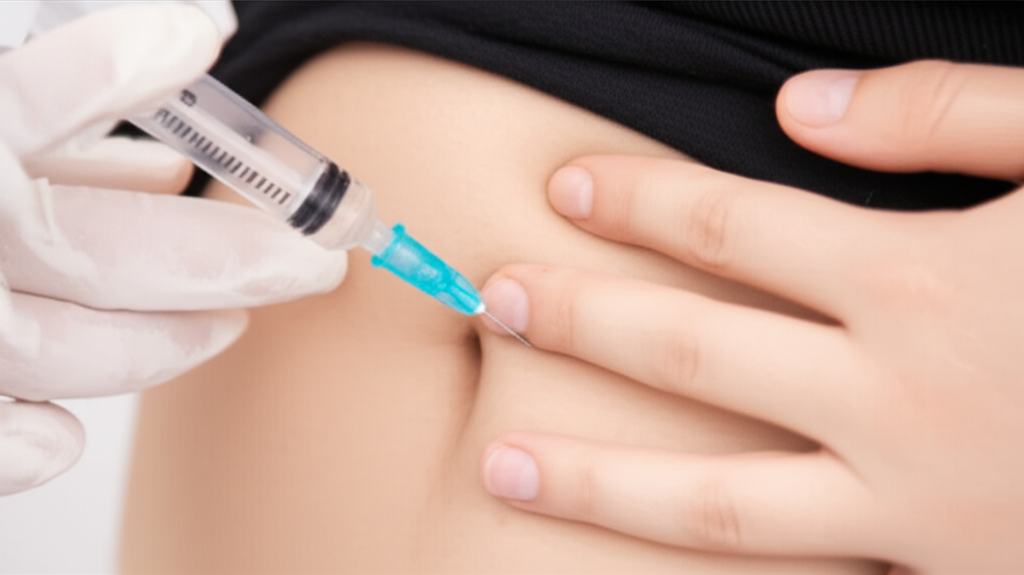
These medications are typically designed for self-injection, usually under the skin (subcutaneous injection). Your healthcare provider or a nurse will show you exactly how to:
- Prepare the injection (e.g., attach the needle to the pen).
- Choose an injection site (common areas are the abdomen, thigh, or upper arm).
- Clean the site.
- Administer the injection correctly.
- Dispose of used needles safely.
Most people find self-injection to be straightforward after the first few times. The pens are designed for ease of use.
4. Lifestyle Modifications: The Essential Partnership
It’s vital to understand that weight loss injections are most effective when they are part of a comprehensive weight management plan. This means they should be combined with:
- Dietary Changes: Focusing on a balanced, reduced-calorie diet. This doesn’t mean starving yourself, but making healthier food choices and managing portion sizes.
- Increased Physical Activity: Incorporating regular exercise into your routine.
- Behavioral Support: This might include working with a dietitian, therapist, or coach to address eating habits and emotional well-being.
The injections help manage your appetite, making it easier to stick to these healthy lifestyle changes. The Centers for Disease Control and Prevention (CDC) emphasizes the importance of a combined approach for sustainable weight loss.
5. Monitoring Progress and Adjustments
You’ll have regular follow-up appointments with your healthcare provider to monitor your progress, weight loss, and any side effects. They may adjust your dosage or discuss other aspects of your treatment plan as needed.
Proven Results: What the Science Says
The effectiveness of weight loss injections, particularly GLP-1 receptor agonists, is supported by extensive clinical research. These aren’t just anecdotal claims; they are backed by large-scale studies that have been reviewed by regulatory bodies like the U.S. Food and Drug Administration (FDA).
Clinical Trial Highlights
Several major clinical trials have demonstrated significant weight loss in individuals using these medications compared to placebo groups. For instance:
- STEP Program (Semaglutide): These trials consistently showed participants achieving average weight loss of 10-15% or more of their initial body weight.
- SURMOUNT Program (Tirzepatide): These studies have reported even higher average weight loss percentages, sometimes exceeding 20%.
- Previous studies on Liraglutide (Saxenda): Also showed statistically significant weight loss compared to placebo.
These results are often achieved when the medications are used in conjunction with lifestyle changes, as mentioned earlier. The goal is not just rapid weight loss, but sustainable weight management.
Factors Influencing Results
While the injections are powerful tools, individual results can vary. Several factors play a role:
- Genetics: Your body’s unique genetic makeup can influence how you respond to medications and your metabolism.
- Adherence to Lifestyle Changes: The degree to which you adopt a healthy diet and exercise regimen significantly impacts outcomes.
- Starting Weight and Health Status: Individuals with higher starting weights or certain metabolic conditions may see different results.
- Dosage and Duration: The prescribed dose and how long you stay on the medication can affect the amount of weight lost.
- Metabolic Rate: Individual metabolic rates can differ.
It’s important to have realistic expectations. Weight loss injections help make it easier to achieve a calorie deficit, but consistent effort is still key.
Long-Term Weight Management
One of the promising aspects of these medications is their potential for sustained weight loss. Unlike some older weight loss methods, GLP-1 agonists have shown the ability to help people keep the weight off long-term, provided they continue with the medication and lifestyle changes. This is because they address the underlying hormonal signals that drive appetite and hunger.
Potential Side Effects and Considerations
Like all medications, weight loss injections can have side effects. It’s important to be aware of these so you can discuss them with your doctor and know what to watch out for.
Common Side Effects
Most side effects are gastrointestinal and tend to be mild to moderate. They often occur when starting the medication or when the dose is increased and usually improve over time:
- Nausea
- Vomiting
- Diarrhea
- Constipation
- Abdominal pain
- Loss of appetite
- Headache
- Fatigue
Less Common but More Serious Side Effects
While rare, some more serious side effects can occur. These require immediate medical attention:
- Pancreatitis: Inflammation of the pancreas. Symptoms include severe abdominal pain that may radiate to the back, with or without vomiting.
- Gallbladder Problems: Such as gallstones.
- Kidney Problems: Especially if you experience severe vomiting or diarrhea leading to dehydration.
- Allergic Reactions: Including rash, itching, or difficulty breathing.
- Thyroid Tumors: In animal studies, GLP-1 agonists have been linked to thyroid C-cell tumors. It is not known if they cause these tumors in humans. People with a personal or family history of medullary thyroid carcinoma (MTC) or Multiple Endocrine Neoplasia syndrome type 2 (MEN 2) should not use these medications.
Important Considerations Before Starting
Before you begin using weight loss injections, keep these points in mind:
- Not a Quick Fix: They are a tool to support a healthier lifestyle, not a replacement for it.
- Cost: These medications can be expensive, and insurance coverage varies.
- Prescription Required: They are only available with a doctor’s prescription.
- Individual Response: Everyone reacts differently. What works well for one person might not work as well for another.
- Long-Term Commitment: For sustained results, you may need to continue treatment and lifestyle changes long-term.
A thorough discussion with your healthcare provider is essential to weigh the benefits against potential risks and ensure this treatment aligns with your overall health goals.
Pros and Cons of Weight Loss Injections
To help you make an informed decision, let’s break down the advantages and disadvantages of using weight loss injections:
Pros (Advantages)
- Significant Weight Loss: Clinical trials show substantial and effective weight loss for many individuals.
- Appetite Control: Effectively reduces hunger and cravings, making it easier to manage food intake.
- Improved Satiety: Helps you feel full on less food and for longer periods.
- Support for Lifestyle Changes: Makes adhering to a healthy diet and exercise plan more manageable.
- Potential for Long-Term Maintenance: Can help sustain weight loss over time.
- Convenient Dosing: Many are once-weekly injections, simplifying the routine.
- Health Benefits: Beyond weight loss, some can improve blood sugar control and cardiovascular risk factors.
Cons (Disadvantages)
- Side Effects: Common gastrointestinal issues like nausea and diarrhea can occur.
- Serious Risks: Though rare, potential serious side effects like pancreatitis exist.
- Cost: Can be very expensive, and insurance coverage isn’t always guaranteed.
- Requires Prescription and Medical Supervision: Not available over-the-counter and needs ongoing doctor care.
- Self-Injection: Requires the ability and willingness to self-administer injections.
- Not for Everyone: Certain medical conditions or histories may preclude their use.
- Need for Lifestyle Changes: Results are best when combined with diet and exercise; they are not a standalone solution.
Here’s a quick summary table:
| Advantages | Disadvantages |
|---|---|
| Significant weight loss potential | Potential for side effects (nausea, etc.) |
| Effective appetite and craving control | Risk of rare but serious side effects |
| Supports healthy eating habits | High cost; insurance coverage varies |
| Can aid long-term weight maintenance | Requires prescription and medical supervision |
| Convenient dosing schedules (e.g., weekly) | Must be combined with lifestyle changes for best results |
Frequently Asked Questions About Weight Loss Injections
Q1: Are weight loss injections safe for everyone?
No, weight loss injections are not safe for everyone. They are only suitable for individuals who meet specific medical criteria, such as a certain Body Mass Index (BMI) and the presence of weight-related health conditions. People with a history of certain medical issues, like medullary thyroid carcinoma or MEN 2, should not use GLP-1 agonists. A thorough medical evaluation by a healthcare provider is essential to determine if they are a safe option for you.
Q2: How quickly can I expect to see results?
Results vary from person to person. Many individuals start to notice a reduction in appetite and cravings within the first few weeks of treatment. Visible weight loss typically becomes more apparent over several months as you consistently follow the treatment plan, including diet and exercise. Significant weight loss is usually observed after 6-12 months of consistent use.
Q3: Do I have to take these injections forever?
For long-term weight management and to maintain weight loss, many people need to continue taking the injections, along with their healthy lifestyle habits. If you stop the medication without maintaining healthy habits, you may regain weight. Your doctor will discuss the long-term plan based on your individual progress and needs.
Q4: Can I get weight loss injections from my regular doctor?
You can discuss weight loss injections with your regular doctor, but they may refer you to a specialist in weight management or endocrinology. These specialists have more experience with these types of medications and can provide comprehensive care. It’s important to consult with a qualified healthcare professional who can assess your suitability and prescribe the medication safely.
Q5: What is the difference between Ozempic, Wegovy, Saxenda, and Mounjaro/Zepbound?
Ozempic and Wegovy both contain semaglutide but are approved for different primary uses (diabetes for Ozempic, chronic weight management for Wegovy). Saxenda contains liraglutide and is approved for weight management. Mounjaro and Zepbound contain tirzepatide, which acts on both GLP-1 and GIP receptors, making it a dual agonist, and is approved for diabetes (Mounjaro) and chronic weight management (Zepbound). They differ in their active ingredients, dosing schedules, and specific approvals.
Q6: Will I lose weight if I don’t change my diet or exercise?
While weight loss injections can help reduce appetite and calorie intake, the most significant and sustainable results are achieved when combined with a healthy, reduced-calorie diet and regular physical activity. Without lifestyle changes, weight loss may be minimal, and the long-term benefits will be limited. These injections are designed to support, not replace, a healthy lifestyle.
Conclusion: Your Path to Understanding and Success
Navigating the world of weight loss can feel overwhelming, but understanding how tools like weight loss injections work is a powerful step forward. We’ve explored how these medications, primarily GLP-1 receptor agonists, mimic your body’s natural hormones to help you feel fuller, reduce cravings, and ultimately eat less, leading to proven weight loss results. Remember, these injections are not a magic bullet, but rather a scientifically backed support system that works best when partnered with healthy eating habits and regular physical activity. By consulting with a healthcare professional, understanding the process, and being aware of potential side effects, you can make an informed decision about whether this approach is right for you. Your journey towards a healthier you is unique, and with the right knowledge and support, you can achieve your goals. Keep learning, stay motivated, and take that next confident step!
As an Amazon Associate, We earn from qualifying purchases. When you purchase a product through Amazon links on pulsefitguide.com, we may earn a small commission at no extra cost to you. This helps support the site and keep our content free.
