


Yes, losing even a small amount of weight can significantly lower your blood pressure. This guide explains how weight loss helps your heart, offers practical tips, and answers your top questions in simple terms.
Feeling confused about weight and blood pressure can be frustrating. You hear that losing weight is good for your health, especially your heart, but how does it actually work? It’s not magic; it’s science! And understanding that science can make the journey much clearer and less overwhelming. This guide is here to break down exactly why shedding a few pounds can make a big difference for your blood pressure, offering easy-to-follow advice and answering your most common questions. Let’s dive in and make this simple!
Will Weight Loss Lower Blood Pressure? The Simple Answer
The short answer is a resounding yes. Losing weight is one of the most effective lifestyle changes you can make to help lower high blood pressure, also known as hypertension. Even a modest weight loss of 5% to 10% of your body weight can lead to significant improvements in your blood pressure readings.
Think of your body like a complex system. When there’s extra weight, especially around your middle, it can put more strain on your heart and blood vessels. This extra strain can cause your blood pressure to rise. By reducing that excess weight, you’re essentially taking the pressure off your cardiovascular system, allowing it to function more efficiently and keeping your blood pressure in a healthier range.
How Weight Loss Helps Your Blood Pressure: The Science Made Simple
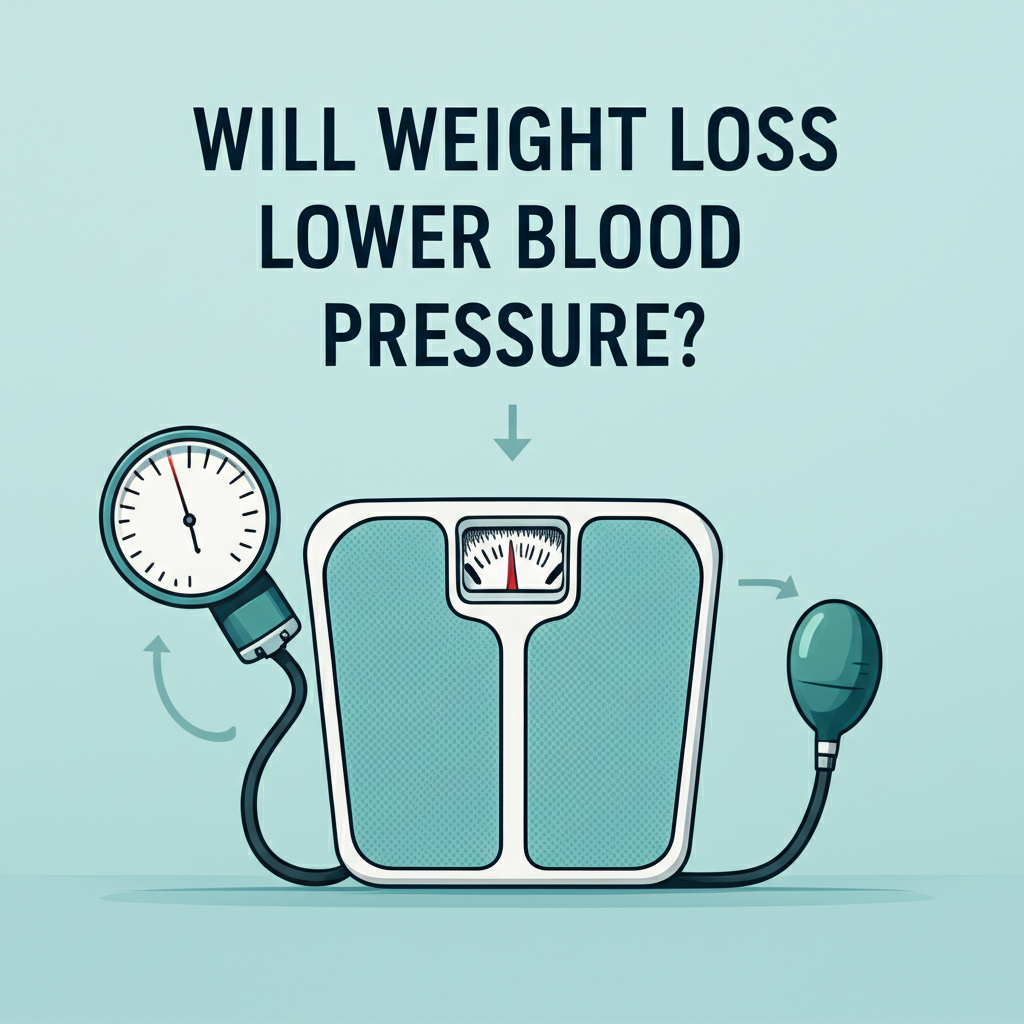
It’s easy to hear “lose weight, lower blood pressure” and nod along, but understanding the “how” can be incredibly motivating. When you lose weight, several key things happen inside your body that directly impact your blood pressure. Let’s break it down into easy-to-digest points:
- Reduced Strain on Your Heart: When you carry extra weight, your heart has to work harder to pump blood throughout your body. Imagine carrying a heavy backpack all day – it’s tiring! Losing weight means your heart has less distance and less resistance to pump against, so it doesn’t have to work as hard. This lower workload can decrease the force of blood against your artery walls.
- Improved Blood Vessel Function: Excess body fat, particularly visceral fat (fat around your organs), can release substances that make your blood vessels stiffer and less flexible. Healthy blood vessels can expand and contract easily to manage blood flow. When you lose weight, you can reduce the amount of this harmful fat, allowing your blood vessels to relax and function better. This improved elasticity helps lower blood pressure.
- Better Hormone Balance: Your body produces various hormones that affect blood pressure. For instance, extra weight can interfere with how your body uses insulin (leading to insulin resistance) and can increase levels of hormones like adrenaline and angiotensin, which constrict blood vessels and raise blood pressure. Weight loss can help restore a healthier balance of these hormones.
- Decreased Inflammation: Obesity is often linked to chronic inflammation throughout the body. This inflammation can damage blood vessels and contribute to high blood pressure. Losing weight can help reduce this systemic inflammation, creating a healthier environment for your cardiovascular system.
- Reduced Sleep Apnea Risk: Excess weight is a major risk factor for sleep apnea, a condition where breathing repeatedly stops and starts during sleep. Sleep apnea can cause dangerous spikes in blood pressure. By losing weight, you can improve or even resolve sleep apnea, leading to more stable blood pressure levels. You can learn more about the connection between weight and sleep apnea from the National Heart, Lung, and Blood Institute (NHLBI).
How Much Weight Loss is Needed to See a Difference?
This is a fantastic question, and the good news is that you don’t need to reach a “goal weight” overnight to start seeing benefits. Even small changes can make a significant impact. Healthcare professionals often use the following guidelines:
A weight loss of just 5% to 10% of your current body weight can lead to noticeable improvements in blood pressure. For example, if you weigh 200 pounds, a 5% weight loss would be 10 pounds. Losing just those 10 pounds could potentially lower your systolic blood pressure (the top number) by about 5 mmHg and your diastolic blood pressure (the bottom number) by about 2-3 mmHg. These might sound like small numbers, but they can significantly reduce your risk of heart disease and stroke.
Consider this table, which illustrates the potential blood pressure reduction with different percentages of weight loss:
| Percentage of Weight Loss | Estimated Systolic Blood Pressure Reduction (mmHg) | Estimated Diastolic Blood Pressure Reduction (mmHg) |
|---|---|---|
| 5% | 2-5 | 1-2 |
| 7.5% | 3-7 | 2-3 |
| 10% | 5-10 | 2-5 |
| 15% | 7-15 | 3-8 |
As you can see, the more weight you lose, the greater the potential benefit for your blood pressure. However, even the smallest amounts of weight loss start the positive changes. The key is consistency and focusing on sustainable habits.
Practical Steps to Achieve Healthy Weight Loss and Lower Blood Pressure
Okay, so we know weight loss helps. But how do you actually do it in a way that feels manageable and sustainable, especially if you’re new to this? It’s all about making small, consistent changes to your daily habits. Here’s a step-by-step approach:
Step 1: Set Realistic Goals and Track Your Progress
Before you start, it’s helpful to know where you’re at and where you want to go. Don’t aim for drastic changes. Instead, focus on small, achievable goals.
- Consult Your Doctor: Before starting any new diet or exercise program, it’s always a good idea to talk to your doctor. They can help you set safe and appropriate weight loss goals based on your health status.
- Track Your Weight: Weigh yourself once a week, at the same time of day, and in similar clothing. This helps you see trends without getting discouraged by daily fluctuations.
- Measure Your Blood Pressure: If you have high blood pressure, your doctor might recommend you monitor it at home. Tracking both your weight and blood pressure will show you the direct link between your efforts and your health improvements.
Step 2: Focus on Nutrition – What You Eat Matters Most!
This doesn’t mean you have to eat bland foods or give up everything you love. It’s about making smarter choices more often. The Dietary Approaches to Stop Hypertension (DASH) diet is a well-researched eating plan that’s great for lowering blood pressure and supporting weight loss.
- Increase Fruits and Vegetables: Aim for a variety of colorful fruits and vegetables at every meal. They are packed with vitamins, minerals, and fiber, which help you feel full and satisfied.
- Choose Whole Grains: Opt for whole-wheat bread, brown rice, oats, and quinoa instead of refined grains. Whole grains provide more fiber and nutrients.
- Lean Protein Sources: Include lean meats, poultry, fish, beans, and nuts in your diet. These help build muscle and keep you feeling full longer.
- Healthy Fats: Incorporate sources like avocados, nuts, seeds, and olive oil. These are good for your heart and can help with satiety.
- Limit Sodium: High sodium intake can increase blood pressure. Try to reduce the amount of salt you add to food and be mindful of sodium in processed foods, canned goods, and restaurant meals. Reading food labels is crucial here!
- Reduce Added Sugars and Unhealthy Fats: These often come from processed snacks, sugary drinks, and fried foods. They contribute calories without much nutritional value and can negatively impact health.
- Portion Control: Be mindful of how much you’re eating. Using smaller plates and paying attention to hunger cues can help.
A balanced plate might look like this:
| Meal Component | Examples | Why it Helps |
|---|---|---|
| Vegetables | Broccoli, spinach, carrots, bell peppers, sweet potatoes | High in fiber and nutrients, low in calories, helps you feel full. |
| Fruits | Berries, apples, bananas, oranges, melon | Rich in vitamins, antioxidants, and natural sweetness. |
| Whole Grains | Brown rice, quinoa, whole-wheat pasta, oats | Provide sustained energy and fiber, which aids digestion and satiety. |
| Lean Protein | Chicken breast, fish, beans, lentils, tofu | Essential for muscle building and helps keep you satisfied after meals. |
| Healthy Fats | Avocado, nuts, seeds, olive oil | Important for hormone function and can increase satiety. Use in moderation. |
Step 3: Get Moving – Add Physical Activity
Regular exercise is a powerful tool for weight loss and blood pressure management. It helps burn calories, build muscle (which boosts metabolism), and directly improves the health of your heart and blood vessels.
- Start Gradually: If you’re new to exercise, begin with 15-20 minutes of moderate activity most days of the week. Gradually increase the duration and intensity as you get fitter.
- Find Activities You Enjoy: This is key to sticking with it! Try brisk walking, cycling, swimming, dancing, or hiking. Even gardening or playing active games with kids counts!
- Incorporate Strength Training: Adding 2-3 sessions of strength training per week can help build muscle mass. More muscle means a higher resting metabolism, which helps burn more calories even when you’re not exercising. You can use bodyweight exercises, resistance bands, or weights.
- Aim for Consistency: The goal is to make physical activity a regular part of your routine, not a one-off event.
- Talk to Your Doctor: Again, especially if you have existing health conditions, get clearance from your doctor before starting a new exercise program. They might recommend specific types of exercise or precautions. The Centers for Disease Control and Prevention (CDC) offers excellent resources on physical activity guidelines for adults.
Step 4: Make Lifestyle Changes for Long-Term Success
Weight loss isn’t just about diet and exercise; it’s about creating a healthier lifestyle overall.
- Manage Stress: Chronic stress can lead to unhealthy eating habits and can also directly impact blood pressure. Find healthy ways to cope with stress, such as meditation, deep breathing exercises, yoga, or spending time in nature.
- Prioritize Sleep: Aim for 7-9 hours of quality sleep per night. Poor sleep can disrupt hormones that regulate appetite and metabolism, making weight loss harder and potentially affecting blood pressure.
- Stay Hydrated: Drink plenty of water throughout the day. Sometimes thirst can be mistaken for hunger, and staying hydrated is crucial for overall bodily functions.
- Limit Alcohol: Excessive alcohol consumption can raise blood pressure and add extra calories. If you drink, do so in moderation.
- Quit Smoking: If you smoke, quitting is one of the best things you can do for your blood pressure and overall health.
Common Challenges and How to Overcome Them
It’s normal to face hurdles on your weight loss journey. Here are some common challenges and practical ways to tackle them:
- Feeling Hungry: Focus on nutrient-dense, high-fiber foods that keep you full, like vegetables, fruits, and whole grains. Drink water before meals.
- Lack of Motivation: Set small, achievable goals. Celebrate your successes! Find a workout buddy or join a supportive online community. Remind yourself why you’re doing this – for your health and well-being.
- Time Constraints: Plan your meals and snacks ahead of time. Incorporate short bursts of activity into your day, like a brisk walk during your lunch break.
- Emotional Eating: Identify your triggers for emotional eating. Find alternative coping mechanisms for stress or difficult emotions, such as journaling, talking to a friend, or engaging in a hobby.
- Plateaus: Weight loss isn’t always linear. If your weight loss stalls, review your diet and exercise habits. Sometimes small adjustments are needed, or it’s just a temporary phase. Be patient and persistent.
Frequently Asked Questions (FAQ)
Here are some common questions beginners have about weight loss and blood pressure:
Q1: How quickly can I expect my blood pressure to lower after losing weight?
A1: You can start seeing improvements in your blood pressure relatively quickly, often within weeks of beginning a weight loss program. However, the rate of change varies for each individual. Consistent healthy habits are more important than rapid results.
Q2: Is it safe to lose weight if I have high blood pressure?
A2: Yes, for most people, losing weight is not only safe but highly recommended to manage high blood pressure. However, it’s crucial to discuss your weight loss plans with your doctor first. They can guide you on a safe and effective approach and ensure it doesn’t interfere with any medications you might be taking.
Q3: Do I need to lose a lot of weight to see blood pressure benefits?
A3: Absolutely not! As mentioned earlier, losing even 5-10% of your body weight can make a significant positive difference in your blood pressure readings. Every pound lost contributes to a healthier heart.
Q4: What if I’m already at a “healthy” weight but still have high blood pressure?
A4: Blood pressure is influenced by many factors beyond weight, including genetics, diet (especially sodium intake), stress, and activity levels. Even if your weight is within a normal range, focusing on a heart-healthy diet (like the DASH diet), regular exercise, stress management, and adequate sleep can still help lower your blood pressure.
Q5: Can I lose weight and lower blood pressure without going to the gym?
A5: Definitely! You don’t need a gym membership to achieve weight loss and improve blood pressure. Focusing on a balanced, whole-foods-based diet and incorporating activities like brisk walking, cycling outdoors, or even dancing at home can be very effective. Bodyweight exercises can also be done anywhere.
Q6: Are there any specific foods that are especially good for lowering blood pressure while losing weight?
A6: Yes! Foods rich in potassium, magnesium, and fiber are excellent. Think leafy greens (spinach, kale), bananas, sweet potatoes, beans, lentils, berries, and whole grains. The DASH diet emphasizes these types of foods. Limiting high-sodium processed foods is also key.
Conclusion: Your Journey to a Healthier Heart Starts Now
Understanding that weight loss can directly lower your blood pressure is a powerful first step. It’s not about drastic diets or grueling workouts; it’s about making sustainable, healthy choices that support your body. By focusing on nourishing your body with whole foods, staying active in ways you enjoy, managing stress, and getting enough sleep, you are actively working towards a healthier heart and a more vibrant life.
Remember, every small step you take—whether it’s choosing an apple over a cookie, taking a short walk, or drinking an extra glass of water—contributes to your overall well-being. Be patient with yourself, celebrate your progress, and know that you have the power to make positive changes. Your journey to lower blood pressure and a healthier weight is achievable, and it starts with the informed, practical steps you take today. You’ve got this!
As an Amazon Associate, We earn from qualifying purchases. When you purchase a product through Amazon links on pulsefitguide.com, we may earn a small commission at no extra cost to you. This helps support the site and keep our content free.
