


Quick Summary: Generally, weight loss during pregnancy isn’t recommended or necessary for most healthy individuals. The focus should be on healthy weight gain to support your baby’s development. However, in specific medical situations and under strict doctor supervision, some women might see a slight decrease in weight, but this is rare and not a goal to pursue independently. Always consult your healthcare provider for personalized advice.
Hey there! Are you feeling a bit confused about weight during pregnancy? It’s totally normal to have questions. Many people think pregnancy is all about gaining weight, and for the most part, that’s true! Your body is doing amazing work growing a whole new human. But sometimes, you might hear about weight loss, or notice your weight fluctuating. This can be a bit worrying, right? Don’t stress! This guide is here to break down why weight loss during pregnancy happens, when it’s okay, and what it means. We’ll go through it step-by-step, keeping things super simple and encouraging.
Understanding Weight Changes During Pregnancy
Pregnancy is a unique journey, and your body will go through many changes. Weight is one of the most noticeable ones. For most healthy pregnancies, healthcare providers recommend a specific amount of weight gain. This gain is crucial because it provides the nutrients and energy your baby needs to grow and develop properly. Think of it as building a safe and nurturing environment for your little one.
However, the idea of “weight loss” during pregnancy can pop up. It’s important to understand that this isn’t a goal for expectant mothers. Instead, it’s usually a symptom or a temporary phase that happens for specific reasons. It’s rarely something to aim for. Our main focus will be on understanding these situations and why they occur, so you can feel more informed and less anxious.
Why Weight Gain is Usually the Focus
Before we dive into why some might experience weight loss, let’s quickly touch on why weight gain is the standard recommendation. This helps paint the full picture.
- Baby’s Growth: Your baby needs calories and nutrients from you to grow from a tiny embryo into a fully developed infant.
- Placenta and Amniotic Fluid: These are essential for your baby’s life support and also contribute to your weight gain.
- Increased Blood Volume: Your body produces significantly more blood to support the pregnancy, adding to your weight.
- Larger Uterus: The uterus expands dramatically to accommodate your growing baby.
- Maternal Tissue Growth: Your body builds up fat stores to provide energy for labor and breastfeeding.
The amount of weight gain recommended can vary based on your pre-pregnancy weight. The American College of Obstetricians and Gynecologists (ACOG) provides guidelines for this. For example, women with a normal Body Mass Index (BMI) before pregnancy are typically advised to gain between 25 to 35 pounds.
When Might Weight Loss Occur During Pregnancy?
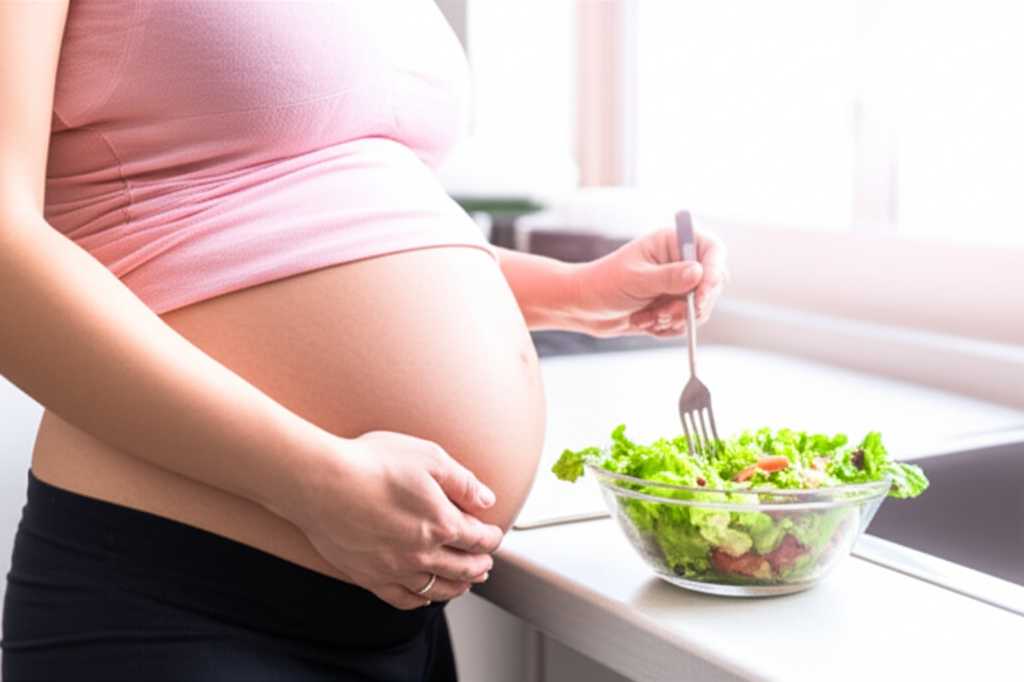
While not a goal, a temporary dip in weight can happen, especially in the early stages of pregnancy. It’s usually due to common pregnancy symptoms. Here are the main reasons why you might see the number on the scale go down, or stay the same when you expect it to go up:
1. Morning Sickness (Nausea and Vomiting)
This is probably the most common reason for temporary weight loss in early pregnancy. Morning sickness, which can strike at any time of day, involves nausea and vomiting. For some women, this can be so severe that they struggle to keep food and drinks down.
- How it happens: When you’re vomiting frequently, you’re losing calories and fluids. If you’re not able to eat enough to compensate, your body might start using its stored energy, leading to weight loss.
- What to do: Try eating small, frequent meals. Bland foods like crackers, toast, or rice can be easier to tolerate. Staying hydrated is also key; sip on water, clear broths, or electrolyte drinks. If your morning sickness is severe and causing significant weight loss, talk to your doctor. They might suggest medications or other strategies to help manage it.
2. Changes in Appetite and Food Aversions
Pregnancy hormones can play tricks on your appetite. Some women find their appetite decreases significantly, especially if certain foods or smells trigger nausea. You might also develop strong food aversions – a sudden dislike for foods you used to enjoy.
- How it happens: If you’re simply not feeling hungry or can’t stomach your usual meals, your calorie intake will naturally decrease. This can lead to a slight drop in weight.
- What to do: Focus on nutrient-dense foods when you can eat. Even if it’s just a few bites, make them count. Think smoothies with protein powder, yogurt, or small portions of lean meats and vegetables. Don’t force yourself to eat things that make you sick, but try to find alternatives.
3. Hyperemesis Gravidarum (Severe Morning Sickness)
This is a much more severe form of morning sickness. Hyperemesis gravidarum can lead to extreme nausea, persistent vomiting, dehydration, and significant weight loss. It’s a serious condition that requires medical attention.
- How it happens: Women with hyperemesis gravidarum may vomit multiple times a day, unable to keep any food or fluids down. This leads to rapid weight loss, electrolyte imbalances, and can be dangerous for both the mother and baby if not treated.
- What to do: If you suspect you have hyperemesis gravidarum, seek medical help immediately. Treatment often involves hospitalization, intravenous fluids, and anti-nausea medications. Early intervention is crucial for a healthy pregnancy outcome.
4. Underlying Medical Conditions
In rare cases, pre-existing medical conditions or newly developed ones during pregnancy could contribute to weight loss. These might include thyroid issues, digestive problems, or infections.
- How it happens: These conditions can affect your metabolism, nutrient absorption, or appetite, leading to unintended weight loss.
- What to do: It’s vital to discuss any health concerns with your doctor. They can run tests to identify any underlying issues and manage them appropriately.
5. Pre-Pregnancy Weight and BMI
For women who are overweight or obese before pregnancy, their bodies might have more reserves. In some instances, especially if they make healthier food choices and are more active (under medical guidance), they might experience a slight initial weight loss or slower weight gain. This is often a sign of improved metabolic health rather than a cause for concern, but it must be monitored by a healthcare provider.
It’s important to distinguish between healthy, doctor-supervised weight management strategies for those with higher BMIs and unintentional, concerning weight loss. The key is always professional guidance.
Is Weight Loss During Pregnancy Harmful?
For the vast majority of healthy pregnancies, intentional weight loss is not recommended and can be harmful. Your growing baby needs consistent nourishment, and restricting calories can deprive them of essential nutrients for development. However, when weight loss is temporary and due to common pregnancy symptoms like morning sickness, it’s often not harmful if it’s a small amount and resolves as the pregnancy progresses.
The main concern is if the weight loss is significant, persistent, or leads to dehydration and malnutrition. This can:
- Affect the baby’s growth and development.
- Increase the risk of premature birth.
- Lead to low birth weight for the baby.
- Cause dehydration and electrolyte imbalances in the mother.
If you are experiencing any significant or concerning weight loss, it is absolutely crucial to consult your healthcare provider. They can assess your situation, determine the cause, and ensure both you and your baby are healthy.
When to Talk to Your Doctor
As your coach, I always want you to feel empowered and informed. The most important thing you can do during pregnancy is maintain open communication with your doctor or midwife. Here are some signs that you should definitely reach out to your healthcare team:
- Losing more than 2-3 pounds in a week.
- Inability to keep any food or liquids down for more than 24 hours.
- Signs of dehydration: dark urine, dry mouth, dizziness, infrequent urination.
- Significant decrease in appetite that lasts for several days.
- Concerns about your weight or any other pregnancy symptom.
Your doctor can monitor your weight, your baby’s growth, and your overall health to ensure everything is on track. They are your best resource for personalized advice.
Focusing on Healthy Habits, Not Just the Scale
Instead of focusing on weight loss or even the exact number on the scale, it’s more beneficial to focus on healthy habits that support a thriving pregnancy. This mindset shift can reduce stress and promote overall well-being.
Nutrition During Pregnancy
Eating a balanced diet is key. Even if you’re experiencing nausea, try to incorporate nutrient-rich foods.
- Lean Proteins: Chicken, fish, beans, lentils, and tofu.
- Fruits and Vegetables: Aim for a variety of colors.
- Whole Grains: Oats, brown rice, whole wheat bread.
- Healthy Fats: Avocados, nuts, seeds, olive oil.
- Dairy or Alternatives: Milk, yogurt, cheese, or fortified plant-based options for calcium and vitamin D.
Remember to stay hydrated! Water is your best friend. If plain water is hard to stomach, try infused water with lemon or cucumber, or sip on herbal teas approved for pregnancy.
Gentle Exercise
If your doctor approves, gentle exercise can be beneficial. It can help with energy levels, mood, and managing common pregnancy discomforts. Examples include:
- Walking
- Prenatal yoga
- Swimming
- Light strength training
Always listen to your body and don’t push yourself too hard. Consult your doctor before starting any new exercise program.
Managing Stress
Pregnancy can be a stressful time. Finding healthy ways to manage stress is important for both you and your baby.
- Mindfulness and Meditation: Even a few minutes a day can help.
- Deep Breathing Exercises: Simple and effective for calming the nervous system.
- Gentle Movement: As mentioned above, exercise can be a great stress reliever.
- Support System: Talk to your partner, friends, family, or a support group.
A study published in the journal Psychoneuroendocrinology highlights the link between maternal stress and fetal development, emphasizing the importance of stress management.
What If I Was Advised to Lose Weight Before Pregnancy?
If you were advised to lose weight before becoming pregnant, especially if you have conditions like PCOS (Polycystic Ovary Syndrome), obesity, or gestational diabetes risk, your healthcare provider would have a specific plan for you. In such cases, your doctor might guide you on a healthy rate of weight gain or, in very specific circumstances, a slow, medically supervised weight loss approach before conception or in early pregnancy if benefits clearly outweigh risks. However, this is highly individualized and always under strict medical supervision. It’s never something to attempt on your own.
The focus in these situations is often on improving metabolic health through diet and exercise to create a healthier environment for the pregnancy and reduce risks for both mother and baby. For instance, managing blood sugar levels through diet is crucial for preventing gestational diabetes.
A Table: Common Pregnancy Weight Changes and What They Mean
Let’s look at a simple table to help clarify common weight-related scenarios during pregnancy.
| Scenario | Typical Cause | Is it Concerning? | What to Do |
|---|---|---|---|
| Slight weight loss in the first trimester | Morning sickness, appetite changes | Usually not, if temporary and mild. | Focus on small, frequent meals; stay hydrated. Consult doctor if severe or prolonged. |
| No weight gain in the first trimester | Morning sickness, normal hormonal shifts | Often not, especially if you were at a healthy weight before pregnancy. | Focus on nutrient intake when possible. Discuss with doctor at your next appointment. |
| Significant or rapid weight loss | Hyperemesis gravidarum, underlying illness | Yes, requires immediate medical attention. | Contact your doctor or go to the ER immediately. |
| Steady, recommended weight gain | Normal pregnancy progression, adequate nutrition | No, this is the expected and healthy outcome. | Continue healthy eating and lifestyle habits. |
| Weight loss or minimal gain in later trimesters | Possible underlying medical issue, inadequate nutrition | Yes, consult your doctor promptly. | Seek medical evaluation to determine the cause. |
Essential Nutrients for a Healthy Pregnancy
Ensuring you get enough essential nutrients is vital for your baby’s development and your well-being, regardless of minor weight fluctuations. Here are some key players:
- Folic Acid (Folate): Crucial for preventing neural tube defects. Found in leafy greens, beans, and fortified cereals. A prenatal vitamin usually provides this.
- Iron: Supports increased blood volume and prevents anemia. Good sources include lean red meat, poultry, fish, beans, and spinach.
- Calcium: Essential for your baby’s bone development and maintaining your own bone health. Found in dairy products, fortified plant milks, and leafy greens.
- Vitamin D: Works with calcium for bone health and plays a role in immune function. Sunlight is a source, as are fatty fish and fortified foods.
- Omega-3 Fatty Acids (DHA): Important for baby’s brain and eye development. Found in fatty fish like salmon, as well as walnuts and flaxseeds.
A good prenatal vitamin is highly recommended to help fill any nutritional gaps. You can learn more about prenatal nutrition from resources like the Centers for Disease Control and Prevention (CDC).
Frequently Asked Questions (FAQ)
Q1: Can I go on a diet to lose weight while pregnant?
A1: Generally, no. Intentional dieting for weight loss is not recommended during pregnancy as it can deprive your baby of essential nutrients. Focus on a balanced diet and discuss any weight concerns with your doctor. Some women with pre-existing conditions might be advised on specific dietary plans under medical supervision, but this is not a typical diet.
Q2: I’m overweight. Should I try to lose weight during pregnancy?
A2: This is a question best answered by your doctor. For some overweight or obese individuals, a slower rate of weight gain or even slight, medically supervised weight loss might be recommended. However, this is rare, depends on individual health factors, and must be guided by your healthcare provider. The primary goal is a healthy pregnancy for you and your baby.
Q3: Is it normal to lose weight in the first trimester?
A3: Yes, it can be quite common to experience a small amount of weight loss in the first trimester, primarily due to morning sickness (nausea and vomiting) and changes in appetite. As long as it’s not excessive and you can stay hydrated, it’s usually not a cause for concern. Talk to your doctor if you’re worried.
Q4: What if I’m not gaining any weight at all?
A4: If you’re not gaining weight by your second or third trimester, it’s important to discuss this with your doctor. They will monitor your baby’s growth and your overall health to ensure everything is on track. Sometimes, it’s perfectly fine, but other times it might indicate a need for nutritional support or investigation into other factors.
Q5: How much weight loss is too much during pregnancy?
A5: Losing more than 2-3 pounds in a week, or experiencing significant weight loss (e.g., 5% or more of your pre-pregnancy weight) without a clear reason like severe vomiting, is generally considered too much and warrants immediate medical attention. Dehydration and malnutrition are the main risks.
Q6: Can I take weight loss supplements or herbs?
A6: Absolutely not. Weight loss supplements and most herbal remedies are not tested for safety during pregnancy and can be extremely harmful to both you and your developing baby. Stick to dietary changes and exercise as approved by your doctor.
Conclusion
Navigating weight changes during pregnancy can feel like a puzzle, but remember, you’re not alone, and your body is doing something incredible! For most healthy pregnancies, the focus is on appropriate weight gain, which is essential for your baby’s development. Temporary weight loss, especially in the early stages due to common symptoms like morning sickness, is often normal and not a cause for alarm if it’s mild and short-lived. The most important advice I can give you is to stay in close communication with your healthcare provider. They are your best resource for personalized guidance, monitoring your health, and ensuring a safe and healthy journey for both you and your baby.
Instead of stressing over the scale, concentrate on nourishing your body with healthy foods, staying hydrated, and listening to your body’s needs. Gentle movement, when approved by your doctor, can also contribute to your well-being. By focusing on these healthy habits and seeking professional support when needed, you’re setting yourself up for a positive pregnancy experience. You’ve got this!
As an Amazon Associate, We earn from qualifying purchases. When you purchase a product through Amazon links on pulsefitguide.com, we may earn a small commission at no extra cost to you. This helps support the site and keep our content free.
