


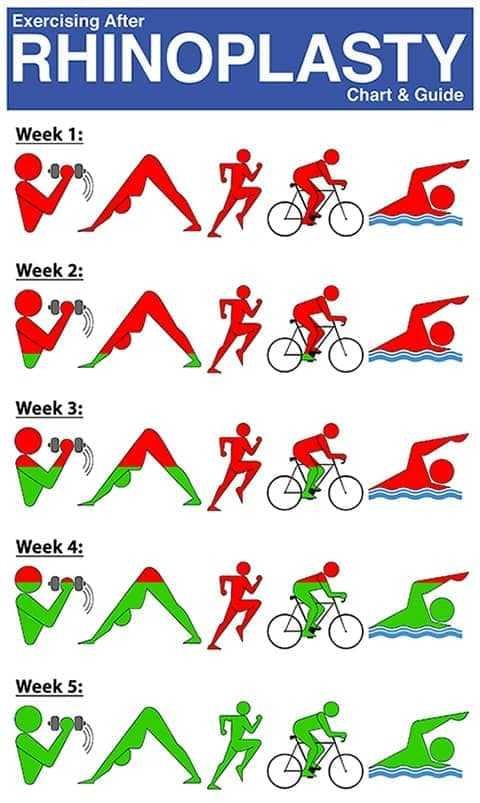
You can usually start light workouts around 2 to 3 weeks after a rhinoplasty, but intense exercise should be delayed for at least 4 to 6 weeks. Moving too soon can cause swelling, bleeding, or disrupt your healing process. So, patience is key to ensuring a smooth recovery and optimal results.
In general, most patients can resume light activities within a couple of weeks, but strenuous workouts should be avoided for at least a month or more, depending on individual healing. Always consult with your surgeon for personalized guidance, as every recovery is different.
Getting back to your fitness routine after rhinoplasty might seem tempting, but understanding the right timing is crucial for safe healing. The nose is a delicate structure that needs time to settle into its new shape. After surgery, your body is in a healing phase, and rushing back to intense workouts too soon can lead to complications like swelling, bleeding, or even damage to the nose. Most surgeons recommend starting light activities within a few weeks, but full-intensity exercise should be postponed until you’re fully healed, usually around 4 to 6 weeks post-operation. Listening to your healthcare provider’s advice is essential to protect your results and ensure a smooth recovery.

How Long After a Rhinoplasty Can You Workout
Understanding the Healing Process After Rhinoplasty
After a rhinoplasty, your nose needs time to heal properly. Swelling, bruising, and tenderness are common during the first few days and weeks. It’s essential to give your body enough time to recover before resuming physical activity. Engaging in workouts too early can cause complications or delay your healing.
The healing timeline varies from person to person, but generally, significant progress occurs within the first few weeks. Knowing what to expect helps you plan your return to exercise safely. Patience is key to ensuring the best results from your surgery.
Initial Weeks Post-Rhinoplasty and Activity Restrictions
In the first 48 to 72 hours, most doctors recommend **complete rest**. Rest helps minimize swelling and prevents bleeding. During this period, avoid any strenuous activity or bending over, which can increase blood flow to the face.
By the end of the first week, many patients can start light walking or gentle movements. However, high-impact exercises, weightlifting, and contact sports remain off-limits. It’s vital to follow your surgeon’s specific instructions during this critical period.
When Can You Resume Light Physical Activities?
Typically, around **one to two weeks after surgery**, patients may begin light activities. These include:
- Walking at a gentle pace
- Stretching
- Light yoga without head inversion
These activities should be performed carefully, avoiding any jarring movements or activities that cause sweating or increase blood pressure. Always listen to your body and stop if you experience discomfort.
Understanding the Risks of Early Exercise
Exercising too soon after rhinoplasty can lead to several issues, including:
- Increased swelling or bleeding
- Displacement or damage to nasal structures
- Delayed healing process
High-impact workouts or heavy lifting can elevate blood pressure, risking bleeding or hematoma formation. It’s best to avoid these until your doctor clears you to do so.
When Is It Safe to Return to Moderate Workouts?
Most surgeons suggest waiting approximately **three to four weeks** before engaging in moderate exercises. These include:
- Walking briskly
- Stationary cycling
- Light weight training with minimal strain
At this stage, your nose should show signs of healing with reduced swelling. Remember, every individual heals differently, so always seek your surgeon’s approval before progressing to more strenuous activities.
Resuming High-Impact and Contact Sports
For high-impact activities, including running, aerobics, or sports involving physical contact, wait at least **six weeks** post-surgery. This timeline allows your nasal tissues to regain strength and stability.
Before returning to intense sports, ensure:
- Swelling and bruising are significantly reduced
- You have clearance from your surgeon
- You wear protective gear if applicable
Gradually reintroducing these activities helps minimize risks of injury or complications.
Guidelines for Safe Return to Exercise
Here are some tips to resume workouts safely after rhinoplasty:
- Start slow and gradually increase intensity
- Always warm up properly to prepare your body
- Stay well-hydrated to prevent swelling
- Avoid activities that cause discomfort or pain
- Wear appropriate protective gear if necessary
- Listen to your body and stop if symptoms occur
Consulting your surgeon throughout your recovery ensures you’re progressing safely.
Monitoring Your Recovery and Recognizing Warning Signs
Pay close attention to your body during physical activity. Watch for signs like:
- Persistent swelling or bruising
- Unexpected bleeding
- Severe pain or discomfort
- Changes in nasal shape or function
If you notice any of these, stop exercising immediately and contact your healthcare provider. Prompt action can prevent serious complications.
Additional Tips for a Smooth Recovery and Active Lifestyle
Besides following activity restrictions, consider these tips:
- Follow your surgeon’s instructions regarding wound care
- Maintain a healthy diet to support healing
- Avoid smoke and alcohol, which can impair recovery
- Ensure proper sleep to reduce swelling
- Stay patient—full recovery can take several months
By combining careful activity management with overall health habits, you maximize your healing and return to your regular routine safely.
Related Topics to Consider During Your Recovery
While recovering from rhinoplasty, you may also want to explore:
- Post-operative skincare routines
- Managing nasal congestion and dryness
- Understanding scar care and minimizing marks
- Psychological aspects of cosmetic surgery recovery
These topics can help ensure a comprehensive recovery experience and improve your overall satisfaction with the results.
Summary of Timeframes for Resuming Exercise After Rhinoplasty
| Activity Level | Typical Timeframe | Recommendations |
|———————————-|———————————-|———————————————————-|
| Complete Rest (first 48-72 hours) | N/A | Rest, avoid all strenuous activity |
| Light activities (1-2 weeks) | Usually possible with caution | Gentle walking, stretching, avoid jarring movements |
| Moderate workouts (3-4 weeks) | Generally safe with approval | Brisk walking, light cycling, light weightlifting |
| High-impact sports (6+ weeks) | After surgeon clearance | Running, contact sports, intense workouts |
Always note that individual healing rates may vary. Consult your surgeon regularly and listen to your body.
Knowing how long after a rhinoplasty you can work out depends on your healing progress and the type of exercise. Patience and careful planning are vital for a safe return to physical activity. Following your surgeon’s advice and gradually increasing activity levels can help you avoid setbacks and achieve the best results from your surgery.
How Long After Rhinoplasty Can I Workout? | Dr. Angela Sturm
Frequently Asked Questions
When is it generally safe to resume light activities after a rhinoplasty?
It is typically safe to start light activities such as walking or gentle stretching about a week after surgery, provided your surgeon approves. These activities do not put significant strain on your nose or body and help promote circulation, which can aid in healing. However, avoid any activity that increases your heart rate or causes discomfort until your surgeon confirms it is safe to do so.
How long should I wait before engaging in moderate exercise post-rhinoplasty?
Most patients can resume moderate exercise around two to three weeks after their rhinoplasty. This includes activities like cycling, swimming, or brisk walking. Before increasing the intensity, consult your surgeon to ensure your nose has sufficiently healed and your swelling has decreased. Remember to listen to your body and stop any activity that causes pain or discomfort.
When can I return to strenuous workouts or high-impact sports after my rhinoplasty?
Strenuous workouts or high-impact sports generally require a wait of at least four to six weeks post-surgery. During this period, your body continues to recover, and engaging in high-impact activities too soon might cause bleeding, swelling, or damage to the nose. Always follow your surgeon’s specific recommendations and gradually ease back into intense exercise, ensuring your healing process is progressing well.
Are there any signs I should look for before resuming physical activities after rhinoplasty?
Yes, you should wait until swelling diminishes significantly, bruising subsides, and your surgeon clears you for activity. Pay attention to any persistent pain, unusual bleeding, or discomfort around your nose. If you experience any of these symptoms, consult your doctor before resuming exercise. Proper healing ensures your nose maintains its results and prevents complications.
Why is it important to follow the recommended timeline for returning to exercise after rhinoplasty?
Following the recommended timeline helps prevent complications such as bleeding, increased swelling, or damage to the surgical site. It also supports optimal healing and preserves the aesthetic results of your procedure. Rushing back into physical activity can compromise your recovery, so adhering to your surgeon’s advice ensures you regain strength safely and effectively.
Final Thoughts
After a rhinoplasty, it’s important to give your body time to heal before resuming workouts. Typically, doctors recommend waiting at least two weeks for gentle activities and up to six weeks for strenuous exercise.
Listening to your body and following your surgeon’s advice ensures proper recovery.
how long after a rhinoplasty can you workout varies, but patience is key to achieving optimal results and avoiding setbacks.
As an Amazon Associate, We earn from qualifying purchases. When you purchase a product through Amazon links on pulsefitguide.com, we may earn a small commission at no extra cost to you. This helps support the site and keep our content free.
