


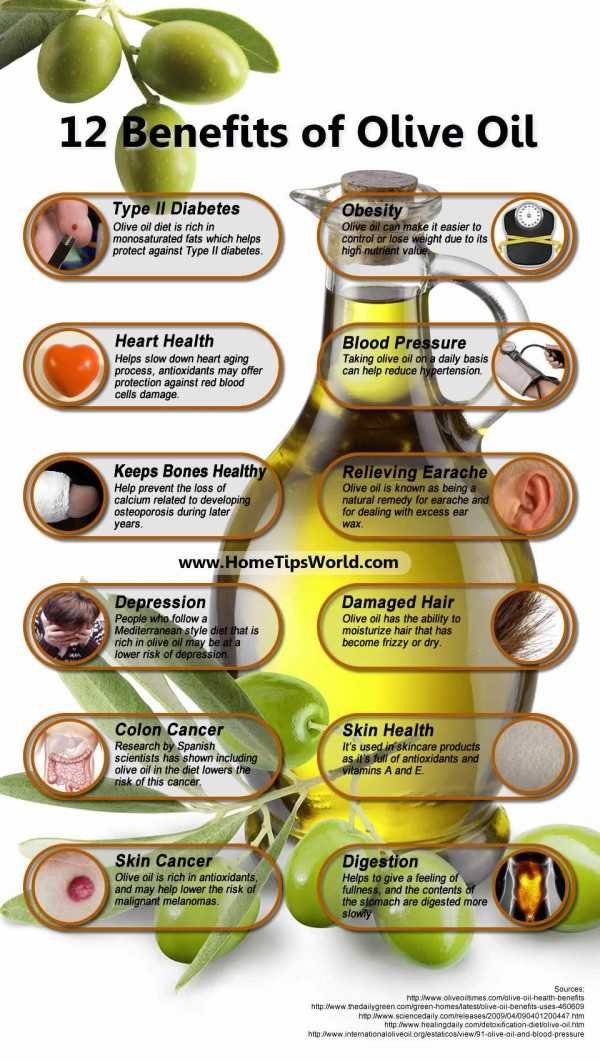
To effectively use olive oil for weight loss, incorporate a spoonful into your daily meals, such as drizzling it over salads or using it for cooking. Opt for extra virgin olive oil and watch your portion sizes to maximize benefits without overdoing it. Remember, consistency is key alongside a balanced diet and regular exercise.
Olive oil can be a powerful ally in your weight loss journey when used properly. By replacing unhealthy fats with healthy olive oil in your meals, you can boost satiety and support your metabolic health. The secret lies in mindful consumption—adding it to your diet in moderation and pairing it with a nutritious lifestyle.
Starting a weight loss routine with olive oil isn’t complicated. Simply add a teaspoon or two to your salads, vegetables, or grilled proteins, rather than frying or excessive dressings. This way, you harness its health benefits while keeping your calorie intake in check. Olive oil not only enhances flavor but also helps curb hunger pangs, making it easier to stick to your diet goals. Remember, integrating it thoughtfully into your meals can make a noticeable difference in your weight loss results while nourishing your body with its antioxidant properties.

How to Consume Olive Oil for Weight Loss
Using olive oil as part of your diet can be a simple and delicious way to support weight loss. It’s a healthy fat that helps increase feelings of fullness and reduces appetite. Knowing the best ways to consume olive oil can make a big difference in reaching your weight loss goals.
Understanding the Benefits of Olive Oil for Weight Loss
Olive oil is rich in monounsaturated fats, which are known to promote satiety. It also contains antioxidants like polyphenols that can reduce inflammation and support metabolism. Incorporating olive oil into your meals can help you eat less overall while still feeling satisfied.
Choosing the Right Type of Olive Oil
Opt for extra virgin olive oil because it has the highest nutrient content and fewer processing chemicals. It is cold-pressed, retaining more antioxidants and healthy fats. Avoid refined or light olive oils which have a milder flavor and less nutritional value.
How Much Olive Oil Should You Consume Daily?
Most health guidelines suggest about two to three tablespoons of olive oil daily. This amount provides enough healthy fats to support weight loss without adding excessive calories. Remember, moderation is key because olive oil is calorie-dense.
Best Ways to Incorporate Olive Oil into Your Diet
Use Olive Oil as a Salad Dressing
Replace creamy dressings with a simple mixture of olive oil, lemon juice, and herbs. Drizzle this over fresh greens and vegetables for a flavorful and healthy meal.
Cook with Olive Oil
Use olive oil instead of butter or margarine when sautéing vegetables or preparing poultry. It withstands moderate heat well, making it ideal for pan-frying and roasting.
Make Healthy Dips and Sauces
Create dips like hummus or guacamole with added olive oil for extra flavor and health benefits. Use olive oil-based vinaigrettes on salads for added richness.
Adding Olive Oil to Breakfast
Drizzle some olive oil over scrambled eggs or mix it into oatmeal. It can help boost your healthy fat intake early in the day, enhancing satiety.
Timing Your Olive Oil Consumption for Better Results
Consume olive oil during meals rather than on its own to maximize fat absorption and satiety. Having it with proteins and vegetables improves digestion and nutrient uptake.
Combining Olive Oil with Other Weight Loss Strategies
Pair with a High-Fiber Diet
Eating fiber-rich foods like fruits, vegetables, and whole grains alongside olive oil can slow digestion and keep you full longer.
Use as Part of a Balanced Diet
Incorporate olive oil into meals that include lean proteins and complex carbs. This balance helps maintain steady blood sugar levels and prevents overeating.
The Importance of Consistency
Regular use of olive oil in your meals encourages healthier eating habits over time. Making it a daily routine fosters sustained weight loss and overall health improvements.
Precautions and Tips for Using Olive Oil
- Store olive oil in a cool, dark place to preserve freshness and nutrients.
- Limit frying at high temperatures as it can degrade the oil’s quality.
- Use high-quality olive oil to ensure maximum health benefits.
- Be mindful of portion sizes to avoid excess calorie intake.
Combining Olive Oil with Physical Activity
Pairing a healthy diet that includes olive oil with regular exercise enhances weight loss results. Physical activity helps burn calories and supports metabolism.
Sample Meal Ideas Incorporating Olive Oil
| Meal Type | Sample Dish | How Olive Oil is Used |
|---|---|---|
| Breakfast | Oatmeal with Olive Oil and Fruit | Mix a teaspoon of olive oil into hot oatmeal and top with berries. |
| Lunch | Grilled Chicken Salad | Use olive oil as a dressing with lemon juice and herbs. |
| Dinner | Roasted Vegetables | Roast vegetables with olive oil, garlic, and herbs. |
| Snack | Whole Grain Crackers with Olive Oil Dip | Dip crackers into a mixture of olive oil and balsamic vinegar. |
Consuming olive oil strategically can support your weight loss journey by boosting satiety, enhancing flavor, and providing essential nutrients. Incorporate it into your daily meals in moderation, focusing on healthy preparation methods. Doing so can help you adopt a sustainable, enjoyable eating pattern that promotes both weight management and overall health.
Use Olive Oil Daily to Lose Weight and Prevent Obesity
Frequently Asked Questions
What is the best way to incorporate olive oil into my daily meals for weight loss?
Add a small amount of high-quality extra virgin olive oil to salads, vegetables, and cooked dishes. Drizzle it over your meals to enhance flavor and increase healthy fat intake without adding excessive calories. Using it as a dressing or finishing touch helps you enjoy its benefits while controlling portion sizes.
How much olive oil should I consume each day to support weight loss?
Limit your intake to about one to two tablespoons of olive oil daily. This amount provides healthy fats that can promote satiety and support weight management. Remember to account for its calories within your overall daily intake to maintain a calorie deficit for weight loss.
Are there specific times during the day when I should consume olive oil for better results?
Consume olive oil during meals, especially before or with lunch and dinner. Including it in your main meals helps you feel full longer and reduces the likelihood of overeating. Incorporating it consistently at mealtimes creates a routine that supports weight management efforts.
Can I replace other fats with olive oil for weight loss purposes?
Yes, replacing less healthy fats like butter or saturated fats with olive oil can be beneficial. Olive oil contains monounsaturated fats that support heart health and may aid weight loss. Swap out other fats in your recipes with olive oil to reduce unhealthy fat intake.
Is it better to consume olive oil raw or cooked for weight loss benefits?
Both raw and cooked olive oil offer health benefits, but consuming it raw preserves its antioxidants and nutrients. Use raw olive oil in salads and as a finishing touch on dishes. When cooking, use low to medium heat to prevent breaking down its beneficial compounds.
Final Thoughts
To conclude, how to consume olive oil for weight loss effectively involves using it as part of a balanced diet. Replace unhealthy fats with a small amount of extra virgin olive oil in salads, with vegetables, or as a healthy dip. Limit portions to avoid excess calorie intake.
Incorporating olive oil into daily meals supports weight management while providing healthy fats. Consistent use and moderation are key to seeing positive results.
As an Amazon Associate, We earn from qualifying purchases. When you purchase a product through Amazon links on pulsefitguide.com, we may earn a small commission at no extra cost to you. This helps support the site and keep our content free.
