


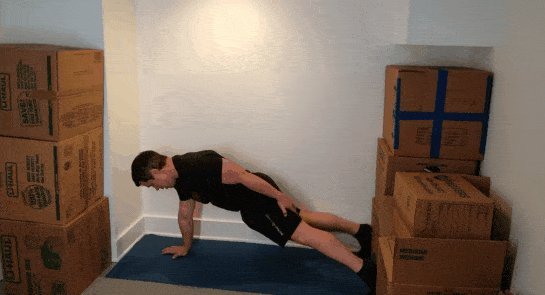
If you’re wondering, “How can I work out in a small space?” the answer is simple: focus on versatile, space-saving exercises. Using your body weight and incorporating compact equipment makes a big difference.
Living in limited space doesn’t mean sacrificing effective workouts. With creative planning and strategic moves, you can stay active without taking up much room.
This article provides practical tips to help you maximize your small area for an efficient workout routine.

How can I work out in a small space?
Working out in a small space can seem challenging at first, but with a little creativity and planning, you can create an effective fitness routine right at home. Whether you live in a tiny apartment, a shared living space, or simply want a quick workout area, the key is to maximize the available space and choose exercises that require minimal equipment. In this guide, we will explore practical tips, the best workout routines, and space-saving strategies to help you stay active no matter how limited your space is.
Understanding the Challenges of Small Space Workouts
Before diving into solutions, it’s helpful to recognize the common obstacles that come with exercising in a confined area.
Limited Room for Movement
Small spaces mean less room to move freely, which can make high-impact activities like jumping or running difficult without risking bumping into furniture or walls.
Storage Constraints
With limited space, storing bulky gym equipment or accessories becomes tricky. This can discourage regular workouts if equipment feels cluttered or inaccessible.
Distractions and Disruptions
In a shared environment, noise and movement from others can interfere with your workout routine, especially if your space doubles as a living area or bedroom.
Creating an Effective Workout Area in a Small Space
Transforming a tiny corner into your workout zone requires strategic planning and smart choices.
Designate a Specific Spot
Choose a corner or small section that you dedicate solely to exercising. Having a designated area helps you mentally connect to your workouts and minimizes clutter.
Clear Clutter and Keep Surfaces Free
Remove unnecessary items from your workout space. Use storage solutions like wall hooks or shelves to keep equipment organized and easily accessible.
Use Multi-Functional Furniture
Opt for furniture that serves dual purposes. For example, a bench that doubles as storage or a foldable table that can be tucked away after use.
Optimize Lighting and Ventilation
Good lighting and fresh air keep you motivated and comfortable during exercise. If possible, position your space near a window or install bright, energy-efficient lights.
Choosing Space-Friendly Workout Equipment
Selecting the right equipment minimizes clutter and enhances your workout routine within tight quarters.
Bodyweight Exercises
Nothing beats the efficiency of using your own body weight for workouts. Push-ups, squats, lunges, sit-ups, and planks are all effective and require no equipment.
Compact Dumbbells and Resistance Bands
Lightweight dumbbells and resistance bands take up little space and add variety to your workouts. They are easy to store in a drawer or on a small shelf.
Folding and Collapsible Equipment
Look for items like foldable exercise mats, collapsible step platforms, or portable elliptical machines that can be tucked away when not in use.
Mini Cardio Machines
Mini trampolines or under-desk ellipticals are compact options for cardio workouts. They can fit under beds or in closets when not needed.
Creative Workout Routines for Small Spaces
Designing your routines around limited space means focusing on movements that maximize effectiveness without requiring much room.
High-Intensity Interval Training (HIIT)
HIIT combines quick bursts of intense activity with short rest periods, making it perfect for small areas. You can do exercises like jumping jacks, burpees, or mountain climbers in short, powerful rounds.
Yoga and Pilates
Both are ideal for small spaces as they require minimal equipment and room to stretch. These practices improve flexibility, strength, and mental clarity. Use a yoga mat and a quiet corner for your sessions.
Strength Training with Resistance Bands
Resistance bands are versatile and space-saving. Incorporate exercises like banded squats, rows, or shoulder presses into your routine.
Bodyweight Circuits
Create circuits of exercises such as lunges, push-ups, plank holds, and sit-ups. Perform each for a set time or repetitions before moving to the next. This keeps workouts intense and efficient.
Maximizing Space During Workouts
Smart techniques can make your workouts more comfortable and safer.
Use Vertical Space
Install hooks or wall-mounted racks for storing equipment or hanging resistance bands. Use wall spaces for doing wall sits or balance exercises.
Incorporate Furniture for Support
Chairs or sturdy tables can assist with incline push-ups, step-ups, or tricep dips. Just ensure they are stable and safe for your exercises.
Limit Movement to Essential Exercises
Focus on exercises that stay within the footprint of your workout area. Avoid jumping or movements that require a lot of space unless you have a dedicated zone.
Set Up a Clear Workout Path
Create a designated path for moving between exercises. Keeping this clear reduces the risk of knocking over items or tripping.
Tips for Staying Motivated and Consistent
No matter how small your space, maintaining motivation is key.
Set Clear Goals
Define what you want to achieve—whether it’s building strength, improving flexibility, or burning calories. Clear goals help you stay focused.
Develop a Routine
Work out at the same time every day or on specific days to build consistency. Use a calendar or reminder app to stay on track.
Track Your Progress
Keep a simple journal or use apps to log workouts. Seeing your progress keeps you motivated.
Use Fun Music or Podcasts
Create a playlist that energizes you or listen to a favorite podcast during your workout. This makes exercising more enjoyable.
Partner Up or Join Challenges
Work out with a friend or join online fitness challenges to stay accountable. Even in small spaces, virtual motivation can be powerful.
Working out in a small space is entirely doable with the right mindset and approach. Focus on choosing versatile equipment, creating a dedicated area, and designing routines that maximize your limited space. Keep your environment organized, and don’t forget to stay motivated with goals and encouragement. Remember, the amount of space you have doesn’t determine your ability to stay fit. With some smart planning and consistency, you can enjoy effective workouts right at home, no matter how tiny your area might be.
Frequently Asked Questions
What are some effective exercises I can do in a limited space?
Bodyweight exercises like push-ups, squats, lunges, and planks work well in small areas. You can also incorporate high-intensity interval training (HIIT) routines that combine quick, intense moves with short rests, maximizing your workout without needing much room or equipment.
How can I organize my workout area to make the most of the space?
Use foldable or compact equipment that can be stored away after use, such as resistance bands, jump ropes, or collapsible mats. Clear clutter and designate a specific corner for your workouts to keep the area organized and inviting. Hanging organizers or wall-mounted racks help save floor space for movement.
Are there any workout routines suited specifically for small apartments or rooms?
Yes, routines that focus on small, controlled movements with minimal setup work best. Examples include yoga, Pilates, and stretching routines, which require only a mat and no additional equipment. These can improve flexibility and strength without needing much space or noise.
What tips can help me stay motivated to exercise in a confined area?
Create a dedicated workout schedule and set achievable goals to stay committed. Play your favorite music or follow online workout videos to keep things engaging. Keeping your workout area inviting and comfortable encourages consistency and makes exercising more enjoyable.
How can I incorporate cardio exercises in a tight space?
Perform activities like jumping jacks, high knees, mountain climbers, or burpees, which do not require much room. You can also simulate stair climbing by stepping onto and off a sturdy platform. These quick bursts of cardio help boost your heart rate indoors.
Final Thoughts
In a small space, efficiency and creativity are key. Use multi-purpose equipment like foldable mats and compact weights to maximize your workout area. Incorporate bodyweight exercises such as push-ups and squats to save space and stay active. Clear clutter after each session to keep your space inviting and safe.
How can I work out in a small space? Focus on versatile exercises and organized routines. With these strategies, staying fit becomes simple and achievable, no matter the size of your environment.
As an Amazon Associate, We earn from qualifying purchases. When you purchase a product through Amazon links on pulsefitguide.com, we may earn a small commission at no extra cost to you. This helps support the site and keep our content free.
