


Yes, brisket can be part of a weight loss plan if enjoyed in moderation and prepared healthily. While it’s a flavorful cut of beef, its high fat content means that portion control and smart cooking methods are key to making it compatible with weight loss goals.
Brisket is a delicious and satisfying meat, but because it’s often rich in fat, it’s not typically considered a low-calorie option. However, with mindful portion sizes and healthier cooking techniques like trimming excess fat and avoiding added sugars and fats, brisket can be included in a balanced diet aimed at shedding pounds. It’s all about moderation and making smarter choices to enjoy its savory goodness without sabotaging your weight loss efforts.
If you’re wondering whether brisket fits into your weight loss journey, the answer is yes—if you approach it wisely. Incorporating brisket into a diet focused on lean proteins, vegetables, and controlled portions can make it a tasty and occasional indulgence rather than a dietary obstacle. In this article, we’ll explore the nutritional profile of brisket, how to prepare it healthily, and tips to include it without compromising your weight loss goals. So, if you love the taste of brisket but want to stay on track, keep reading to learn how to enjoy it smartly!

Is Brisket Good for Weight Loss?
Understanding What Brisket Is
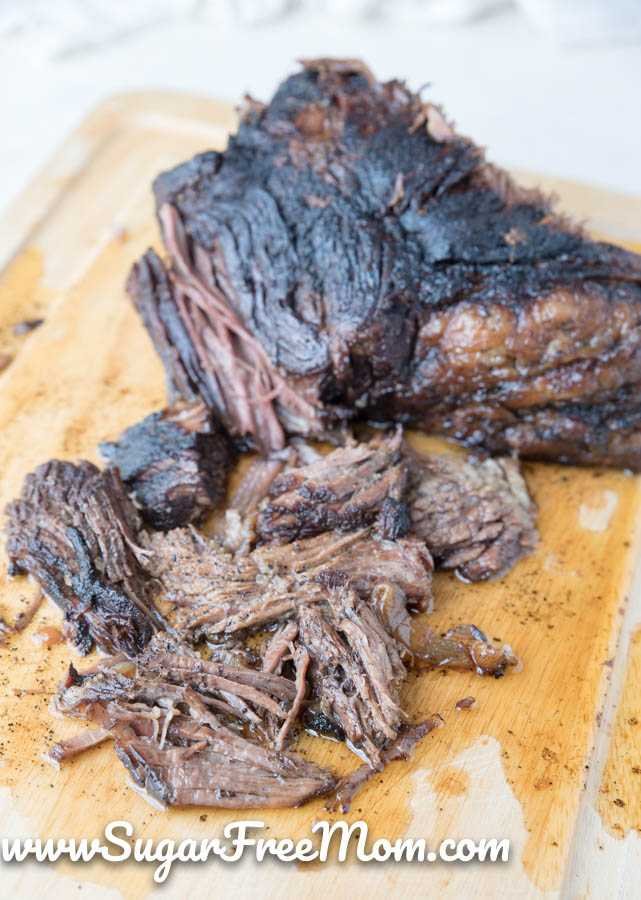
Brisket is a cut of beef taken from the breast or lower chest of the cow. It is known for its rich flavor and tender texture when cooked properly. Many people enjoy brisket in barbecue, slow-cooked dishes, or roasts, making it a popular choice for meat lovers.
Nutritional Profile of Brisket
A typical serving of cooked brisket provides about 250 to 400 calories, depending on portion size. It is high in protein, offering around 20 grams per serving, which helps in muscle repair and feelings of fullness. However, brisket also contains significant amounts of fat, including saturated fat, which adds to its calorie content.
Protein Content and Its Role in Weight Loss
The high protein content in brisket makes it a good option for those trying to lose weight. Protein helps control hunger by promoting feelings of fullness and supports the preservation of muscle mass during calorie restriction. Including lean sources of protein like brisket in meals can help reduce overall calorie intake.
Fat Content and Calorie Density
Brisket has a relatively high fat content, especially if fatty cuts are chosen. This fat adds flavor but increases calorie density. Eating large amounts of fatty brisket can contribute to weight gain if not balanced with other low-calorie foods or physical activity.
Is Brisket Suitable for a Low-Calorie Diet?
While brisket is flavorful, its calorie density may make it less ideal for low-calorie diets unless portion sizes are kept small. Removing excess fat and choosing leaner cuts can make brisket more compatible with weight loss plans.
Cooking Methods That Affect Calorie Content
The way brisket is prepared impacts its healthfulness. Baking, grilling, or slow-cooking without added fats helps retain nutrients without increasing calories. Avoid frying or adding high-calorie sauces, as these can turn a healthy portion into a calorie-heavy meal.
Balancing Brisket in Your Diet
Incorporating brisket into your diet requires balance. Pair it with vegetables, whole grains, or salads to increase fiber intake, which aids digestion and promotes satiety. Keeping portion sizes modest can help manage calorie intake without sacrificing flavor.
Portion Control Tips for Including Brisket
Use measuring tools to serve appropriate portions, such as a deck of cards or a small handful. Focus on filling half your plate with vegetables, and limit brisket to a small side or main in a balanced meal. This approach supports weight loss while enjoying flavorful meats.
Related Topics: Comparing Meat Choices for Weight Loss
When choosing meats for weight management, consider options like chicken breast, turkey, or lean cuts of pork. These options generally contain less fat and fewer calories per serving. Brisket can be included occasionally, especially if leaner cuts or trimmed versions are used.
Benefits of Choosing Lean Brisket Cuts
Opt for leaner parts of brisket, such as the flat cut, which contains less fat compared to the point cut. Removing visible fat before cooking reduces calorie and saturated fat intake. Lean cuts can be more suitable for those pursuing weight loss goals.
Potential Drawbacks of Eating Brisket Regularly
Frequent consumption of fatty brisket might hinder weight loss efforts due to its high-calorie content. Overeating any calorie-dense food without sufficient physical activity can lead to weight gain. Moderation and preparation methods are key.
Summary of Key Points
- Brisket is rich in protein but also high in fat and calories.
- Choosing lean cuts and trimming fat can make brisket more suitable for weight loss.
- Cooking methods like grilling or slow-cooking without added fats help maintain healthiness.
- Portion control and balanced meals with vegetables support weight management.
- Compared to other meats, brisket can be a flavorful occasional treat when prepared thoughtfully.
While brisket can be part of a weight loss plan if consumed in moderation, it is important to focus on lean cuts and healthy cooking methods. Combining brisket with vegetables and whole grains, along with regular physical activity, can help you enjoy its flavor while working towards your health goals. Remember, managing portion sizes and choosing lower-fat options are essential steps to enjoy brisket without compromising your weight loss efforts.
Brisket – HOW MUCH WEIGHT DO YOU LOSE
Frequently Asked Questions
Can eating brisket help me manage my calorie intake?
Brisket is a rich source of protein, which can help you feel full longer and reduce overall calorie consumption. However, because brisket can be high in fat, it’s important to control portion sizes and opt for leaner cuts when possible to avoid consuming excess calories that could hinder weight loss efforts.
How does the fat content in brisket affect weight loss goals?
The fat content in brisket varies depending on the cut and preparation method. Higher fat levels can add significant calories, making it harder to stay within your daily calorie limits. Choosing leaner slices and trimming visible fat can make brisket a more suitable option for those looking to lose weight.
Would including brisket in my diet impact my overall protein intake?
Including brisket provides a substantial amount of protein, which supports muscle maintenance and promotes satiety. Incorporating it into a balanced diet can help you meet your daily protein needs without overconsuming calories, especially if combined with vegetables and other low-calorie foods.
Is it better to prepare brisket with certain cooking methods for weight loss?
Cooking methods such as grilling, roasting, or baking without adding excessive fats or oils enhance brisket’s suitability for a weight-conscious diet. Avoid frying or using heavy sauces that can add unnecessary calories, and trim off excess fat before cooking to make it leaner.
Can portion control make brisket a healthy choice during weight loss?
Yes, managing portion sizes allows you to enjoy brisket as part of a balanced diet without exceeding your calorie goals. Pairing smaller servings with plenty of vegetables and whole grains can help you maintain a nutritious and satisfying meal plan aligned with your weight loss objectives.
Final Thoughts
Brisket can fit into a weight loss plan if prepared healthily. Its high protein content supports satiety and muscle retention. However, the cut’s fat content requires moderation and mindful cooking methods.
Choosing leaner cuts and trimming excess fat can make brisket a better option. Pairing it with vegetables and avoiding heavy sauces helps keep the meal nutritious.
In conclusion, is brisket good for weight loss? It can be, if prepared carefully and eaten in moderation. Properly managed, it offers a flavorful protein source without sabotaging your goals.
As an Amazon Associate, We earn from qualifying purchases. When you purchase a product through Amazon links on pulsefitguide.com, we may earn a small commission at no extra cost to you. This helps support the site and keep our content free.
