


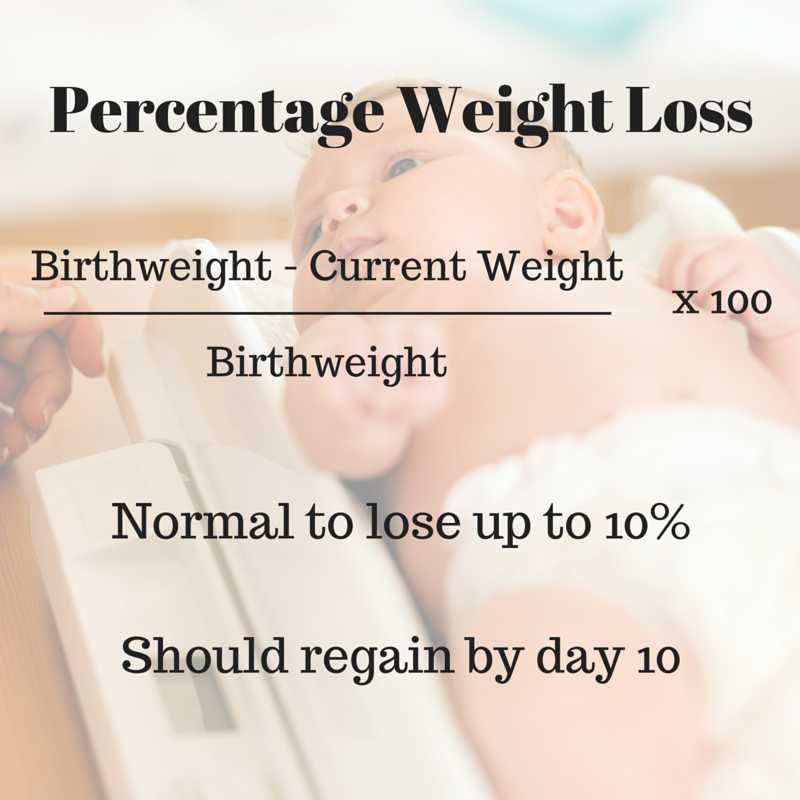
To quickly determine a newborn’s weight loss, weigh the baby regularly—preferably daily during the first week—and compare the current weight to the birth weight. Generally, a weight loss of up to 7-10% is considered normal in the first few days. To calculate it, subtract the current weight from the birth weight, divide by the birth weight, and multiply by 100 to get the percentage. Monitoring this percentage helps ensure your baby is on the right track for healthy growth.
Understanding how to accurately calculate a newborn’s weight loss is crucial for new parents and caregivers. In the first days after birth, babies typically lose some weight, but knowing how to track this effectively can help identify any issues early. Simply weigh the baby daily, record the weights, and use basic math to determine the percentage weight loss. This method provides a clear picture of your little one’s progress, giving you peace of mind and guiding when to seek medical advice.

How to Calculate Weight Loss in Newborn
Understanding how to measure weight loss in newborns is essential for ensuring their health and well-being. Accurate calculations can help parents and healthcare providers detect potential issues early. It’s important to know the normal range of weight loss and how to interpret these numbers correctly.
Why Do Newborns Lose Weight After Birth?
It is normal for newborns to lose some weight after birth. This weight loss happens because they shed excess fluids accumulated during pregnancy. Typically, babies lose about 5 to 7 percent of their birth weight within the first few days.
This initial weight reduction usually stabilizes by the end of the first week. Understanding this pattern helps distinguish between normal weight loss and concerning trends that may require medical attention.
Normal Weight Loss Range in Newborns
Most healthy babies lose less than 10 percent of their birth weight in the first week. For example, a baby weighing 3.5 kilograms (7.7 pounds) at birth might lose up to 350 grams (0.77 pounds). That level of weight loss is considered normal.
Doctors monitor this process carefully, especially during the first ten days. Exceeding this percentage can sometimes indicate dehydration or feeding problems needing intervention.
How to Measure a Newborn’s Weight Accurately
Using a Reliable Baby Scale
Always use a precise digital baby scale to measure your newborn’s weight. Place the baby gently on the scale without clothing or diapers when possible for the most accurate reading. Record the weight at the same time each day to track changes effectively.
Recording and Tracking
Keep a log of daily weights, noting the date and time. Consistent measurements help identify trends in weight loss or gain. Share this data with healthcare providers during check-ups.
How to Calculate Percentage of Weight Loss
The Basic Formula
To determine the percentage of weight loss, use this formula:
- Identify the birth weight (initial weight).
- Measure the current weight.
- Subtract the current weight from the birth weight.
- Divide the weight loss by the birth weight.
- Multiply the result by 100 to get the percentage.
Example Calculation
If a baby was born weighing 3.5kg and now weighs 3.3kg:
- Weight loss = 3.5kg – 3.3kg = 0.2kg
- Percentage loss = (0.2kg / 3.5kg) × 100 ≈ 5.7%
This percentage indicates a normal weight loss range for a newborn.
Monitoring Weight Loss Over Time
Monitoring should continue during the first two weeks of life. Significant weight gain after the initial loss demonstrates proper feeding and recovery. Healthcare providers often use growth charts to compare your baby’s progress against standard milestones.
It’s vital to track these changes to ensure your baby is healthy and thriving. Deviations from expected patterns could mean issues like inadequate feeding or health concerns requiring quick action.
Factors Affecting Weight Loss in Newborns
Feeding Method
Breastfed babies may experience slightly more weight loss initially compared to formula-fed babies. Proper latch and frequent feeding help stabilize weight more quickly.
Birth Weight and Gestational Age
Premature babies or those born small for gestational age typically have different weight loss patterns. Healthcare providers tailor monitoring based on their specific needs.
Fluid Intake and Loss
High fluid loss through urination or diarrhea can impact weight loss, making close observation necessary.
Health Conditions
Medical issues such as infections or metabolic disorders can influence weight changes. Immediate medical consultation is essential if abnormalities are observed.
Understanding When to Seek Medical Help
If a newborn loses more than 10 percent of their birth weight, or if weight loss continues beyond 7 days, consult a healthcare provider. Signs such as lethargy, poor feeding, or dehydration also warrant prompt medical attention.
Regular pediatric check-ups ensure weight trends stay within safe limits, and any concerns are addressed early.
Additional Measures for Ensuring Healthy Weight Gain
Feeding Techniques
- Feed on demand to ensure the baby receives enough milk or formula.
- Practice proper latch techniques for breastfeeding to maximize intake.
- Ensure formula is prepared correctly and fed in appropriate amounts.
Monitoring Diapers
Frequent urination and stooling are good indicators that your baby is feeding well. Keep track of diaper changes to assess hydration and nutritional intake.
Recognizing Feeding Cues
Watch for signs like sucking motions, hand movements, or rooting to identify when your baby is hungry. Responding promptly helps maintain steady weight gain.
Tools and Resources for Parents
Using digital apps can help record daily weights and feeding logs. Growth charts provided by healthcare centers are useful tools for tracking progress visually.
Consulting lactation specialists and pediatricians enhances understanding and supports healthy weight management strategies for your baby.
Summary of Key Points
- Normal weight loss in newborns is about 5 to 7 percent in the first week.
- Use a precise baby scale for daily measurements and record data consistently.
- Calculate weight loss as a percentage to easily interpret the significance.
- Monitor weight trends over the first two weeks to ensure proper growth.
- Seek medical advice if weight loss exceeds 10 percent or if signs of illness appear.
Learning how to accurately calculate weight loss in newborns empowers parents to support their babies’ health effectively. Maintaining close communication with healthcare professionals and keeping diligent records ensures your little one’s early growth stays on the right track.
Pediatric Nursing Math Tips: Percentage Weight Loss
Frequently Asked Questions
How can parents monitor their newborn’s weight loss accurately?
Parents can keep an accurate record of their baby’s weight by using a reliable digital baby scale and weighing the baby at the same time each day, preferably after a diaper change and feeding. Recording these measurements helps track weight changes over time and ensures the baby is recovering well after birth.
What are the typical weight loss percentages in newborns during the first week?
Most newborns lose about 5-7% of their birth weight within the first few days after birth. Health professionals usually consider up to 10% weight loss as acceptable, but anything beyond that should prompt a consultation with a pediatrician to rule out feeding issues or dehydration.
What methods are recommended to calculate daily weight loss in a newborn?
To calculate daily weight loss, subtract the baby’s current weight from the previous day’s weight. Then, divide that difference by the initial birth weight and multiply by 100 to get the percentage loss. This simple calculation provides a clear view of how much weight the baby has lost relative to their birth weight.
Why is it important to track weight loss in the first week of life?
Tracking weight loss helps ensure that the baby is feeding properly and staying hydrated. Excessive weight loss can indicate feeding difficulties, dehydration, or other health concerns, allowing caregivers and healthcare providers to intervene promptly.
When should parents seek medical advice regarding their newborn’s weight loss?
Parents should consult a healthcare professional if their baby loses more than 10% of birth weight, shows signs of dehydration such as dry mouth or lethargy, or if feeding difficulties persist. Regular check-ups help monitor the baby’s growth and address any concerns early.
Final Thoughts
To calculate weight loss in newborn, start by weighing the baby daily during the first week. Record the birth weight and monitor daily changes. Typically, a loss of up to 7% is normal within the first few days.
Next, compare the current weight to the birth weight to determine the percentage of weight lost. This method helps caregivers assess if the baby’s weight loss is within healthy limits.
Understanding how to calculate weight loss in newborn ensures timely intervention if necessary. Accurate tracking provides reassurance and supports your baby’s health development.
As an Amazon Associate, We earn from qualifying purchases. When you purchase a product through Amazon links on pulsefitguide.com, we may earn a small commission at no extra cost to you. This helps support the site and keep our content free.
