


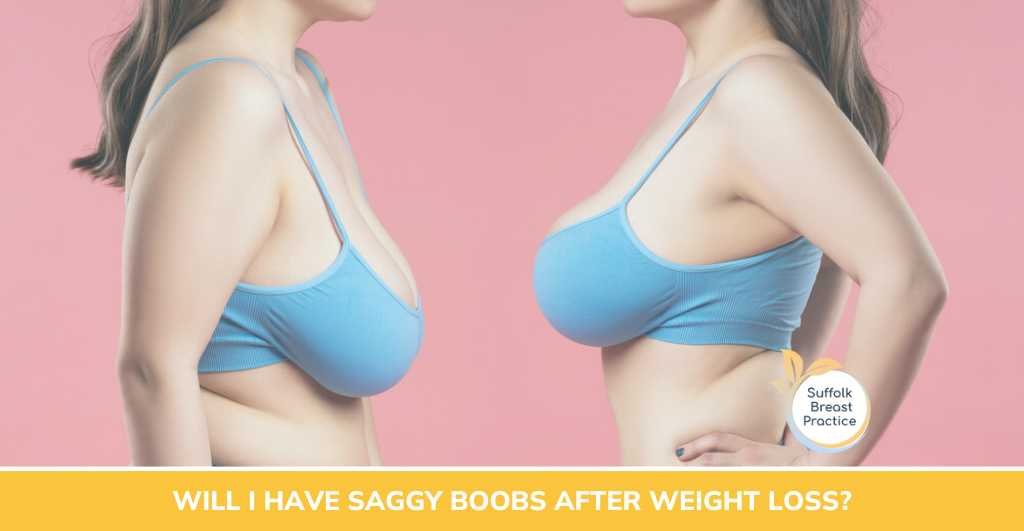
Yes, losing weight can make your breasts smaller. When you shed excess fat, the fatty tissue in your breasts reduces, leading to a decrease in size. However, the extent of change varies based on individual factors like genetics and overall weight loss.
In summary, weight loss can indeed lead to smaller breasts because they are composed partly of fat. But the degree of change depends on how much weight you lose and your body’s unique fat distribution. Understanding this can help you set realistic expectations and make informed decisions about your health and fitness goals.
Losing weight is a common goal for many, and often, a side effect people notice is a change in breast size. Since breasts are partly made up of fatty tissue, losing weight generally results in smaller breasts. This can be a concern for women who value their current breast size or are worried about the impact on their appearance. But it’s important to remember that everyone’s body responds differently to weight loss; some may notice a significant reduction, while others might see only minor changes. Factors like genetics, age, and how much weight you’re losing all play a role. If maintaining breast size is important to you, consider focusing on gradual weight loss combined with strength training exercises targeting the chest muscles to help support the area.

Does Weight Loss Make Your Breasts Smaller?
How Weight Loss Affects Breast Size
Losing weight often impacts the size of your breasts because they are made up of fat tissue. When you shed pounds, especially from fat stores all over your body, your breast tissue decreases as well. This means that **weight loss can lead to smaller breasts**, but the degree varies from person to person.
Your breasts are not just fat; they also contain ducts, glands, and connective tissue. However, **fat tissue makes up a significant portion** of breast volume, so changes in body fat are usually reflected in breast size. If you are trying to lose weight gradually, your breasts may become noticeably smaller over time.
Why Do Breasts Get Smaller with Weight Loss?
As you reduce your overall body fat, your breasts naturally lose some of their fat content. This is because the body reduces fat stores as part of weight loss. Studies show that the **more weight you lose**, the more likely your breast size will decrease.
A key point is that the **distribution of fat** in your body influences how much your breasts change. If you tend to store more fat in your hips or thighs, your breasts may stay relatively stable. Conversely, if you carry extra fat around your chest and abdomen, you might notice a bigger change in your breast size.
How Much of Your Breast Is Fat?
In general, **about 60-80% of breast tissue** is fat, with the rest being glandular tissue and connective tissue. This composition can vary based on age, genetics, and hormonal levels.
For women with dense breast tissue, which has less fat and more glandular tissue, weight loss may not significantly alter breast volume. However, for women with more fat in their breasts, losing weight will likely lead to a noticeable reduction.
Does Weight Loss Always Reduce Breast Size?
Not necessarily. Some women experience smaller breasts after weight loss, while others see little change. This difference depends on factors such as genetics, hormone levels, and body fat distribution.
Additionally, rapid weight loss might cause more noticeable breast reduction, but it can also lead to sagging or loose skin. Slow, steady weight loss tends to preserve overall body shape better while reducing fat gradually.
Factors That Influence Breast Size Changes During Weight Loss
Genetics and Body Composition
Genetics play a crucial role in where your body stores fat and how much fat your breasts contain. Some women are naturally predisposed to having larger or smaller breasts due to inherited traits. These factors influence how noticeable breast size changes are when you lose weight.
Body composition, including muscle-to-fat ratio, also impacts how your body and breasts respond to weight loss. Women with higher muscle mass may experience less noticeable changes in breast size compared to those with higher fat content.
Amount of Weight Lost
The more weight you lose, the more likely your breasts are to become smaller. For example, losing 5 pounds may not cause significant change, but losing 20 pounds could lead to a noticeable reduction in breast size.
Heavy weight loss can sometimes cause breasts to appear deflated or saggy, especially if done rapidly. It’s essential to aim for gradual weight loss to minimize these aesthetic changes.
Hormonal Factors
Hormonal balance influences breast size because hormones regulate fat distribution. Changes in estrogen, progesterone, and other hormones can affect breast tissue.
Women experiencing hormonal shifts, such as during menopause or pregnancy, may notice fluctuations in breast size. Conversely, hormonal imbalances during weight loss could alter how fat is mobilized from the breasts.
Age and Breast Density
As women age, breast tissue tends to become less dense and more fatty. Younger women with dense breasts may notice less change from weight loss, while older women with more fatty tissue might see more reduction.
Breast density also affects how the breasts respond to body fat loss. Dense breasts are less likely to change significantly with weight fluctuations.
Other Factors That Can Affect Breast Size During Weight Loss
Exercise and Muscle Building
Engaging in strength training can help maintain or build pectoral muscles under the breasts, which may improve breast firmness and shape. While exercise won’t directly prevent size reduction, it can enhance overall appearance.
Women who incorporate chest exercises such as push-ups, chest presses, and flys might experience a slightly lifted or more toned look, especially if they lose fat from their breasts.
Skin Elasticity and Sagging
Rapid or significant weight loss can affect skin elasticity, leading to sagging or loose skin around the breasts. Maintaining good hydration, proper nutrition, and gradual weight loss can help minimize these effects.
If skin elasticity is poor, even minor weight loss may result in a less firm appearance of the breasts.
Breast Surgery and Weight Fluctuations
Women with breast implants or who have undergone breast surgery may experience different effects. Implants generally maintain size regardless of weight changes, but natural breast tissue may still fluctuate.
Significant weight loss can cause the breast tissue to shrink, potentially affecting the appearance of the implants or natural breasts.
Managing Breast Changes During Weight Loss
Strategies to Minimize Breast Size Reduction
- Lose weight gradually, aiming for 1-2 pounds per week
- Incorporate strength training to build chest muscles
- Maintain a balanced diet rich in vitamins and minerals
- Stay hydrated to support skin elasticity
- Use supportive bras that fit well to prevent sagging
When to Consider Breast Enhancement Options
Some women might opt for procedures like breast lifts or augmentations if they are concerned about sagging or significant size loss. Consulting a plastic surgeon can help determine the best options based on individual goals and body changes.
Importance of Self-Acceptance and Realistic Expectations
Remember, weight loss benefits your health and well-being. Your body shape may change, but embracing these changes helps foster self-confidence. Realistic expectations ensure you stay positive during your fitness journey.
Summary
Losing weight often makes breasts smaller because they contain a large amount of fat tissue. The extent of change depends on genetics, body composition, hormonal levels, and the amount of weight lost. While some women experience noticeable reduction, others may see minimal difference, especially if they have dense breast tissue.
Gradual weight loss combined with strength training can help preserve breast shape and firmness. Understanding these factors allows you to approach your weight loss journey with realistic goals and strategies to maintain confidence and body satisfaction.
How To Lose Weight But Keep Boobs
Frequently Asked Questions
Can significant weight loss lead to a noticeable decrease in breast size?
Yes, substantial weight loss can result in a visible reduction in breast size because breasts are partly composed of fat tissue. When you lose weight, especially large amounts, fat diminishes throughout your body, including in your breasts, leading to smaller and sometimes less full breasts.
Does losing weight affect the firmness or shape of the breasts?
Weight loss can impact the firmness and shape of your breasts. As fat decreases, the connective tissues supporting the breasts may stretch or weaken, which can cause the breasts to sag or lose their original shape. The degree of change varies depending on individual factors such as age and skin elasticity.
Are there ways to prevent significant breast size reduction during weight loss?
You can minimize breast size reduction by losing weight gradually, which helps the skin and tissues adapt better. Incorporating strength training exercises that target the chest muscles can also improve overall breast appearance and support. Staying hydrated and maintaining good skin health may aid in preserving firmness.
Can targeted exercise help maintain breast volume during weight reduction?
Targeted exercises, such as push-ups and chest presses, strengthen the pectoral muscles beneath the breasts. While these exercises won’t directly increase breast tissue, they can enhance the appearance by lifting and supporting the breasts, making them look fuller even as overall fat decreases.
Is it possible for breast size to fluctuate with weight changes over time?
Yes, your breast size can fluctuate with changes in your body weight. Gaining weight often increases breast size due to fat accumulation, while losing weight tends to decrease it. These changes are usually gradual and can vary based on your overall body composition and hormonal factors.
Final Thoughts
In summary, weight loss can lead to smaller breasts as fat tissue decreases. Does weight loss make your breast smaller? Yes, it often does. The extent varies depending on individual body fat distribution and genetics. Understanding this can help set realistic expectations when pursuing weight loss goals.
As an Amazon Associate, We earn from qualifying purchases. When you purchase a product through Amazon links on pulsefitguide.com, we may earn a small commission at no extra cost to you. This helps support the site and keep our content free.
