


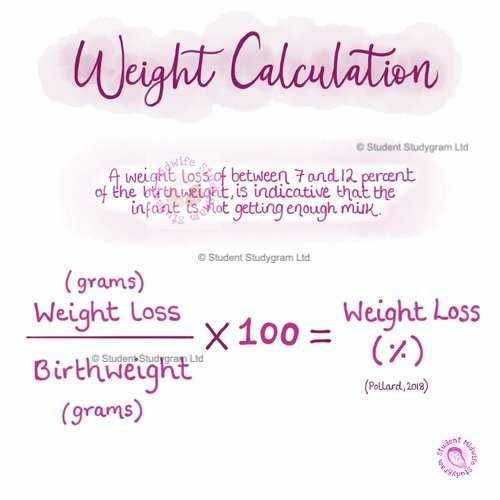
To calculate weight loss in newborns, simply measure their weight at birth and then record it daily for the first week. Subtract the current weight from the birth weight, divide that difference by the birth weight, and multiply by 100 to get the percentage of weight lost. This quick method helps monitor your baby’s recovery and ensures they’re on track.
If you want to determine a newborn’s weight loss accurately, start by noting their birth weight. Measure their current weight regularly—preferably daily—during the first week. Then, use a simple formula: subtract the baby’s current weight from their birth weight, divide that number by the birth weight, and multiply by 100 to find the percentage of weight lost. Keeping an eye on this percentage helps parents and healthcare providers assess if the baby is healthy and recovering well. Early detection of excessive weight loss can lead to timely interventions, ensuring your little one stays healthy and happy.
Starting immediately after birth, parents often wonder how to track if their newborn is losing too much weight. This concern is common because initial weight loss is natural, but excessive loss may signal issues like feeding problems or dehydration. To accurately monitor this, weigh your baby consistently and compare their current weight to their birth weight. Understanding how to calculate this percentage allows you to stay informed about your baby’s health during this crucial period. Proper tracking provides reassurance that your newborn is thriving or alerts you to consult a healthcare professional if the weight loss exceeds typical ranges. This simple approach empowers you to support your baby’s early growth effectively.

How to Calculate Weight Loss in Newborns
Understanding how to calculate weight loss in newborns is essential for parents and healthcare professionals alike. It helps determine if a baby is healthy or needs additional care. Knowing how to track and interpret this weight change can prevent potential health issues early on. This section explains the importance of monitoring weight loss and the basic concepts involved.
Why Monitoring Weight Loss in Newborns Matters
Newborns typically lose some weight during their first few days of life. This weight loss is normal and usually temporary. However, excessive weight loss can indicate problems like dehydration or feeding difficulties. Early detection allows for prompt intervention and better health outcomes.
Typical Weight Loss Patterns in Newborns
Most newborns lose between 5% and 7% of their birth weight during the first week. They usually regain their birth weight by the second week. Some infants may lose up to 10%, but anything beyond that requires medical attention. Tracking these patterns helps ensure babies are thriving.
How to Measure a Newborn’s Weight Accurately
Use a precise digital or analog scale designed for infants. Weigh your baby at the same time each day, preferably in the morning. Remove clothing and diapers to get an accurate measurement. Record the weight and compare it with previous days to observe changes.
Tools and Equipment Needed for Weight Monitoring
- Infant-specific digital scale with high sensitivity
- Consistent weighing schedule
- Record-keeping journal or app
Accurate tools and regular tracking help create a clear picture of the baby’s growth pattern.
Calculating the Percent of Weight Loss
To determine how much weight your baby has lost, follow these steps:
- Note the birth weight (initial weight).
- Record the current weight each day.
- Use the formula:
Formula for Weight Loss Percentage
Weight Loss Percentage = [(Birth Weight − Current Weight) ÷ Birth Weight] × 100
This calculation shows the percentage of weight lost since birth. For example, if a baby was born weighing 3.5 kg and now weighs 3.2 kg, then:
Percentage Loss = [(3.5 − 3.2) ÷ 3.5] × 100 ≈ 8.57%
Interpreting Weight Loss Data
Understanding what the percentage means is crucial. Generally, a weight loss of up to 7% is considered normal. Losses between 7% and 10% may still be acceptable if the baby is feeding well and gaining weight. Losses exceeding 10% need medical attention.
When to Seek Medical Advice
If the weight loss exceeds 10%, or if your baby shows signs like lethargy, poor feeding, or dehydration, consult your healthcare provider immediately. These signs may include:
- Dry mouth or no tears when crying
- Very few wet diapers
- Lethargy or very sleepy
Early evaluation and intervention can prevent complications.
Tracking Weight Loss Over Time
Keeping a daily record helps show trends and pattern changes. Use charts or apps designed for infant growth monitoring. Regularly compare weight loss percentage to normative data to assess health progress.
Understanding Normal Variations and Exceptions
Every baby is different, and some may lose slightly more or less weight. Factors influencing weight loss include:
- Birth weight and gestational age
- Feeding method (breastfeeding or formula)
- Birth complications or medical conditions
Consult a healthcare professional for personalized assessments.
Additional Tips for Monitoring and Supporting Healthy Weight
- Ensure the baby is feeding effectively, whether breastfeeding or formula feeding
- Observe for signs of dehydration or feeding difficulty
- Maintain regular weight checks during the first two weeks
- Follow a consistent weighing schedule, ideally daily
Consistent monitoring and proper feeding support can promote healthy weight regain.
Understanding the Role of Feeding in Weight Loss and Gain
Proper feeding techniques help minimize excessive weight loss. Breastfeeding should be on demand, ensuring the baby receives enough milk. For formula-fed infants, follow the recommended feeding schedule and amounts.
Supplemental Measures and Professional Guidance
If weight loss persists or exceeds normal ranges, healthcare providers may suggest:
- Supplemental feeds
- Monitoring fluid intake and output
- Medical investigations for underlying issues
Professional guidance is key to ensuring your newborn’s safety and health.
Related Topics for Further Understanding
Other important areas to explore include understanding growth charts, recognizing signs of healthy development, and managing feeding challenges. These topics complement the knowledge about calculating and monitoring weight loss in newborns.
Maintaining awareness of your newborn’s weight loss pattern helps catch issues early. Regular, accurate measurements combined with proper feeding practices and attentive care create a foundation for healthy growth during these critical first weeks.
Pediatric Nursing Math Tips: Percentage Weight Loss
Frequently Asked Questions
How can parents track a newborn’s weight loss accurately during the first week?
Parents should weigh their newborn daily using a reliable digital scale, preferably at the same time each day, such as after a diaper change. Record the weights consistently to monitor trends. It is also essential to note that some weight loss in the initial days is normal, typically up to 7-10% of the birth weight. Consult with a healthcare professional regularly to ensure the baby recovers weight appropriately.
What is the recommended method for calculating the percentage of weight loss in a newborn?
To determine the percentage of weight loss, subtract the current weight from the birth weight, divide that number by the birth weight, and multiply the result by 100. For example, if a baby was born weighing 3.5 kg and now weighs 3.2 kg, the calculation would be: ((3.5 – 3.2) / 3.5) × 100, resulting in approximately 8.6% weight loss.
When should parents seek medical advice based on their newborn’s weight loss?
Parents should consult a healthcare provider if the baby loses more than 10% of their birth weight, if the weight loss persists beyond the first week, or if the baby shows signs of dehydration such as fewer wet diapers, lethargy, or poor feeding. Monitoring the baby’s overall behavior and feeding patterns helps identify when professional evaluation becomes necessary.
Final Thoughts
Calculating weight loss in newborns is essential for monitoring their health. To do this, weigh the baby daily using a reliable scale and record the results. Compare the current weight to the birth weight to determine the percentage of weight lost.
A typical healthy weight loss range is 5-7% of the birth weight within the first few days. Regular tracking helps identify any concerns early. By following these steps, parents and caregivers can ensure their newborn’s well-being and promptly address any issues.
As an Amazon Associate, We earn from qualifying purchases. When you purchase a product through Amazon links on pulsefitguide.com, we may earn a small commission at no extra cost to you. This helps support the site and keep our content free.
