


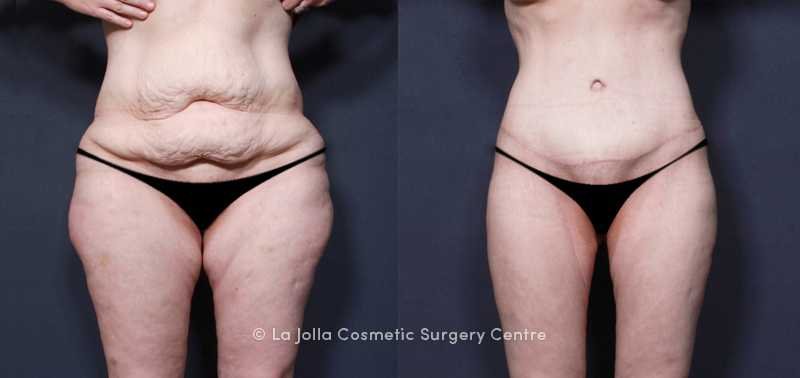
Yes, insurance can sometimes cover a breast lift after significant weight loss, but it depends on your individual circumstances and insurance policy. Generally, if the procedure is deemed medically necessary due to issues like skin irritation or physical discomfort, insurance may cover it.
In most cases, insurance coverage for a breast lift post-weight loss hinges on medical necessity rather than aesthetic desire. If excess skin causes health problems, your insurer might consider the procedure as a valid medical expense. It’s essential to get a thorough consultation with your doctor who can document the medical reasons supporting the surgery. However, many plans view cosmetic enhancements as elective procedures and exclude them from coverage. Understanding your insurance policy and working closely with your healthcare provider can clarify whether you’re eligible for financial assistance for this transformative surgery.

Will Insurance Cover Breast Lift After Weight Loss?
Understanding the Basics of Breast Lift Surgery
Breast lift surgery, also known as mastopexy, is a procedure that raises and firms the breasts. It removes excess skin and tightens the surrounding tissue to reshape the breast. Many women seek this surgery after significant weight loss when their skin has become loose and saggy.
Why Women Consider a Breast Lift After Weight Loss
Weight loss often leads to a reduction in breast volume, causing sagging and unevenness. Some women notice their breasts become droopy, impacting their confidence and body image. A breast lift can help restore a natural appearance and improve self-esteem.
Insurance Policies and Reconstructive vs. Cosmetic Surgery
Insurance companies distinguish between reconstructive and cosmetic procedures. Reconstructive surgeries aimed at fixing deformities or restoring normal appearance are more likely to be covered. Cosmetic surgeries intended solely for aesthetic enhancement usually are not covered.
Does Insurance Cover Breast Lift After Weight Loss?
In most cases, **insurance does not cover breast lifts performed solely for aesthetic reasons**. However, if the procedure is deemed medically necessary due to health issues or severe physical discomfort, coverage might be possible.
Medical Necessity and Insurance Coverage
Insurance providers consider a breast lift medically necessary if it relieves symptoms like skin infections, rashes, or persistent pain caused by sagging breasts. Documentation of these health issues strengthens the case for coverage.
When Might a Breast Lift Be Considered Medically Necessary?
- Chronic skin irritation or infections in the breast crease
- Persistent back, neck, or shoulder pain caused by breast weight
- Restricted physical activity due to breast size and sagging
- Significant psychological distress related to appearance
How to Determine if Your Surgery Will Be Covered
Consulting with your healthcare provider is essential to determine if your breast lift qualifies as medically necessary. They can provide detailed documentation and medical records to support your insurance claim.
Steps to Take for Insurance Approval
- Schedule a thorough consultation with a board-certified plastic surgeon
- Document your symptoms and their impact on daily life
- Obtain a medical diagnosis and recommendation for surgery
- Work with your surgeon to prepare detailed medical records and a letter of necessity
- Submit your claim to the insurance company with all supporting documentation
The Role of Documentation and Medical Records
Proper documentation is critical in proving medical necessity. Detailed notes on symptoms, photographs of skin issues, and records of conservative treatments used are crucial components.
Additional Evidence That May Help Your Claim
- Photographs clearly showing skin excess and sagging
- Records of prior treatments such as skin care or therapy
- Statements from your primary care doctor or specialist
Insurance Coverage Variability by Provider and Location
Coverage rules vary widely depending on your insurance provider and geographic location. Some plans have stricter criteria, while others may offer more flexibility for reconstructive procedures.
Factors Influencing Coverage Decisions
- Type of insurance plan (HMO, PPO, etc.)
- Specific policy language regarding reconstructive surgery
- State laws and regulations related to health coverage
- Surgeon’s documentation and recommendations
Alternatives to Insurance Coverage: Financing and Payment Options
If insurance does not cover your breast lift, many clinics offer financing options. Payment plans or medical credit cards can make surgery more accessible.
Types of Financing Available
- In-house financing plans
- Medical credit cards (like CareCredit)
- Flexible payment arrangements through third-party lenders
Cost Considerations for Breast Lift Surgery
The total cost of a breast lift varies depending on surgeon fees, anesthesia, and facility charges. Typically, the procedure ranges from $4,000 to $8,000, not including additional costs.
Factors Affecting Cost
- Complexity of the procedure
- Surgeon’s experience and reputation
- Geographic location of the surgery center
- Additional procedures performed simultaneously
Other Related Procedures Post-Weight Loss
Many women combine a breast lift with other body contouring treatments like liposuction or tummy tuck for a comprehensive aesthetic result. Insurance coverage for these procedures depends on their medical necessity.
Combining Procedures
Opting for multiple surgeries can reduce overall recovery time and costs. Discuss with your surgeon which combination best suits your goals and health needs.
Importance of Choosing a Qualified Surgeon
Selecting an experienced, board-certified plastic surgeon is crucial for safe, successful results. They can guide you through insurance processes and help document medical necessity.
Questions to Ask Your Surgeon
- Are you experienced in post-weight loss breast procedures?
- Can you provide documentation to support insurance claims?
- What are the realistic outcomes and expectations?
- What is your approach to minimally invasive or scar-minimizing techniques?
Summary of Key Points
- Insurance coverage for breast lift after weight loss is often limited to cases with medical necessity.
- Proper documentation and medical evaluations increase chances of approval.
- Coverage varies by insurance plan, provider, and location.
- When insurance does not cover the procedure, financing options are available.
Related Topics for Further Reading
- Post-weight loss body contouring options
- Recovery tips after breast lift surgery
- Psychological benefits of body reshaping
Understanding whether insurance will cover a breast lift after weight loss involves evaluating your medical needs, insurance policies, and available financial options. Proper documentation and consultation with qualified healthcare professionals are essential steps in navigating this process effectively. Remember, each case is unique, so personalized advice from your healthcare team will help you make the best decision for your health and aesthetic goals.
What NOT To Do During Breast Lift Recovery
Frequently Asked Questions
What criteria do insurance companies consider to approve coverage for a breast lift after weight loss?
Insurance providers typically evaluate whether the procedure addresses physical health concerns, such as skin irritation, rashes, or back pain caused by excess breast tissue and sagging. They also review medical documentation showing the necessity of the surgery, including previous unsuccessful treatments or non-surgical options. Meeting these health-related criteria increases the chance of coverage approval.
Can documentation of related health issues influence my insurance claim for a breast lift?
Yes, providing detailed medical records that document issues like persistent skin irritation, discomfort, or infection related to ptosis can support your case. Insurance companies often require proof that the procedure will improve your health or quality of life, making thorough documentation vital for a favorable decision.
Is there a difference in insurance coverage between cosmetic and medically necessary breast lifts?
Insurance generally covers breast lifts only when the procedure is deemed medically necessary. If the sagging causes significant health problems or functional impairments, insurance is more likely to provide coverage. Cosmetic reasons alone typically do not qualify for insurance benefits, so clarifying the medical necessity is essential.
How can I improve my chances of getting insurance approval for my breast lift after weight loss?
Consult your healthcare provider to document all health issues related to breast sagging thoroughly. Obtain detailed notes emphasizing how the sagging affects your well-being and any related symptoms. Submitting comprehensive medical records, photos, and a clear explanation can strengthen your insurance claim and improve approval odds.
Are there specific insurance plans that are more likely to cover breast lifts after weight loss?
Some health insurance plans, especially those that emphasize coverage for reconstructive or medical procedures, may be more receptive to approving breast lift surgery when medically necessary. It is essential to review your policy details and consult with your insurance provider to understand your coverage options and requirements before proceeding with the surgery.
Final Thoughts
Insurance coverage for a breast lift after weight loss varies based on individual policies and medical necessity. Typically, if the procedure addresses significant health concerns or functional issues, insurance is more likely to cover it. However, cosmetic reasons alone often do not qualify for coverage.
In many cases, documentation from your doctor highlighting medical reasons can improve the chances of approval. Always check with your insurance provider to clarify their specific requirements.
Will insurance cover breast lift after weight loss? It depends on your circumstances, but understanding your policy and consulting with your healthcare provider can help you determine your options.
As an Amazon Associate, We earn from qualifying purchases. When you purchase a product through Amazon links on pulsefitguide.com, we may earn a small commission at no extra cost to you. This helps support the site and keep our content free.
