


Yes, fleas can indirectly cause weight loss in cats. When fleas infest a cat, they lead to anemia, discomfort, and stress, which can result in appetite loss and weight reduction over time.
Fleas are more than just a nuisance—they can seriously impact a cat’s health. If your feline friend is scratching excessively, losing hair, or appearing less active, fleas might be the culprit. These tiny parasites can cause anemia by feeding on your cat’s blood, leading to weakness and weight loss. Additionally, flea infestations can cause irritation, skin infections, and stress, all of which can decrease your cat’s desire to eat. Spotting and addressing fleas early is crucial to prevent health issues and keep your cat happy and healthy. Whether you’re a new owner or experienced, understanding the link between fleas and weight loss can help you act swiftly to protect your pet.

Can Fleas Cause Weight Loss in Cats?
Understanding Fleas and Their Impact on Cats
Fleas are tiny insects that can cause big problems for cats. They feed on a cat’s blood, which can lead to discomfort and health issues. While fleas are mainly known for itching and skin irritation, they can also affect a cat’s overall health, including weight.
How Fleas Feed and Cause Discomfort
Fleas bite into a cat’s skin to suck blood. This repeated biting and blood loss can make cats feel very itchy and uncomfortable. Over time, this discomfort can lead to scratching, skin infections, and even anemia in severe cases.
Can Fleas Indirectly Lead to Weight Loss?
Yes, fleas can indirectly cause a cat to lose weight. The constant blood loss means the cat’s body uses more energy to replace lost blood, which can reduce its overall weight. Cats may also eat less because of discomfort or stress caused by fleas.
Why Do Fleas Cause Weight Loss in Some Cats?
Flea infestations can cause **anemia**, a condition where there are not enough healthy red blood cells. Anemia makes cats feel weak and tired, leading to decreased appetite and weight loss. Fleas can also cause stress, which might reduce a cat’s desire to eat.
Role of Anemia in Weight Loss
Anemia occurs when fleas consume enough blood to lower red blood cell levels significantly. This condition reduces oxygen flow in the body, making cats feel tired and weak. As a result, they may eat less and start losing weight.
Flea Allergic Dermatitis and Stress
Some cats are allergic to flea bites, leading to a condition called flea allergic dermatitis. This causes intense itching and skin irritation, which can make cats restless and decrease their appetite. The stress from constant itching can contribute further to weight loss.
Signs That Fleas Are Causing a Cat’s Weight Loss
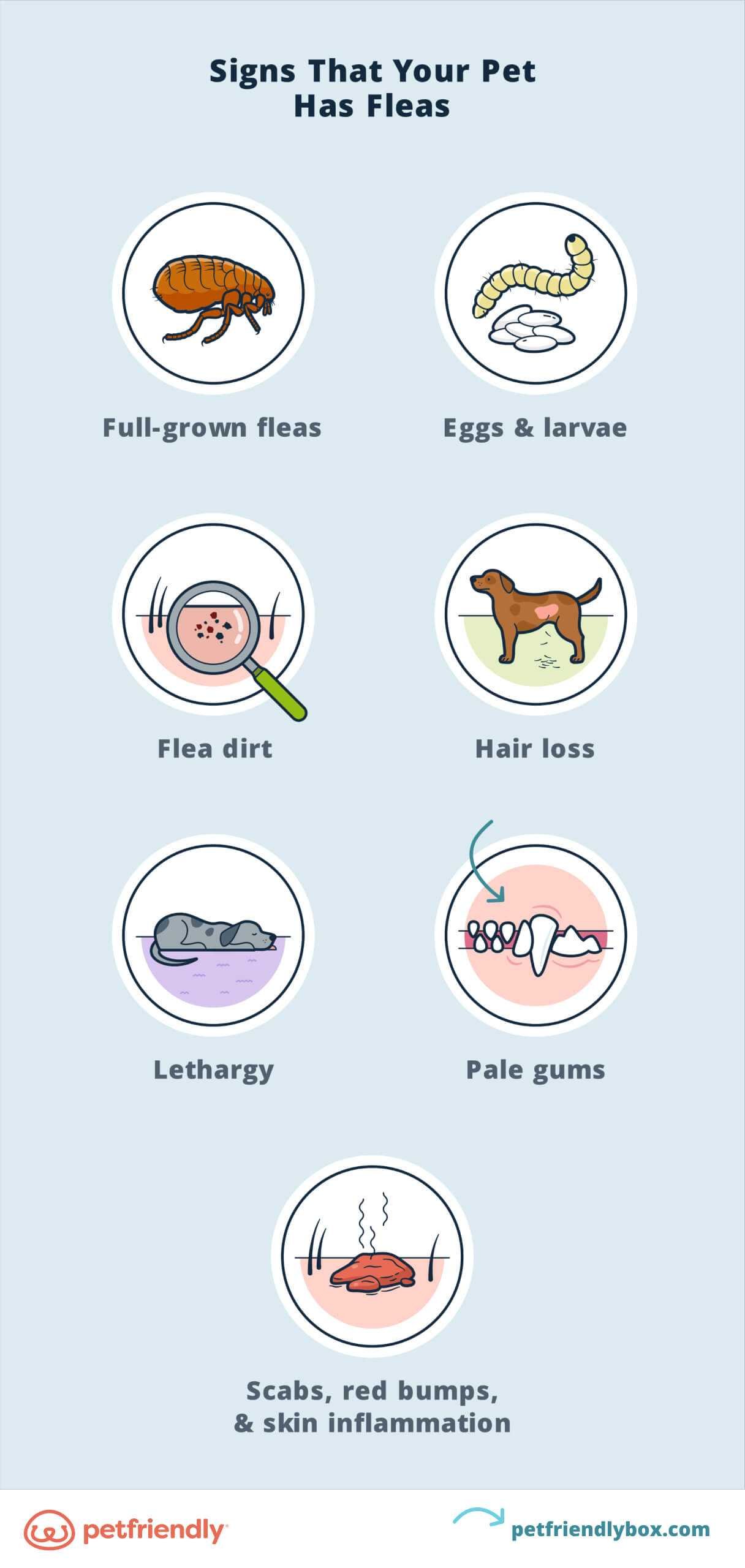
It’s important to recognize symptoms that indicate fleas might be impacting your cat’s health. These signs include:
- Visible fleas or flea dirt (small black specks) in the fur
- Excessive scratching or biting
- Skin redness or irritation
- Thin or scruffy coat
- Weakness or lethargy
- Decreased appetite
- Sudden or noticeable weight loss
How to Confirm if Fleas Are Responsible for Weight Loss
If you suspect fleas are causing weight loss, check your cat thoroughly. Use a fine-tooth flea comb to go through the fur and look for fleas or flea dirt. Also, observe your cat for signs of skin irritation or scratching.
Flea Diagnosis and Veterinary Help
A veterinarian can perform skin tests or examine samples to confirm flea infestation. They can also assess whether other health issues, like parasites or infections, may be causing weight loss. Proper diagnosis is essential for effective treatment.
Addressing Flea Infestation to Prevent Weight Loss
Treating fleas promptly helps stop the cycle and prevents ongoing health problems. There are various treatment options, including topical medications, oral tablets, and environmental control.
Effective Flea Treatments for Cats
Some common flea treatments include:
- Topical spot-on solutions applied to the skin
- Oral medications that kill fleas from within
- Shampoos and sprays specifically designed for fleas
- Flea collars that release insecticidal agents
Always consult a veterinarian before starting any treatment to ensure it’s safe and suitable for your cat.
Environmental Control and Preventative Measures
Fleas often live in your home environment, especially in carpets and bedding. Regular cleaning, vacuuming, and washing your cat’s bedding can remove flea eggs and larvae. Using environmental sprays or foggers may also help eliminate fleas from your home.
Preventing Future Flea Problems
Preventative medications are vital for keeping fleas at bay. These include monthly spot-on treatments, oral tablets, or collars that provide ongoing protection. Regular veterinary checkups can help catch flea problems early.
The Connection Between Fleas and Other Health Issues
Fleas can contribute to more serious health problems beyond weight loss. They can transmit tapeworms, which can cause gastrointestinal issues and further weight loss. Flea bites can also lead to allergic reactions, skin infections, and anemia.
Flea-Transmitted Diseases and Parasites
Fleas are known to carry tapeworm segments, which cats can ingest while grooming. An untreated tapeworm infection can cause weight loss, vomiting, and poor coat condition. Prompt treatment for both fleas and parasites is important.
Why Maintaining a Healthy Diet Is Still Important
Even if fleas are the cause of weight loss, providing a nutritious diet helps your cat recover quickly. Adequate food intake supports blood rebuilding and strengthens the immune system.
The Importance of Regular Vet Visits
Regular checkups allow early detection of flea infestations and other health concerns. Your veterinarian can recommend the best preventative strategies and treatments to keep your cat healthy.
Summary of Key Points
- Fleas can cause weight loss indirectly through blood loss and anemia.
- Signs of flea-related health issues include skin irritation, weakness, and reduced appetite.
- Effective flea control involves treatments for your cat and environmental management.
- Addressing fleas promptly can prevent long-term health problems and weight loss.
Additional Related Topics
For a healthier cat, consider learning about:
- Proper flea prevention methods
- Recognizing and treating anemia
- Tips for maintaining a flea-free home
- Signs of other parasitic infections in cats
This detailed overview shows that while fleas themselves don’t directly cause weight loss through disease, their effects on your cat’s health can lead to significant weight changes. Keeping fleas under control is essential for your cat’s overall health and well-being.
Why is My Cat Losing Weight – the Top 9 Causes
Frequently Asked Questions
Can flea infestations lead to decreased appetite in cats?
Yes, severe flea infestations can cause a loss of appetite in cats. The constant discomfort and itching may make cats less interested in eating. Additionally, the stress caused by a heavy flea burden can reduce their desire to feed, potentially leading to weight loss over time.
How does flea anemia contribute to weight loss in cats?
Fleas can cause anemia by feeding on a cat’s blood, especially when infestations are large. Anemia weakens a cat, leading to fatigue and reduced activity, which can result in muscle wasting and weight loss. Chronic anemia may also suppress appetite, further contributing to weight decline.
Are there symptoms that suggest fleas are causing nutritional issues in cats?
Cats affected by fleas may exhibit signs such as lethargy, poor coat condition, and decreased weight. These symptoms indicate possible nutritional deficiencies or health problems resulting from flea-induced blood loss or infections. Monitoring these signs helps identify if fleas are impacting a cat’s overall health and weight.
Can flea bites lead to secondary infections that cause weight loss?
Yes, flea bites can lead to skin infections if scratched excessively. These infections can cause discomfort and systemic illness, which may reduce a cat’s appetite and lead to weight loss. Proper flea control helps prevent such secondary health issues.
Is weight loss in cats with fleas a sign of more serious underlying health issues?
Weight loss associated with flea infestations can sometimes indicate underlying health concerns or weakened immune systems. If a cat loses weight despite flea treatment, veterinarians should evaluate for other conditions such as parasites, infections, or metabolic issues to ensure comprehensive care.
Final Thoughts
Fleas can cause significant discomfort and health issues in cats, including anemia and skin infections. These conditions may lead to a decreased appetite and weight loss. While fleas do not directly cause weight loss, their impact on a cat’s overall health can contribute to it.
If a cat consistently loses weight and has fleas, addressing the infestation is crucial. Proper treatment and veterinary guidance can improve the cat’s health and stabilize its weight.
In conclusion, can fleas cause weight loss in cats? Yes, fleas can indirectly lead to weight loss by affecting a cat’s well-being. Proper flea control remains essential for maintaining your cat’s health and weight stability.
As an Amazon Associate, We earn from qualifying purchases. When you purchase a product through Amazon links on pulsefitguide.com, we may earn a small commission at no extra cost to you. This helps support the site and keep our content free.
