


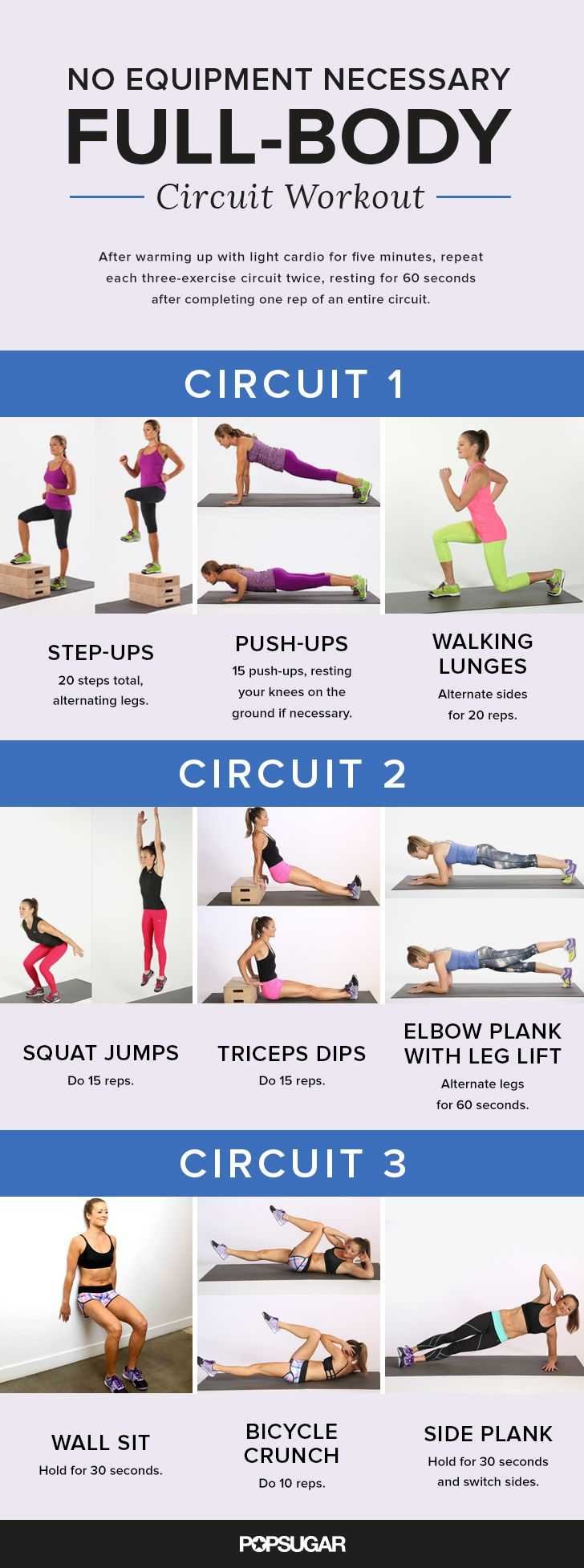
Circuit training without equipment offers a practical and effective way to stay fit anytime and anywhere. You don’t need a gym or fancy gadgets—just your body and some space! This type of workout combines multiple exercises performed back-to-back, boosting your strength and endurance efficiently. To get started, focus on bodyweight movements like push-ups, squats, lunges, and planks, cycling through them with minimal rest to keep your heart rate high.
In just a few minutes, you can burn calories, build muscle, and improve cardiovascular health right at home or on the go. The key is to keep the intensity up and vary the exercises to keep your body challenged. Perfect for busy schedules or when you’re traveling, no equipment circuit training is a versatile way to stay active without any barriers.

Circuit Training No Equipment Workouts: The Ultimate Guide to Effective Bodyweight Fitness
Understanding the Concept of Circuit Training Without Equipment
Circuit training involves performing a series of exercises back-to-back with minimal rest. When done without equipment, it focuses entirely on using your body weight to build strength and endurance. This style of workout is perfect for anyone who wants a flexible, no-fuss way to stay fit.
Why Choose No Equipment Circuit Training?
No equipment workouts are accessible to everyone and can be done anywhere — at home, in a park, or even at the office. They are cost-effective because you don’t need to buy any gym gear. Plus, they help improve cardiovascular health, muscle tone, and flexibility all at once.
Benefits of Bodyweight Circuit Workouts
- Convenience: No gym or equipment needed. Exercise anytime and anywhere.
- Efficiency: Combines strength training and cardio in one session for maximum results.
- Variety: Endless exercise options keep workouts fresh and engaging.
- Low Impact Options: Suitable for beginners or those prone to joint issues.
- Progressive Challenge: Easily modify exercises to match your fitness level.
Designing a No Equipment Circuit Training Routine
Creating an effective circuit means selecting exercises that work different muscle groups and balancing intensity with rest. A typical session lasts between 20 to 30 minutes, making it manageable for busy schedules.
Step 1: Choose Your Exercises
Focus on fundamental movement patterns like squats, push-ups, lunges, plank holds, and burpees. These exercises target major muscle groups without needing equipment.
Step 2: Set Your Circuit Structure
A standard circuit includes 5 to 8 exercises. Perform each exercise for about 30 seconds to 1 minute, followed by a 15 to 30 second rest. Repeat the entire circuit 2 to 4 times depending on your fitness level.
Step 3: Adjust Rest and Intensity
Beginners should include longer rests between exercises, while advanced athletes can shorten rest periods for higher intensity. Listen to your body and progress gradually.
Sample No Equipment Bodyweight Circuit Workout
- Jumping Jacks: 30 seconds — Boosts cardio and warms up the body.
- Push-Ups: 30 seconds — Strengthens chest, shoulders, and arms.
- Bodyweight Squats: 45 seconds — Targets thighs, hips, and buttocks.
- Lunges: 45 seconds — Improves balance and leg strength.
- Plank Holds: 30 seconds — Builds core stability.
- Mountain Climbers: 30 seconds — Combines cardio with core engagement.
- Burpees: 30 seconds — Full-body workout boosting endurance.
Repeat this circuit 3 times for a full workout.
Modifying Exercises for Different Fitness Levels
Beginners can modify exercises with easier versions, such as knee push-ups instead of standard push-ups. More experienced individuals can add variations like plyometric push-ups or single-leg squats for increased difficulty.
Low-Impact Alternatives
For those with joint issues, replace high-impact moves with low-impact options. For example:
- Perform step-back squats instead of jumping lunges.
- Hold a plank instead of mountain climbers to reduce joint stress.
- Use slow, controlled push-ups to prevent strain.
Creating a Progressive Bodyweight Workout Plan
Progression is key to continuous improvement. Increase the duration of each exercise, add more circuits, or reduce rest time as your strength and endurance improve.
Weekly Progress Suggestions
- Week 1-2: Focus on mastering proper form with 2 circuits per session.
- Week 3-4: Add an extra circuit or increase exercise duration.
- Week 5 and beyond: Incorporate more complex variations or decrease rest times for higher intensity.
Additional Tips for Effective No Equipment Circuit Training
– Always warm up for at least 5 minutes before starting the circuit. Jumping jacks, arm circles, or light jogging work well.
– Cool down with stretching to improve flexibility and reduce soreness.
– Stay hydrated and listen to your body during workouts.
– Keep track of your progress to stay motivated and see improvements over time.
Equipment-Free Exercises to Mix Into Your Routine
You can diversify your workout with different exercises to target various muscles:
- Tricep Dips: Use a sturdy chair or step (if available). For no equipment, substitute with close-grip push-ups.
- Glute Bridges: Lie on your back, lift hips to engage the glutes.
- Superman Holds: Lie face down and lift arms and legs to strengthen the back.
- Side Planks: For obliques and core stability.
- High Knees: Run in place, lifting knees high for cardio.
Maximizing Your Bodyweight Circuit Training Results
Consistency is key — aim for at least three workouts per week. Mix different exercises to prevent boredom and ensure all muscle groups are worked evenly. Prioritize proper form over speed to avoid injuries.
Integrating Other Fitness Components
Pair circuit training with flexibility routines like yoga or stretching. Incorporate balance exercises such as single-leg stands to improve stability. Nutritional support, including balanced meals and hydration, boosts workout effectiveness.
No equipment circuit training offers an accessible, adaptable, and effective way to improve your fitness levels without the need for gym gear. By selecting the right exercises, structuring your routine thoughtfully, and progressing gradually, you can enjoy significant health benefits from bodyweight workouts anytime and anywhere. Keep your workouts varied and stay consistent to reach your fitness goals naturally and efficiently.
30 Minute Full Body Strength Workout [No Equipment + Modifications]
Frequently Asked Questions
How can I structure an effective no-equipment circuit workout at home?
Create a balanced workout by selecting exercises that target different muscle groups, such as push-ups, bodyweight squats, lunges, planks, and burpees. Perform each exercise for a set amount of time, like 30 seconds, followed by a brief rest. Repeat the circuit 3-4 times, gradually increasing the intensity or duration as you build strength and endurance.
What are some common mistakes to avoid during no-equipment circuit training?
Avoid rushing through exercises without proper form, which can lead to injuries. Don’t skip warm-up and cool-down routines, as they help prevent strains. Also, ensure you maintain a manageable intensity level to prevent overexertion, and listen to your body’s signals to rest when needed.
How can I modify circuit workouts to match my fitness level?
Adjust exercise difficulty by modifying movements, such as doing knee push-ups instead of standard push-ups or reducing the number of repetitions. You can also increase rest periods for beginners or add more challenging variations like jump squats or mountain climbers for advanced levels. Tailoring the circuit keeps it effective and safe for your current fitness state.
Is it necessary to include cardio in no-equipment circuit workouts?
Incorporating cardio exercises like jumping jacks, high knees, or burpees within your circuit boosts cardiovascular health and boosts calorie burn. Including these movements ensures your workout remains dynamic, improves endurance, and helps you achieve overall fitness goals more efficiently.
How often should I perform no-equipment circuit training for optimal results?
Perform circuit workouts at least three times a week, allowing a day of rest or light activity between sessions. Consistency is key to seeing progress, but listen to your body and avoid overtraining, which can lead to fatigue or injury. Pairing your workouts with proper nutrition also supports better results.
Final Thoughts
Circuit training no equipment workouts offer a practical and flexible way to stay fit without the need for gym gear. They keep workouts dynamic and time-efficient, perfect for busy schedules. Incorporating these routines into your fitness plan can boost endurance and strength effortlessly. Embrace these workouts to maintain an active lifestyle anytime, anywhere.
As an Amazon Associate, We earn from qualifying purchases. When you purchase a product through Amazon links on pulsefitguide.com, we may earn a small commission at no extra cost to you. This helps support the site and keep our content free.
